Federal Court Rules Clean Water Isn’t a Constitutional Right. So Who Protects Your Tap?
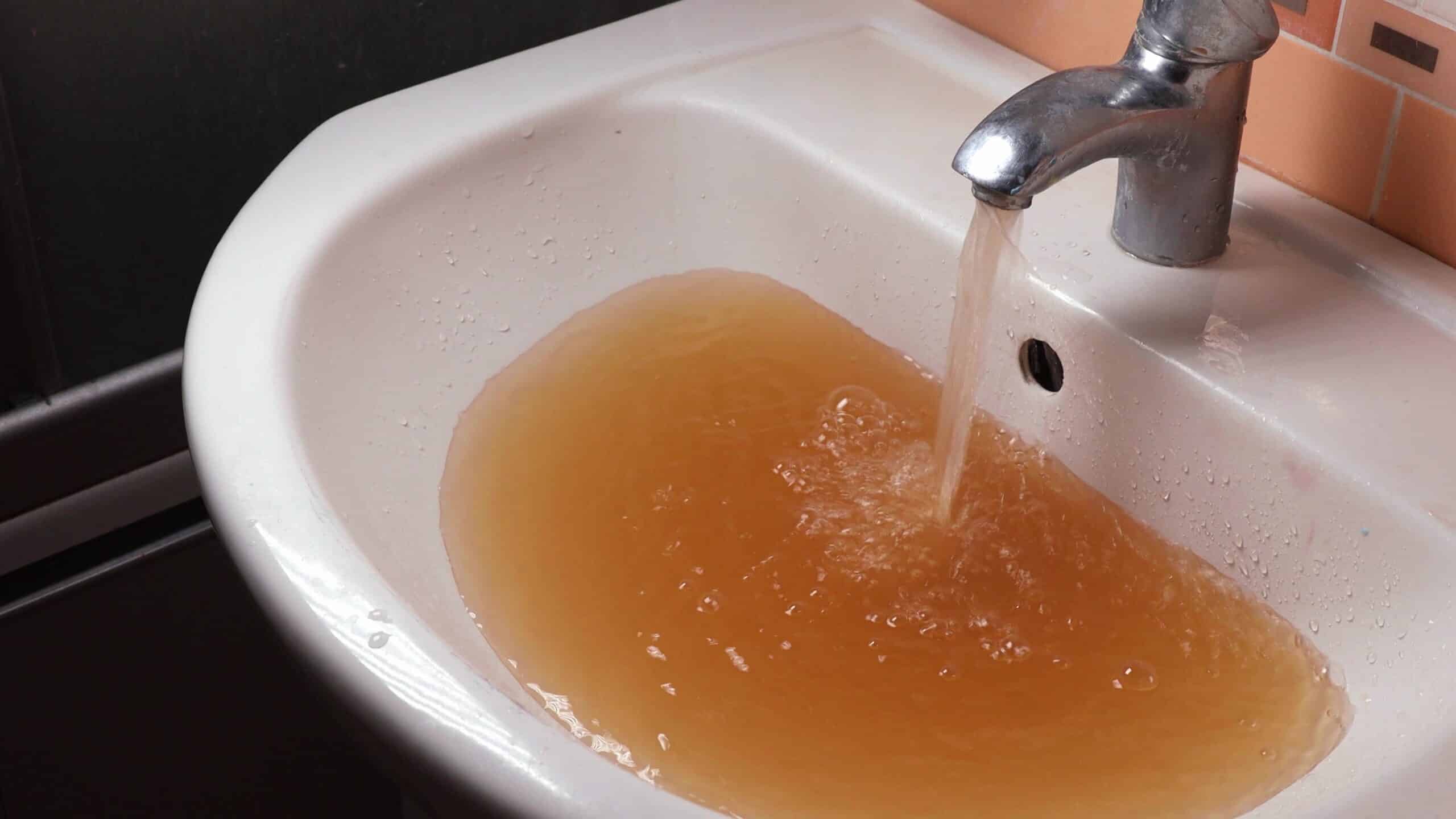

Turn on your kitchen faucet and you probably assume the water coming out is not merely a convenience, but something government has a duty to keep safe. A federal appeals court has now drawn a sharp distinction. In a case involving Jackson, Mississippi, the Fifth Circuit ruled that clean drinking water is not a right guaranteed by the U.S. Constitution. That sounds sweeping. But it does not mean Americans suddenly have no protections against contaminated tap water.
The Case Started With Jackson’s Troubled Water

The ruling grew out of a 2022 lawsuit brought by Jackson residents Priscilla Sterling, Raine Becker, Shawn Miller and John Bennett. They alleged that city officials knowingly allowed residents to drink unsafe, lead-contaminated water. The plaintiffs argued that the exposure violated their right to bodily integrity under the Fourteenth Amendment’s due process clause. The Fifth Circuit upheld a lower court’s dismissal of that constitutional claim.
Why the Judges Said No
The court was not declaring contaminated water harmless. Instead, the majority concluded that protection from lead-contaminated water does not fit within the constitutional right to bodily integrity recognized in previous cases. Judge Kurt Engelhardt wrote that the plaintiffs had not identified a historical tradition or Supreme Court precedent establishing such a right. The 10-5 ruling also rejected a claimed constitutional right to truthful information from officials during a public-health crisis.
Jackson Shows Why the Question Matters
This was hardly a theoretical dispute. Jackson’s water system had struggled for years. Mother Jones reports that state health officials found elevated lead levels in 2015, while EPA testing in 2020 identified “persistent and concerning violations,” including leaks, corrosion and high lead levels. The plaintiffs alleged authorities failed to adequately address the contamination or warn residents. Jackson is more than 80% Black, and its poverty rate is more than twice the national average.
No Constitutional Right Does Not Mean No Water Rules
This is the distinction most likely to get lost in the headline. The Fifth Circuit said the Constitution does not guarantee clean water. It did not erase the laws, regulations and government programs governing water quality. The court itself noted that Mississippi and the federal government have worked to improve Jackson’s system through “regulations, investigations, and compliance plans.” In other words, protection still exists, but its legal foundation comes from somewhere other than a newly recognized constitutional right.
So Who Actually Protects Your Tap?
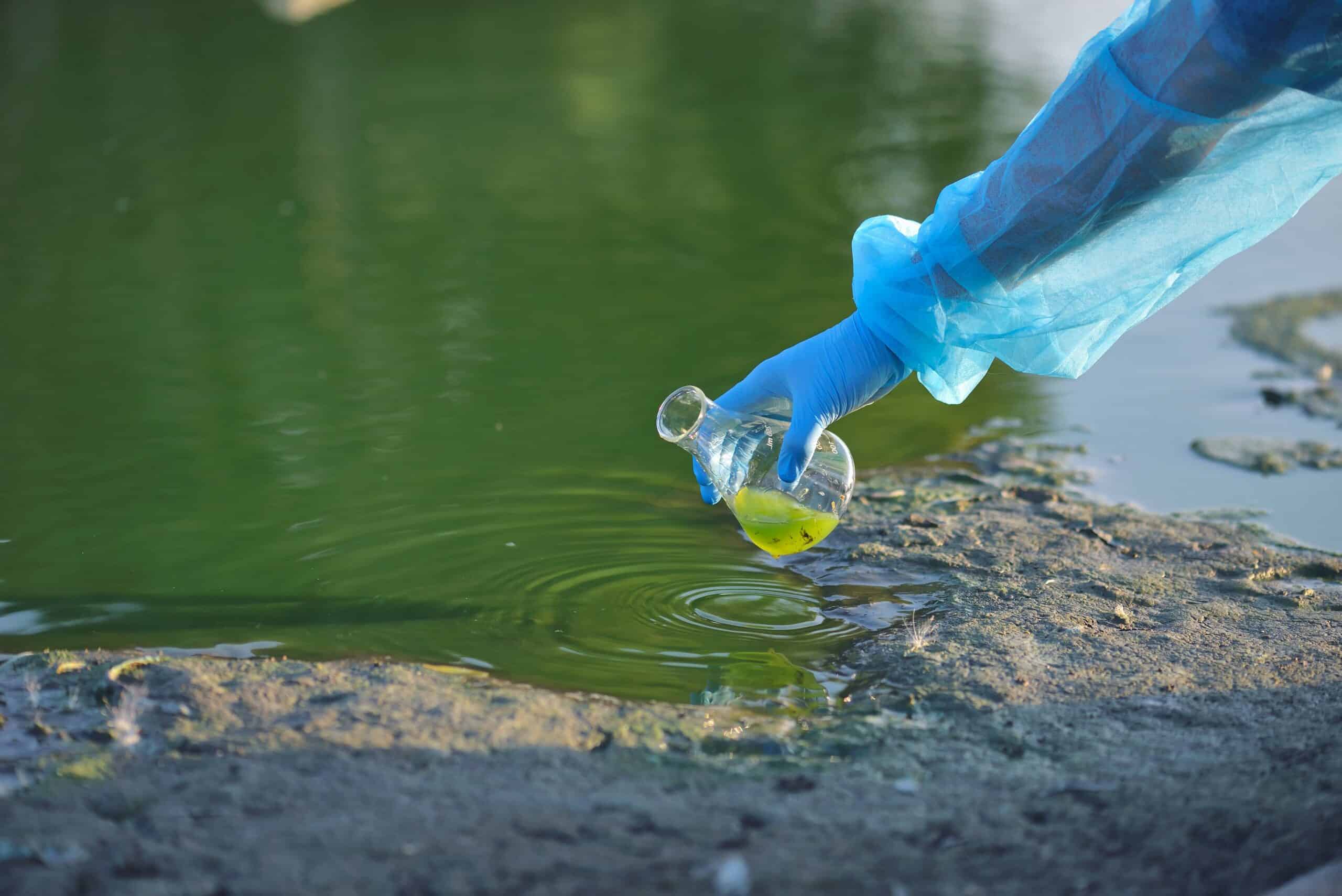
In practice, protecting drinking water is a shared government responsibility rather than a constitutional guarantee enforced through this kind of lawsuit. The Jackson ruling specifically points to continuing state and federal involvement in water quality. It also leaves residents with other legal and political avenues when systems fail. The majority suggested tort claims, petitioning elected representatives and choosing officials who will better manage public water systems. Those routes may be less sweeping than a constitutional claim, but the court considered them the appropriate alternatives.
Some States Go Further
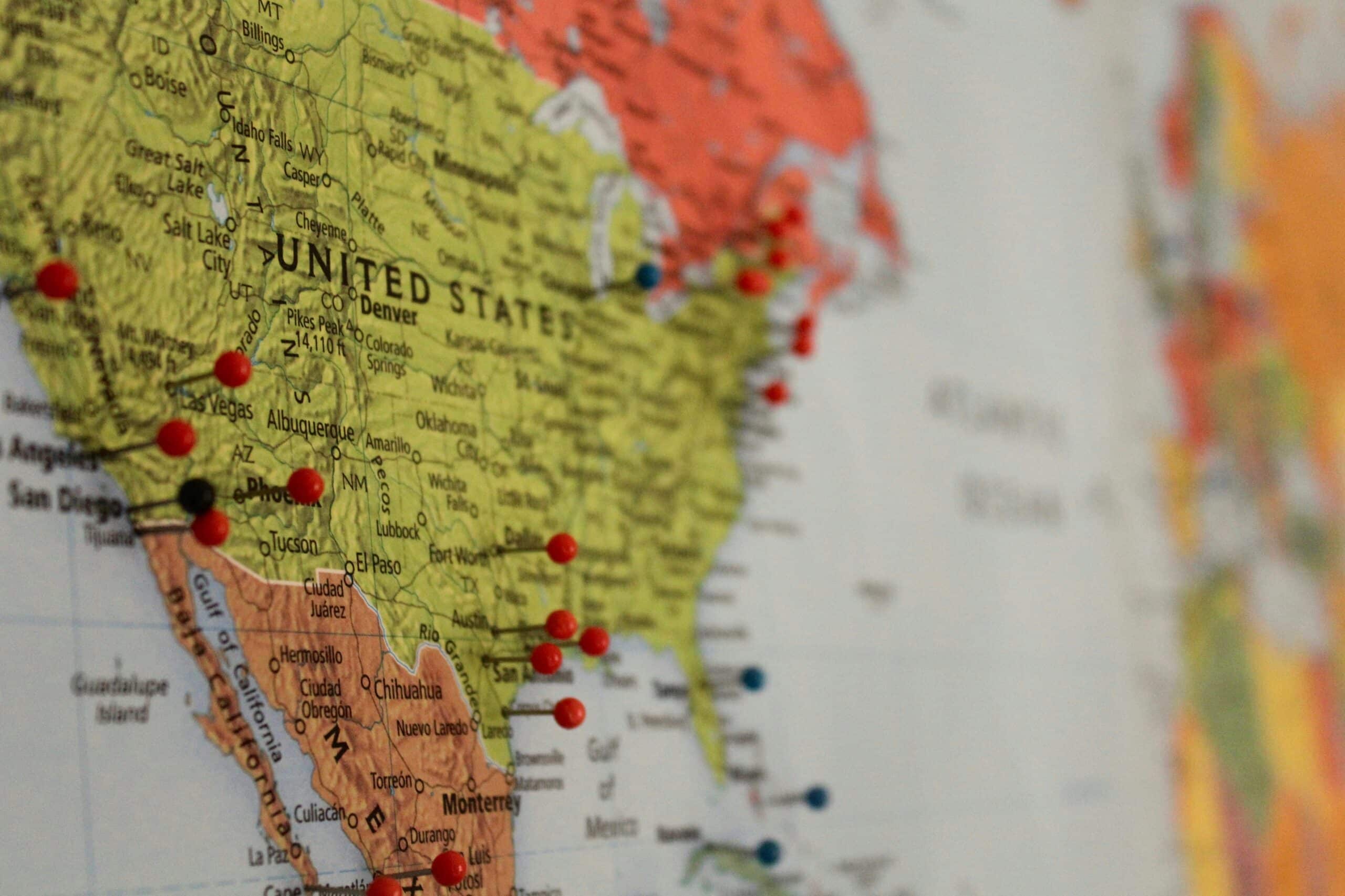
Where you live can change the legal picture. At least nine states have protected clean drinking water as a right at the state level, according to Mother Jones. New York’s constitution, following a 2021 amendment, says each person has a right to clean air, water and a healthful environment. Massachusetts has constitutionally protected a right to clean air and water since 1972. USA Today also notes protections for access to safe water in states including California and Virginia.
The Court Acknowledged the Harm
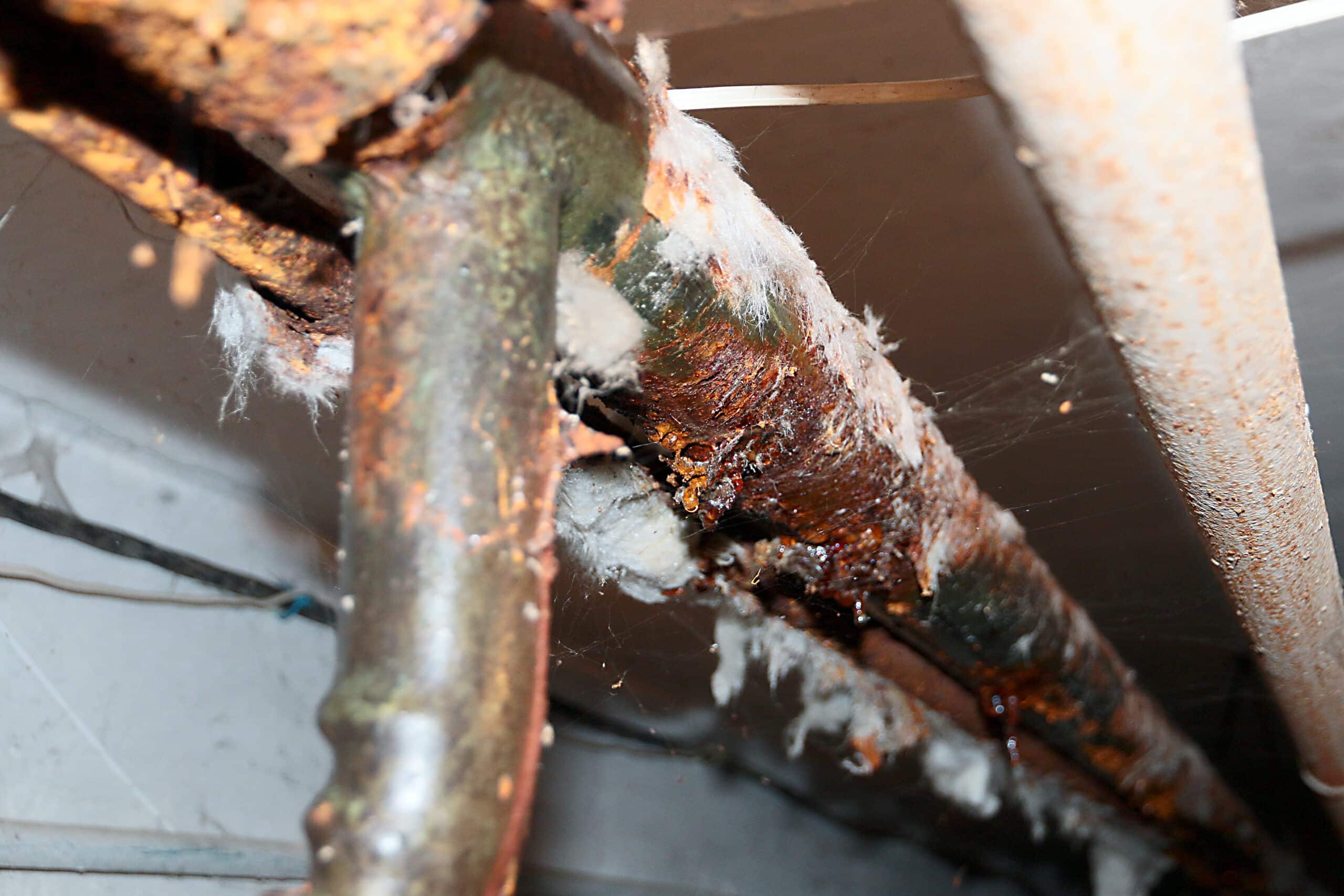
One striking part of the decision is that the majority did not brush aside what Jackson residents described. The court recognized allegations of “serious government misfeasance” and said it was sympathetic to injuries the plaintiffs may have suffered. But sympathy, it concluded, could not transform those alleged wrongs into constitutional violations. That distinction explains why a government can potentially fail residents badly without that failure automatically becoming a federal constitutional case.
The Ruling Doesn’t End Jackson’s Water Story
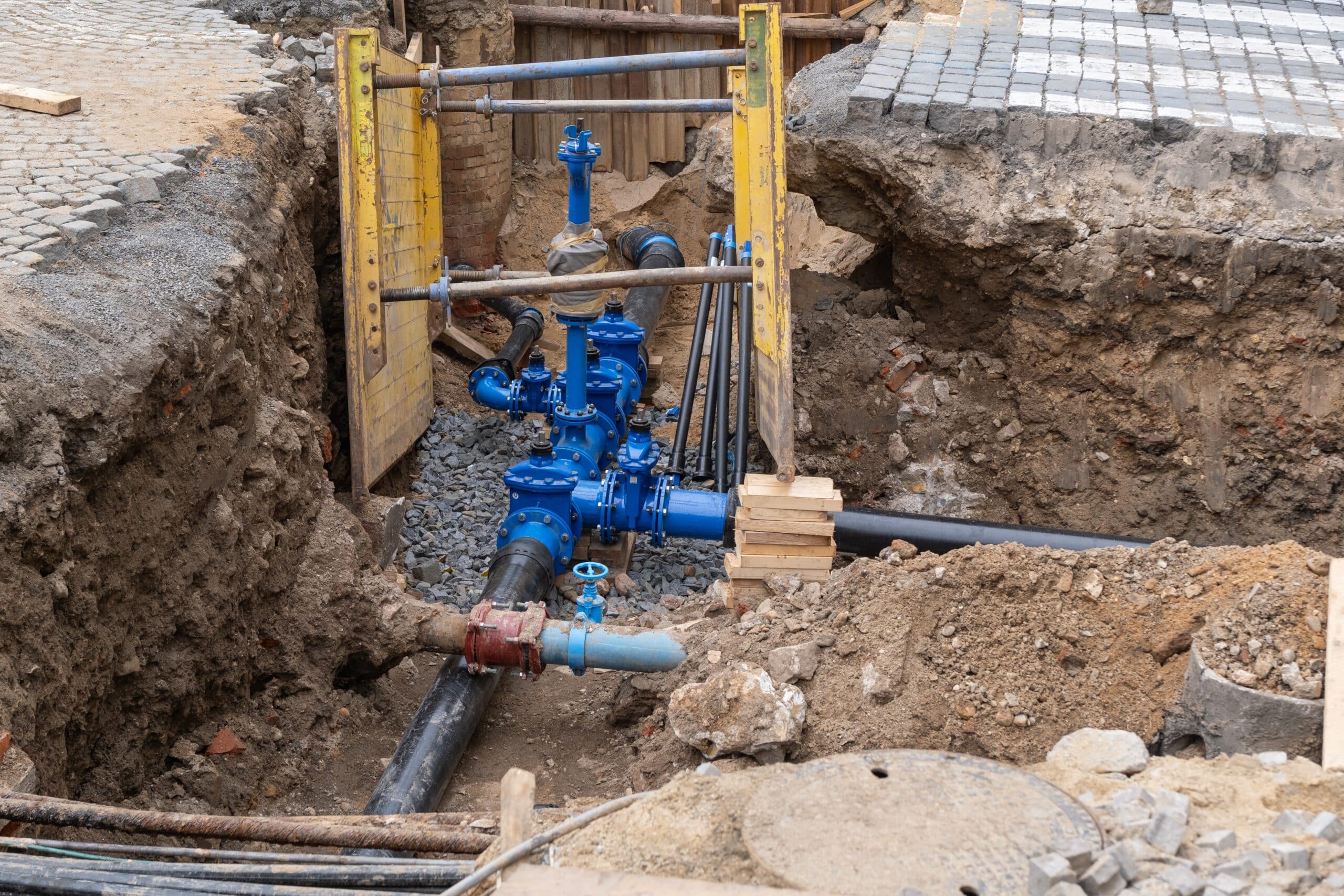
Jackson’s disputes over water infrastructure extend beyond this lawsuit. The NAACP filed a 2022 complaint alleging Mississippi repeatedly directed federal drinking-water money toward white communities instead of majority-Black Jackson. Its Jackson branch later sued state officials in 2025 over the alleged diversion of federal relief funds intended to address the city’s infrastructure crisis. Those proceedings involve different legal arguments, showing how fights over safe water can continue even when a constitutional claim fails.
What Happens at the Faucet Still Matters
The Fifth Circuit’s ruling settles one important question within its case: Jackson residents could not turn their allegations into a federal constitutional right to clean water. It does not settle the larger challenge of keeping aging systems safe or deciding who pays when they fail. For households, that distinction matters. The next major battles over drinking water may increasingly turn on environmental laws, state protections, infrastructure funding, regulators and ordinary civil lawsuits rather than the Constitution itself.