Five States Begin SNAP Restrictions on Soda, Candy, and Snacks Starting Jan. 1
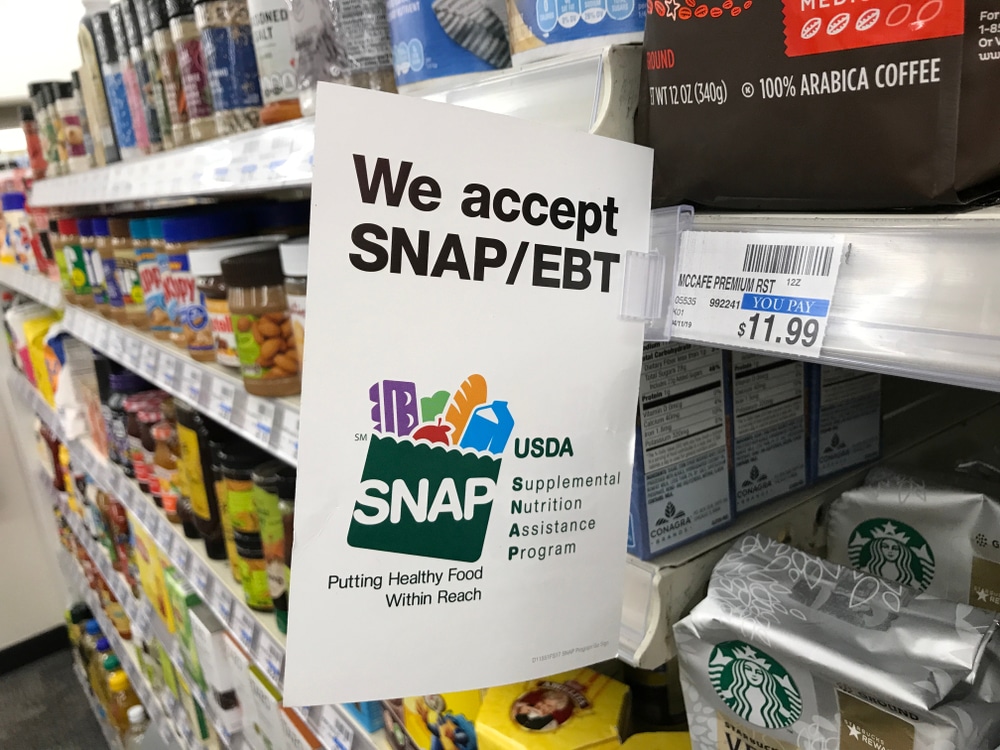

For millions of Americans who rely on SNAP benefits, grocery shopping will look different starting January 1. Five states are rolling out new restrictions that limit which foods can be purchased with government assistance, targeting items like soda, candy, and certain snack foods.
The changes mark a significant shift for a program that has historically allowed recipients broad discretion over food choices. Supporters say the goal is to improve public health and reduce diet-related disease. Critics argue the move adds complexity, stigma, and confusion for families already navigating tight budgets.
The new rules arrive at a time when food prices remain elevated and grocery decisions are already difficult. That tension sits at the center of the debate now unfolding across the country.
What the New SNAP Restrictions Actually Do
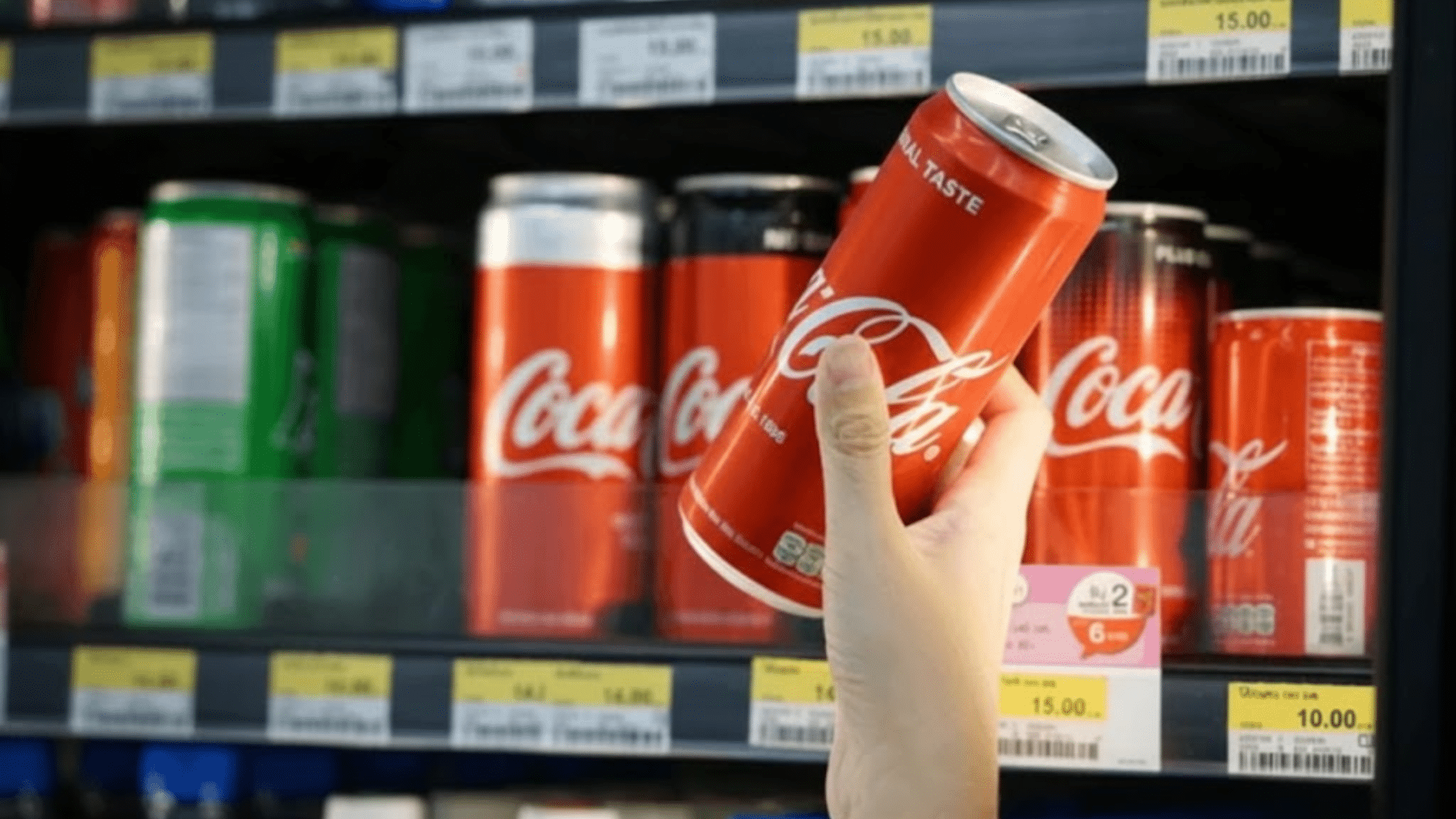
Beginning January 1, Indiana, Iowa, Nebraska, Utah, and West Virginia will restrict SNAP benefits from being used to purchase certain foods. The bans vary by state, but commonly include soda, soft drinks, candy, and other items considered unhealthy.
Iowa has implemented the most expansive limits, restricting SNAP purchases of many taxable foods, including some prepared items. Nebraska’s policy focuses on soda and energy drinks, while Indiana targets soft drinks and candy. Utah and West Virginia have adopted narrower bans centered on soda and similar beverages.
Roughly 1.4 million SNAP recipients across the five states will be affected. The waivers will run for two years, with the option to extend them for an additional three, and each state is required to evaluate the impact of the changes. While the rules are defined at the state level, the program itself remains federally funded, making these waivers a notable departure from long-standing SNAP policy.
The Health Data Driving the Push
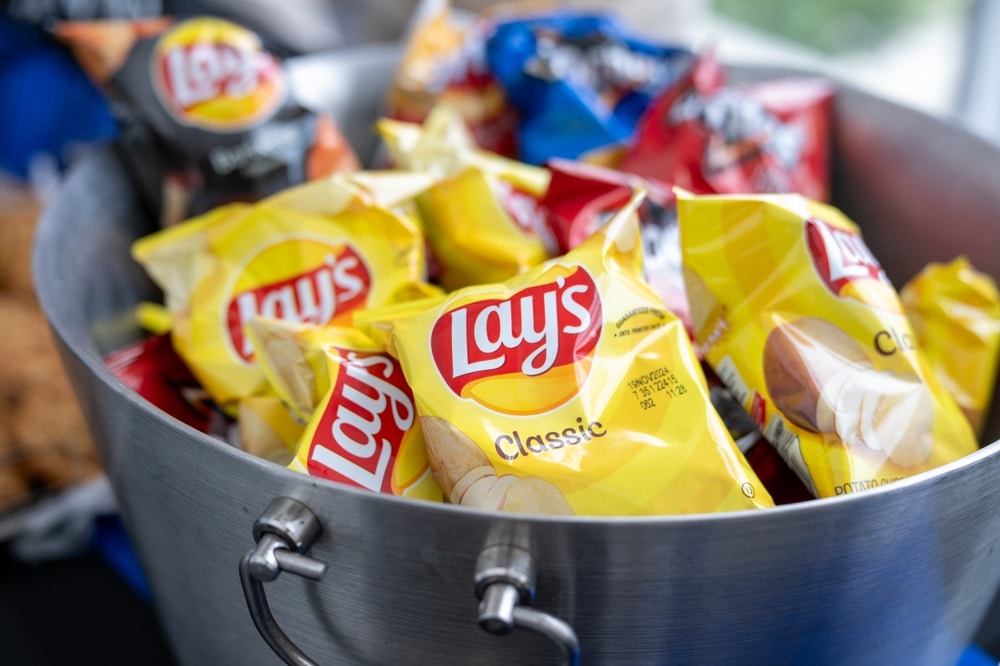
Supporters of the SNAP food restrictions point to substantial health research showing that frequent consumption of sugar-sweetened beverages and processed snacks is linked to increased risk of obesity, type 2 diabetes, dental issues, and other diet-related diseases. Sugary drinks are a leading source of added sugars in the American diet and are associated with weight gain, heart disease, and metabolic problems when consumed often.
Public health studies also show that children drink sugary beverages at especially high rates, with a large share of youth consuming them daily, increasing their risk of excess weight gain and related health issues. Limiting access to these products through programs like SNAP has been modeled to reduce overall sugar consumption, calories, obesity prevalence, and potentially related illnesses in populations at higher risk.
At the same time, these changes come as many SNAP recipients are already navigating elevated food prices and limited access to healthy options. While the restrictions aim to nudge purchases toward more nutritious foods, they also highlight ongoing challenges: healthier food can be more expensive and harder to find for low-income families. This tension between encouraging better diet quality and ensuring access and choice in tight economic conditions will be a key part of how the new SNAP rules affect beneficiaries in practice.
What This Shift Could Mean Going Forward
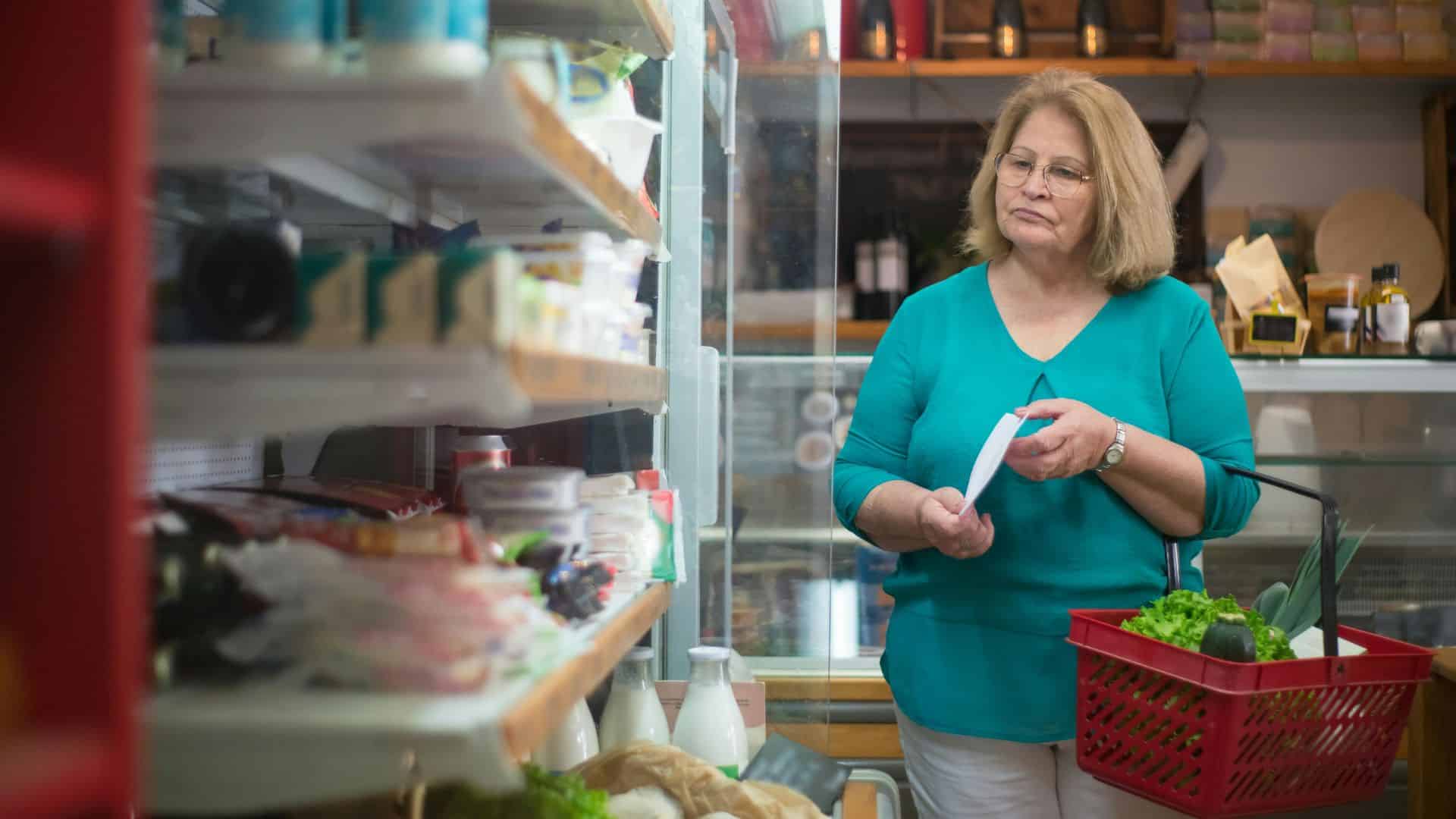
As the restrictions take effect, the real test will be how they play out at checkout and in everyday shopping routines. SNAP recipients may need time to adjust to new rules, especially as food prices remain high and qualifying items vary by state. Clear communication and consistent enforcement will be critical to avoiding confusion or unintended barriers to food access.
For policymakers, the five-state rollout represents an early experiment in reshaping SNAP around public health outcomes. Other states are watching closely, weighing whether similar restrictions could reduce long-term healthcare costs without placing additional strain on low-income households. The results of these waivers, including changes in purchasing behavior and health indicators, will likely shape future decisions.
At its core, the debate reflects a broader national question about SNAP’s role. Is the program meant solely to prevent hunger, or should it also actively steer nutrition choices? How that question is answered may determine the next chapter of one of the country’s most important food assistance programs.