Florida Restaurants Face Water Restrictions Amid Historic Drought
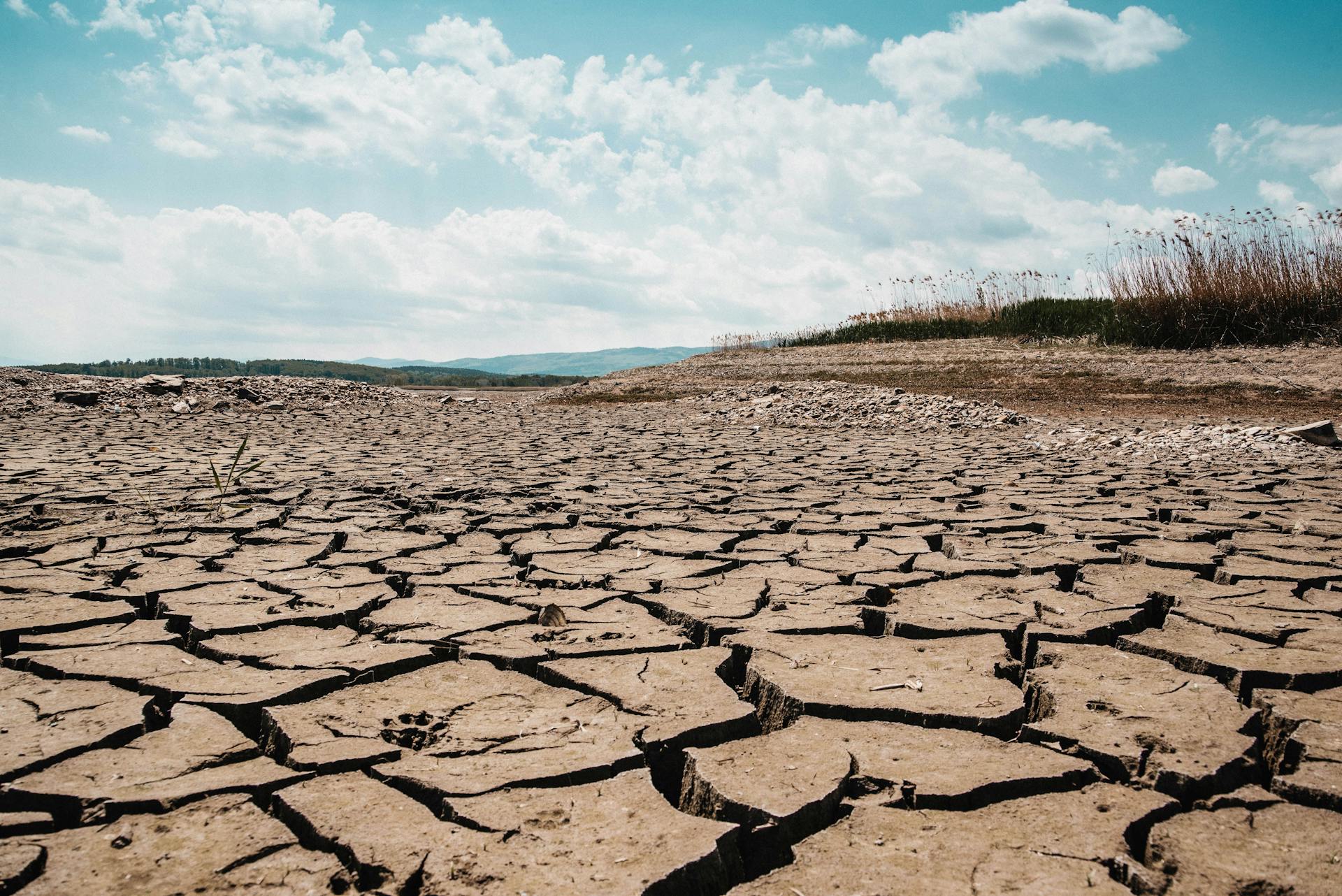

Florida’s west-central region is facing what officials describe as one of the worst droughts in at least 25 years, and the effects are now visible far beyond parched lawns and shrinking lakes. Reservoirs are running low, rivers and aquifers are declining, and a 13.7-inch regional rainfall deficit has left water supplies “extremely low for this time of year,” according to the Southwest Florida Water Management District (SWFWMD).
In response, SWFWMD’s governing board voted to declare a Modified Phase III “Extreme” Water Shortage, triggering some of the strictest conservation rules the region has seen in years. The order, which runs from April 3 through July 1, applies across a wide swath of west-central Florida, including Hillsborough, Pinellas, Pasco, Polk, Sarasota and several other counties.
Officials say the move is necessary to stretch limited supplies through the driest months of the year. While Florida is known for its summer downpours, the rainy season has not yet arrived in full force, and until it does, every gallon matters.
What the New Rules Mean for Restaurants

One of the most visible changes for residents and visitors alike is happening at the dinner table. Under the Modified Phase III order, restaurants are now required to serve water only upon request. That means diners will no longer automatically receive a glass of water when seated.
The change may seem small, but officials say it reflects the seriousness of the current shortage. The district’s order specifically includes restaurants among the sectors required to scale back usage as part of broader conservation efforts. News reports confirm that eateries across the affected counties must comply with the new rule.
For restaurant owners, the shift is largely procedural but symbolic. Staff must adjust standard service routines, and signage or training may be needed to ensure compliance. For customers, the experience will feel slightly different — a reminder that the drought is no longer an abstract weather statistic but a daily reality.
Lawn Watering, Fountains and Enforcement
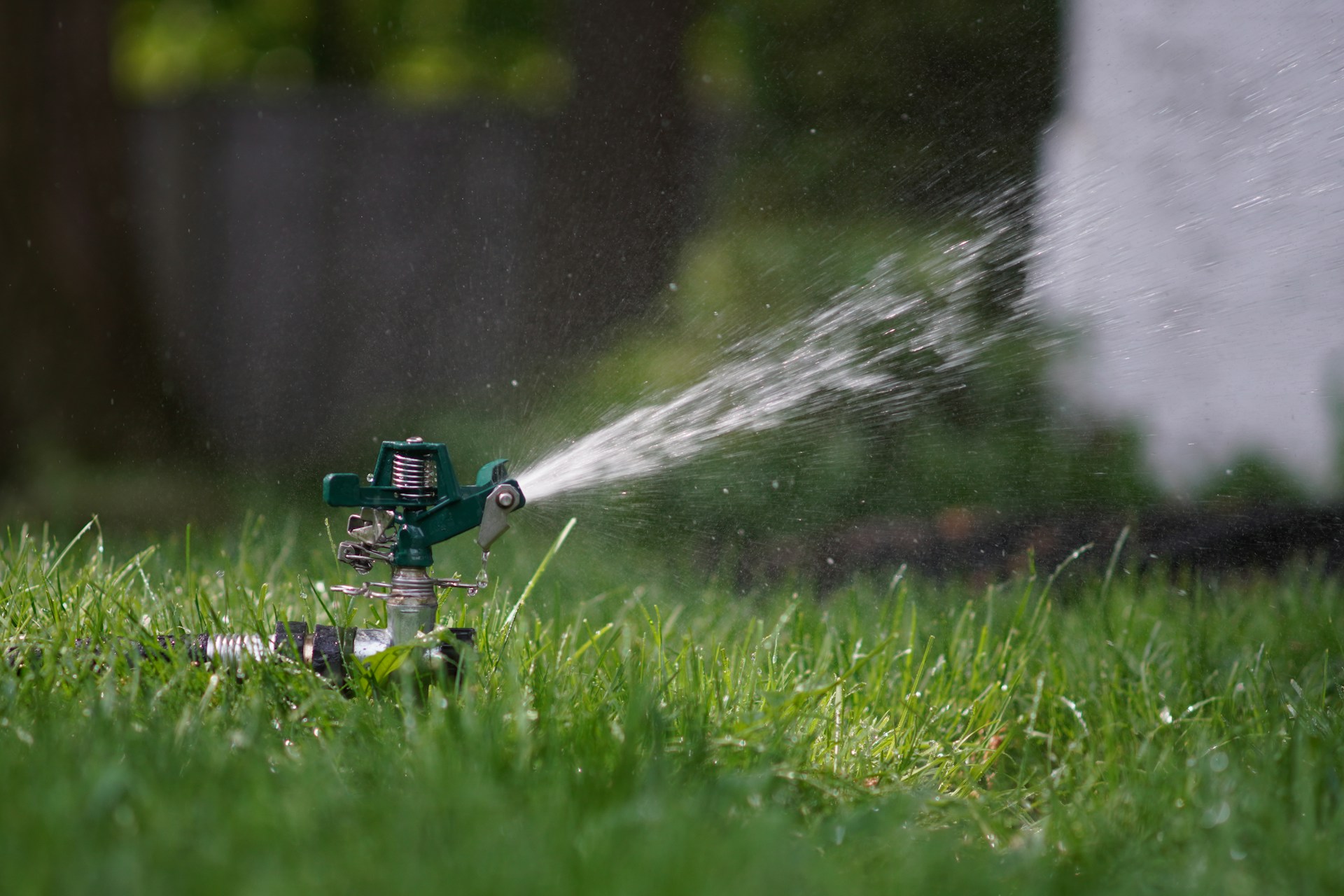
Restaurants are only one part of a sweeping set of restrictions. Residents are now limited to watering lawns once per week during reduced overnight hours, between 12:01 a.m. and 4 a.m. or 8 p.m. to 11:59 p.m., unless stricter local rules apply. Properties under one acre may use only one of those windows.
Outdoor irrigation is a major focus because it accounts for more than half of household water use in the region. Officials stress that even small changes, like shortening watering cycles, can save thousands of gallons over time.
Enforcement is also tightening. Starting 14 days after the order’s effective date, local utilities and enforcement officials must issue citations for violations without first giving warnings. In other words, the era of gentle reminders is over. Authorities say stricter enforcement is necessary to protect dwindling supplies and ensure fairness across communities.
Why Officials Say Conservation Can’t Wait
Water managers point to several alarming indicators behind the emergency declaration. Beyond the 13.7-inch rainfall deficit, public supply reservoirs are reportedly less than half full in some cases, raising concerns about long-term system stability. Aquifers, rivers and lakes continue to decline, compounding the strain.
Officials emphasize that the goal is not just to survive the current dry spell but to protect the region’s water future. Conserving now helps ensure reservoirs can be replenished when summer rains return and reduces the risk of exceeding permitted withdrawal limits.
For Florida restaurants, the new “water upon request” rule may be the most noticeable adjustment. But it represents a broader message: in a state long defined by water abundance, scarcity is becoming a serious policy concern. Until rainfall patterns shift and reservoirs recover, conservation, from backyard sprinklers to dining tables, is the new normal.