Food Experts Say It’s Time to Stop Using Mayo in Tuna Due to Health Concerns

Most of us grew up believing tuna salad meant one thing: tuna mixed with a generous scoop of mayonnaise. It’s familiar, comforting, and something many of us never thought to question because it’s what we’ve always done.
But nutrition experts are now saying that this long-standing habit may be quietly undermining one of the healthiest proteins we eat. The issue isn’t the tuna — it’s what we’re mixing into it.
Commercial mayonnaise is made up of at least two-thirds vegetable oil by weight, most commonly soybean, sunflower, or corn oil. These oils are high in omega-6 fats, particularly linoleic acid, which research has linked to inflammation, obesity, and a higher risk of chronic disease when consumed in excess.
The Omega-6 Imbalance Problem
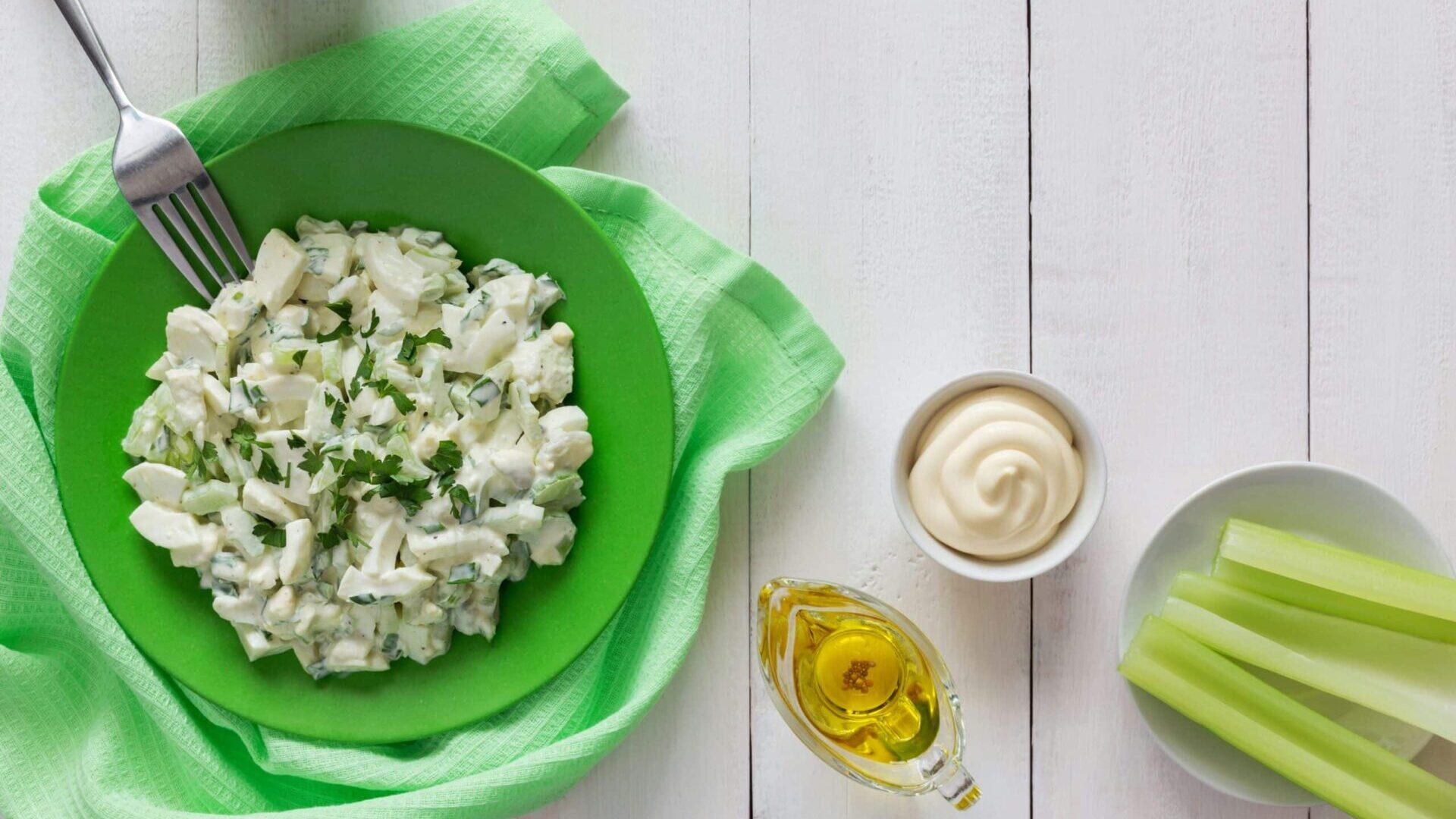
Historically, human diets contained a near one-to-one ratio of omega-6 to omega-3 fats. Today, that ratio has shifted dramatically, closer to ten-to-one in modern Western diets.
This change happened rapidly, largely due to the rise of processed foods and seed oils. Mayonnaise is a concentrated example of that shift.
Soybean oil alone has an omega-6 to omega-3 ratio of more than 7:1. Just one tablespoon of commercial mayo delivers far more omega-6 fats than most people realize. To balance it out, you’d need to eat roughly 12 ounces of wild Alaskan salmon — an unrealistic trade-off for a sandwich spread.
When Healthy Tuna Becomes a Calorie Bomb
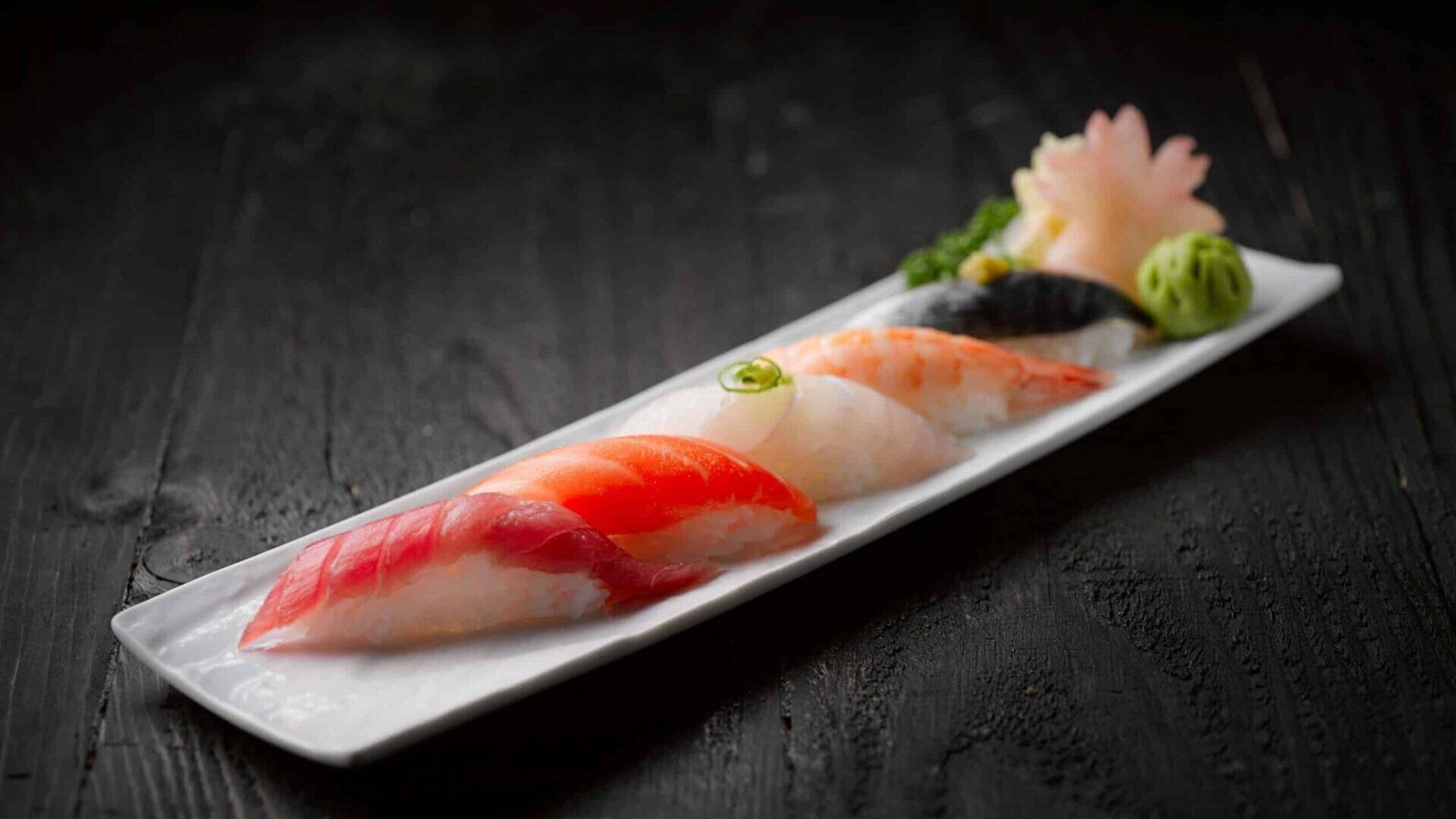
On its own, tuna is an excellent source of lean protein. Three ounces of albacore tuna provides about 23 grams of protein and only 120 calories.
Once mayonnaise enters the picture, that nutritional profile changes fast. And the numbers are honestly shocking.
One cup of mayonnaise contains more than 1,400 calories and around 160 grams of fat. Even smaller portions add up quickly, turning one of the leanest proteins available into a meal loaded with unnecessary calories and fats. For anyone trying to manage weight, inflammation, or heart health, mayo quietly works against those goals.
Smarter, Creamy Alternatives That Actually Help You
The good news is that you don’t have to give up creamy tuna salad altogether. Nutritionists recommend swaps that preserve texture while dramatically improving nutritional value. Greek yogurt is one of the most popular alternatives.
And it’s not just a compromise — it’s an upgrade. Greek yogurt adds creaminess, protein, calcium, and probiotics while cutting fat and calories. Avocado is another strong option, offering healthy fats, fiber, and micronutrients.
You can also experiment with olive oil, lemon juice, and Dijon mustard for a lighter, fresher flavor. The real takeaway isn’t demonizing mayo entirely — it’s reducing ultra-processed foods overall and choosing whole-food alternatives that support long-term health.