Foods That Become Poisonous If You Make the Wrong Cooking Move
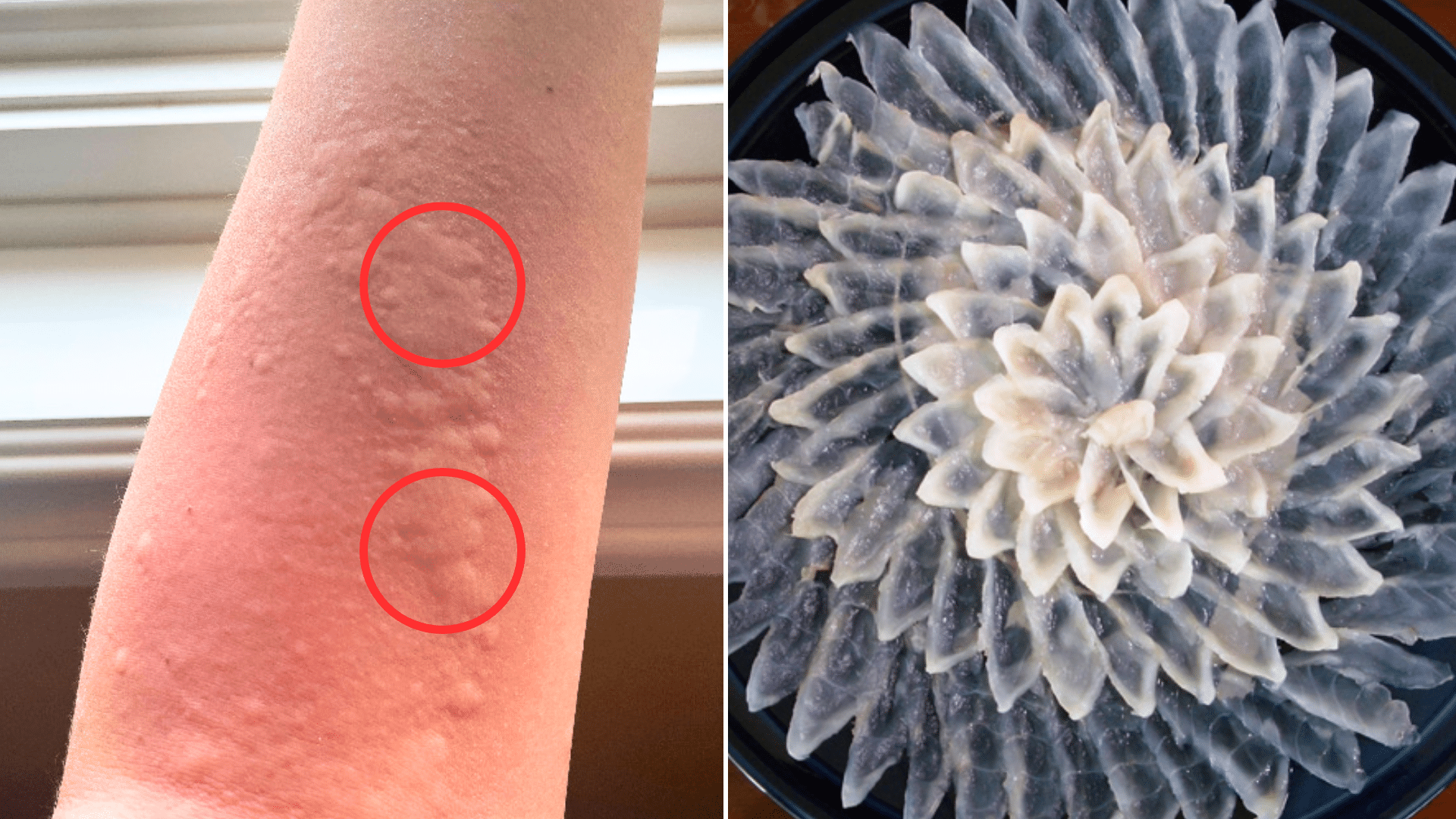

While food is typically a source of sustenance, certain ingredients carry significant health risks if handled incorrectly. From marine neurotoxins to plant-based chemicals, the margin for error in the kitchen can be razor-thin. Reporting indicates that proper preparation remains the primary defense against foodborne illness. Understanding these hazards is essential for consumer safety. Let’s examine the first risk.
Fugu

In Japan, pufferfish, or fugu, remains a high-stakes culinary item. The animal’s internal organs contain tetrodotoxin, a neurotoxin significantly more lethal than cyanide. To mitigate risk, chefs must obtain specialized certification. Experts at Kobe Jones confirm that the poison is “1,000 times more potent than cyanide,” and currently, there is no known medical antidote.
Cassava

Cassava serves as a critical food source for millions, yet it contains cyanogenic glycosides. If the root is not processed through soaking and fermentation, it can release lethal cyanide. A report from the NIH warns that “processing may not ensure the complete removal” of toxins if shortcuts are taken. Safety depends on rigorous adherence to traditional preparation. But some fruits have even stricter rules.
Ackee
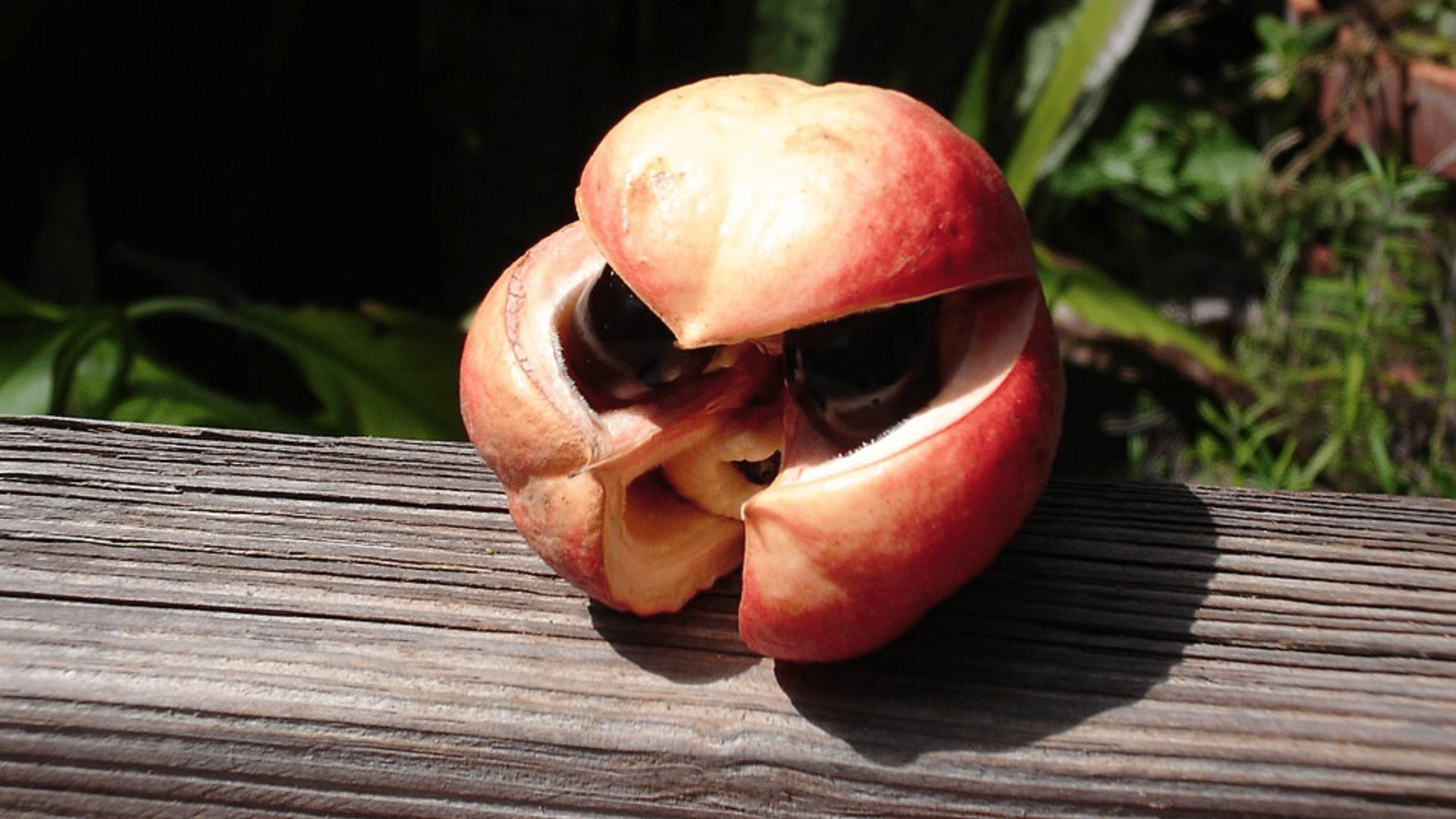
Jamaica’s national fruit, the ackee, contains hypoglycin A, which can induce severe metabolic distress. Toxicity is avoided by harvesting only when the fruit naturally splits open. “Only the aril of the fruit is fit for consumption,” according to clinical researchers at StatPearls. Ingesting unripe portions can lead to fatal hypoglycemia, making timing a matter of life or death.
Rhubarb
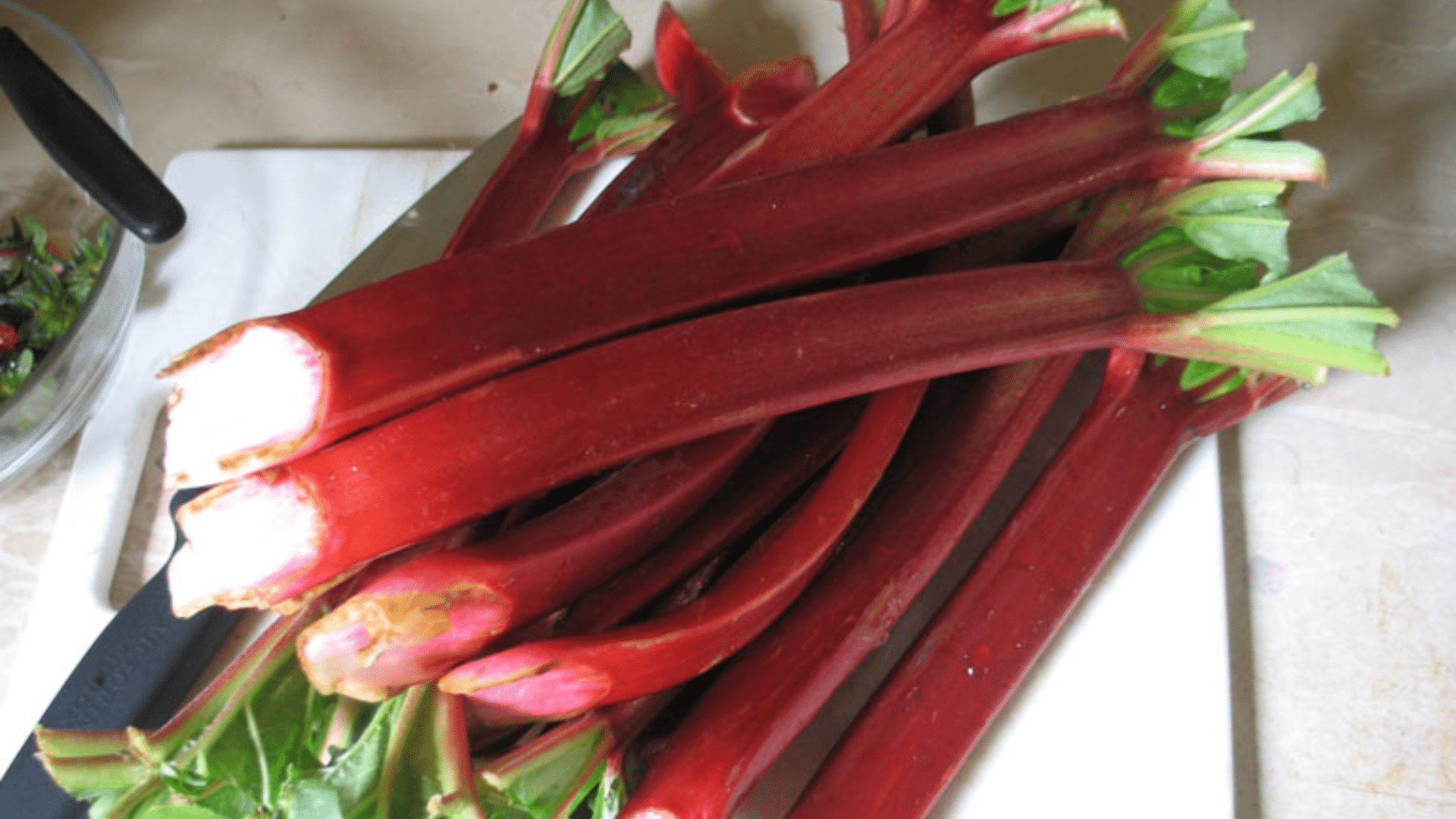
Rhubarb is a common ingredient in desserts, but its leaves present a significant chemical hazard. The foliage contains high concentrations of oxalic acid, which can trigger kidney failure or respiratory distress. While the stalks are harmless, Purdue University specialists state that “leafy blades contain toxic levels” that are not neutralized by cooking. Vigilance in the garden is required. Now, for a moving meal.
San-nakji
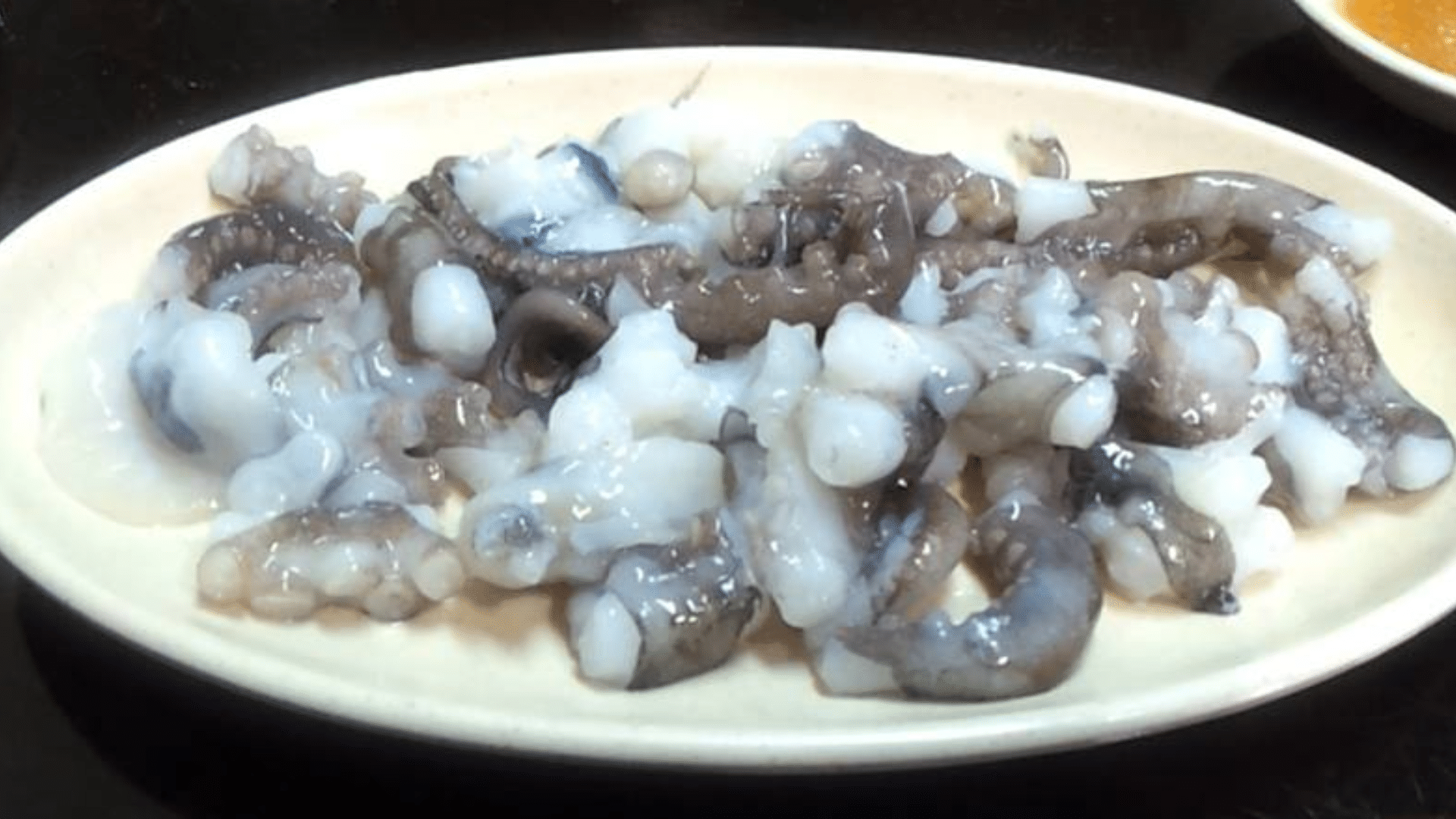
San-nakji, a Korean dish of raw octopus, presents a mechanical rather than chemical danger. The tentacles retain active nerve function after being severed, allowing suction cups to grip the diner’s airway. Wikipedia documentation cites multiple cases where patrons “choked to death” after failing to masticate the tissue thoroughly. It is a rare instance of food fighting back. Watch out for what’s in the mud.
Blood Clams
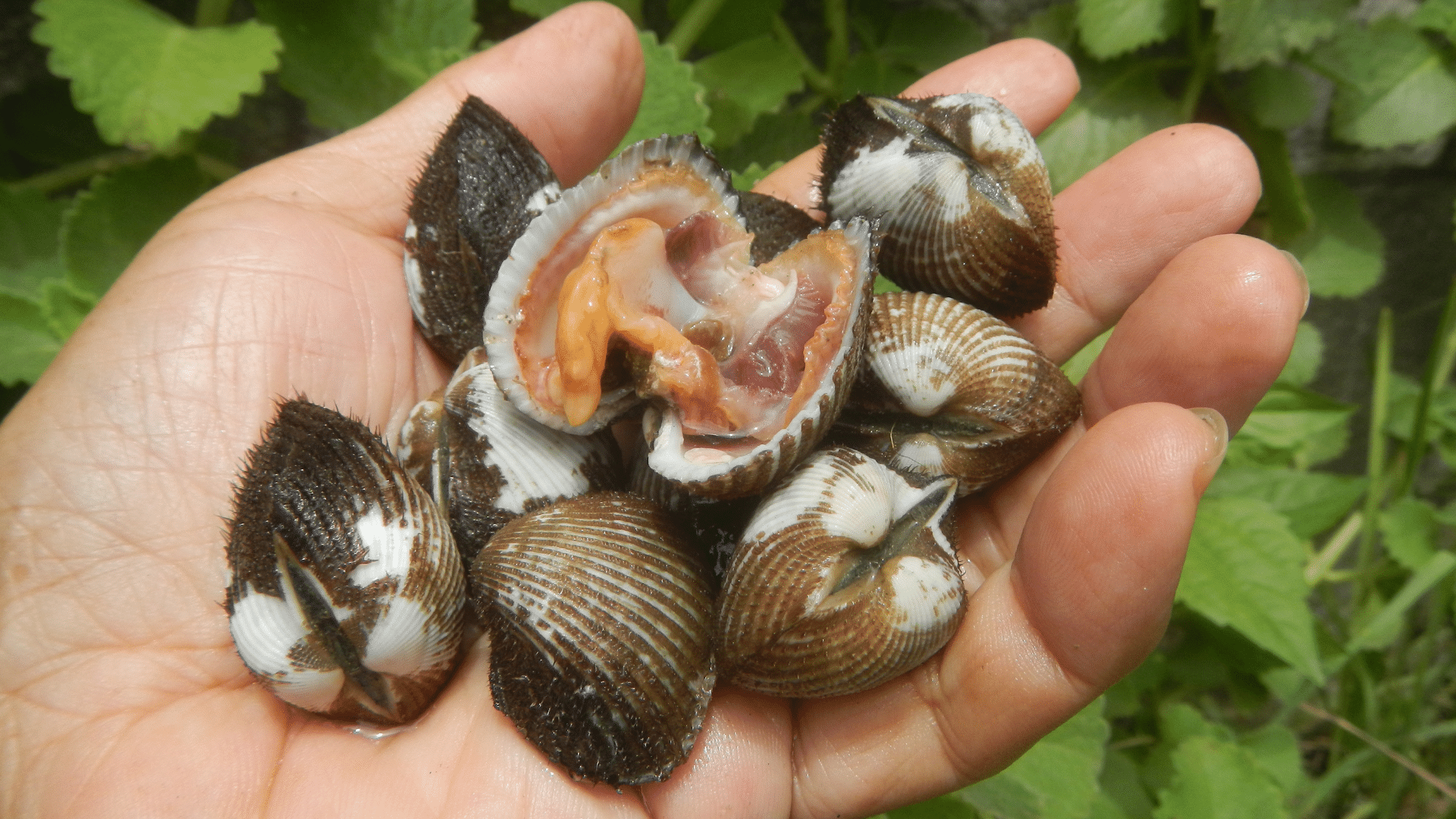
The blood clam is a notorious vector for infectious diseases due to its filter-feeding nature in low-oxygen environments. Inadequate heat treatment can leave viruses like Hepatitis A active. The Singapore Food Agency notes that these bivalves “readily accumulate bacteria” and viruses from contaminated water. Consumption is highly regulated in many regions to prevent large-scale outbreaks.
Red Kidney Beans
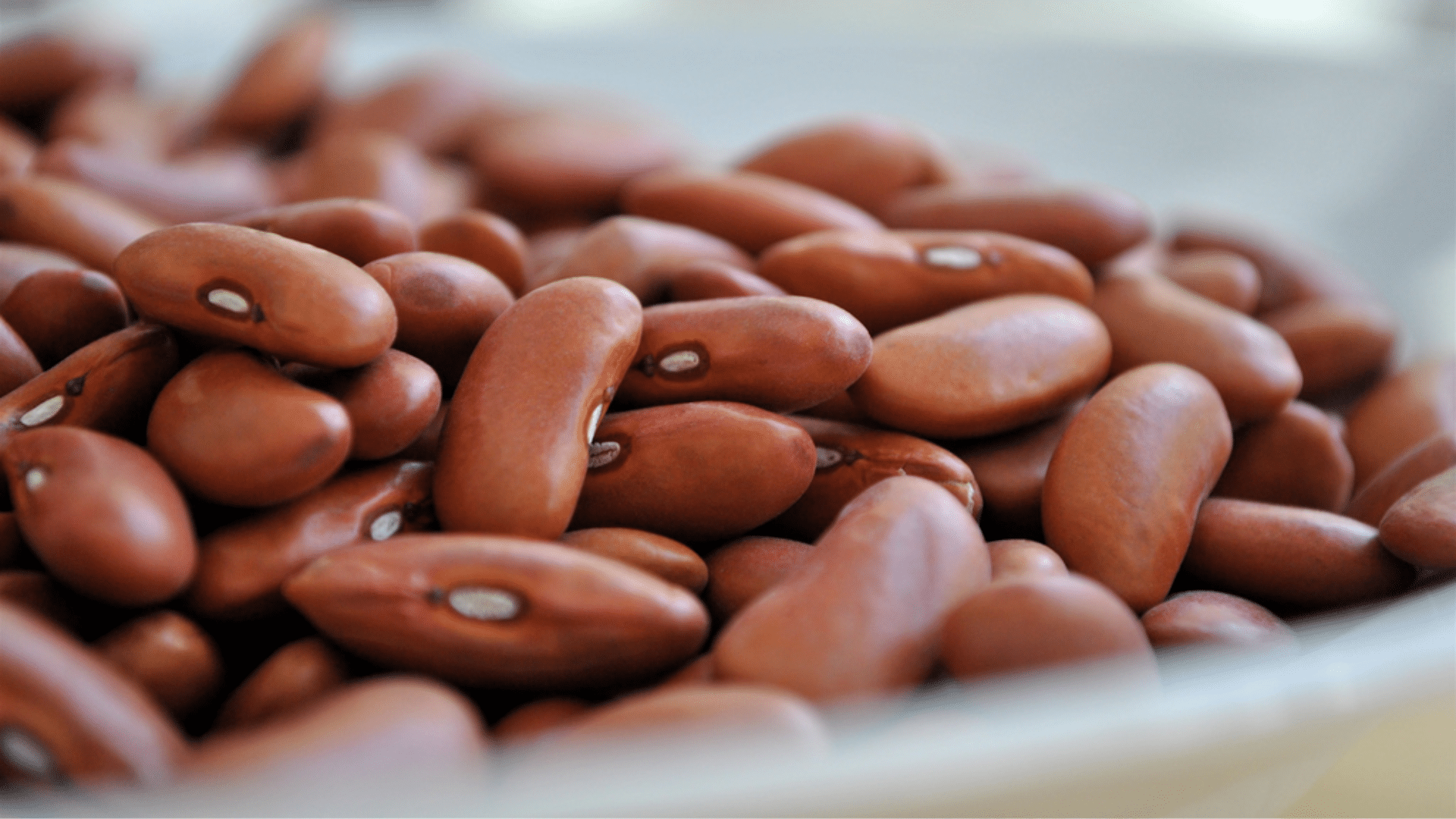
Raw red kidney beans contain a toxic protein called phytohaemagglutinin, which can cause violent gastrointestinal distress. Clinical data suggests that consuming as few as five raw beans is sufficient to trigger symptoms. The FDA mandates boiling the beans for at least 10 minutes to render them safe; notably, slow cookers often fail to reach the necessary temperature. Let’s head to the berry patch.
Elderberries
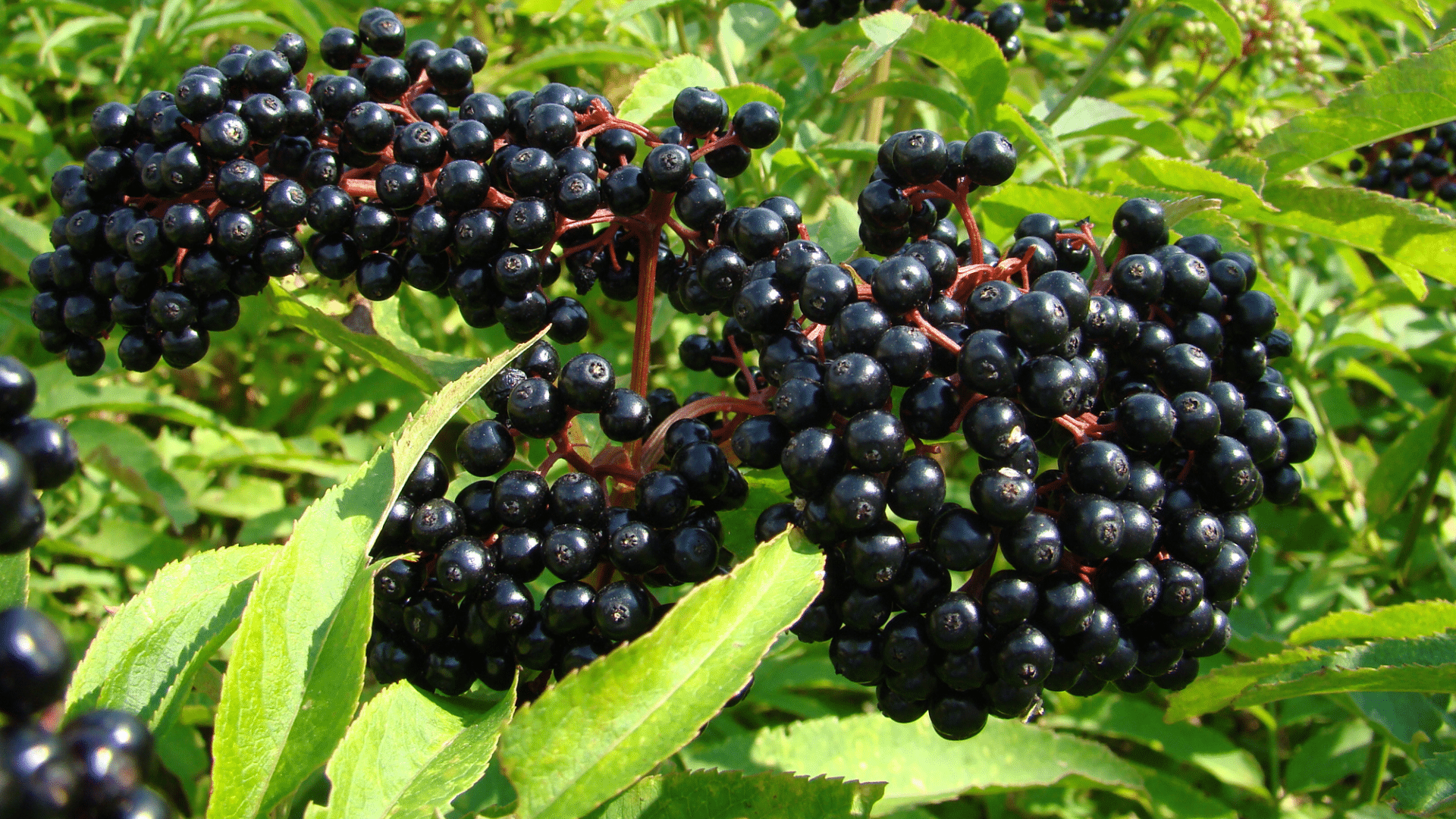
Elderberries are widely marketed for health benefits, yet the raw plant contains cyanogenic precursors. Ingesting raw berries or juice has historically led to mass hospitalizations. “You should always cook elderberries,” warns the Oregon State University Extension, noting that thermal processing is the only way to eliminate the risk of cyanide poisoning. Finally, a common mistake found in every kitchen pantry.
Raw Flour
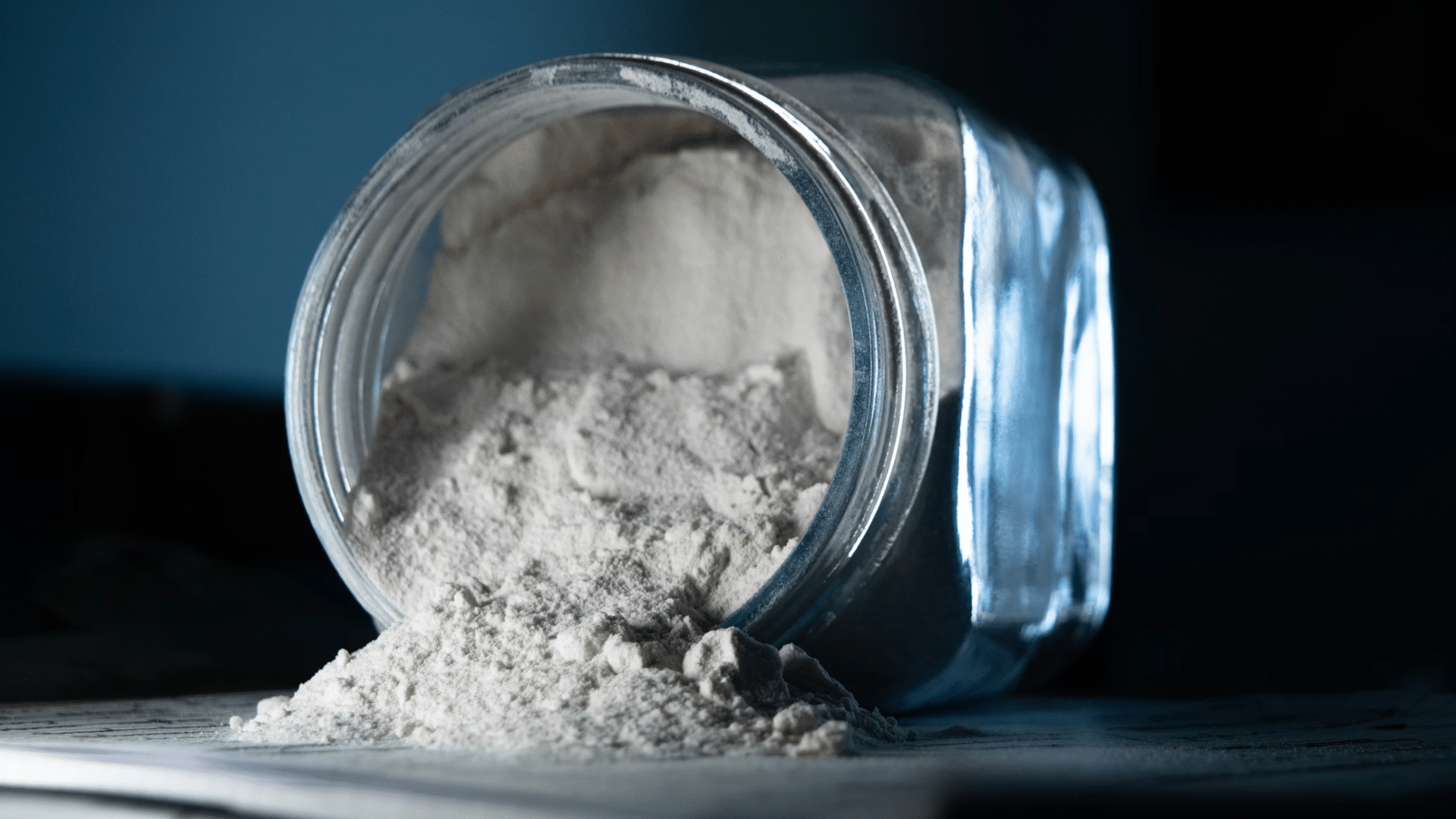
Public health officials emphasize that raw flour is a significant, often overlooked source of E. coli and Salmonella. Unlike processed foods, flour is an agricultural product that does not undergo a “kill step” before reaching consumers. The CDC clarifies that “flour is a raw agricultural product” that requires baking to be safe. Always ensure dough is fully cooked before consumption.