NHS States Eating These Foods More Than Once A Week May Weaken Your Bones Over Time
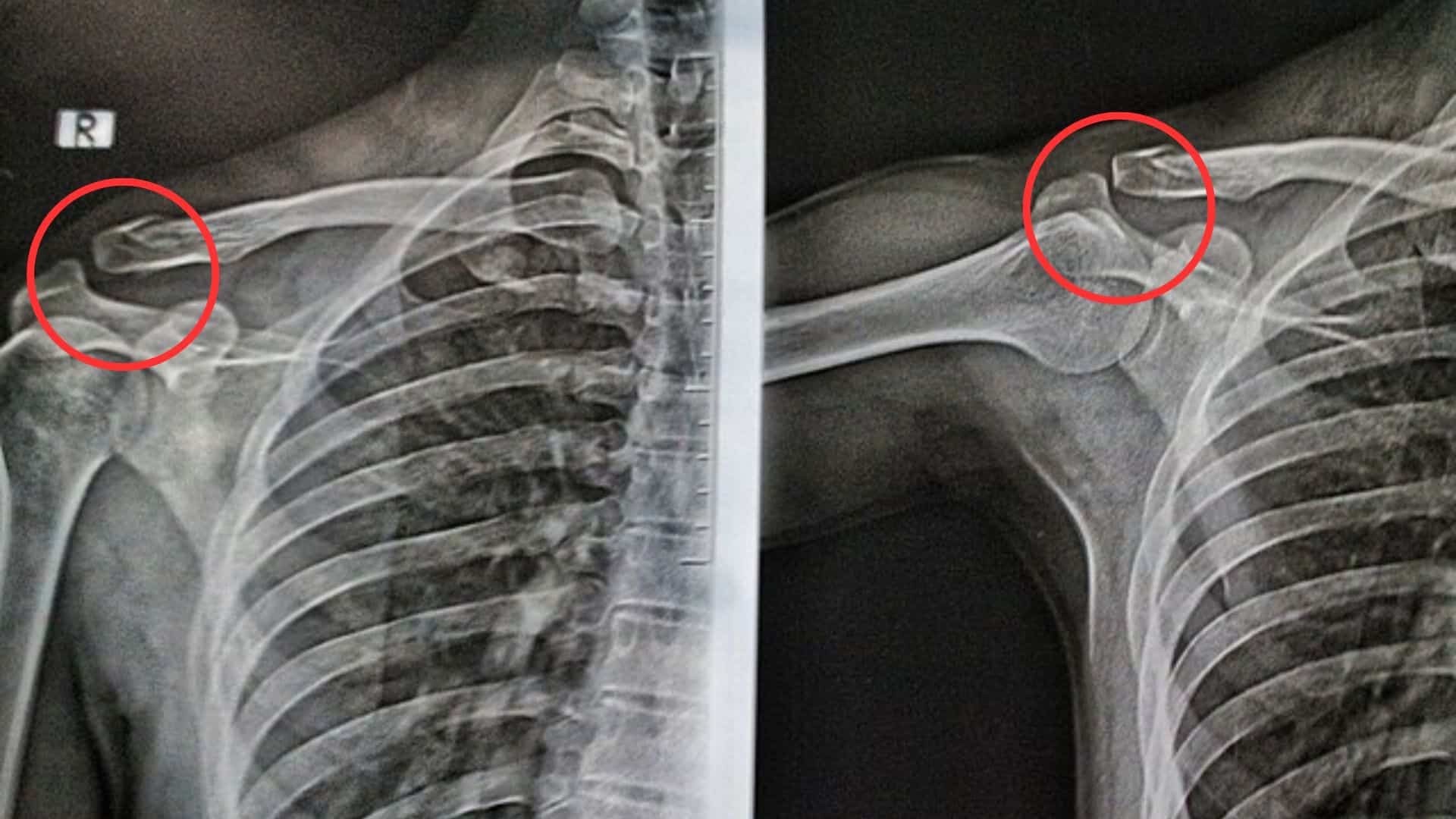

The National Health Service has issued surprising guidance about a food that many people consider highly nutritious and healthy. While this item is packed with essential vitamins and minerals, consuming it too frequently may actually harm your bone health over time. Research suggests that eating this particular food more than once per week could increase your risk of bone fractures later in life. The culprit is a specific vitamin that can accumulate in dangerous amounts, weakening your skeletal system when consumed regularly over many years.
Why This Nutrient Becomes Harmful

Liver and liver products contain exceptionally high levels of vitamin A (retinol), which is vital for immune function, vision, and skin health. However, research indicates that consuming more than an average of 1.5 mg (1,500 µg) of vitamin A daily over many years may compromise bone integrity, making them more susceptible to fractures in older age. The issue isn’t the vitamin itself but the excessive amounts found in liver products, which can quickly push you over safe limits.
How Often Should You Eat Liver and Pâté?

The Department of Health and Social Care advises against eating liver or liver products like pâté more than once a week. For pregnant women or those trying to conceive, liver should be avoided completely, as excessive vitamin A can harm unborn babies. If you regularly consume liver weekly, you should also avoid supplements containing vitamin A, including fish liver oil and certain multivitamins. This precaution helps prevent vitamin A from accumulating to potentially harmful levels.
Who’s Most at Risk from Excess Vitamin A?

Postmenopausal women and older men face a heightened risk from excessive vitamin A because they’re already more vulnerable to bone health issues. Women experience rapid bone loss for several years following menopause when estrogen production decreases. Individuals deficient in vitamin D may also be more susceptible to the harmful effects of too much vitamin A. If you fall into any of these categories, monitoring your vitamin A intake becomes especially important for maintaining bone strength.
The Recommended Daily Amounts of Vitamin A
Adults aged 19-64 who are not pregnant should aim for 700 µg daily for men and 600 µg daily for women. Consuming an average of 1.5mg daily or less from diet and supplements combined is unlikely to cause harm. For perspective, a single serving of liver can contain several times the recommended daily amount. People at risk of osteoporosis should limit retinol intake to no more than 1.5mg (1,500 micrograms) daily.
Other Common Sources of Vitamin A in Your Diet

Most people can meet their vitamin A needs through a varied, balanced diet without consuming liver. Common dietary sources include cheese, eggs, oily fish, and milk. Plant-based sources provide vitamin A as beta-carotene, which the body converts to active vitamin A as needed. Unlike retinol from animal sources, excess beta-carotene from vegetables and fruits doesn’t pose the same bone health risks because your body regulates its conversion, making colorful produce safer vitamin A sources.
The Science Behind Vitamin A and Bone Health
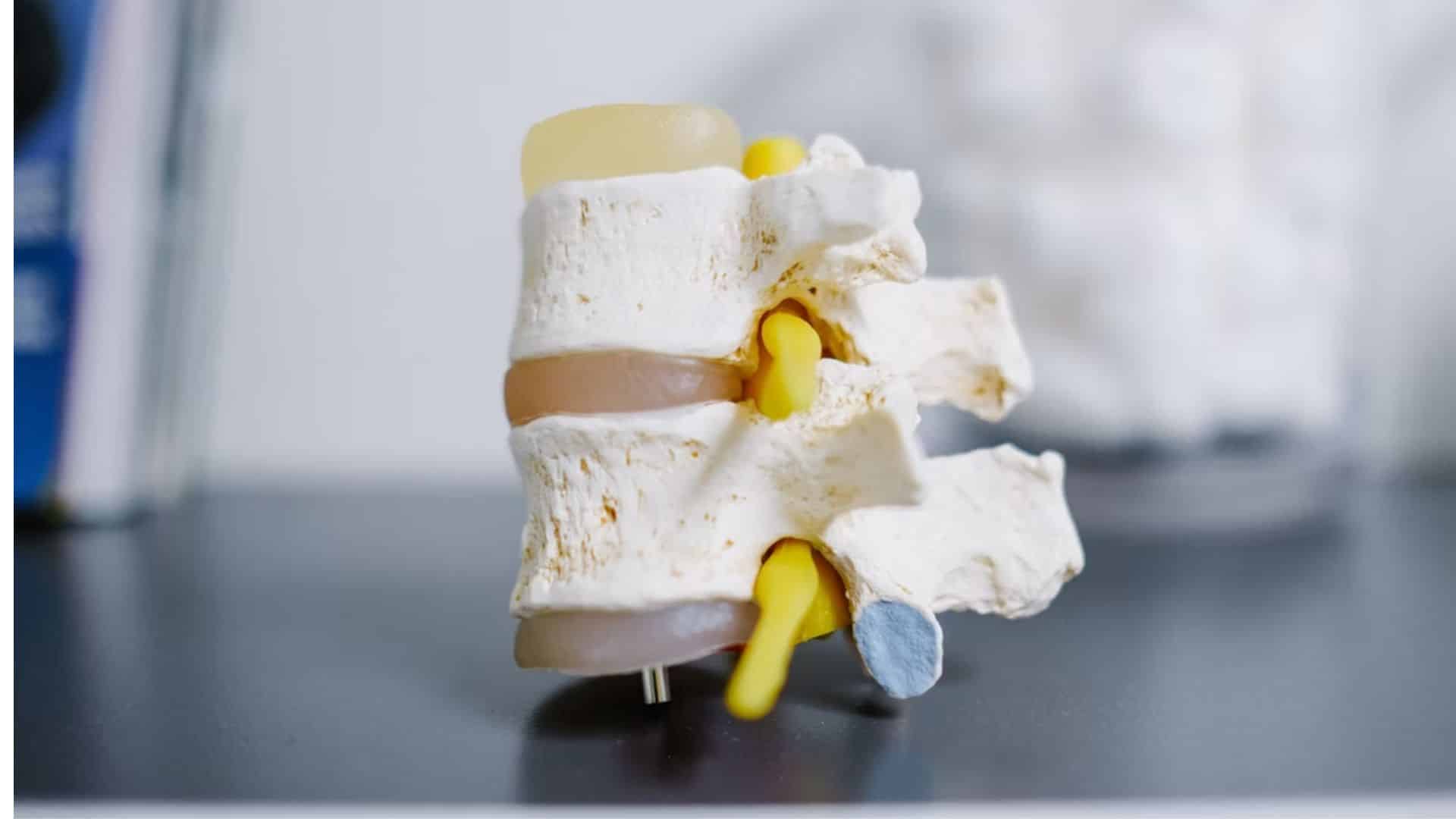
Research shows that vitamin A’s negative effects on the skeleton occur at higher concentrations, particularly affecting cortical bone. In humans, the relationship between vitamin A and poor bone health becomes more pronounced in individuals with obesity or vitamin D deficiency. Vitamin A influences bone formation by enhancing early bone cell differentiation while inhibiting bone mineralization through specific receptor signaling pathways. This interaction explains why excessive consumption gradually compromises bone strength.
What About Supplements and Fish Liver Oil?
Many people take supplements without realizing they contain vitamin A. If you take supplements containing vitamin A, ensure your daily intake from food and supplements doesn’t exceed 1.5 mg (1,500 µg). Common supplements high in vitamin A include multivitamins and fish liver oil. If you eat liver weekly, skip vitamin A supplements entirely to avoid exceeding safe limits. Always check supplement labels carefully, as vitamin A content varies significantly between products.
How Common Is Excessive Vitamin A Intake?
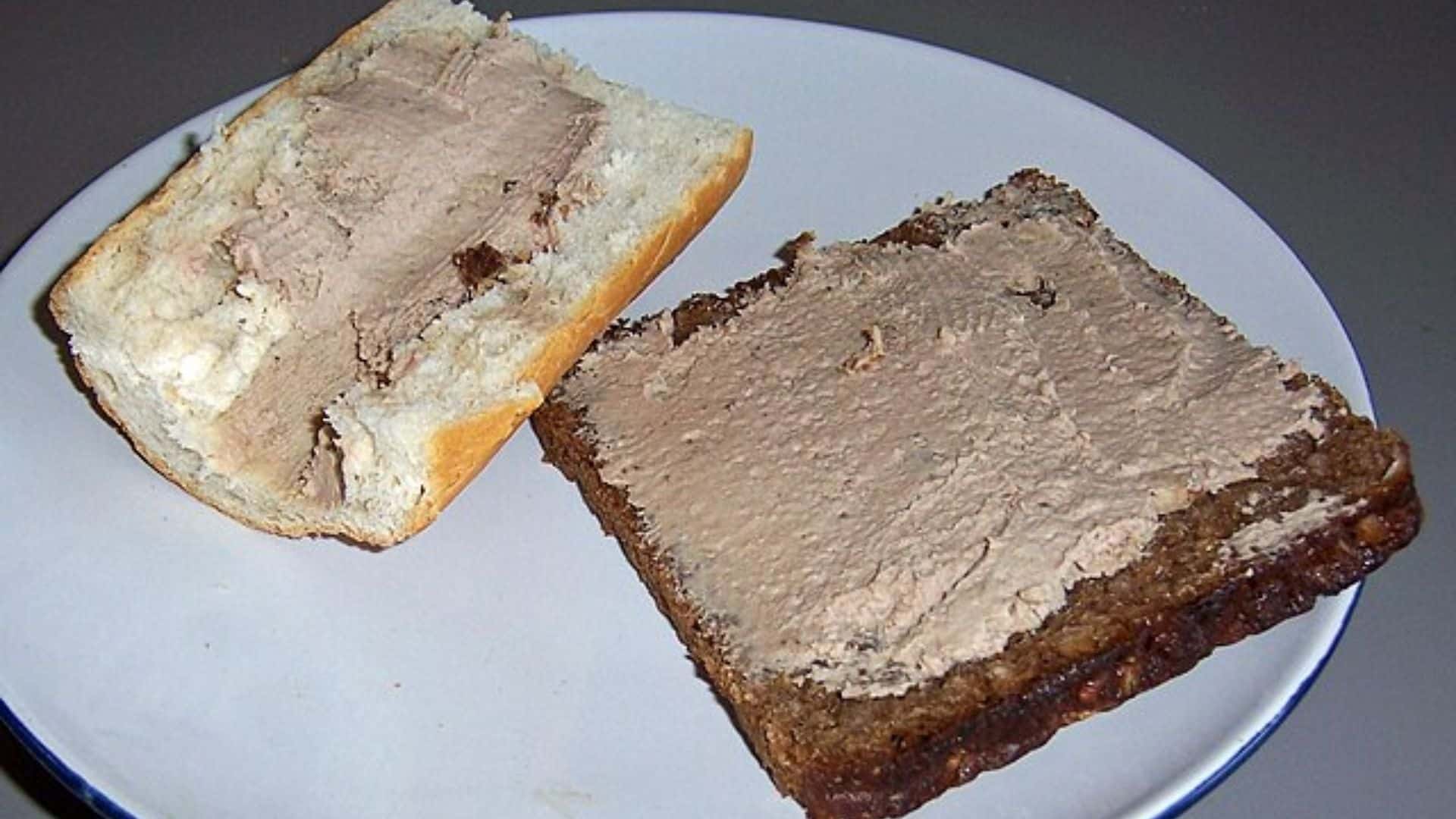
The good news is that most people aren’t consuming dangerous amounts of vitamin A. According to a Scientific Advisory Committee on Nutrition review, only 10% of women and 11% of men over 65 exceed the 1.5mg daily limit. This suggests that occasional liver consumption poses minimal risk for most healthy adults. The concern primarily involves regular, long-term consumption patterns sustained over many years. An occasional indulgence, such as during holiday celebrations, is unlikely to cause harm.
Finding the Right Balance for Bone Health

You should be able to obtain all the necessary vitamin A through a varied, balanced diet. While liver offers impressive nutritional benefits, moderation remains key. Limiting liver and liver pâté to once weekly or less frequently if you’re in a higher-risk group—helps protect your bones without sacrificing nutritional advantages. Pay attention to vitamin A in supplements, particularly if you regularly eat liver. By making informed choices about vitamin A intake, you can support both immediate health needs and long-term bone strength.