Frito-Lay Raised Doritos to $7 a Bag to Boost Profits and Lost $50 Billion Instead
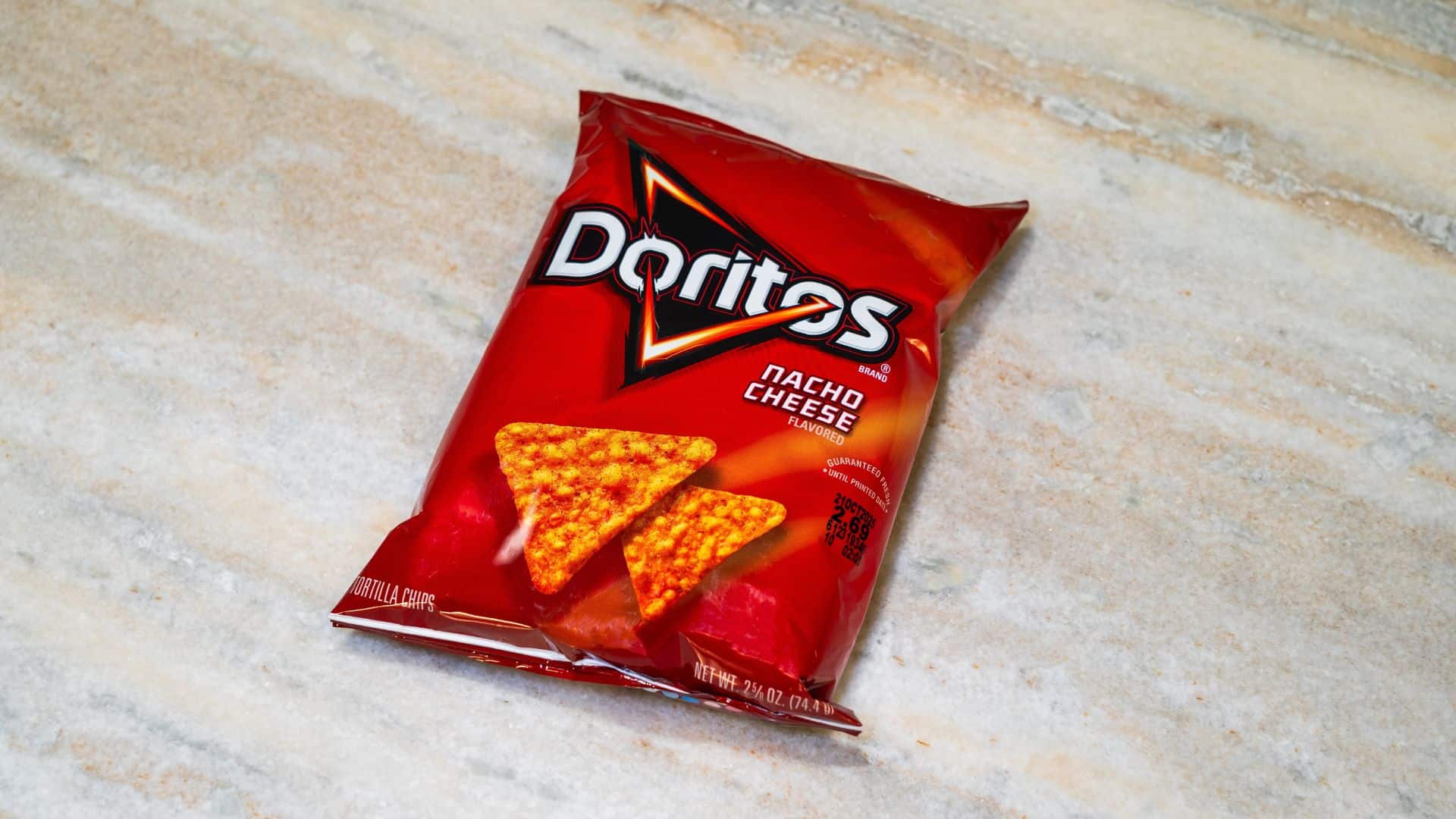

For years, Frito-Lay kept hiking chip prices, counting on brand loyalty to absorb the increases. Shoppers eventually said no. By late 2025, PepsiCo’s market value had dropped more than $50 billion from its 2023 peak, with the snack division squarely at the center of the collapse. The company that built its identity on affordable snacking was now scrambling to win back the customers it had priced out.
Doritos Prices Climbed Nearly 50% in Four Years
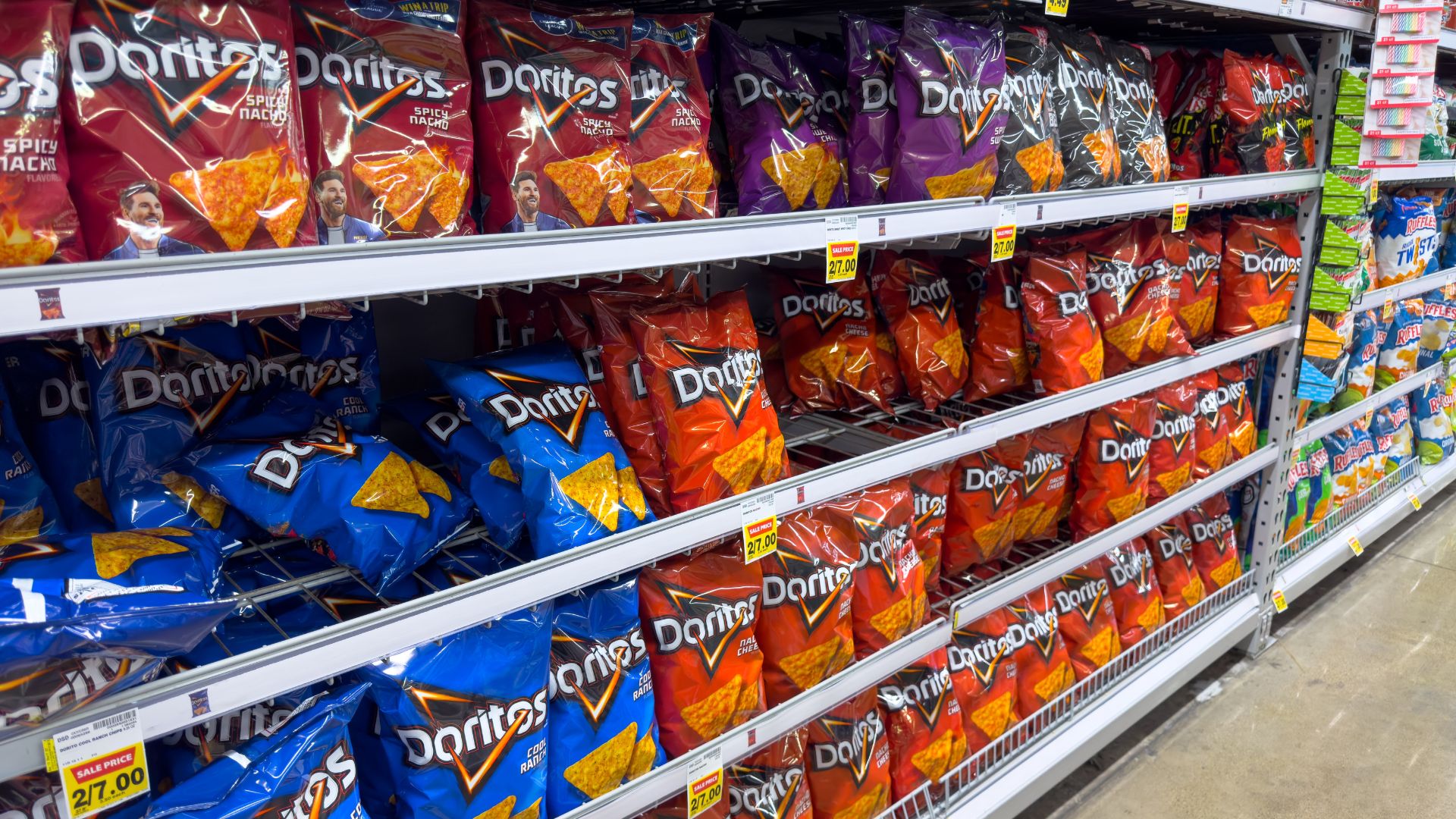
Over four years, the median price of a 14.5-ounce bag of Doritos at Walmart rose nearly 50%, from around $3.98 to $5.94, according to Attain, which tracks consumer spending data. Some chip prices climbed past $7 a bag. The increases were steep enough that Walmart, Frito-Lay’s largest retail partner, spent more than a year pushing the company to reverse course, according to Bloomberg.
Frito-Lay Dominates U.S. Snacks, and That Pricing Power Became Its Blind Spot
Frito-Lay was long considered PepsiCo’s most valuable unit, generating roughly 27% of the company’s total revenue in 2024. It controls nearly 60% of the U.S. salty snacks market, according to RBC Capital Markets, a position that gave it unusual pricing power. Unlike PepsiCo’s beverage brands, which compete directly with Coca-Cola, the snack division operated largely without a major rival capable of checking its prices.
Pandemic-Era Profits Encouraged the Company to Keep Pushing Prices Higher
During the pandemic, Frito-Lay raised prices to offset supply chain and labor costs. The increases worked, at first. Net revenue jumped 13% between 2020 and 2021 and another 9% the following year, according to SEC filings, far outpacing the company’s longstanding target of 5% annual growth, known internally as “Frito-Lay Five Forever.” By the third quarter of 2022, net pricing was up 20% from a year earlier. Bonuses were flowing internally, according to Bloomberg.
Frito-Lay Posted Its First Revenue Decline in Over a Decade as Shoppers Pulled Back
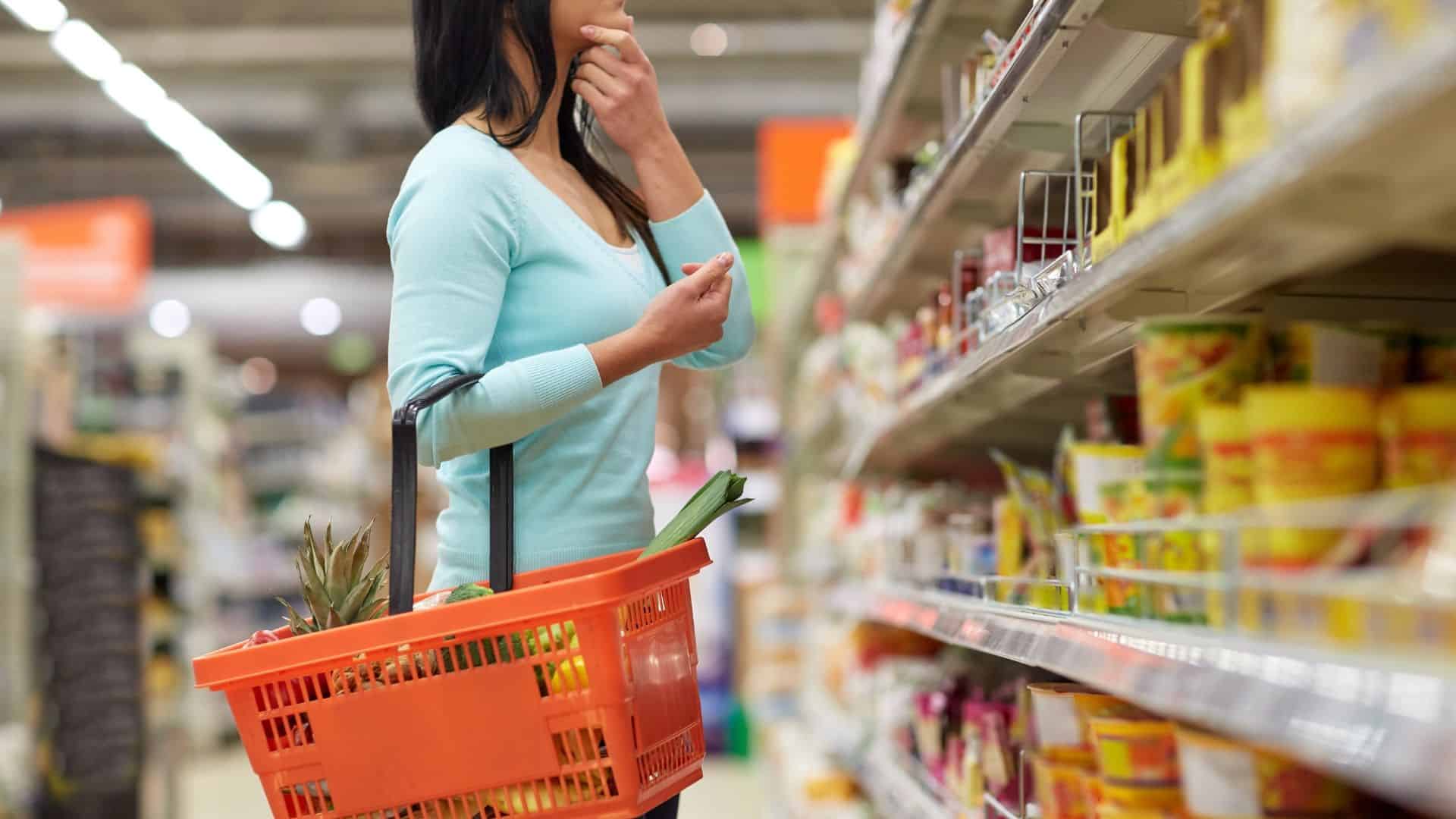
As prices climbed into the mid-2020s, shoppers began pulling back. When sales started slipping in 2023, some employees raised concerns internally that prices had gone too high. Revenue at Frito-Lay turned negative in 2024, the first decline in more than 13 years, according to Bloomberg.
Walmart Cut Shelf Space as Frito-Lay Held Firm on Prices
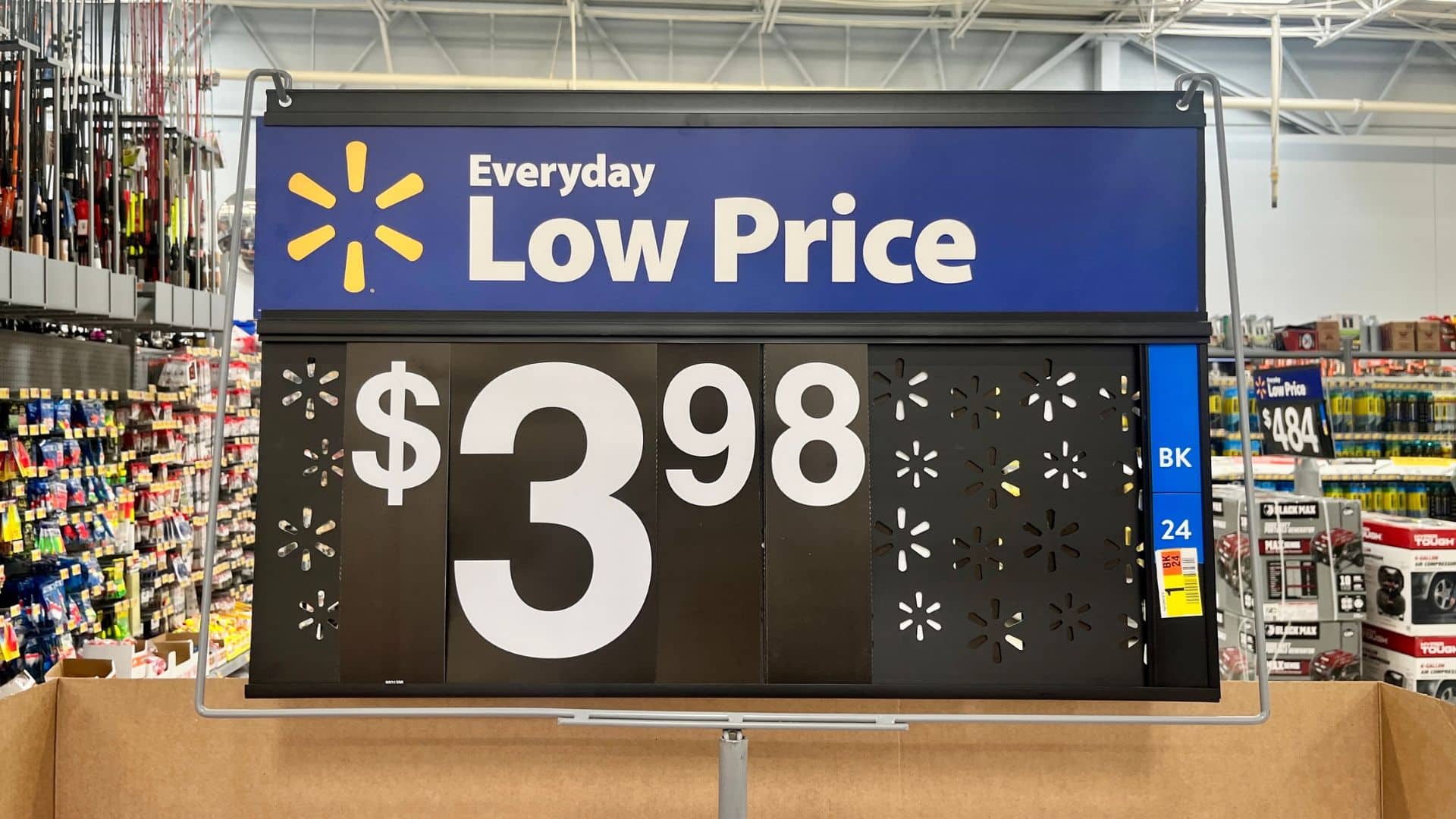
When prices stayed high, Walmart pulled back on shelf space for Frito-Lay products and gave more room to its own store brands and rival snack makers, including Takis, according to Bloomberg. Rather than cutting prices, the company tried alternatives: smaller multi-packs, snacks without artificial colors, and higher-protein options. The sales decline continued.
A $4 Billion Activist Stake Accelerated the Pricing Reckoning
With PepsiCo’s stock declining and sales still falling, activist investor Elliott Investment Management acquired a $4 billion stake in the company in September 2025 and pushed for lower prices. The move helped accelerate a decision that had been stalled internally for at least a year. By December, PepsiCo announced it would reduce prices on some salty snacks by up to 15%.
PepsiCo Began Cutting Prices in Early 2026, but Whether It’s Enough Remains to Be Seen
PepsiCo began rolling out price reductions in early 2026, targeting larger bag sizes of popular brands, including Doritos and Cheetos. CEO Ramon Laguarta described the approach as “very surgical,” telling investors the company would know by summer whether the cuts were sufficient. Shelf space at major retailers, including Walmart, Costco, and Target, increased by double digits on average after the company agreed to lower prices, Laguarta said.
Lower Prices Are Rolling Out, but New Cost Pressures Could Slow the Recovery
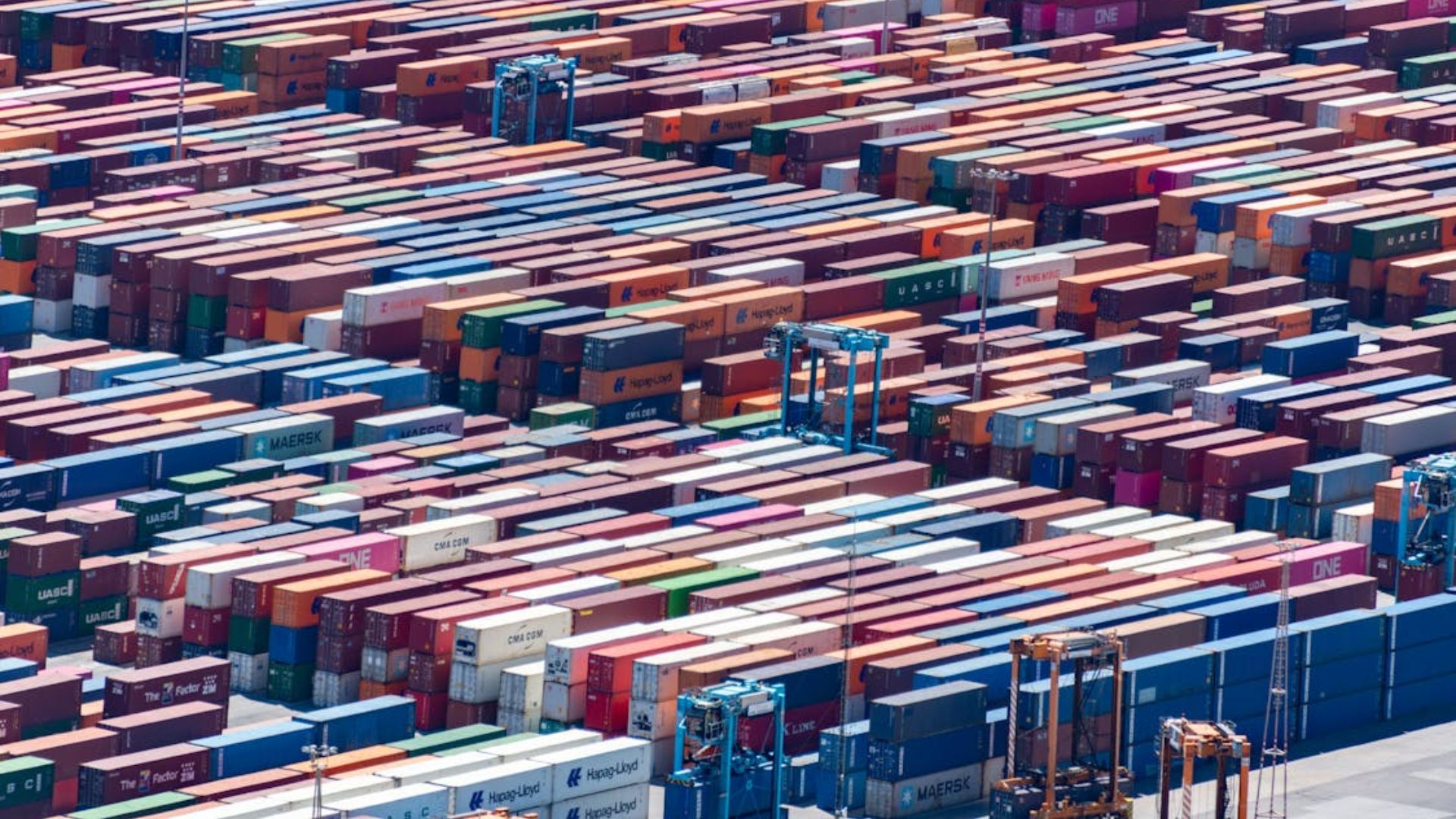
Even with lower prices now arriving in stores, new cost pressures have emerged. The war in Iran has pushed oil prices higher and strained global supply chains, which could raise the cost of corn, a key ingredient in Doritos and Fritos. Packaging costs may also rise. RBC Capital Markets analyst Nik Modi told Bloomberg that before the conflict, the cuts were “probably enough” to bring customers back, adding: “But now what?” As of March, store owners in some markets told Bloomberg they had not yet seen a sales rebound.
Analysts Say PepsiCo Waited Too Long, and the Full Cost Is Still Being Counted
Food industry analyst Nicholas Fereday told Bloomberg the company should have moved earlier, pointing out that PepsiCo, like much of the packaged food industry, misjudged how much price tolerance everyday consumers actually had. Rachel Ferdinando, head of PepsiCo’s U.S. Foods division, acknowledged the shift at a March conference: “Affordability has never mattered more.” Whether the price cuts are enough to fully close the gap, with $50 billion in market value still erased, remains an open question.

