From Fast to Flavorful: The Quiet Power of Slow Food
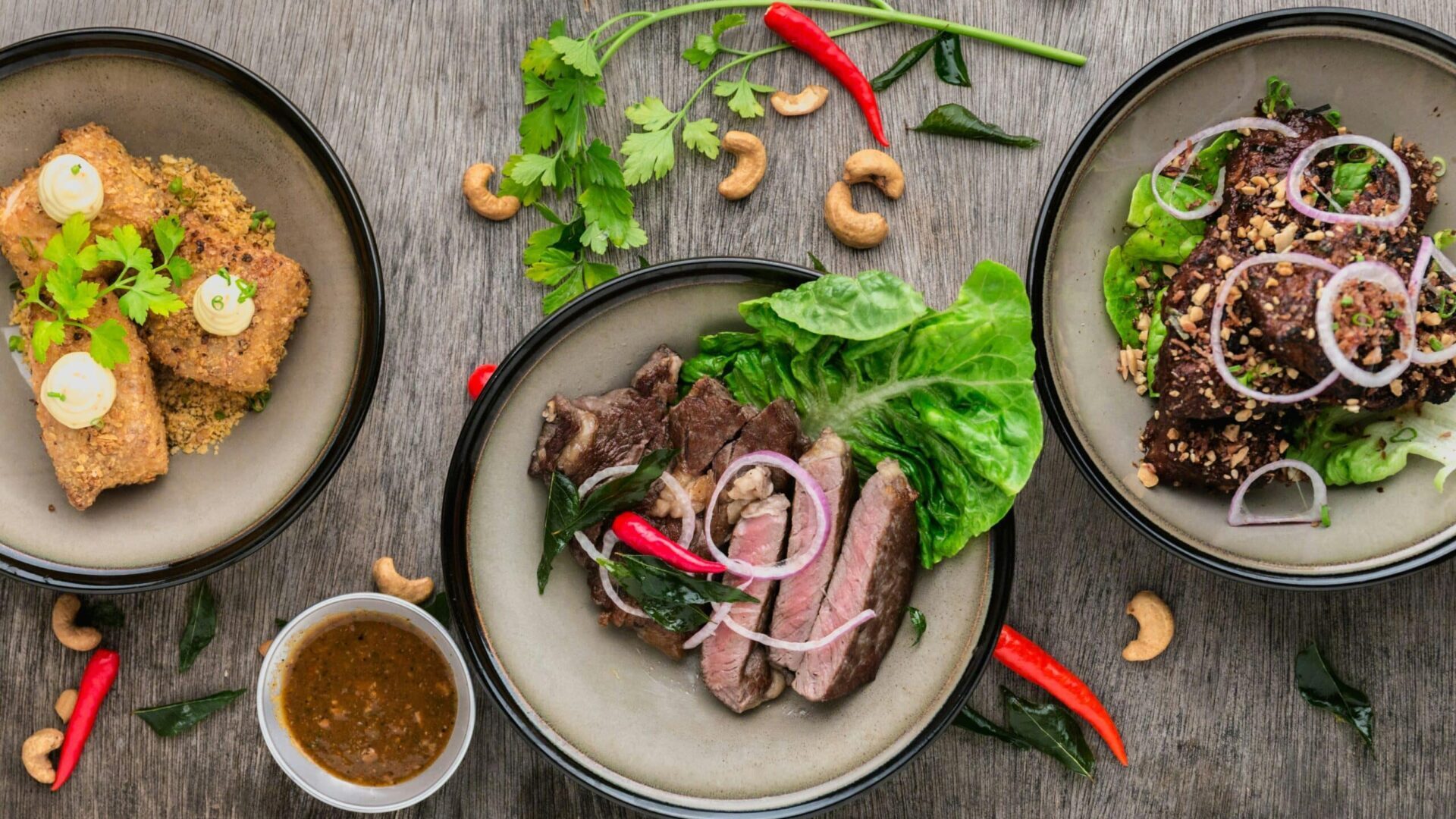

The Slow Food movement is quietly transforming the way we eat and think about food. From humble beginnings as a protest against fast food, it has grown into a global campaign celebrating traditional recipes, sustainable farming, and mindful eating.
Chefs, schools, and communities are embracing its principles, proving that slowing down at the table can have a big impact on taste, health, and culture.
By focusing on quality over convenience, Slow Food encourages people to reconnect with food traditions and the stories behind every meal.
How It All Began
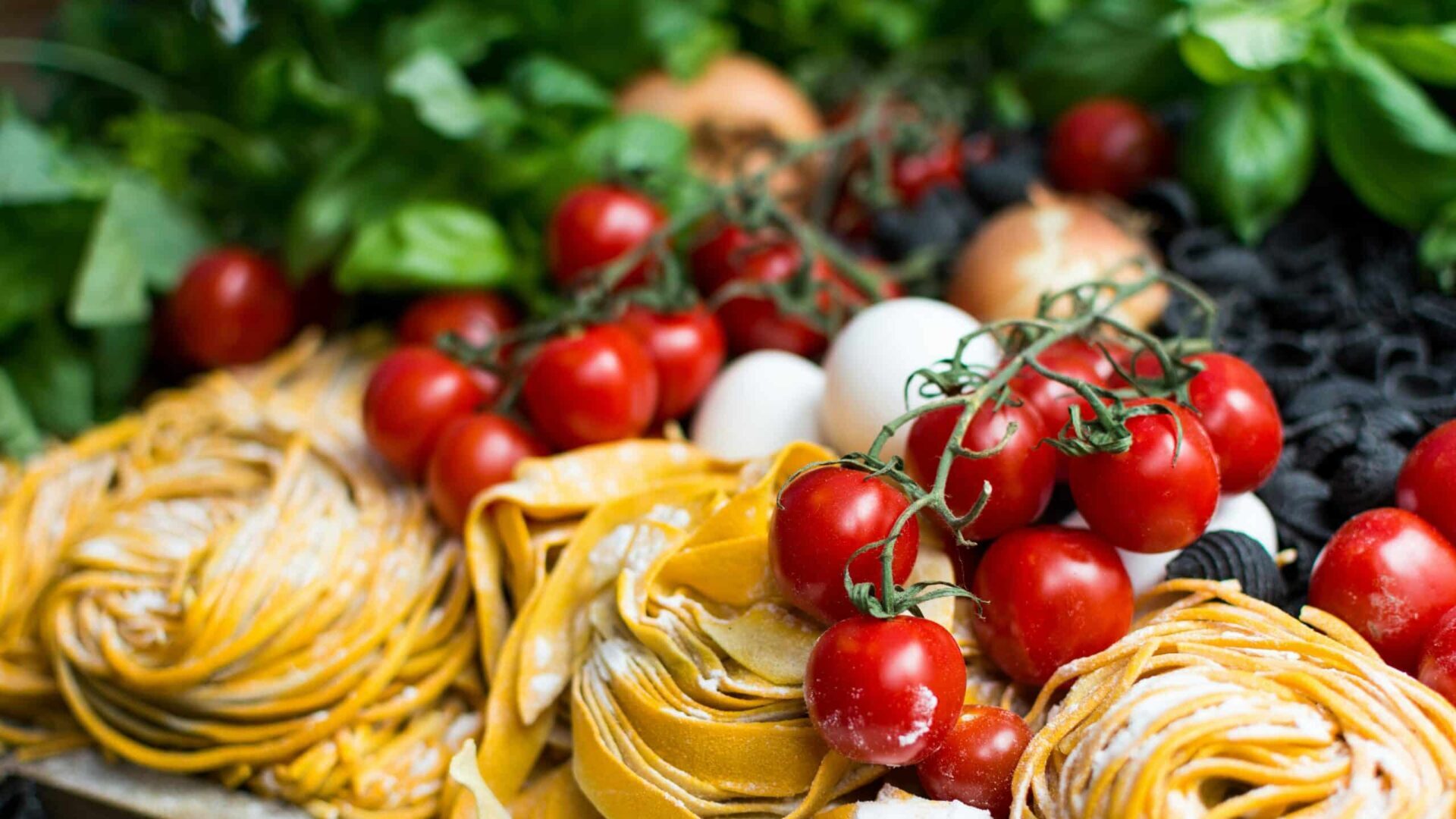
In 1986, Carlo Petrini started Slow Food in Italy to challenge the rise of fast-food chains. The goal was simple: protect local food traditions and encourage better production practices.
What began as a small Italian protest quickly gained international attention, uniting people passionate about quality food and cultural preservation.
Today, the movement spans the globe, connecting communities through shared values centered on mindful eating and sustainability.
Good, Clean, and Fair
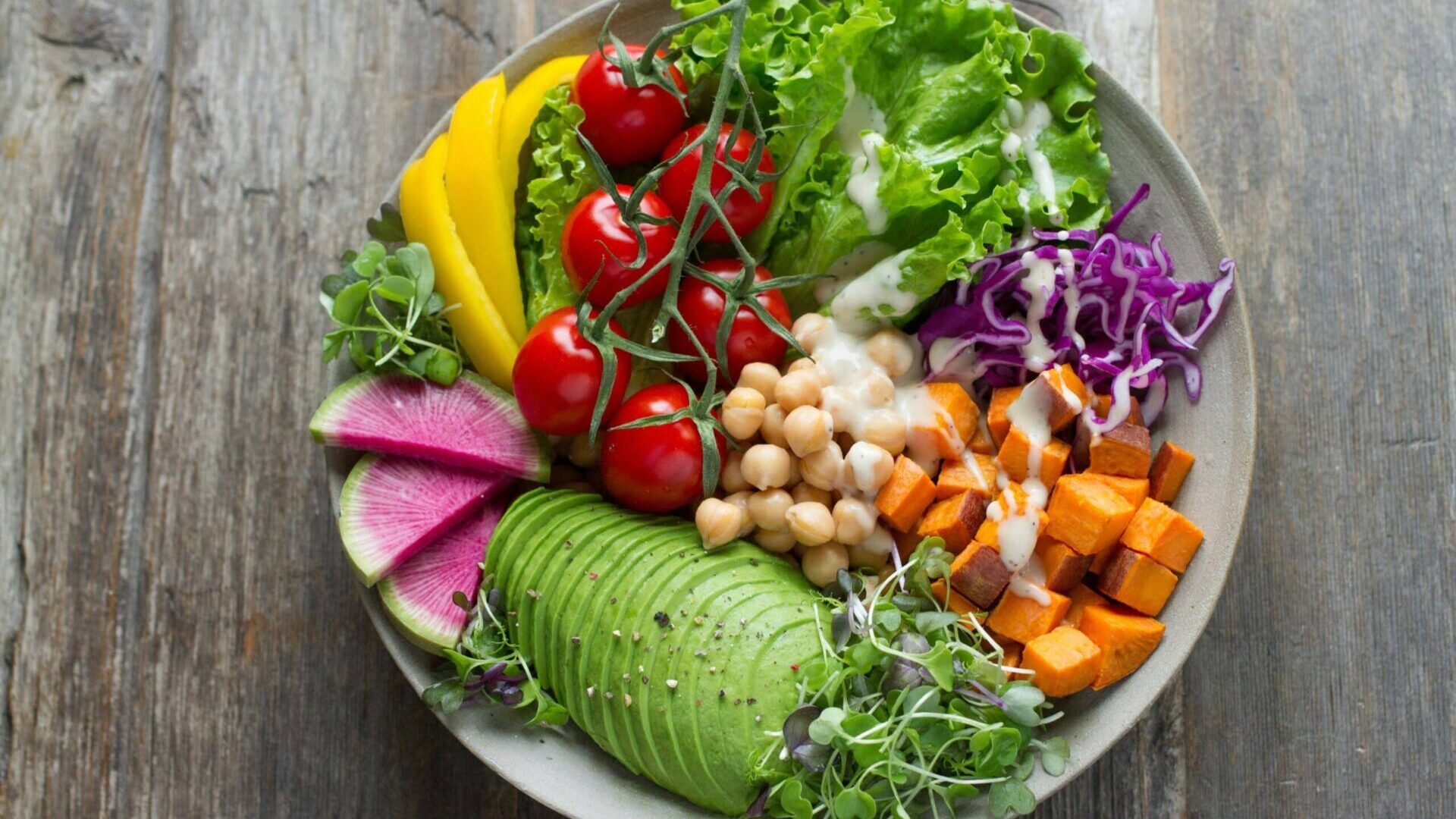
Slow Food is guided by three core principles: good, clean, and fair. “Good” emphasizes flavor and nutrition, ensuring meals are enjoyable and nourishing.
“Clean” promotes environmentally responsible farming and production methods that protect ecosystems and biodiversity.
“Fair” supports ethical treatment of producers, encouraging fair wages and respect for the people behind the food we eat.
A Movement That Continues to Grow
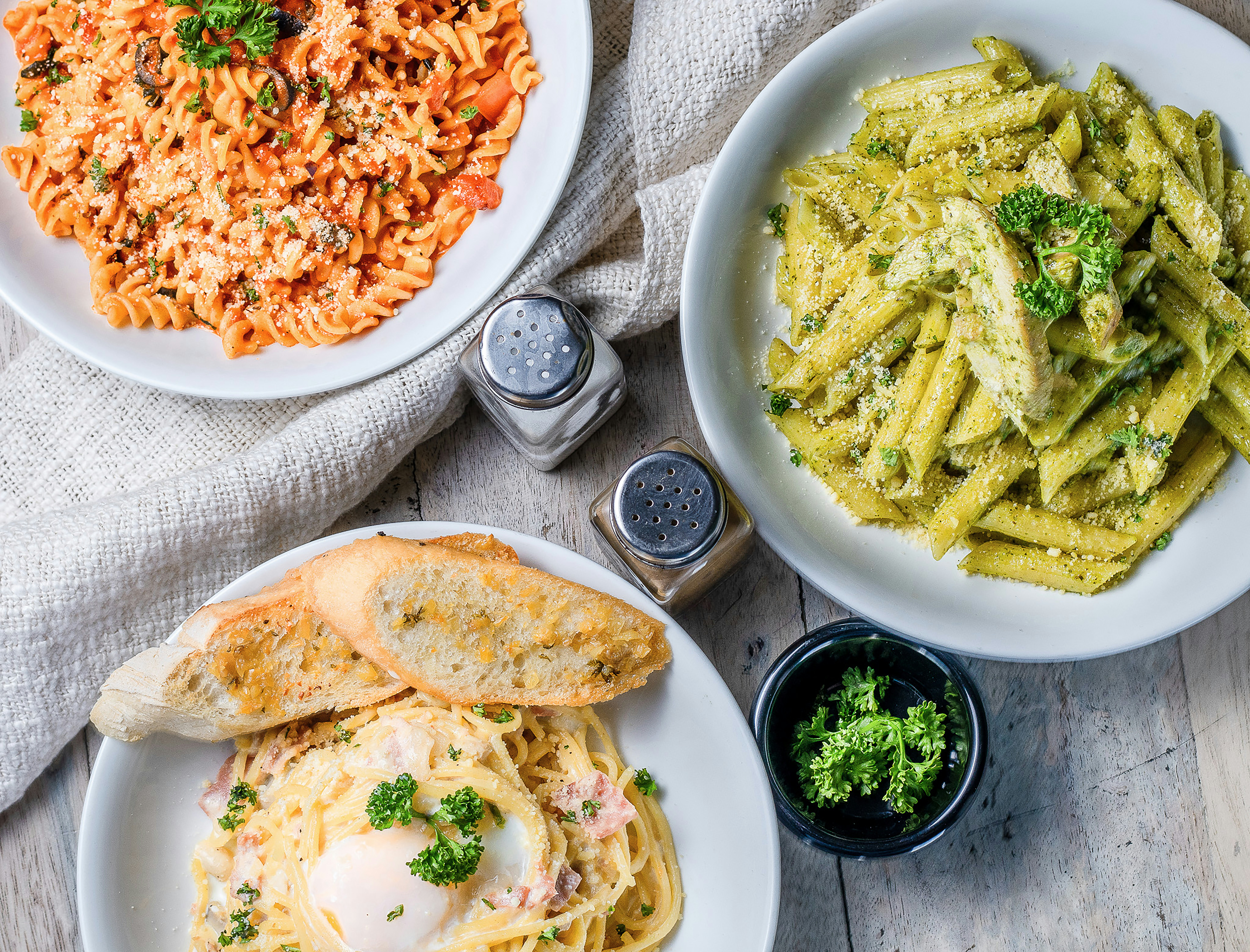
Slow Food has grown from a small Italian initiative into a worldwide movement shaping food culture, education, and policy.
Chefs, educators, and advocates continue to spread its message through restaurants, schools, and communities.
While challenges remain, the movement’s impact is undeniable. By slowing down at the table, people are discovering that thoughtful, quality food can transform how we eat, live, and connect with the world around us.