Fruits That Naturally Help You Sleep Better


Getting better sleep doesn’t always require supplements or strict nighttime routines. Sometimes, small food choices can support your body’s natural sleep signals. Certain fruits contain compounds that help regulate sleep cycles, relax muscles, and reduce stress.
If you’ve been having trouble falling or staying asleep, adding one or two of these sleep-friendly fruits to your evening routine could be an easy place to start.
Tart Cherries Lead the List
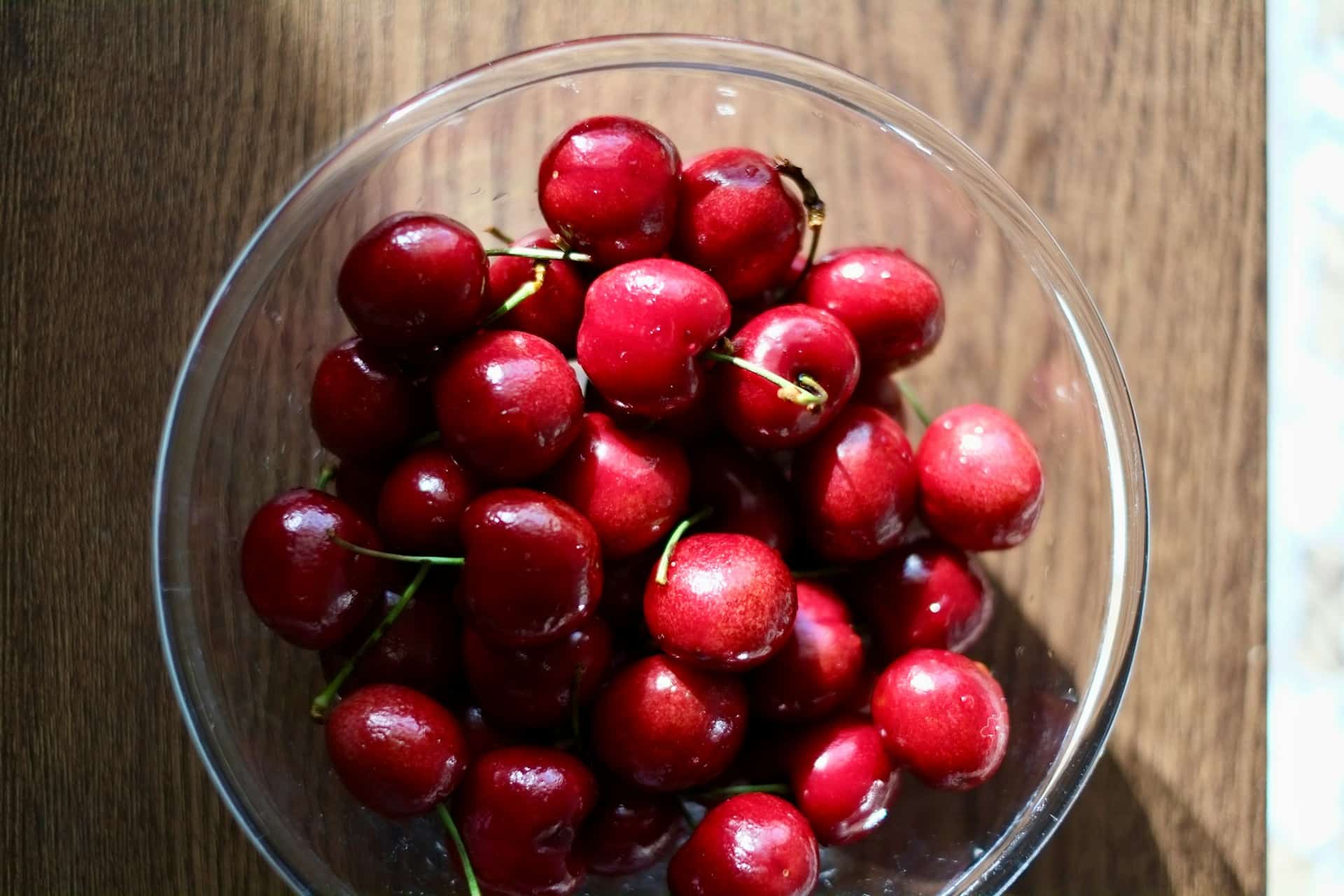
Tart cherries have earned their reputation as a sleep-friendly fruit for a reason. They naturally contain melatonin, the hormone that signals your body it’s time to wind down. Studies link tart cherry juice to longer sleep duration and fewer nighttime awakenings, making it a frequent focus in sleep research.
Kiwis Support Sleep Cycles
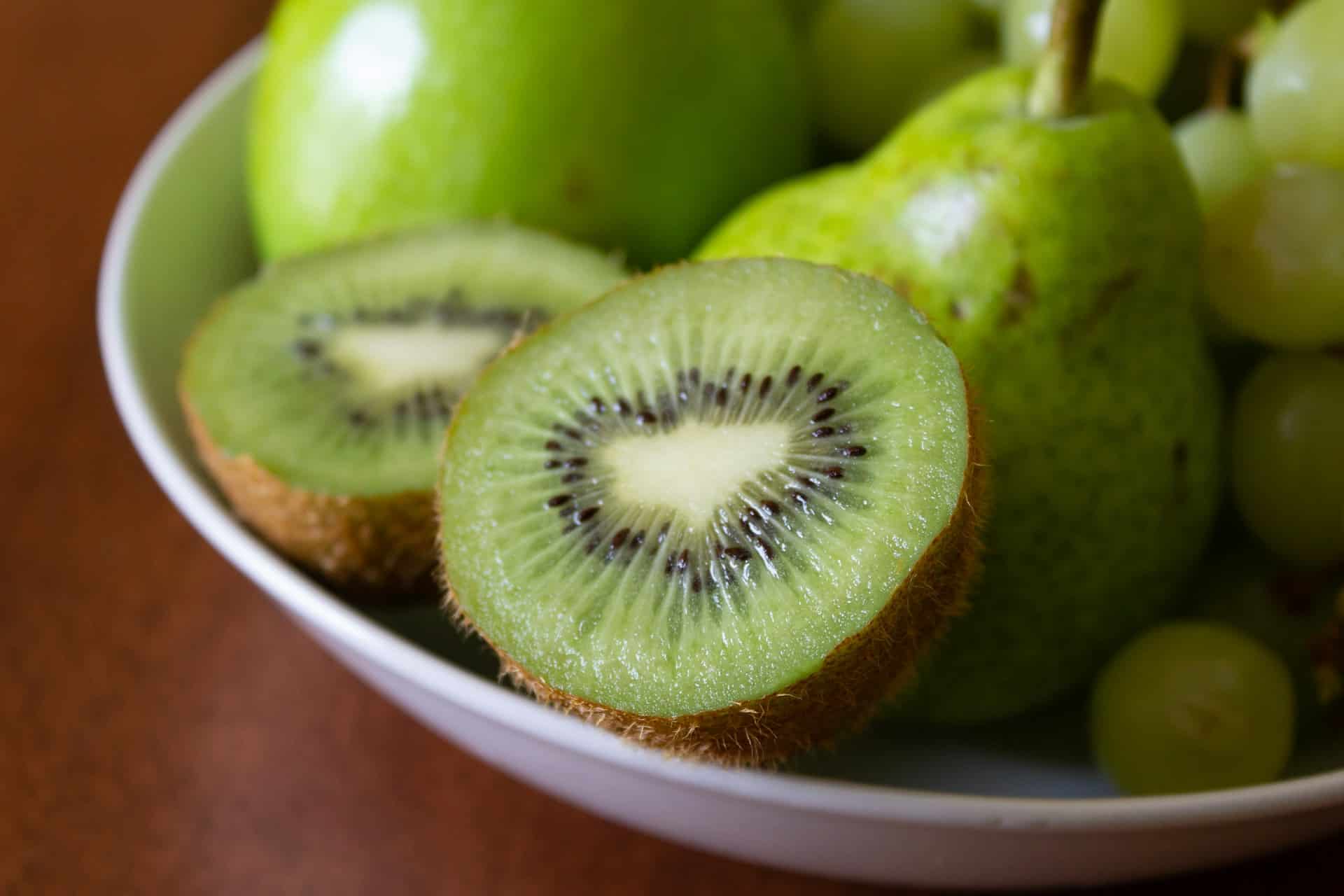
Kiwis may look unassuming, but they punch above their weight when it comes to sleep support. They’re rich in serotonin, a neurotransmitter involved in regulating sleep cycles and mood. Researchers have found that eating kiwi before bed may help people fall asleep faster and sleep more soundly.
Bananas Help the Body Relax
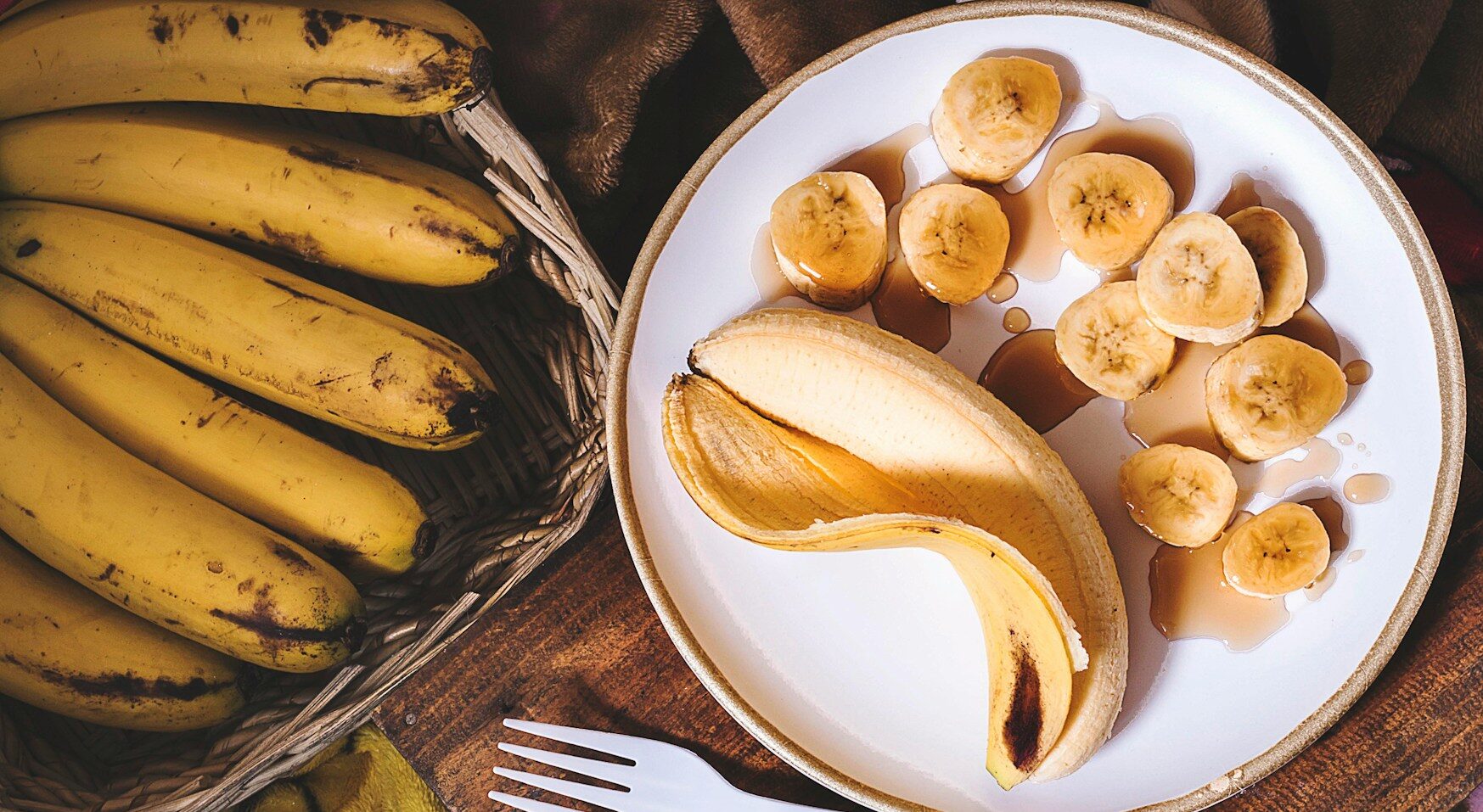
Bananas are often associated with energy, but they also play a role in relaxation. Their potassium and magnesium content helps ease muscle tension, while tryptophan supports the production of sleep-related hormones. Together, these nutrients help the body shift out of alert mode.
Pineapple Aids Natural Rhythm
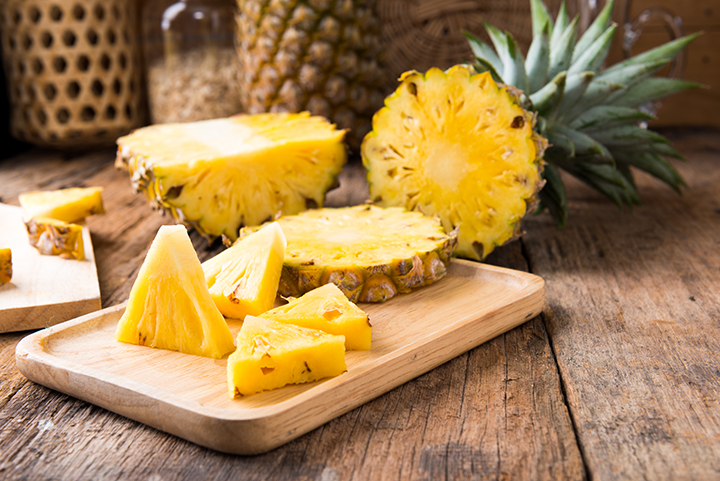
Pineapple contributes to sleep in a quieter way. It contains small amounts of melatonin and tryptophan, both linked to the sleep-wake cycle. Its digestive enzymes may also reduce nighttime discomfort, which can make falling asleep easier.
Grapes Offer Gentle Support
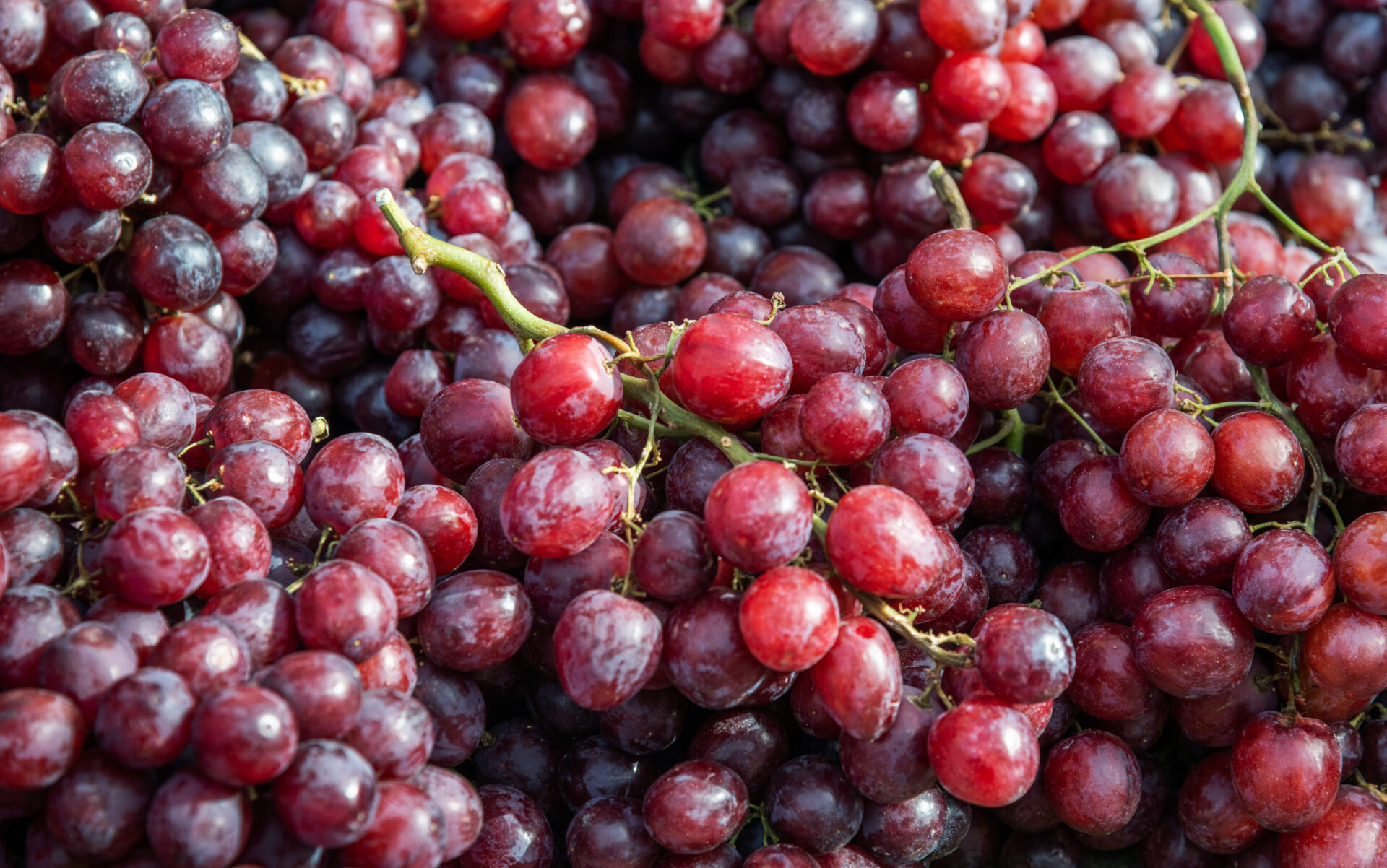
Grapes naturally contain melatonin, particularly in their skins. They also deliver antioxidants that help reduce stress-related inflammation. As a light evening snack, grapes support sleep without feeling heavy or disruptive.
Avocado Encourages Muscle Ease
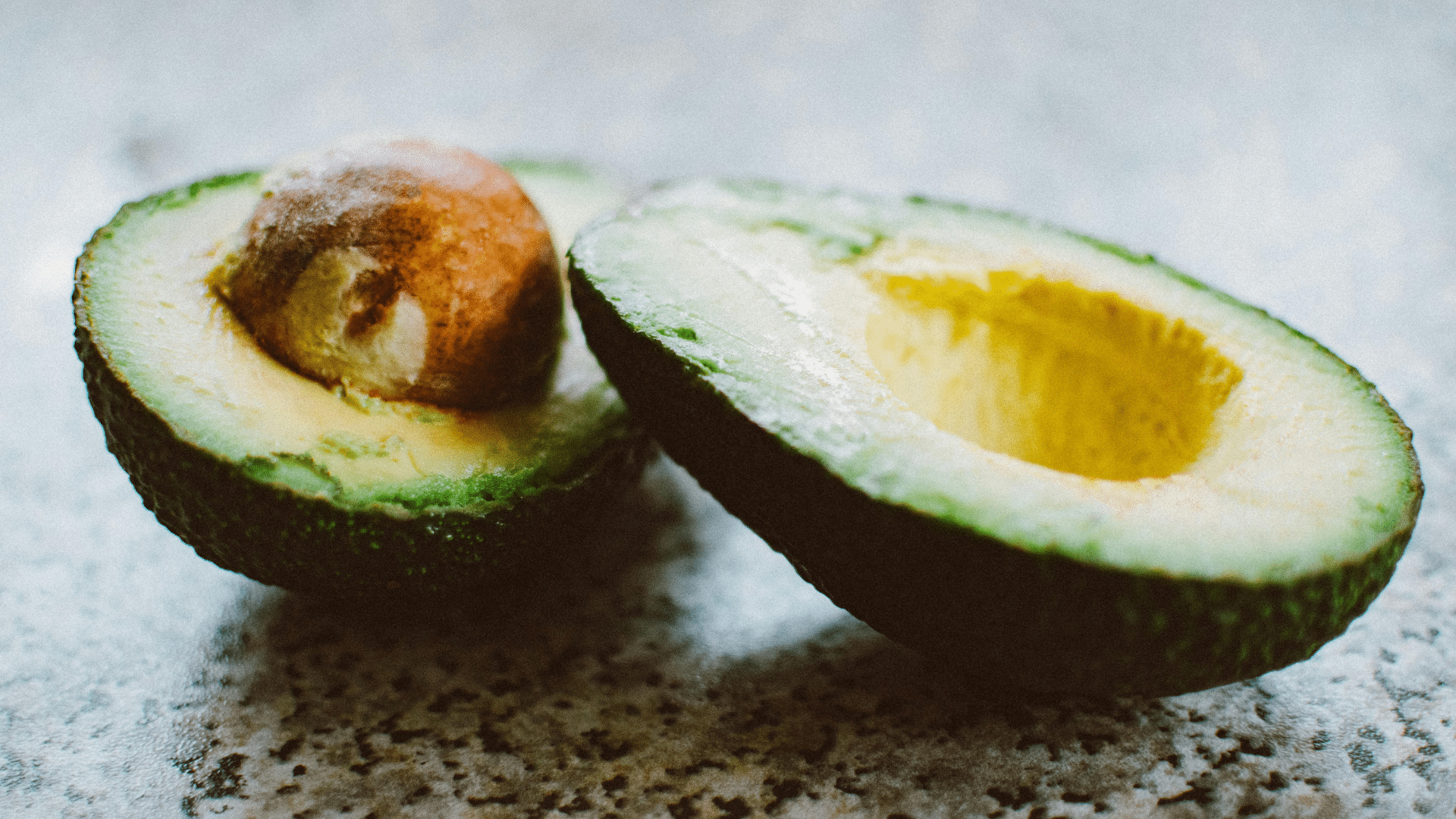
Avocado’s role in sleep comes from its magnesium content, a mineral tied to muscle relaxation and nervous system balance. It also provides healthy fats that help stabilize blood sugar overnight. That stability can reduce sleep disruptions caused by nighttime energy dips.
Oranges and Strawberries Contribute Subtly

Citrus fruits and strawberries aren’t strong sleep triggers on their own, but they still play a supporting role. They contain small amounts of melatonin and vitamin C, which helps regulate stress hormones. Their high water content can also help prevent dehydration-related wakeups.
Timing Matters More Than Quantity
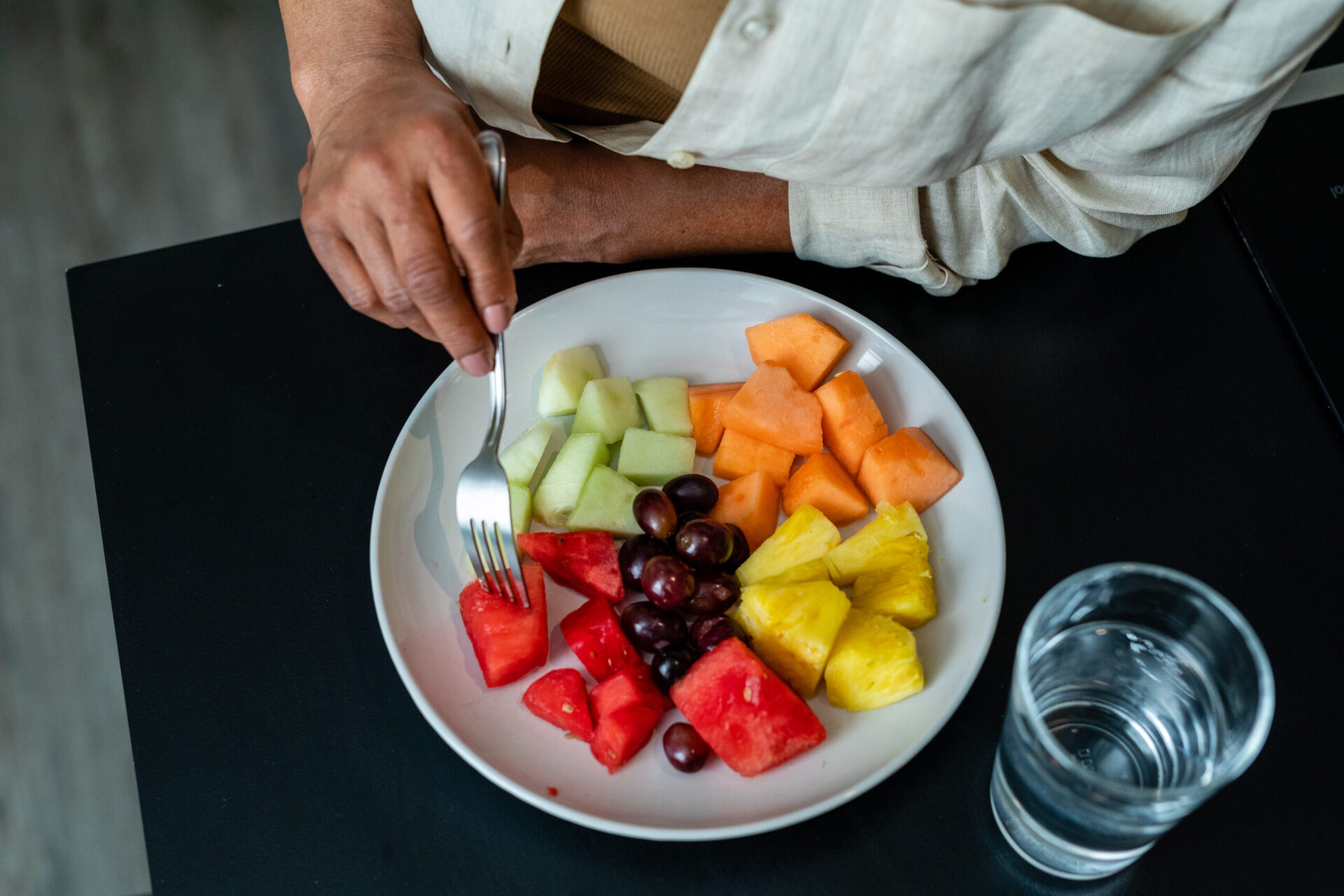
Even sleep-friendly foods work best when eaten mindfully. Large portions too close to bedtime may interfere with digestion or blood sugar levels. Most research suggests eating fruit one to two hours before sleep is the most comfortable window.
Simple Ways to Enjoy Them
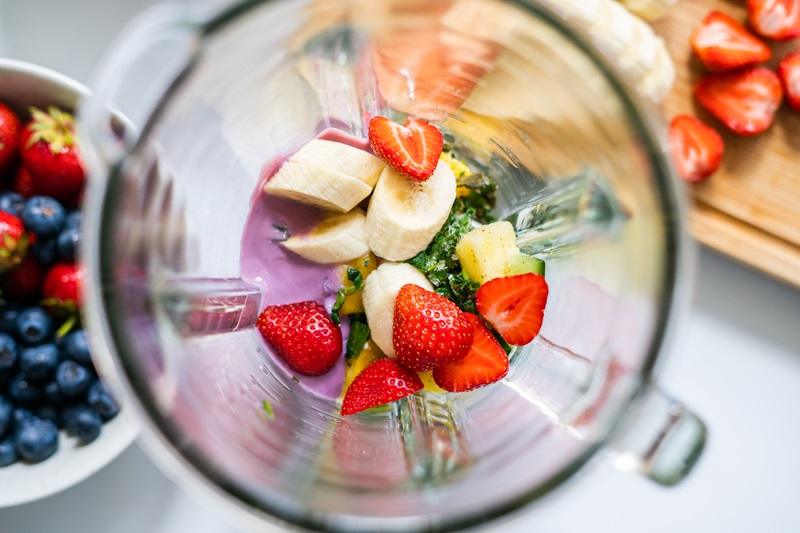
Sleep-supporting fruits don’t require elaborate prep. A small glass of tart cherry juice, a sliced kiwi with yogurt, or a banana with a handful of nuts keeps things easy. Simple habits are often the ones people stick with.