38,000 Gallons of Bottled Water Recalled After ‘Floating Black Substance’ Found Inside
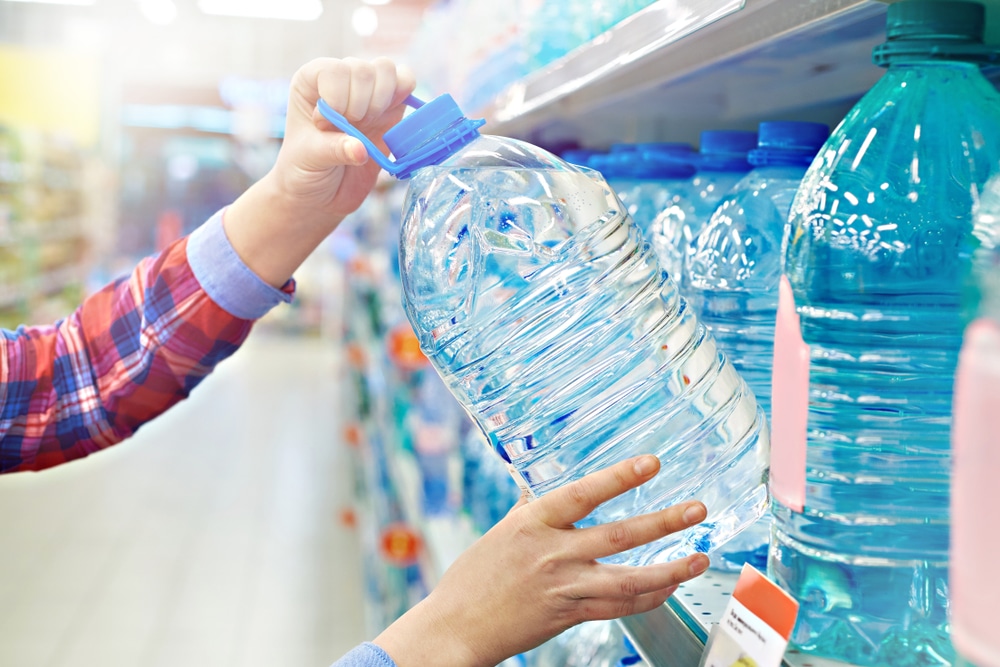

More than 38,000 gallons of bottled water have been pulled from store shelves after a mysterious black substance was discovered floating inside sealed containers. The recall, which affects multiple Midwestern states, has raised fresh questions about quality control and transparency in the bottled water industry.
A Recall That Flew Under the Radar
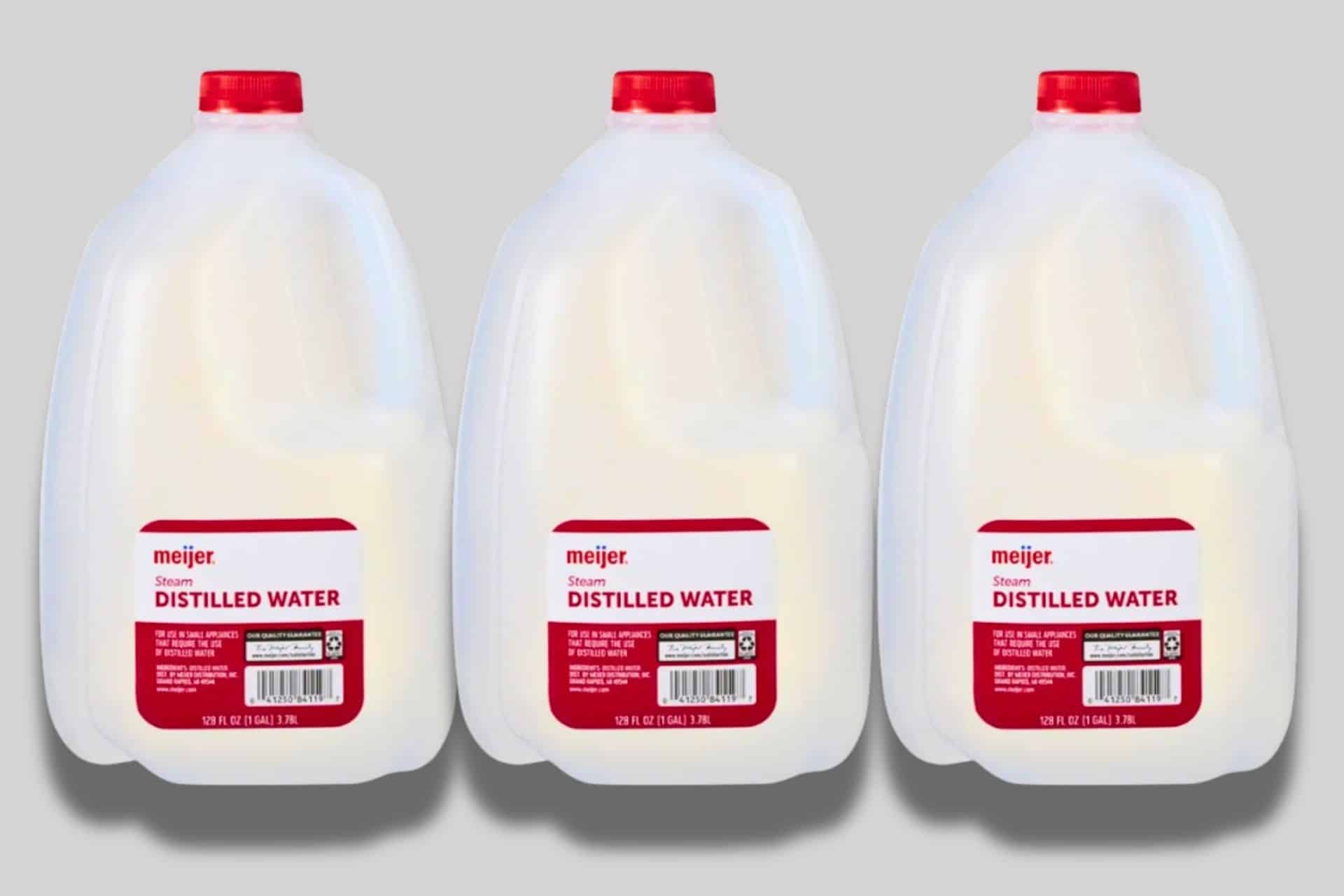
The recall involves Meijer Steam Distilled Water sold in one-gallon plastic jugs with red caps. The product was distributed across Illinois, Indiana, Kentucky, Ohio, Michigan, and Wisconsin before being quietly recalled. Unlike high-profile food safety alerts, the recall was not accompanied by a press conference or prominent warning campaign. Many shoppers only learned about it after local news outlets began reporting on the issue.
What Was Found in the Bottles

The Food and Drug Administration described the issue as a “floating black foreign substance” inside the water. Officials did not specify whether the material was plastic, rubber, or another contaminant, and no images were released publicly. According to Fox Business, Meijer declined to elaborate on how the substance entered the product or how widespread the contamination may be.
How Much Water Is Affected

In total, 38,043 gallons of water were included in the recall, all sold in 128-ounce jugs packed four to a case. The FDA enforcement report shows the product carried a sell-by date of October 4, 2026, meaning it could have remained in circulation for months if undiscovered. The affected product was distributed by Meijer Distribution Inc. out of Grand Rapids, Michigan, according to FDA recall records
When the Recall Actually Began
While news coverage picked up in January 2026, the recall itself began earlier. FDA records show Meijer initiated the voluntary recall on November 13, 2025, and the case remains listed as ongoing. No recall classification has yet been assigned by the FDA, leaving uncertainty about the potential health risk level. The agency typically assigns classifications ranging from Class I, the most serious, to Class III, which indicates minimal risk.
What the FDA Is — and Isn’t — Saying

So far, the FDA has not said whether the contamination poses a direct health threat. In its enforcement report, the agency confirmed the recall but did not link the product to any reported illnesses. The lack of a classification or detailed explanation has frustrated some consumer advocates, who say transparency matters even when no injuries are reported.
Meijer’s Response So Far

Meijer has confirmed the recall but has released few additional details. In a brief statement referenced by Fox Business, the company said it acted “out of an abundance of caution” after discovering the issue. The retailer has not disclosed how the contamination was detected internally or whether changes have been made to its bottling or inspection processes.
Why Bottled Water Recalls Matter
Bottled water is often marketed as a safer alternative to tap water, especially for infants, medical use, or emergency preparedness. Incidents like this can undermine consumer trust, particularly when the contaminant is visible but unexplained. Food safety researchers note that foreign material recalls, even when rare, tend to attract heightened concern because consumers expect water to be the most basic and controlled product.
What Consumers Should Do Now

Shoppers who purchased Meijer Steam Distilled Water are advised not to consume it and to return the product to the store for a refund. The FDA listing includes product codes and lot information consumers can use to confirm whether their water is affected. Anyone who notices unusual material in bottled water — recalled or not — is encouraged to report it through the FDA’s consumer complaint system.
A Reminder About Oversight and Trust
The recall of more than 38,000 gallons of bottled water underscores how even routine products can be subject to unexpected quality failures. While no illnesses have been reported, unanswered questions about the contaminant continue to linger. As regulators review the case, the incident serves as a reminder that transparency and prompt communication play a critical role in maintaining public confidence, especially when the product involved is something people consume every day.