General Mills to Close Missouri Factories as Part of $82 Million Restructuring Effort

General Mills is set to close three manufacturing plants in Missouri as part of an $82 million restructuring effort.The move, announced last week, is designed to streamline operations and strengthen the company’s supply chain amid shifting consumer trends and economic pressures.
The Closures at a Glance

According to Fox Business, the closures involve the TNT Pizza Crust plant in St. Charles and two Joplin pet food plants General Mills acquired through its 2024 purchase of Whitebridge Pet Brands. The company said it plans to shift production to other U.S. sites as part of a broader efficiency initiative designed to modernize and consolidate manufacturing capacity.
Cost and Timeline of the Restructuring

General Mills estimates the restructuring will total $82 million in costs, including approximately $64 million in asset write-offs and $18 million in severance and transition expenses. Roughly $49 million of these charges will appear in fiscal Q2 2026, while the overall plan will be completed by fiscal 2029, as part of a long-term effort to improve profit margins and reduce redundancy across its operations.
Why General Mills Is Making the Move

The company described the closures as part of a plan to “strengthen competitiveness and improve supply chain efficiency.” The decision follows years of post-pandemic cost pressures and supply chain volatility, with the company targeting $100 million in annual savings by fiscal 2026. By consolidating production, General Mills aims to free up capital for investment in high-growth areas such as pet food and snacks.
Local Reaction in Joplin

In an interview with Newstalk KZRG, Joplin Mayor Keenan Cortez said he was informed of the decision shortly before the public announcement. He noted that while the closure will affect around 60 local employees, most will have opportunities to transition to other roles within the company or the local job market. “These decisions aren’t easy,” Cortez said, “but they reflect how companies are adapting to become a little more efficient.”
Support for Displaced Workers

General Mills confirmed that it will provide relocation assistance, job placement services, and severance packages for affected employees. The company is coordinating with local workforce agencies to help impacted staff find new positions within or outside of General Mills’ network. Officials in both Joplin and St. Charles said they’re hopeful the measures will help mitigate economic disruption in the short term.
Investor and Market Response
Following the announcement, Yahoo Finance reported that General Mills’ stock (NYSE: GIS) dipped 2.3%, reflecting investor caution over near-term restructuring costs. However, analysts see the plant closure as part of a disciplined long-term strategy to manage expenses and protect profitability. Despite the cost pressures, the company reaffirmed its $0.61 quarterly dividend, signaling continued financial stability.
Broader Industry Context
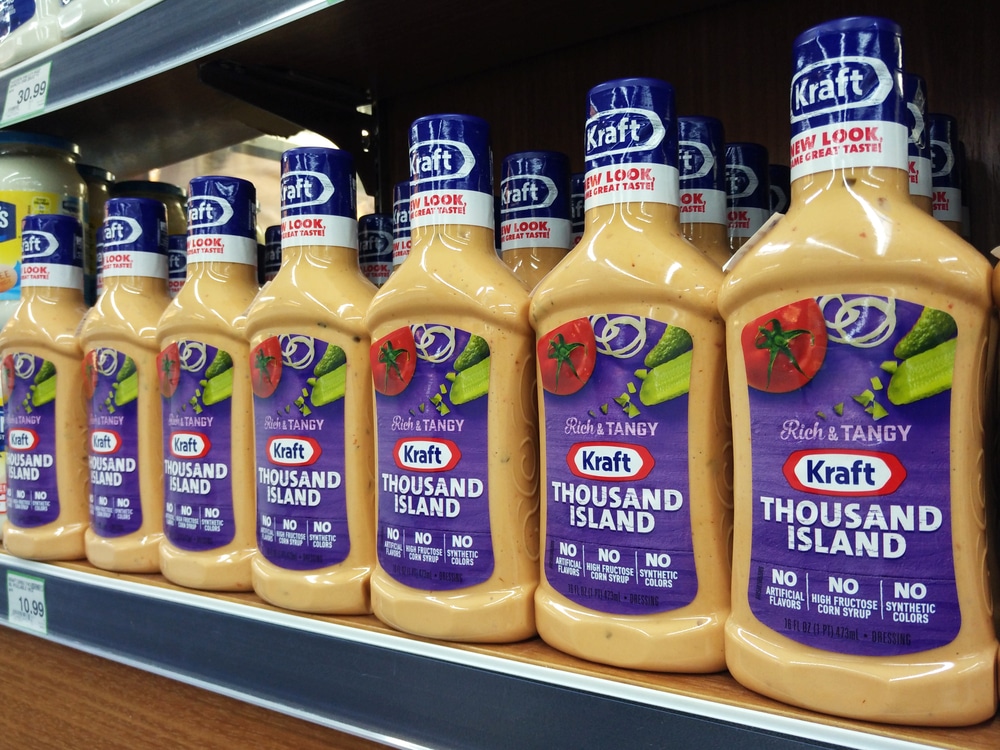
The closures come amid a wave of consolidation and cost restructuring across the packaged food sector. Rivals like Kellogg and Kraft Heinz have announced similar moves, closing legacy facilities and redirecting resources toward automation and innovation. Analysts say General Mills’ decision mirrors a wider trend of major food manufacturers balancing cost-cutting with efforts to stay competitive in a market defined by inflation, supply challenges, and evolving consumer preferences.
Long-Term Outlook

According to Simply Wall St analysis, General Mills is projected to generate $19 billion in revenue and $2.1 billion in earnings by 2028, with modest growth expected as savings are reinvested into high-margin categories like snacks and pet food. Analysts describe the Missouri closures as “a short-term setback for long-term efficiency,” suggesting the company’s leaner structure could ultimately boost shareholder value.
The Missouri Legacy and Community Impact
For decades, General Mills’ factories in Joplin and St. Charles have been pillars of local employment and manufacturing. Their closures mark not just an operational shift but a symbolic turning point — reflecting the pressures faced by legacy brands in a changing economy. While the $82 million restructuring aims to secure the company’s future, the challenge for Missouri communities will be ensuring these corporate efficiencies don’t come at the cost of local livelihoods.

