Generations Worked Here. Now an 84-Year-Old Kellogg’s Plant Is Closing for Good
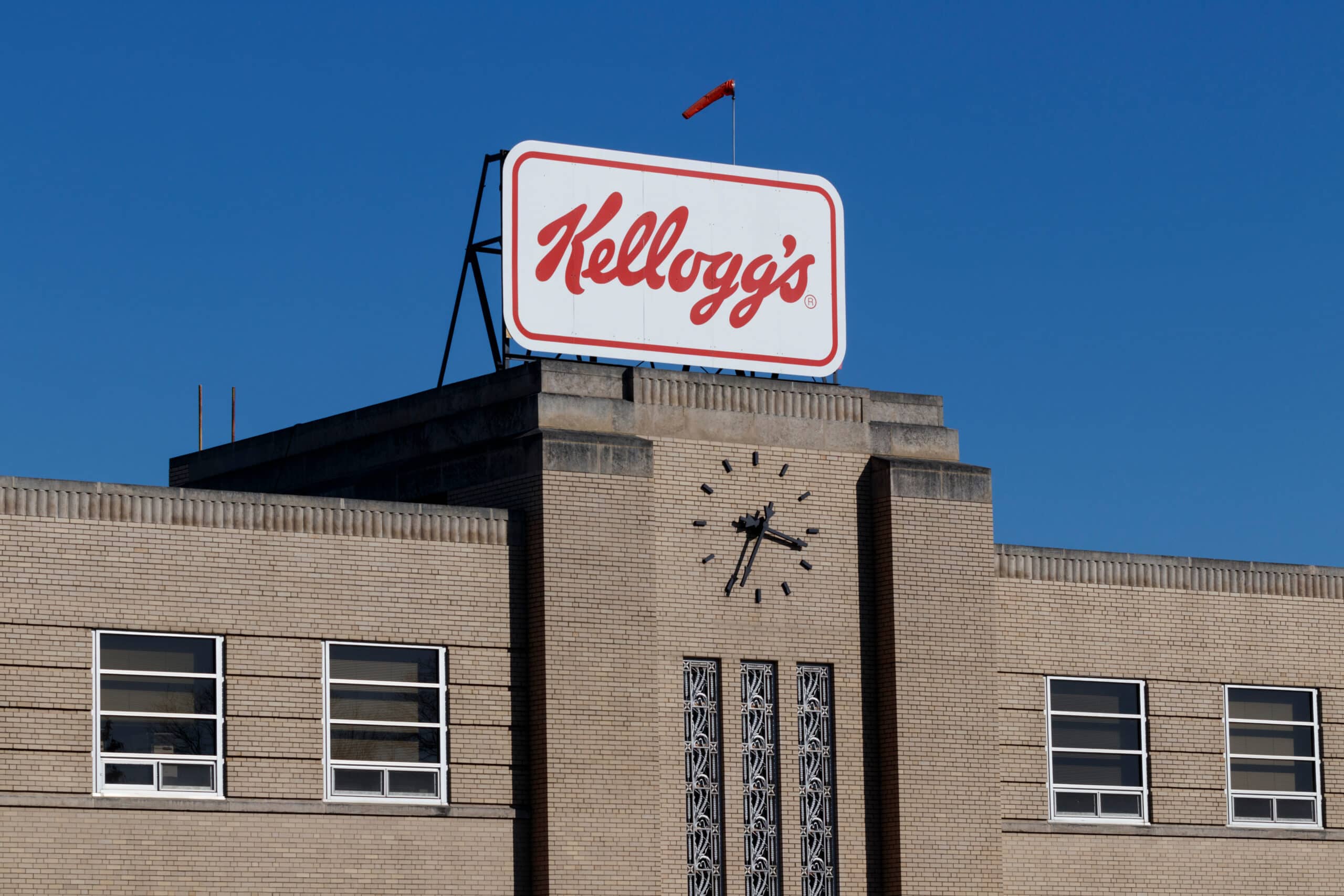

For more than eight decades, the Kellogg’s plant in Omaha stood as a familiar part of the city’s industrial landscape. Generations of workers passed through its doors, helping produce some of America’s best-known breakfast cereals. Now, as the facility prepares to shut down permanently, one of Nebraska’s longest-running manufacturing operations is entering its final chapter.
A Factory Built During Wartime
The Omaha facility opened in 1942, placing its origins in the middle of World War II. Over the decades, the plant became more than a production site. It evolved into a stable source of employment for local families and a fixture of the community. As Omaha expanded around it, the sprawling factory remained a constant presence, surviving economic downturns, corporate changes, and shifts in consumer habits.
More Than Just A Workplace

Many manufacturing facilities employ workers for years, but the Omaha plant became known for something deeper. Families often had multiple generations employed there, creating a workplace culture built on long-term relationships and shared history. For many workers, the factory represented not just a paycheck but a family tradition and a connection to the city’s industrial heritage.
The Closure Announcement

The future of the facility changed dramatically in August 2024 when WK Kellogg announced plans to close the plant. The company said production would gradually be phased out before operations ultimately ceased in 2026. While closures have become more common throughout American manufacturing, the announcement carried particular weight because of the plant’s age and role within the local economy.
Why Kellogg Is Leaving Omaha

WK Kellogg has been restructuring its manufacturing footprint and consolidating production across its network. Company leaders indicated that production from Omaha would eventually be absorbed elsewhere. While such moves are often driven by efficiency goals and long-term cost considerations, they can also reshape communities that have depended on a major employer for decades.
The Final Workforce Reduction

The closure is now entering its most visible phase. According to a notice filed with the Nebraska Department of Labor, roughly 451 remaining employees are expected to lose their jobs during a series of layoffs scheduled between late July and mid-August 2026. About 100 workers are expected to depart first, followed by the remaining workforce as operations wind down completely. Employees are expected to receive severance packages.
What The Closure Means For Workers

Plant closures affect far more than a company payroll. Workers often face difficult decisions about retraining, relocation, retirement timing, or pursuing new employment opportunities. Many employees at long-standing facilities have built careers around specialized manufacturing roles, making transitions especially challenging. For families that have depended on the plant for decades, the closure represents both an economic and personal turning point.
A Manufacturing Sector Under Pressure
The Kellogg shutdown arrives as Nebraska’s manufacturing sector faces broader challenges. State labor data cited in reporting showed manufacturing employment had already declined significantly compared with the previous year. The Kellogg closure ranks among the largest recent layoffs in Nebraska and follows other major industrial workforce reductions that have affected communities across the state.
Questions Beyond The Plant Gates

The closure has also generated legal and labor-related questions. A law firm recently announced an investigation into whether workers received all required notifications under the federal Worker Adjustment and Retraining Notification Act, commonly known as the WARN Act. The law generally requires certain employers to provide advance notice before large layoffs or plant closings, although no legal determination has been made regarding the Omaha facility.
What Comes Next For The Property
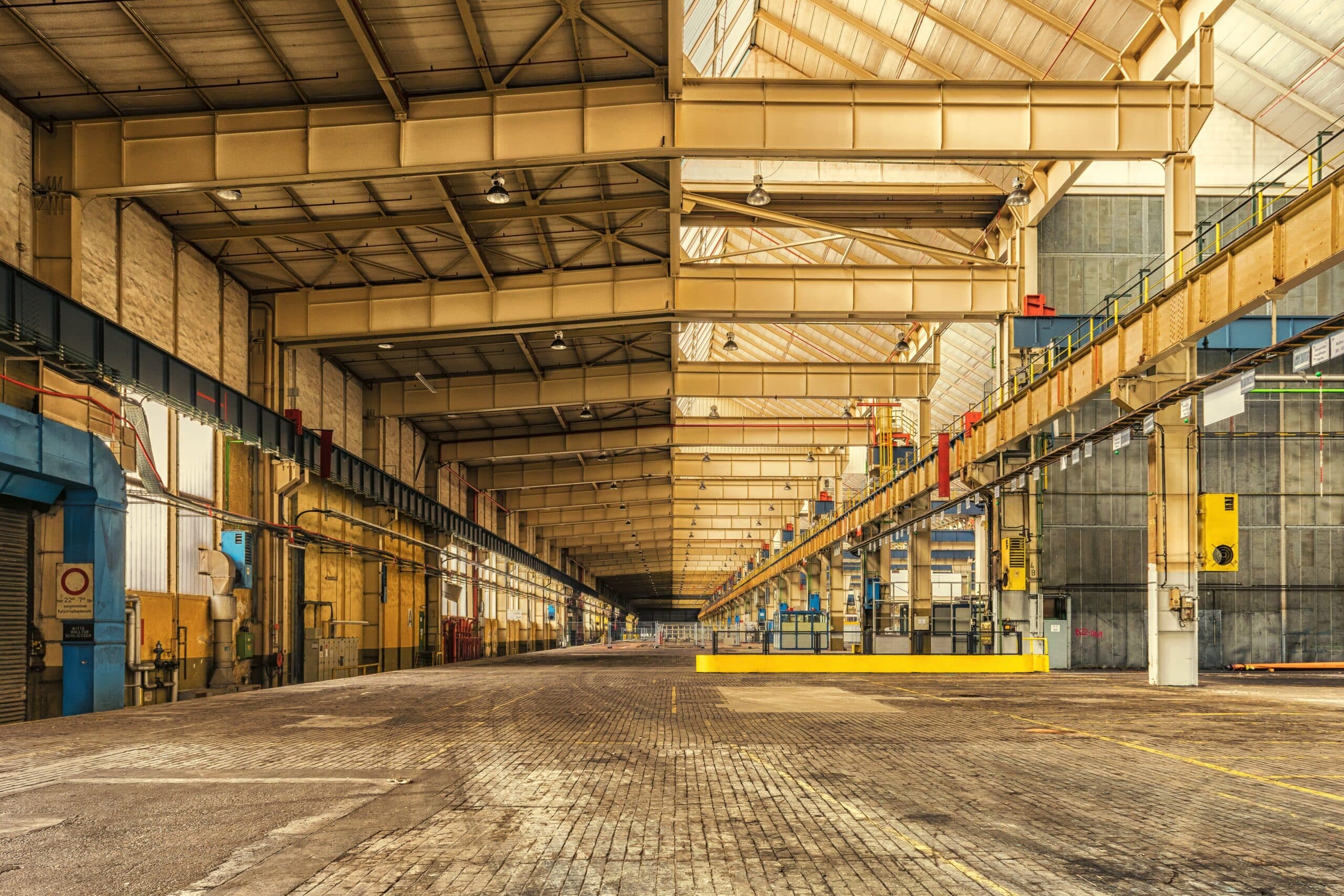
Even after production stops, the story of the Omaha plant will continue. The nearly 900,000-square-foot complex is expected to be placed on the market, opening questions about redevelopment and future economic uses for the site. Long after the final cereal boxes leave the factory, community leaders, developers, and residents will be deciding what should replace one of Omaha’s most recognizable manufacturing landmarks.