‘Glucose Goddess’ Reveals The Late-Night Snack Combo That Won’t Spike Blood Sugar or Ruin Sleep
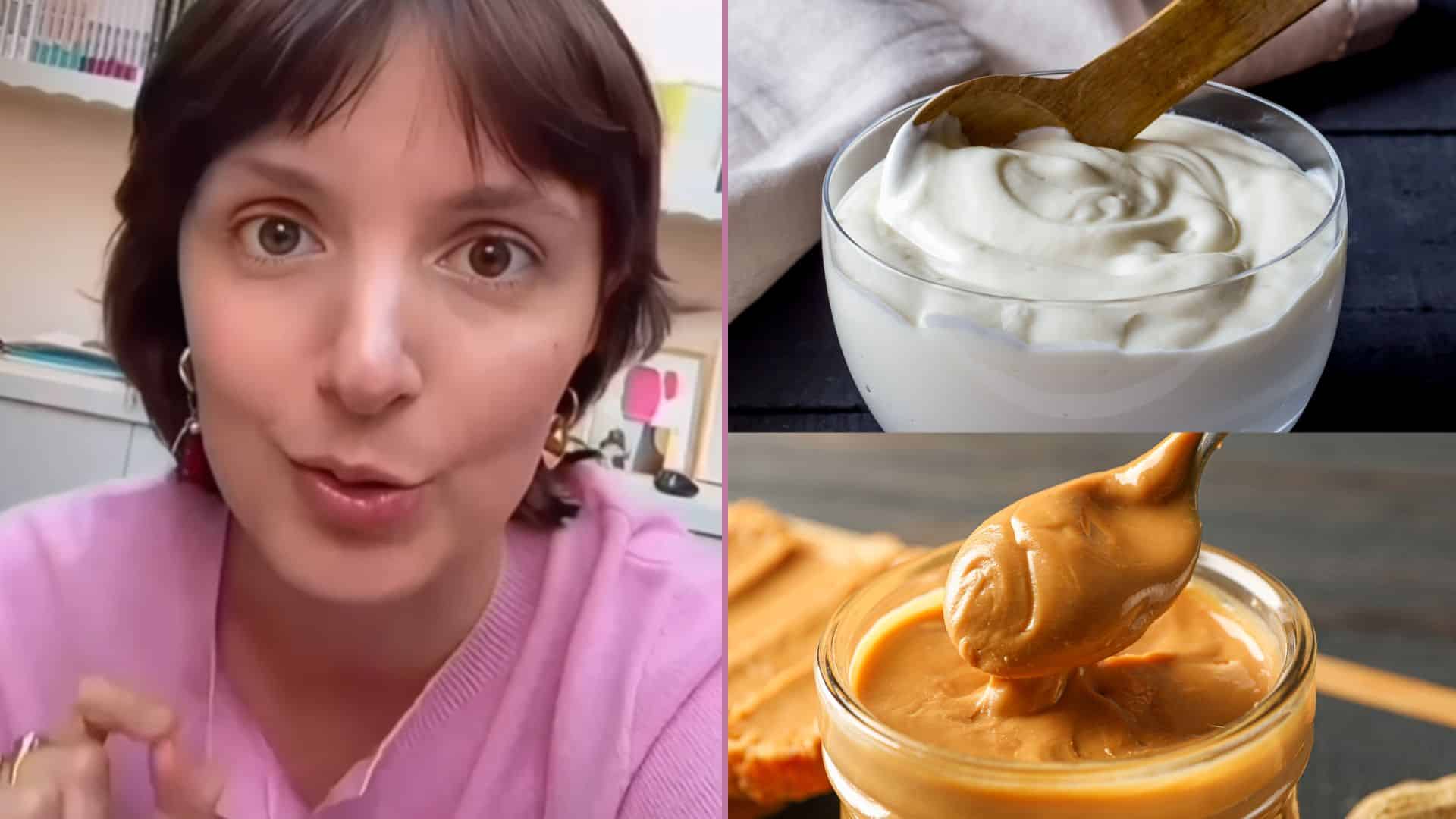

Late-night hunger often sparks the same dilemma: grab something sweet and convenient or fight the craving until morning. French biochemist Jessie Inchauspé, widely known as the “Glucose Goddess,” says the choice matters more than we think. She explains that bedtime snacks influence both glucose balance and the depth of our sleep.
Why Late-Night Eating Is So Tricky

Snacks eaten before bed can send the body into digestion mode just when it should be winding down. When glucose rises sharply, the body responds with metabolic activity instead of rest.
How Sugary Snacks Impact Glucose and Sleep
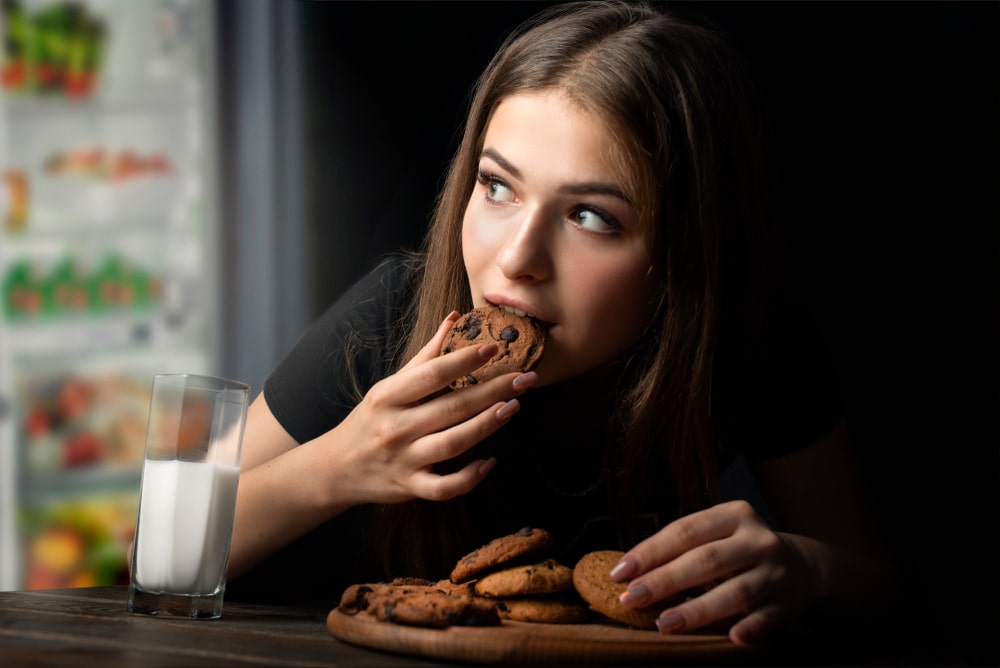
Items like chips, biscuits, and ice cream trigger a rapid spike followed by a crash. That spike-and-drop cycle can interrupt deep sleep, making people wake up tired or even hungrier. For individuals with diabetes, repeated spikes may interfere with insulin regulation and contribute to long-term fatigue and cardiovascular strain.
Meal Timing and Metabolic Rhythm
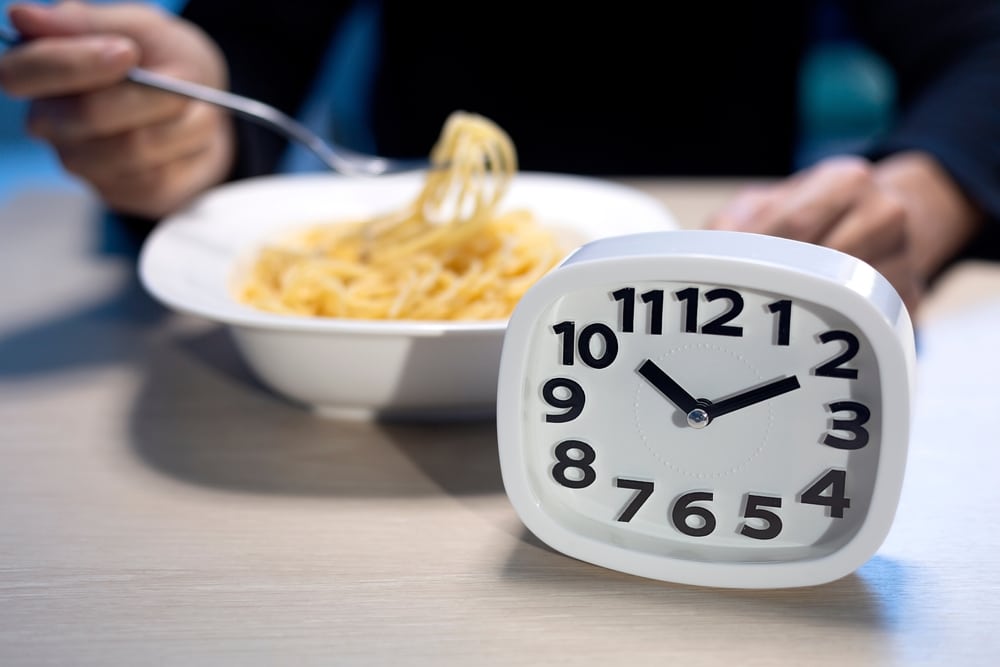
Eating late goes against the body’s natural patterns. Research reported by Brigham and Women’s Hospital found that nighttime meals increase glucose intolerance and reduce pancreatic beta-cell function. The study showed that participants eating at night experienced worsened metabolic markers, while those who kept daytime eating schedules did not.
When a Small Snack Works

Sleep specialists note that a light snack can sometimes help. People who struggle with low blood sugar, especially those managing diabetes, may benefit from a controlled evening bite. Stable, nutrient-dense snacks can help curb hunger and support smoother sleep onset without disrupting glucose balance.
Foods Linked to Better Sleep

Certain foods contain compounds that may support relaxation. Tryptophan, serotonin, and melatonin play important roles in signaling rest and regulating sleep cycles. Studies highlight kiwi, tart cherry juice, walnuts, almonds, and milk as options that may reduce sleep latency and improve sleep duration.
What to Avoid Before Bed
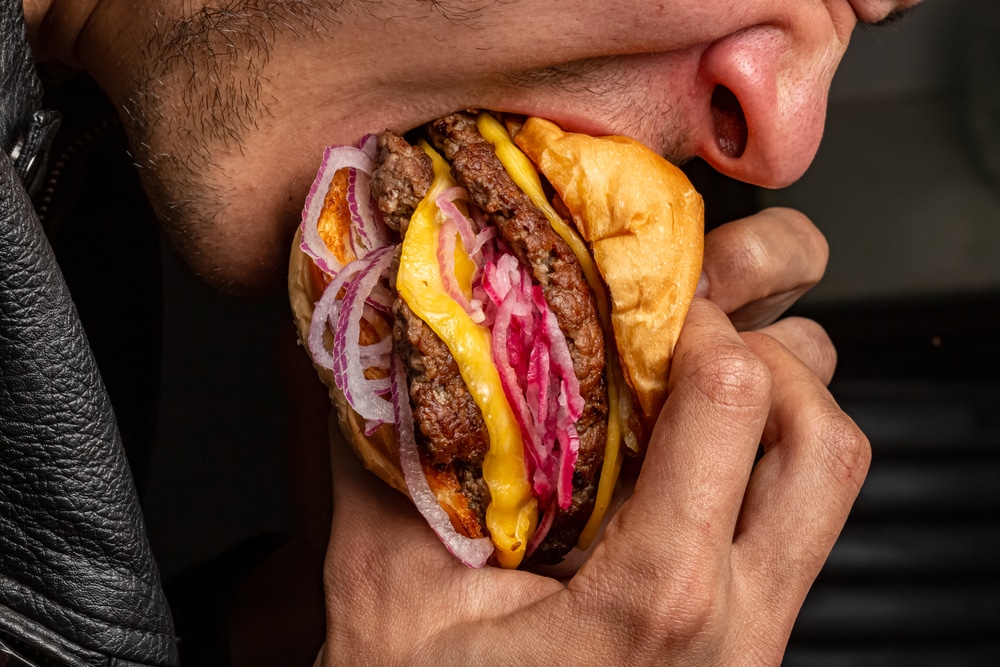
Large meals, acidic foods, and high-fat snacks are associated with reflux and poor sleep. Experts recommend avoiding heavy intake within two to four hours of bedtime. Eating dense or ultra-processed foods too close to sleep increases nighttime awakenings and lengthens the time it takes to fall asleep.
The Snack That Keeps Glucose Steady
Only after understanding the risks does Inchauspé reveal her preferred option: Greek yogurt + peanut butter. The combination of protein and healthy fats supports satiety and prevents dramatic glucose spikes. Instead of sending metabolism into overdrive, it promotes steadier levels through the night.
A Simple Side-by-Side Example
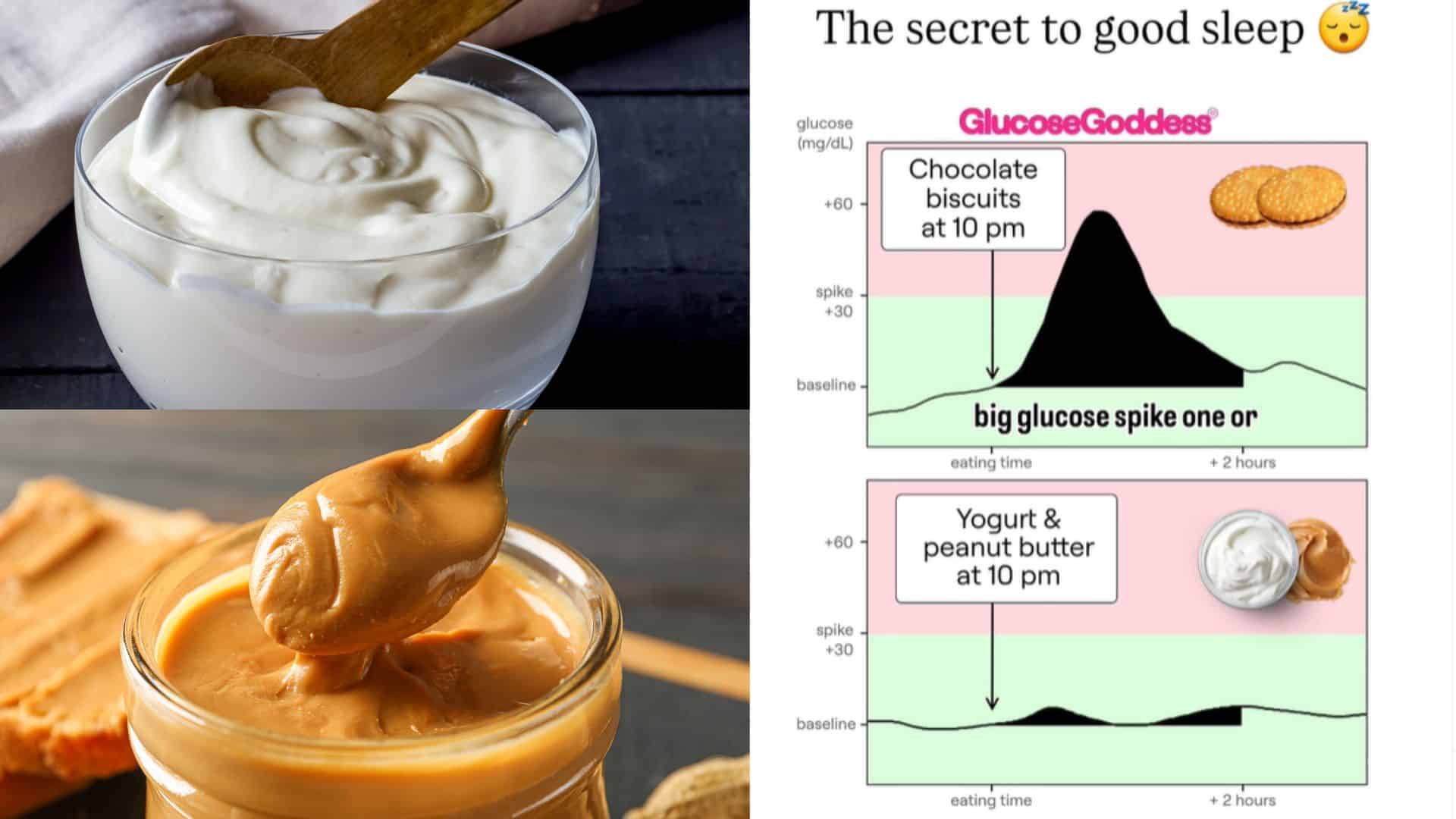
In her “secret to good sleep” video, Inchauspé compares chocolate biscuits at 10 p.m. with yogurt and peanut butter at the same time. The chart shows biscuits pushing glucose well above baseline, while the yogurt mix stays within a calmer range. That stability correlates with fewer nighttime disruptions and more restorative rest.
Other Late-Night Snack Options
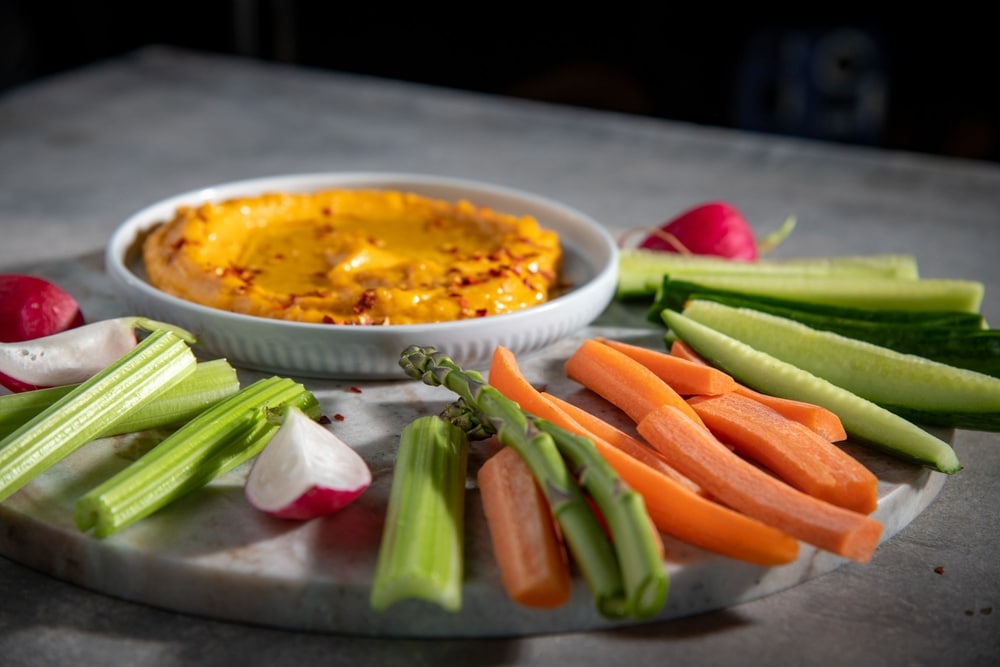
Nutrition experts extend this principle to other choices. Cottage cheese, nuts, vegetable sticks with hummus, or boiled eggs with whole-grain crispbreads can support glucose balance while keeping hunger in check. These foods rely on protein, fiber, and healthy fats rather than fast sugars.