Grocery Shoppers Warned: How to Spot and Avoid Foods With Hidden Allergens at the Supermarket
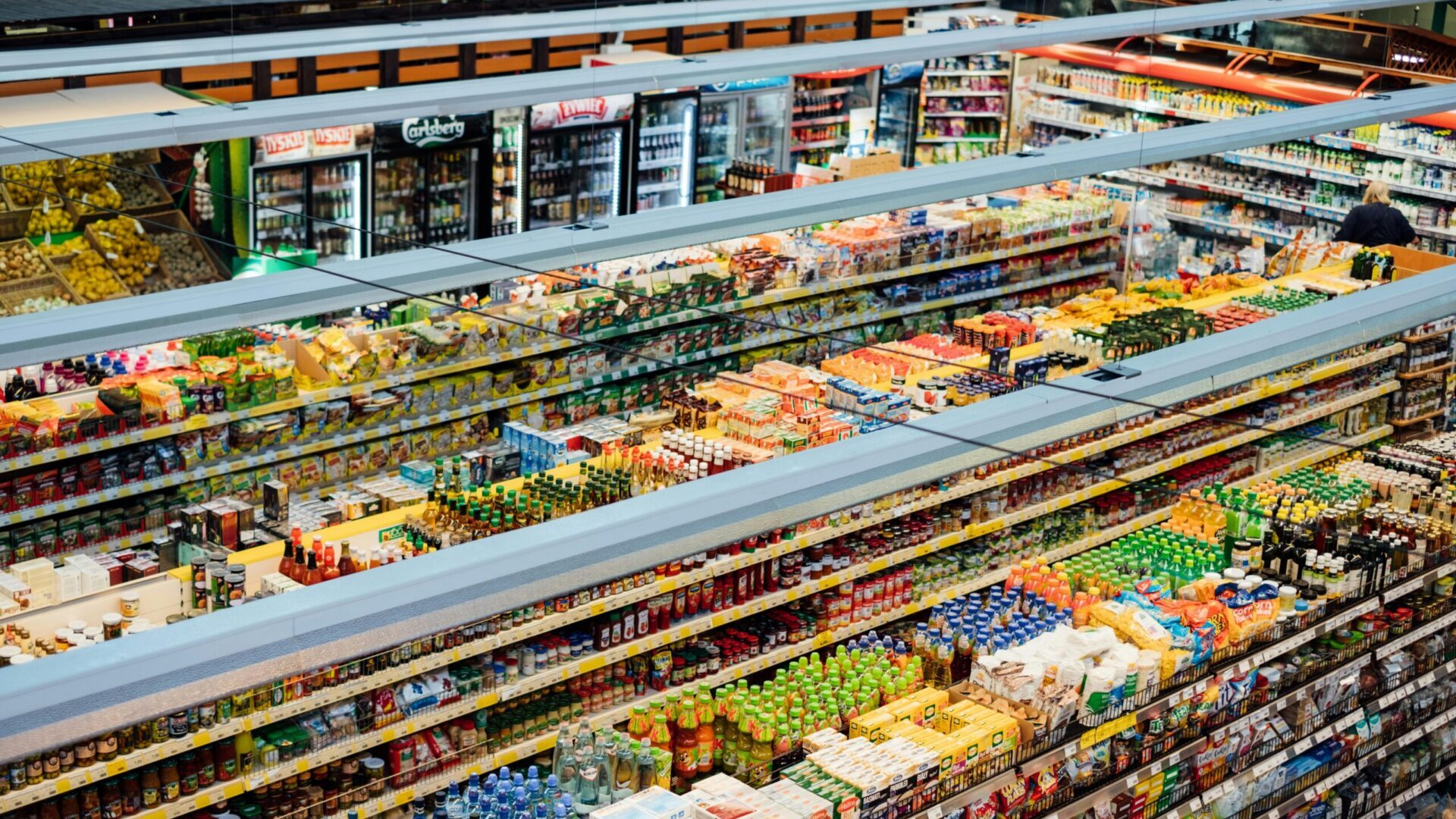

For families managing food allergies, reading labels is not optional but essential. A single overlooked ingredient can trigger a severe, even life threatening reaction. Understanding how allergen labeling works helps shoppers make safer decisions in the supermarket aisle. Vigilance begins with knowing exactly what is inside every package.
The Laws Behind Allergen Warnings
In the United States, federal law requires clear labeling of major allergens under the Food Allergen Labeling and Consumer Protection Act and the Food Allergy Safety, Treatment, Education and Research Act. These regulations were designed to make ingredient lists easier to understand. They require manufacturers to identify major allergens using plain language. The goal is to reduce accidental exposure and improve consumer safety.
The Nine Major Allergens To Watch
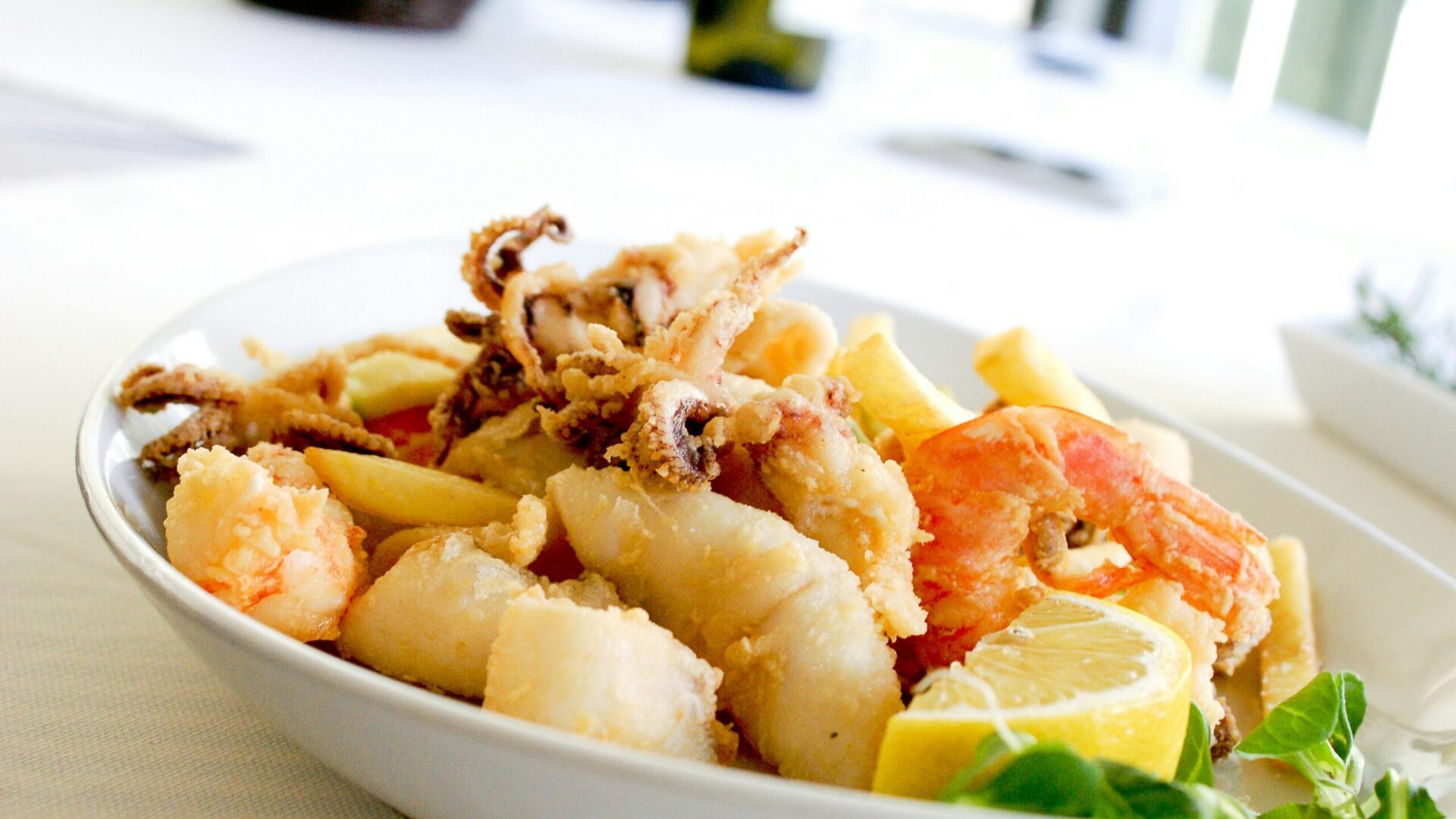
Current regulations recognize nine major allergens: peanuts, tree nuts, milk, fish, crustacean shellfish, wheat, soy, eggs and sesame. These ingredients must appear either in the ingredient list or in a clear “Contains” statement near it. Sesame was added more recently, strengthening protections for people with severe sesame allergies. Knowing this list is the first step in scanning labels effectively.
How “Contains” Statements Work
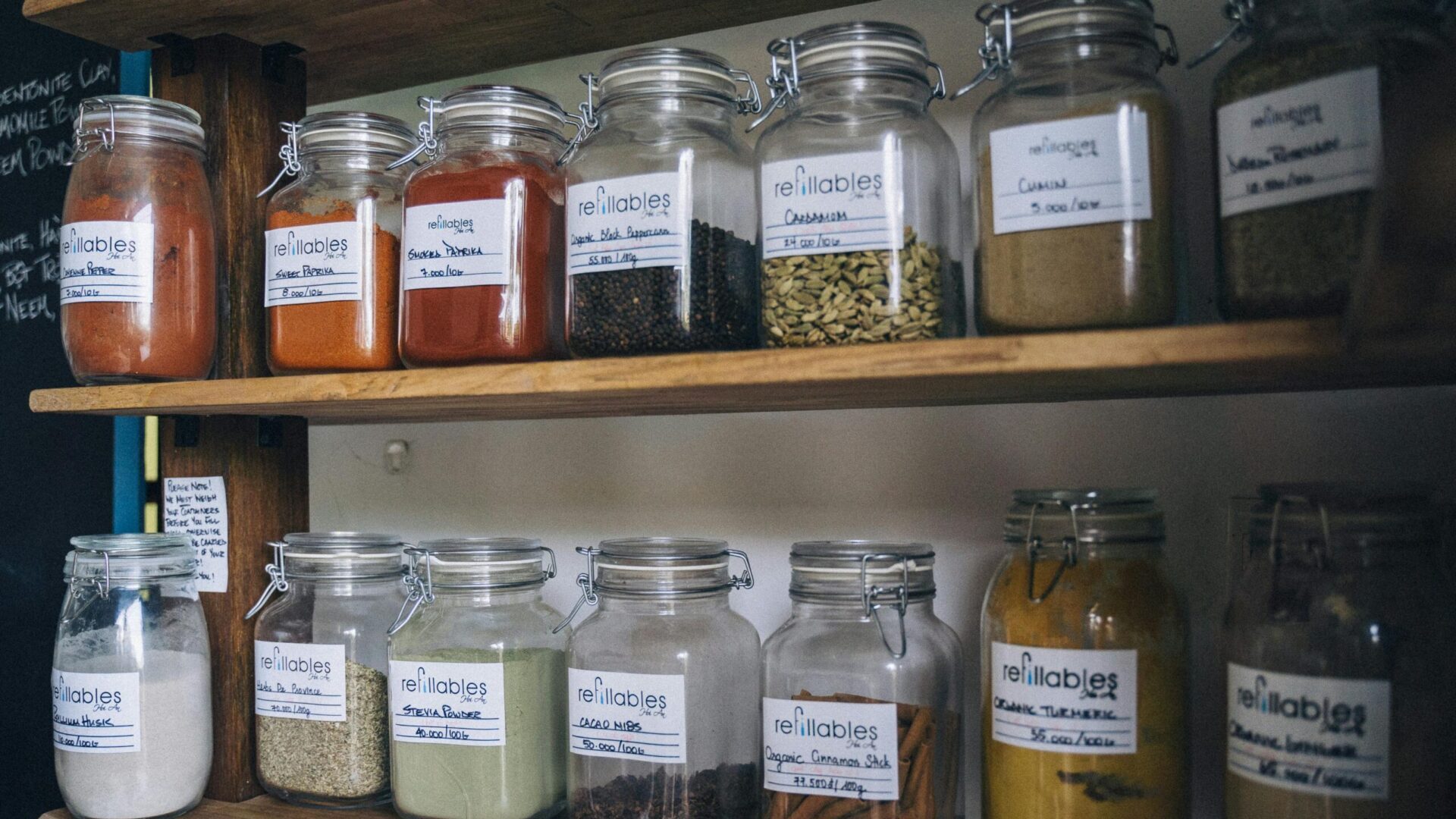
Most packaged foods now include a bold “Contains” statement placed directly below the ingredient list. This feature quickly highlights the presence of any of the nine major allergens. While helpful, it should never replace reading the full ingredient list. Some allergens may appear under less familiar names that still require careful attention.
Hidden Names And Ingredient Surprises
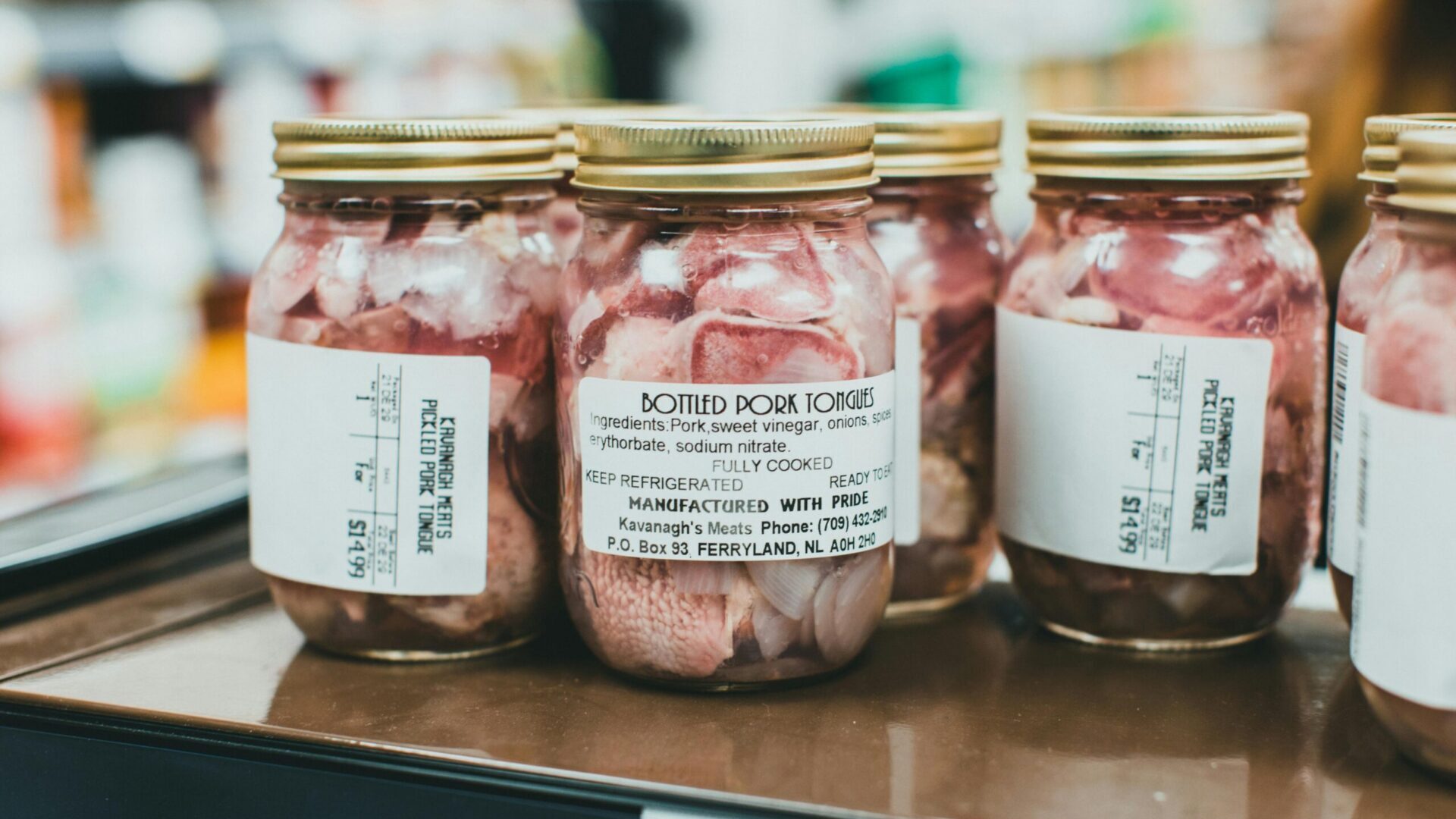
Allergens do not always appear in obvious form. Milk may be listed as casein or whey, and eggs may appear as albumin. Ingredients can also change without prominent notice, even in familiar products. That is why experts recommend reading every label every time, even for items you have safely purchased before.
Understanding Precautionary Allergen Labels
Many packages include voluntary warnings such as “may contain” or “made in a facility with.” These precautionary allergen labels signal potential cross contact during manufacturing. They do not guarantee the presence of an allergen, but they indicate risk. For highly sensitive individuals, avoiding such products may be the safest course.
When Labels Do Not Apply
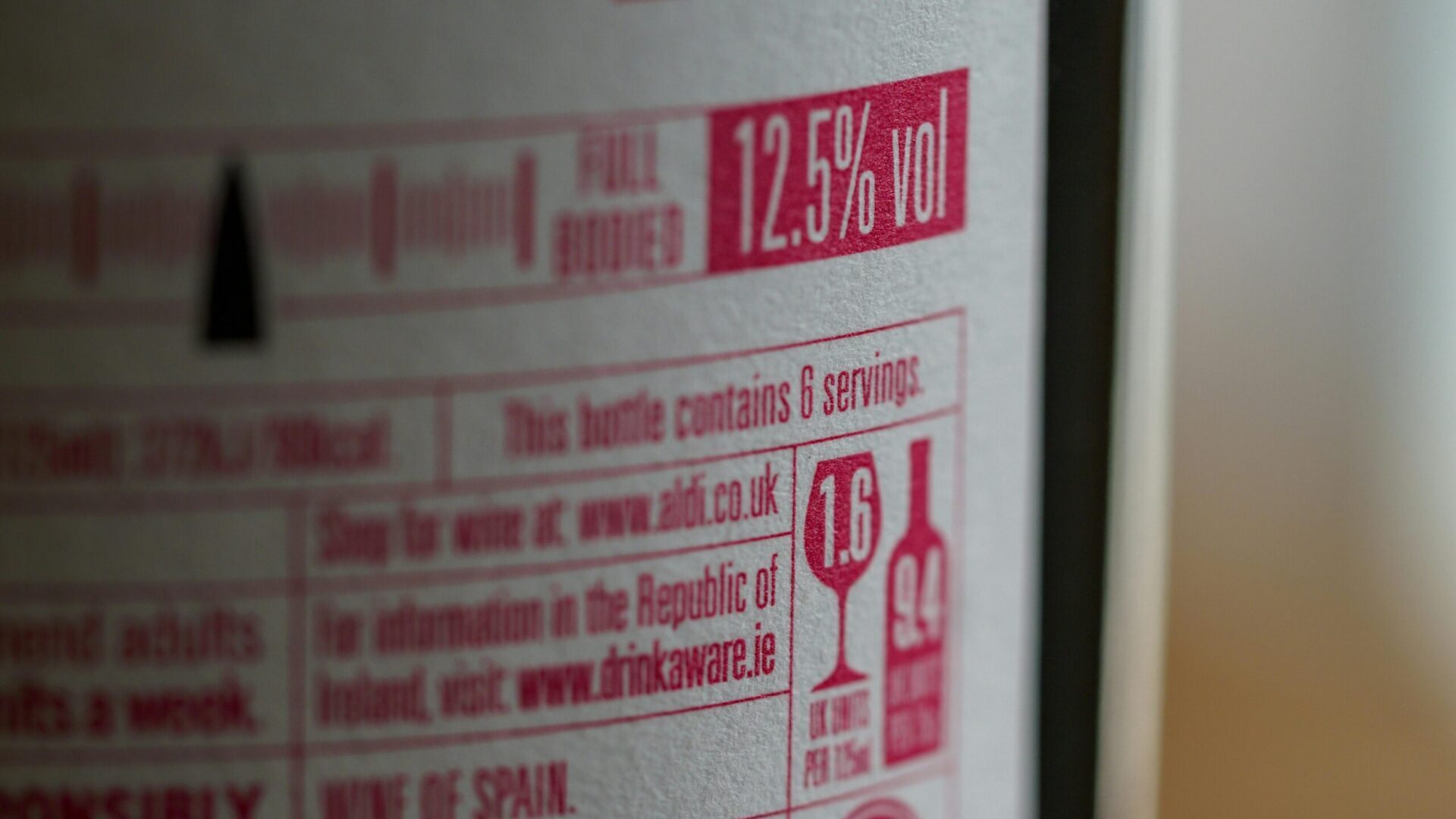
Not all foods fall under federal allergen labeling rules. Fresh produce, certain meats, alcoholic beverages and restaurant foods are not always required to follow the same standards. Molluscan shellfish such as clams and oysters are also excluded from major allergen labeling requirements. This makes asking questions and communicating clearly in restaurants especially important.
Mistakes And Recalls Still Happen
Even with strict regulations, labeling errors occur. Undeclared allergens are among the leading causes of food recalls in the United States. Manufacturers may misprint labels or change formulations without updating packaging immediately. Staying informed through recall alerts and reading labels multiple times can reduce risk.
Gluten Free Is Not The Same As Wheat Free
A gluten free label is intended for people with celiac disease or gluten intolerance, not necessarily those with wheat allergy. Gluten refers to proteins found in wheat, barley and rye. A wheat allergy involves an immune system response and can lead to anaphylaxis. Always check for “Contains: Wheat” rather than relying solely on gluten free claims.
Smart Shopping Is A Powerful Defense

Avoiding hidden allergens requires habit, attention and informed decision making. Read ingredient lists carefully, review precautionary statements and verify changes in packaging or formulation. When in doubt, contact the manufacturer for clarification. In the supermarket, knowledge is more than power, it is protection.

