Gut Microbiome Scientists Point to a Daily Dietary Habit That Could Improve Digestive Health

Every meal is more than a personal ritual; it is a banquet for the trillions of microbes residing in your gut. These microscopic tenants collectively known as the gut microbiome quietly influence everything from inflammation to blood sugar control. According to Karen Corbin of the AdventHealth Translational Research Institute, tending to this internal ecosystem is less about trend-driven superfoods and more about consistent nourishment.When properly fed, gut microbes produce compounds that protect long-term health. When neglected, they retaliate. Starved microbes begin degrading the gut’s protective mucus lining, generating inflammatory byproducts that may increase the risk of chronic disease. The message is elegantly simple: nourish them well, and they return the favor.
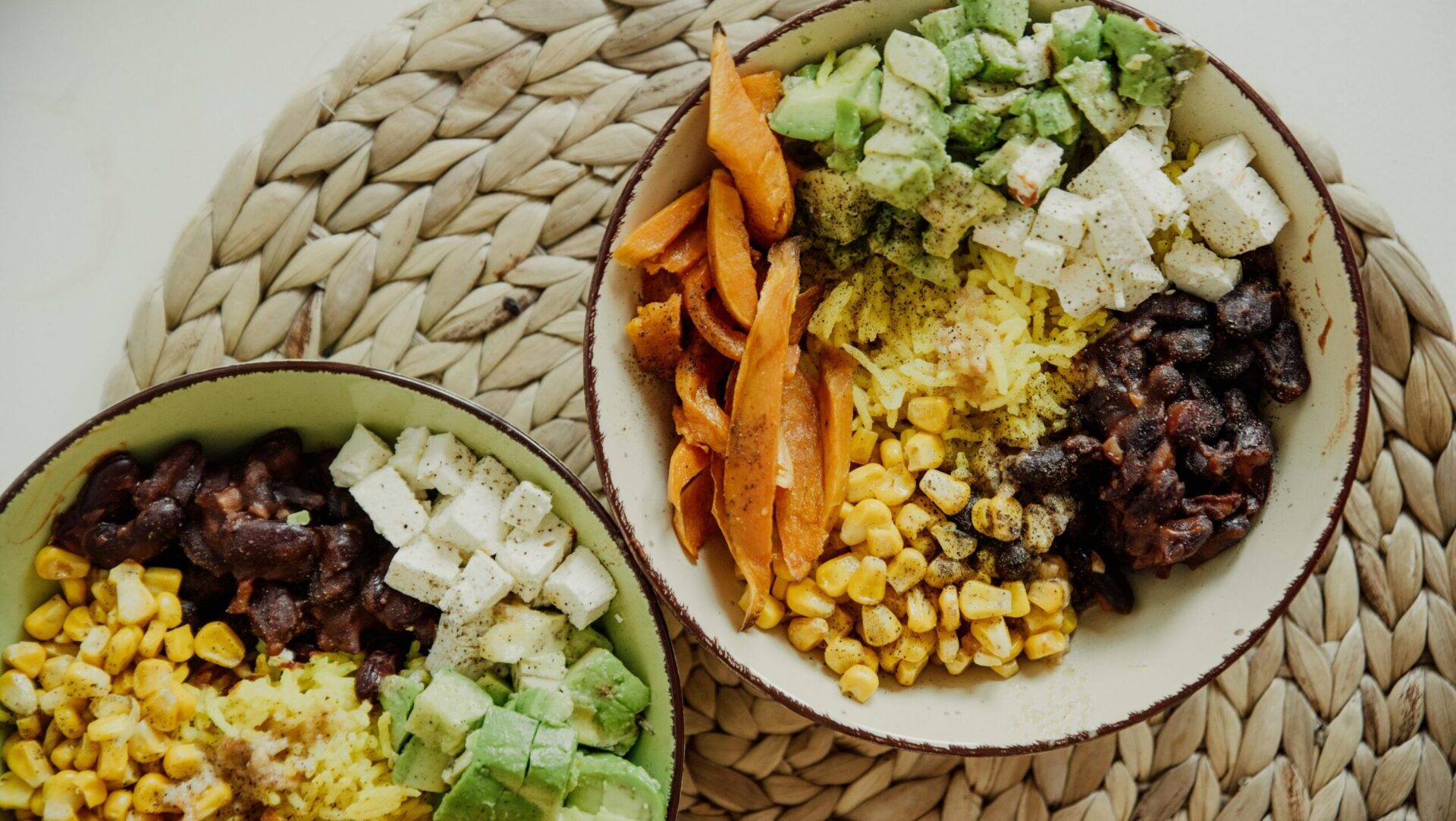
The most reliable strategy? Favor fiber especially resistant starch and minimize ultra-processed fare. Beans, lentils, green bananas, apples, pears, barley, oats, and brown rice provide precisely the kind of sustenance these microbes crave. The modern diet, however, falls short of recommended fiber intake, leaving many microbiomes underfed and irritable.
Unlike sugars and refined carbohydrates that are absorbed quickly in the upper digestive tract, fiber survives the journey to the colon intact. There, microbes ferment it into short-chain fatty acids molecules that help lower inflammation and stimulate hormones that regulate appetite and blood sugar. Among these fatty acids is butyrate, a particularly beneficial compound linked to gut barrier integrity and metabolic health.
Fiber’s effects ripple outward. It supports the production of GLP-1, the satiety hormone mimicked by medications like Ozempic and Wegovy. By contrast, ultra-processed foods white bread, sugary cereals, pastries, and chips offer quick calories but little nourishment for gut microbes. They are rapidly absorbed, leading to blood sugar spikes while leaving the microbiome underfed.
Over time, a low-fiber pattern can erode the gut’s mucus barrier, inviting inflammation and metabolic dysfunction. Research increasingly links such imbalances to obesity, Type 2 diabetes, and cardiovascular disease conditions shaped as much by microbial health as by calorie counts.
What the Research Reveals About Calories and Microbes

In a 2023 controlled feeding study, Corbin and colleagues compared two dietary patterns: a Western-style menu heavy in ultra-processed foods and a fiber-rich “microbiome enhancer” diet abundant in fruits, vegetables, whole grains, nuts, seeds, yogurt, and lean proteins. Participants even spent time inside a metabolic chamber, allowing researchers to precisely measure calorie burn and intake.
The findings challenged simplistic notions of calorie equivalence. On the fiber-rich diet, participants absorbed fewer calories, lost slightly more body fat, and produced higher levels of beneficial short-chain fatty acids. Despite consuming fewer absorbed calories, they did not report increased hunger likely due to elevated GLP-1 production and improved microbial fermentation.
Meanwhile, microbiome analyses revealed a flourishing bacterial ecosystem under the fiber-rich regimen. The takeaway is subtle yet profound: calories do not operate in isolation. The way food interacts with gut microbes can influence how much energy the body ultimately extracts and how metabolism responds.
Simple Upgrades That Make a Lasting Difference

The path to a healthier microbiome need not be austere. Instead of overhauling your entire diet overnight, begin with strategic upgrades. Swap refined cereals for steel-cut oats topped with nuts and berries. Replace white bread with 100% whole-grain varieties. Choose whole-wheat or legume-based pasta over refined versions, and fold vegetables generously into sauces and soups.
For snacks, pivot from conventional chips to fiber-rich crackers, nuts, or minimally processed options. Even modest substitutions whole-grain toast instead of white, lentils added to a salad, chia seeds stirred into yogurt can steadily elevate daily fiber intake.
Sustainable change hinges on realism. Perfection is neither necessary nor practical. A balanced approach prioritizing fiber most days while allowing occasional indulgence supports both psychological ease and microbial resilience. The guiding question is disarmingly straightforward: have you fed your microbiome today?