Health Experts Warn Against Eating Canned Soup: ‘It Does More Harm Than Good’


Finding an affordable, practical, and genuinely nourishing lunch is a daily challenge for many people, whether they work remotely or commute to an office. Prepping meals in advance sounds ideal, yet time constraints, limited storage, and rising food costs often push convenience to the top of the priority list. However, health professionals are cautioning that some popular grab-and-go choices, including canned soup, may not be as wholesome as they appear.
The Everyday Lunch Dilemma
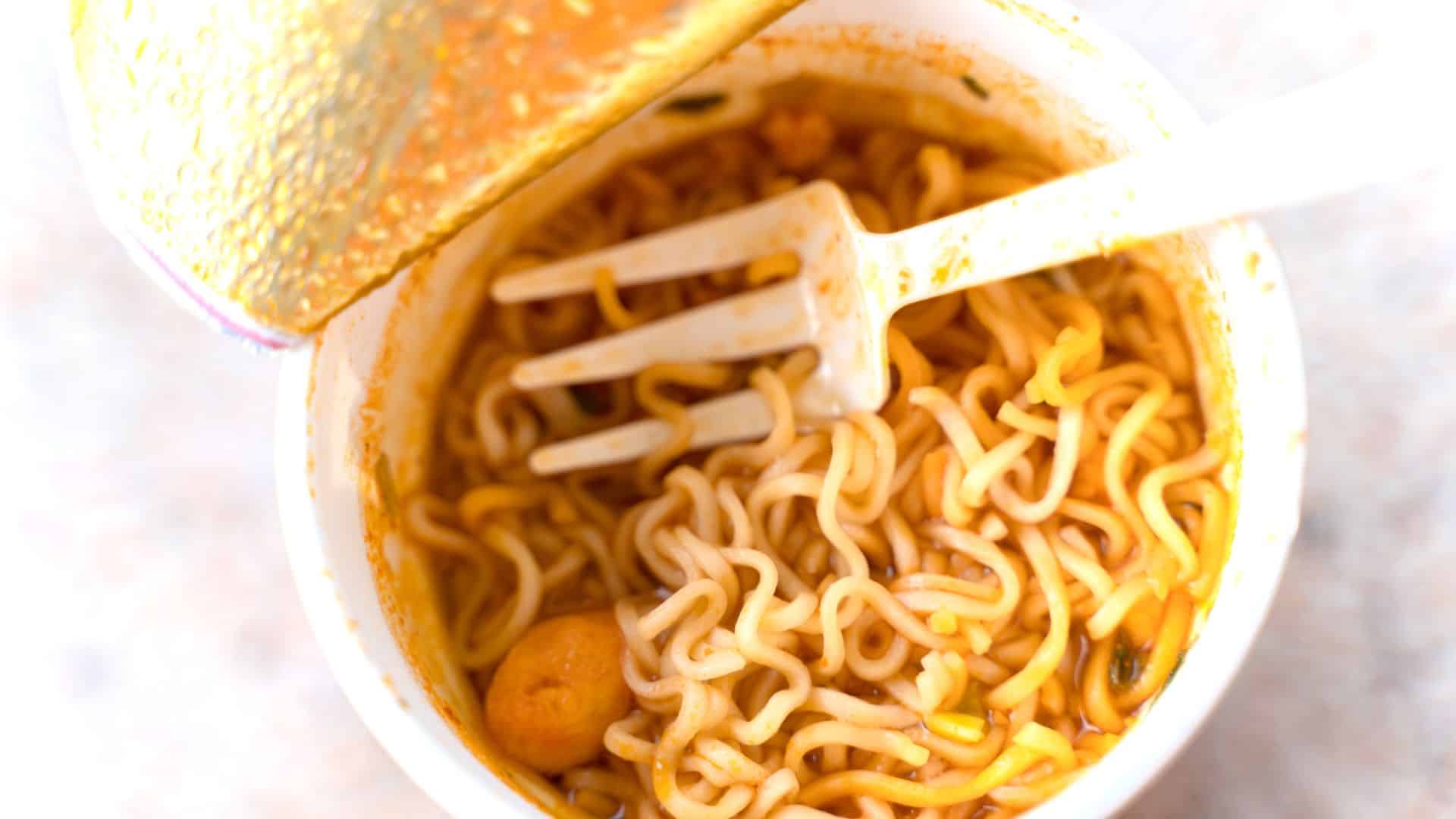
Busy schedules and tight budgets frequently steer people toward meal deals, packaged snacks, and microwave-ready options, especially when planning ahead feels unrealistic. While these choices promise speed and simplicity, public health authorities have raised concerns that relying on them too often may gradually undermine long-term wellbeing.
Why Canned Soup Seems Like A Healthy Bet

Compared with fast food or instant noodles, a ready-made soup can look like a lighter alternative, warm, filling, and vegetable-based. Its branding often emphasizes comfort and nutrition, which reinforces the perception that it is a smart lunchtime solution, particularly for those trying to avoid more obviously indulgent options.
The Hidden Salt Problem

Nutritionist and broadcaster Amanda Ursell has highlighted that a standard 400 gram can of soup may contain roughly one gram of salt in just half the tin. That figure can quickly add up across a day, especially when combined with other processed foods, making it essential for shoppers to read labels carefully and monitor total sodium intake.
Understanding The Daily Salt Limit

According to guidance from the National Health Service, adults should not exceed six grams of salt per day to help maintain healthy blood pressure levels. Regularly consuming high-sodium products can quietly push people beyond that threshold, increasing strain on the cardiovascular system over time.
Saturated Fat And Cholesterol Concerns

Beyond sodium, some canned soups also contain notable amounts of saturated fat, which health authorities link to elevated blood cholesterol. Higher cholesterol levels are associated with a greater risk of heart disease, meaning that what seems like a modest meal could contribute to broader health risks if eaten frequently.
The Impact Of Excess Sugar

Sugar content is another factor that often goes unnoticed in savory products. Excessive sugar intake is associated with weight gain and dental problems, and when combined with other hidden sugars throughout the day, even small amounts in processed meals can play a meaningful role in overall consumption patterns.
Healthier Food Swaps That Make A Difference
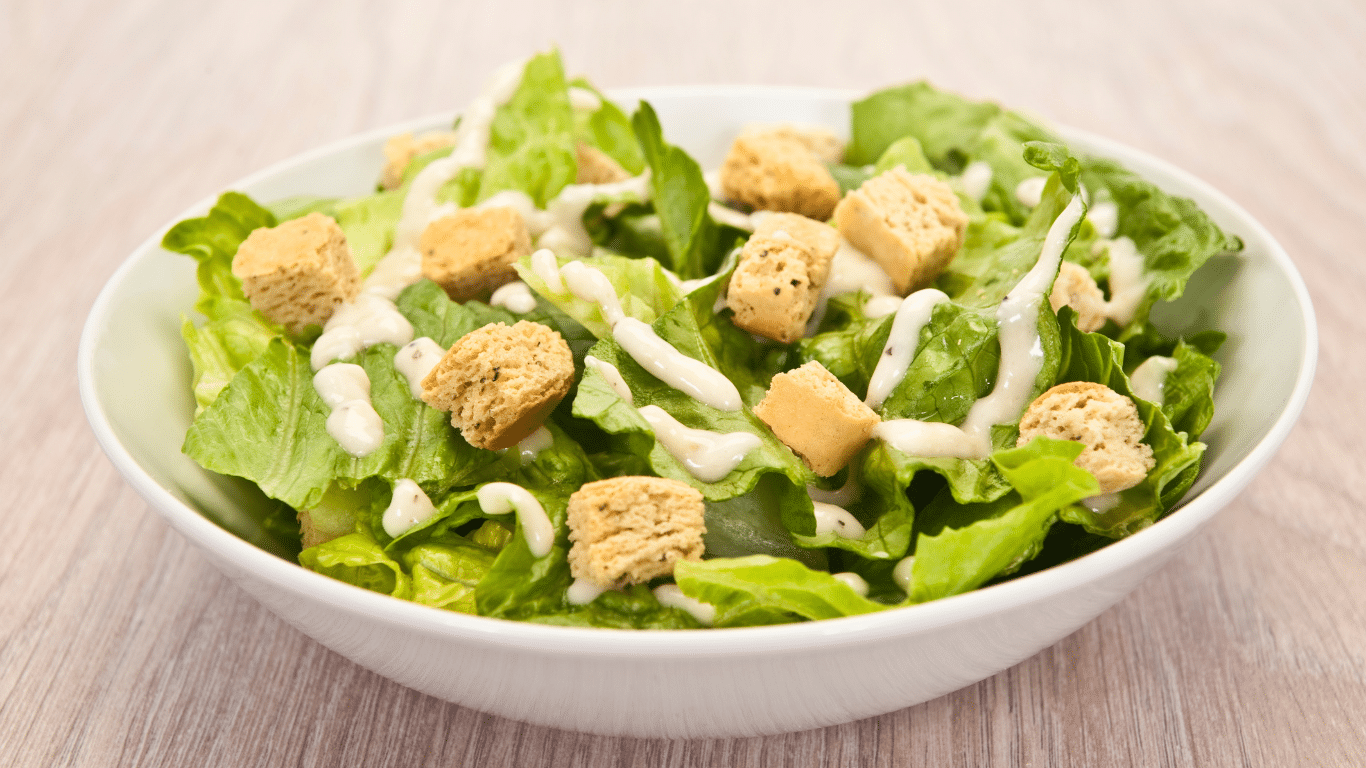
Through its Healthier Food Swaps initiative, the National Health Service encourages simple substitutions that reduce sugar, salt, and fat without sacrificing convenience. The message is clear, even one or two consistent changes in everyday habits can gradually improve dietary quality.
Why Homemade Soup Is A Smarter Choice

Preparing soup at home, such as a spiced chicken and vegetable blend or a hearty harvest vegetable recipe, allows full control over ingredients and seasoning. Making larger batches and freezing individual portions can save time during the week, while also preserving higher levels of nutrients like B vitamins and vitamin C.
Rethinking Popular Snack Pairings
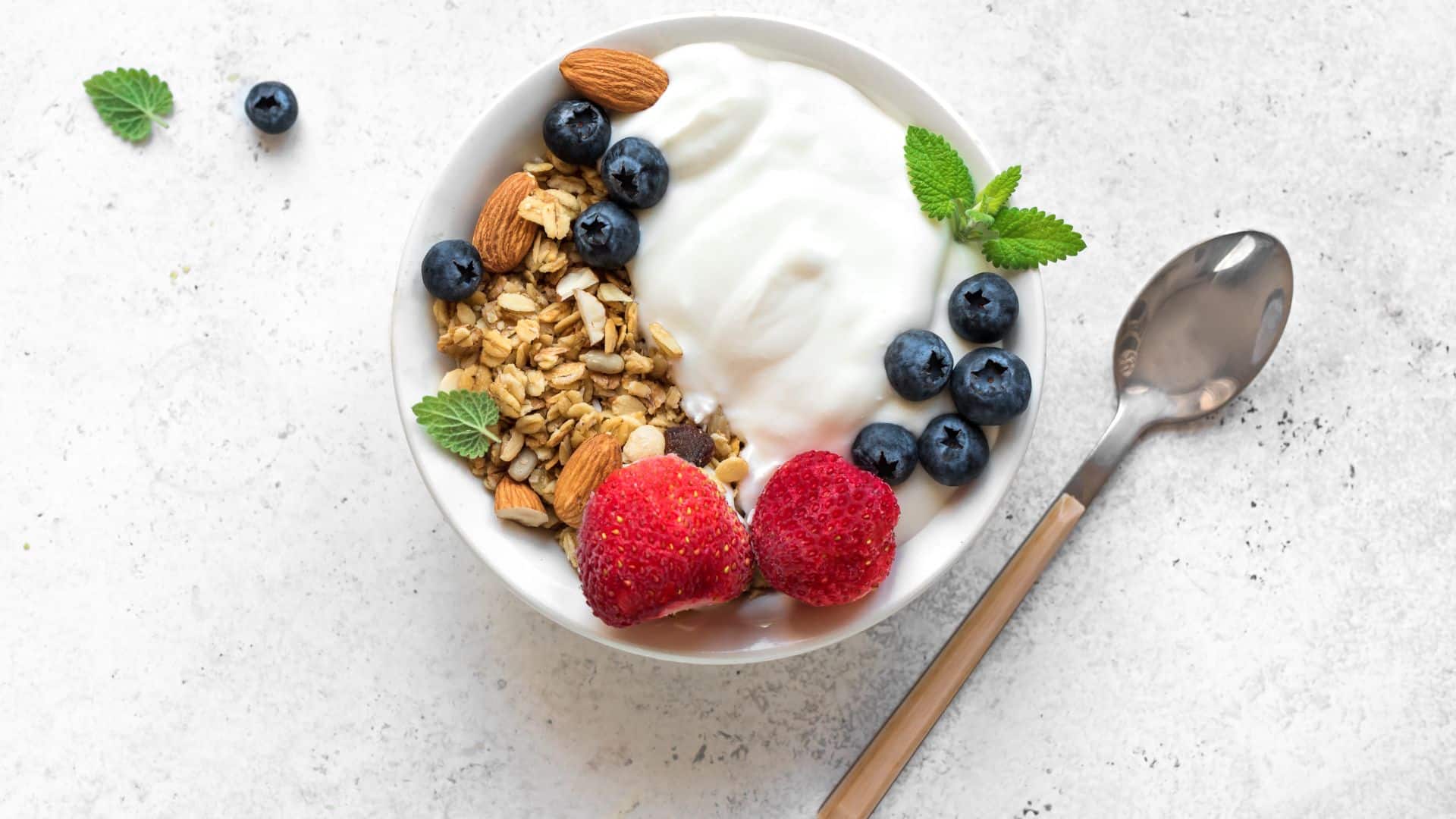
Health officials also suggest replacing split-pot yogurts and dessert cups with plain natural yogurt or lower-sugar fromage frais, and choosing alternatives like malt loaf or fruited teacakes instead of cake bars and chocolate. Swapping crisps for fruit packed in juice, plain popcorn, rice cakes, or raisins can further reduce unnecessary additives.
Smarter Drink Choices For Better Health

Beverages are another area where small decisions matter, as juice pouches and fizzy drinks can contain significant sugar. Opting for water infused with berries and chopped fruit, or drinks with no added sugar, offers hydration without the extra calories, supporting a more balanced and sustainable approach to everyday eating.

