Health Experts Warn These Common Processed Foods Are Linked to Higher Cancer Risk


Higher intake of certain processed foods shows links to increased cancer risk, two studies suggest. Findings published in Nature Communications and The BMJ connect commonly used preservatives to higher rates of cancer and type two diabetes. Those findings focus attention on how often these additives appear in packaged foods, keeping dietary patterns and long-term health outcomes closely tied to everyday consumption.
Preservatives Linked to Higher Cancer Risk
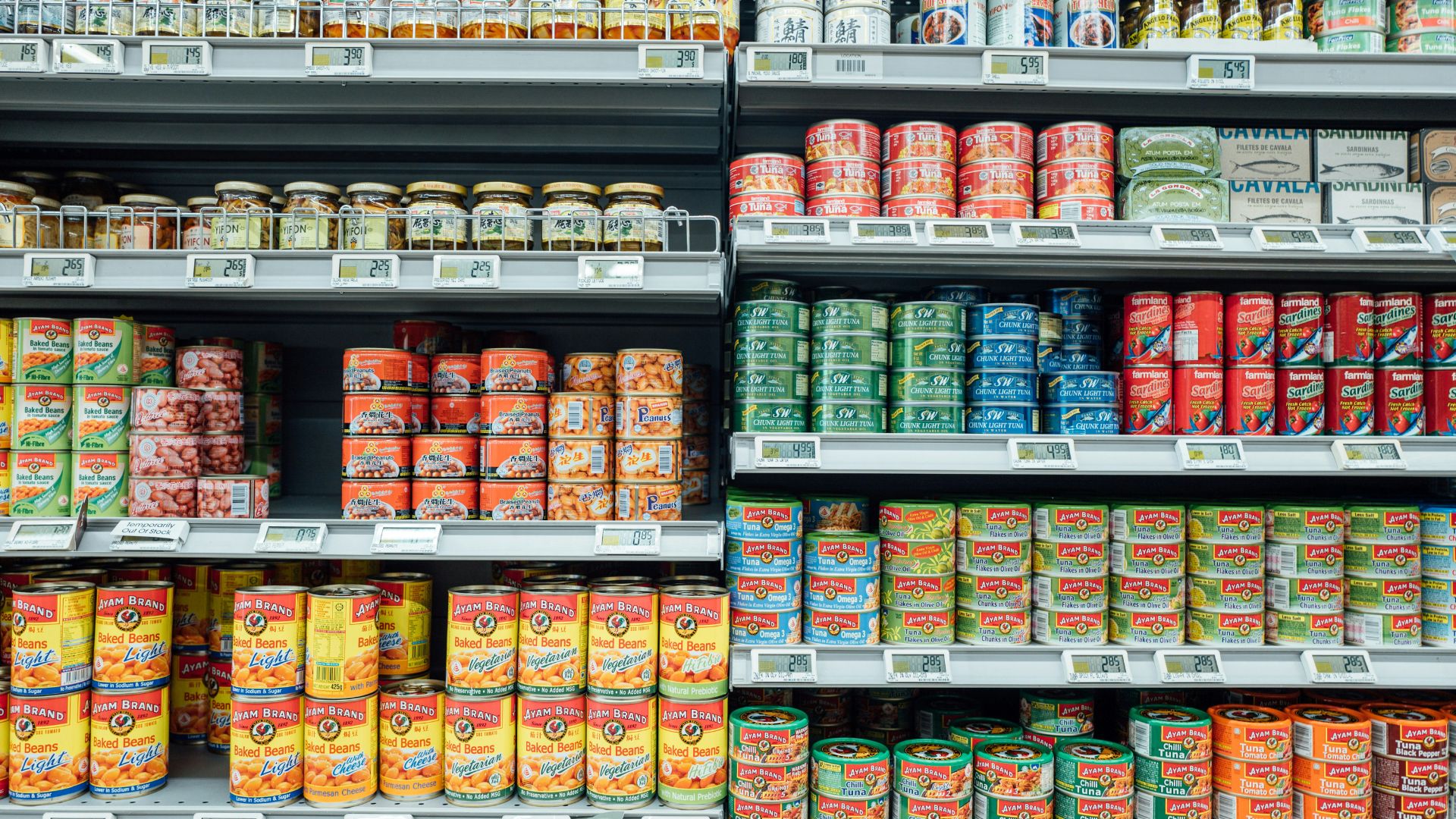
Research from France ties specific preservatives to measurable increases in cancer risk, so the discussion moves beyond general concern. Studies tracking more than 100,000 adults link sodium nitrite to a 32% higher risk of prostate cancer, and potassium nitrate to higher breast cancer rates. Sorbates and acetates also show elevated cancer figures, which keeps attention fixed on how often these additives appear across packaged foods consumed every day.
Ultra-Processed Foods in Daily Diets
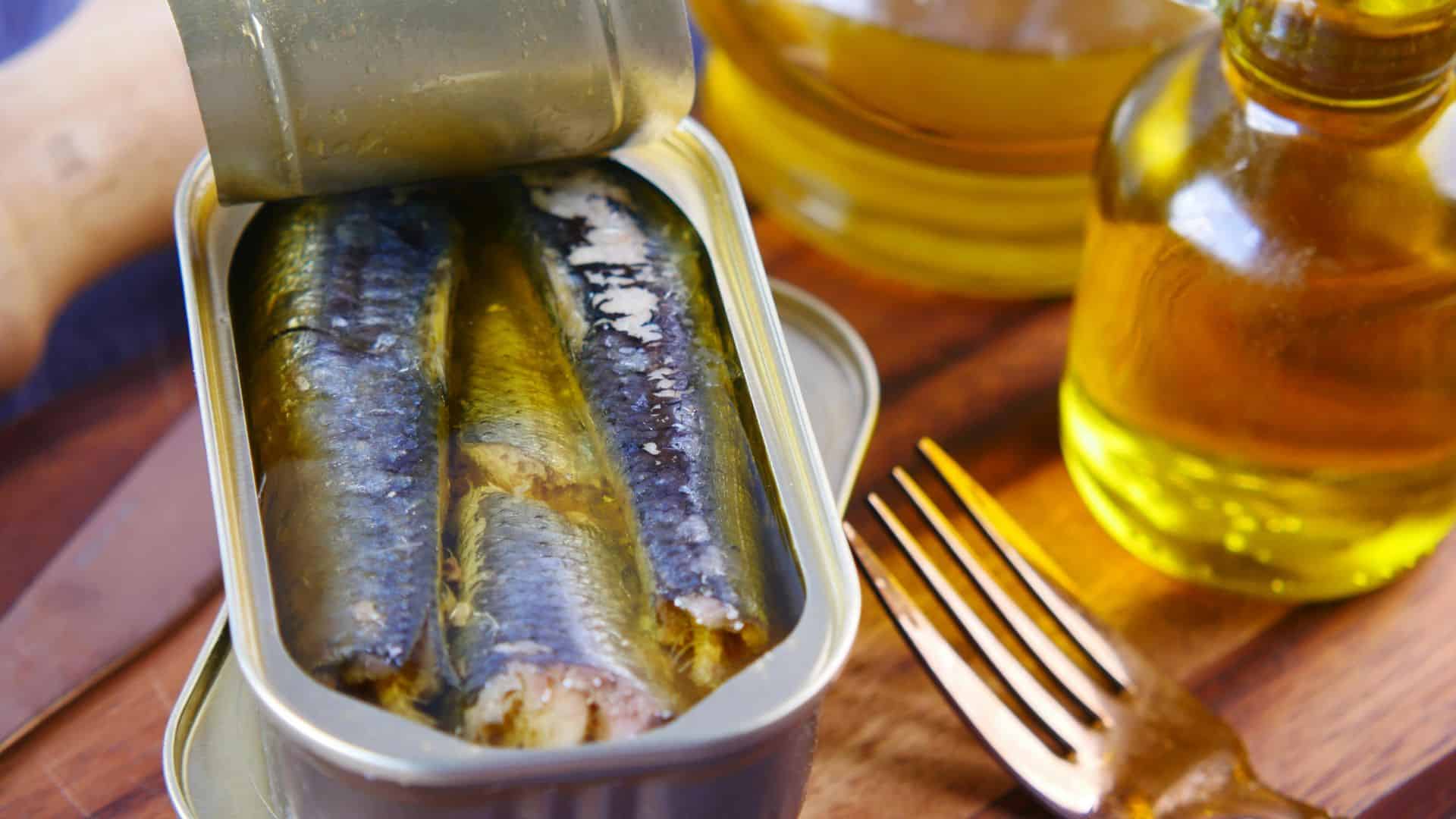
Ultra-processed foods sit quietly inside daily routines, so intake adds up without much notice. Research tied to British diets shows more than half of daily calories now come from these products. Surveys tracking short 24-hour food logs keep pointing to the same pattern, and packaged meals, snacks, and drinks appear again and again. That frequency matters because exposure builds through repetition, not rare splurges.
Common Additives Found in Packaged Foods
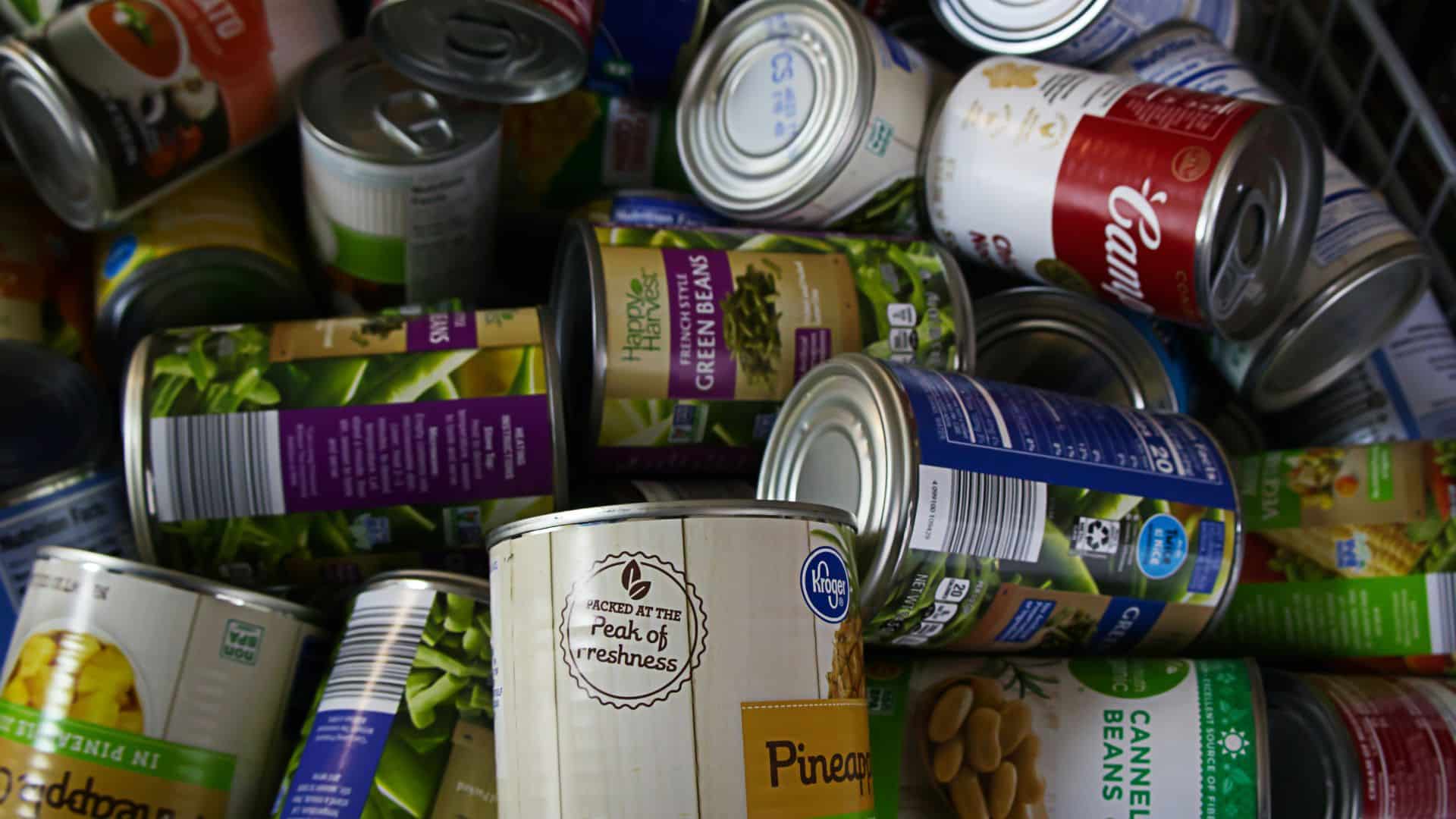
Packaged foods often carry additives that blend into ingredient lists, so repeated exposure feels routine. Research highlights preservatives like sodium nitrite, potassium nitrate, sorbates, and acetates appearing across meats, baked goods, sauces, and drinks. Studies tracking long-term diets link some of these compounds to higher cancer rates, and the same names keep resurfacing on labels. Reading ingredient panels turns into a practical way to notice how often these additives show up across meals.
Processed Meats and Cancer Associations

Processed meats surface often in research, so everyday items like bacon, ham, and deli slices draw closer scrutiny. Studies link sodium nitrite, a common curing preservative, to a 32% higher risk of prostate cancer. Potassium nitrate also appears in these products and shows ties to higher breast cancer rates. With frequent consumption, packaged meats keep preservative exposure steady across regular meals.
Sugary Drinks and Refined Carbohydrates
Breakfast Cereals and Packaged Breads
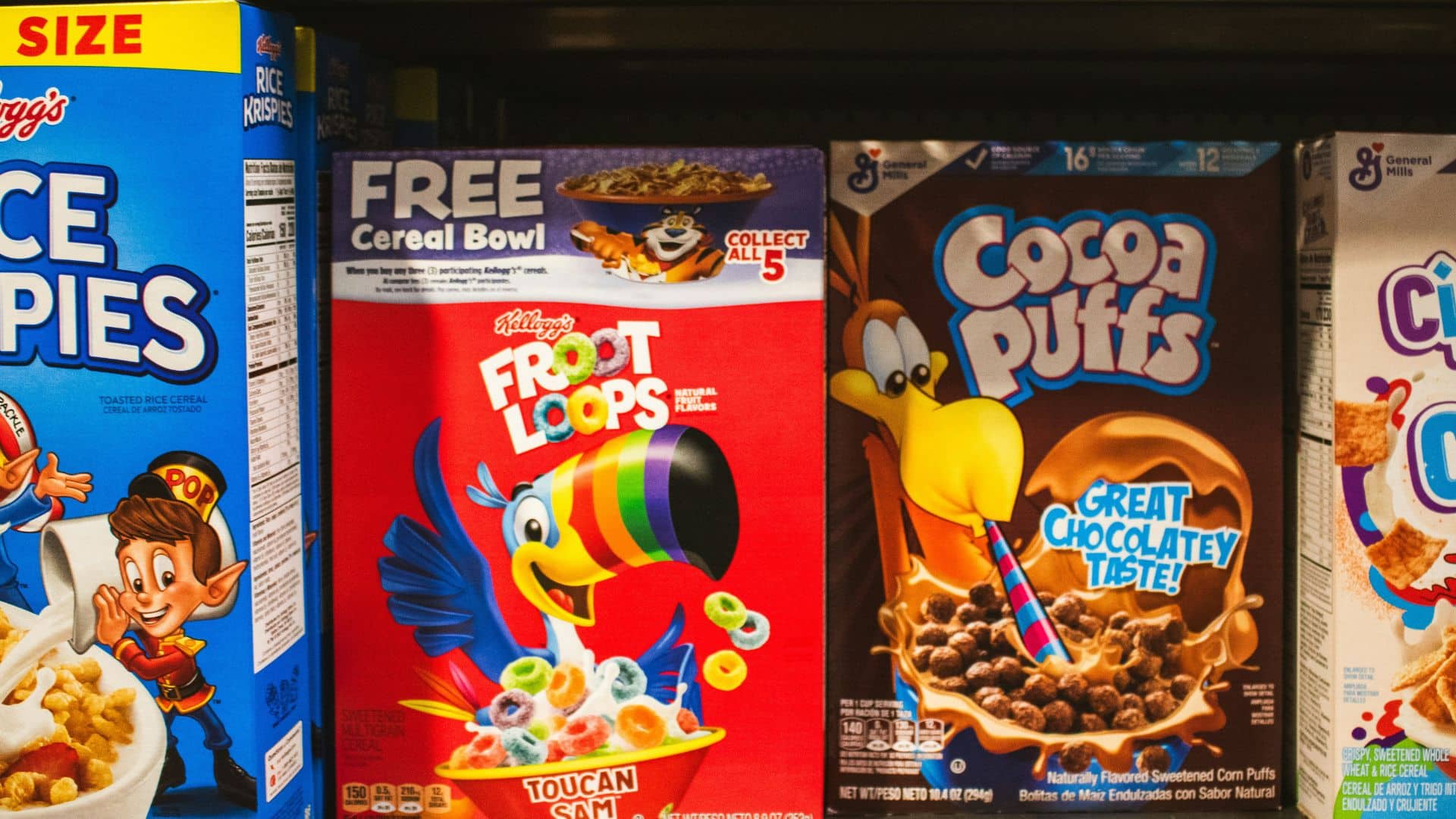
Breakfast cereals and packaged breads often enter daily meals early, so intake feels automatic. Research links certain breakfast cereals to a 16% higher cancer risk, and that finding keeps attention on how processed these products can be. Packaged breads follow a similar pattern, and preservatives added for shelf life appear repeatedly across brands. Over time, repeated exposure builds through routines that rarely feel unusual.
Preservatives Tied to Type Two Diabetes

Preservatives linked to cancer also show ties to type two diabetes, so the focus widens beyond one outcome. Research following nearly 109,000 adults connects a higher intake of certain additives to a 49% higher diabetes risk. Potassium sorbate, sodium nitrite, and acetates appear again across packaged foods, and exposure grows through everyday eating habits. That overlap keeps attention on how the same products surface across multiple health findings.
Why Researchers Call for Further Review
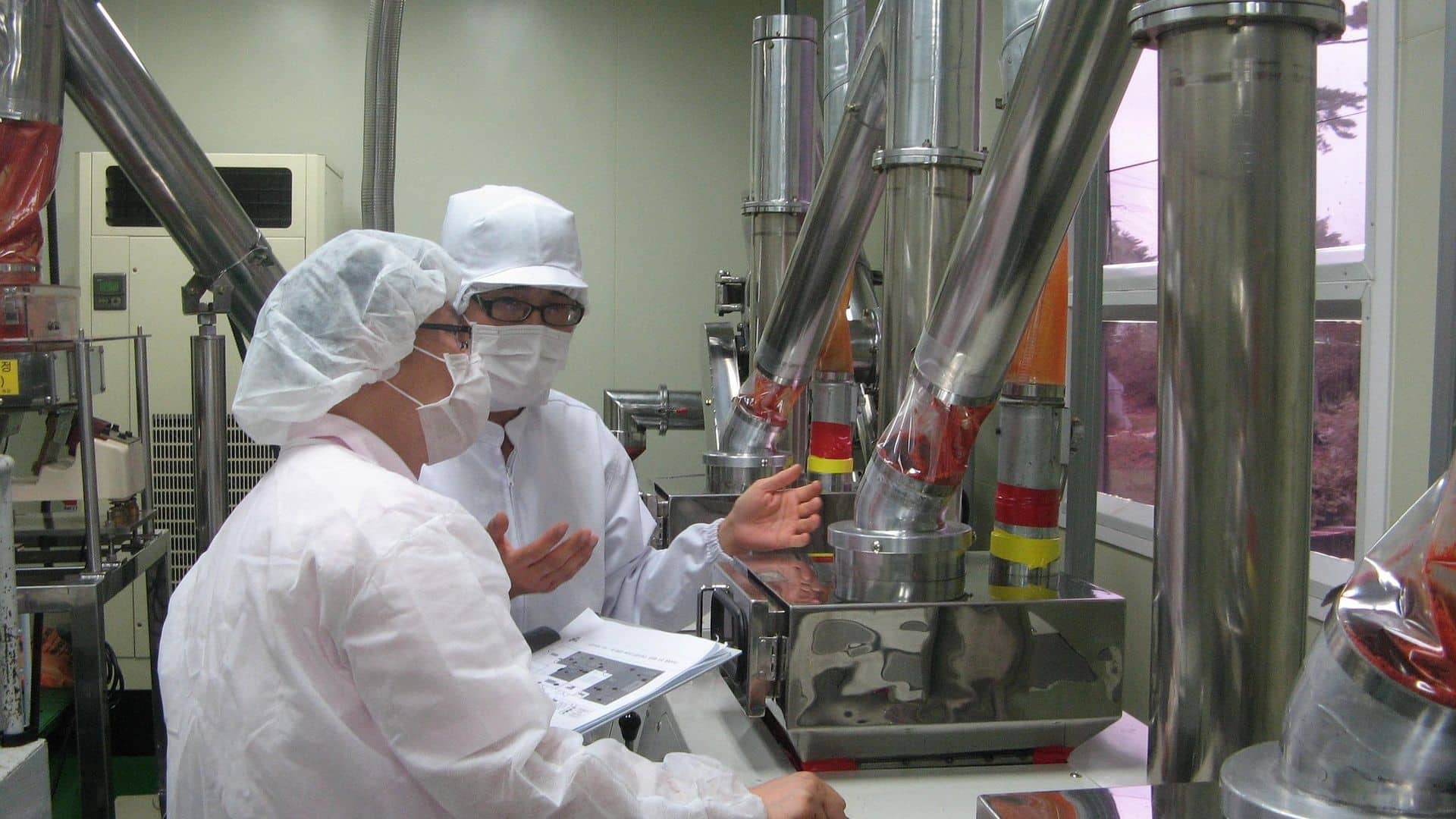
Researchers point to study design and scale, so attention stays on how the data was gathered. Both studies tracked diets and health records for more than a decade, and repeated food logs helped capture real eating patterns. That depth allows links between additives and disease to surface more clearly. Scientists still call for further review because observational data can’t confirm cause, and longer follow-up across different populations may clarify how preservatives affect health over time.
What the Findings Mean for Everyday Food Choices

Ongoing research continues to investigate the long-term health implications of preservatives, and recent findings provide further clarity to this discussion. Large population studies now link repeated exposure to certain additives with higher disease risk, which places routine food choices under closer review. Ingredient labels start to matter more as patterns repeat across meals, and processed foods surface as a common thread that shapes exposure over time.

