Health Officials Issue Important Update on New Bat Virus
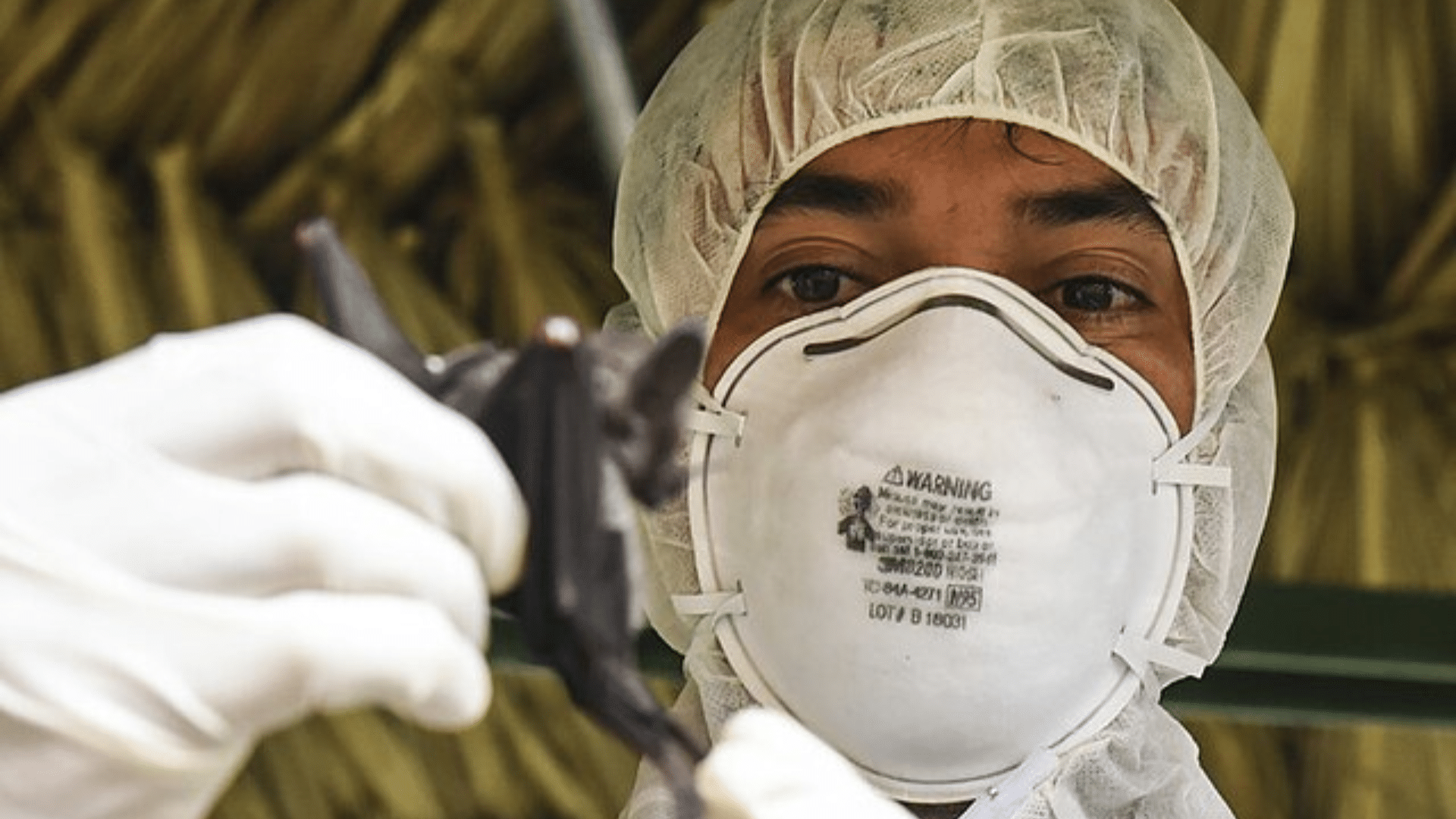

Health officials around the world have issued an important update on the recent outbreak of the bat-borne Nipah virus after cases were confirmed in India’s eastern state of West Bengal, prompting heightened surveillance and public health responses across parts of Asia as countries work to contain the threat and protect travelers. The World Health Organization and Indian health authorities have both emphasized that the current outbreak is limited and that risk remains low at national and global levels, but they continue to monitor the situation closely as efforts to trace contacts and prevent further spread proceed. Nipah virus has a history of causing severe illness with a high fatality rate in past outbreaks, making early detection and containment critical to public safety.
What Nipah Virus Is

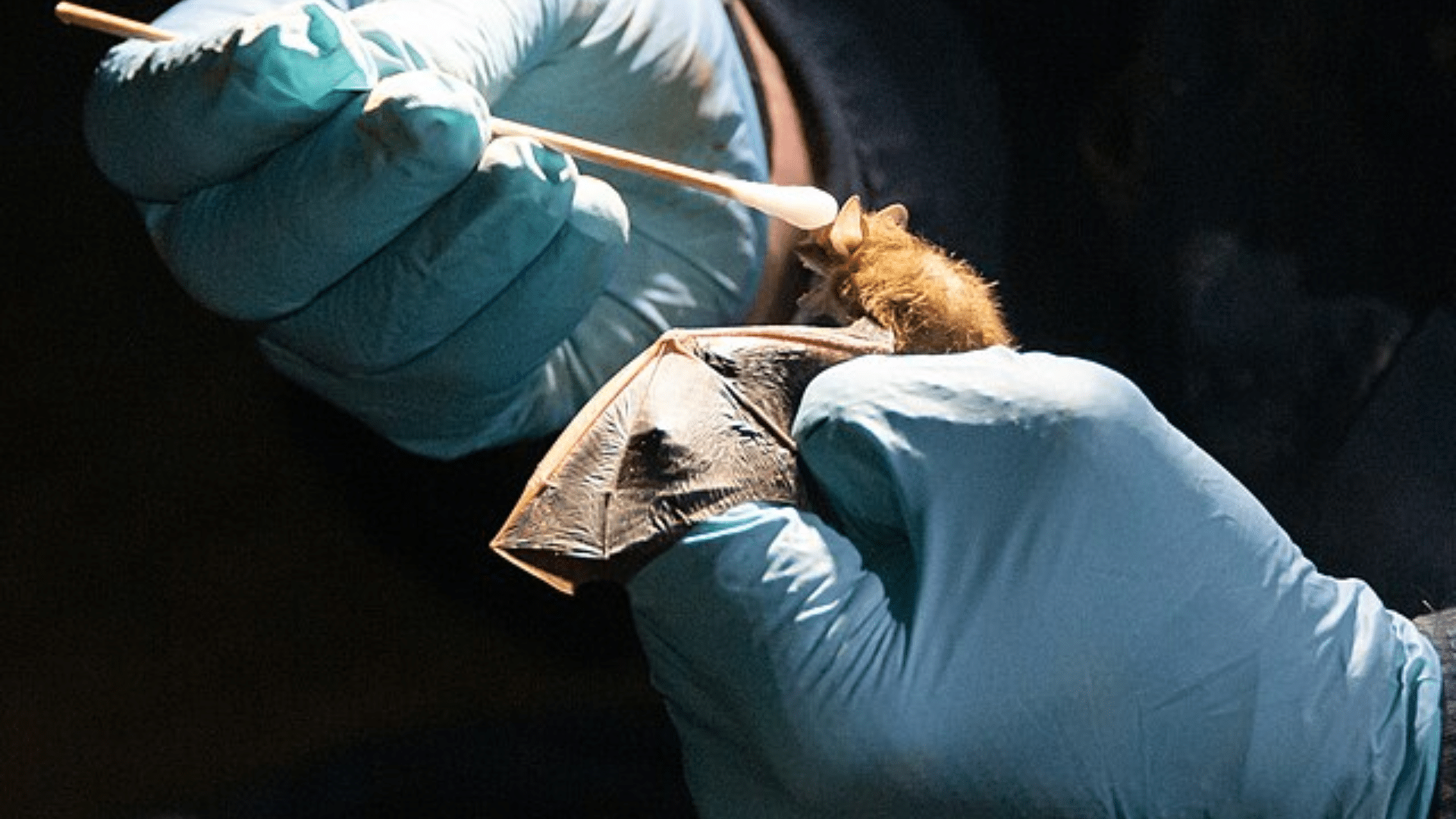
Nipah virus is a rare zoonotic pathogen that usually circulates in animals, particularly fruit bats, but can spill over into humans and cause serious disease including fever, headache, breathing difficulty, and inflammation of the brain, also known as encephalitis. Because there is no licensed vaccine or specific antiviral treatment currently available, supportive medical care is the primary means of helping patients manage symptoms and improve survival outcomes. The virus can also spread between people through close contact with infected individuals or their bodily fluids, though this mode of transmission is generally considered less efficient than airborne viruses.
Latest Outbreak in India
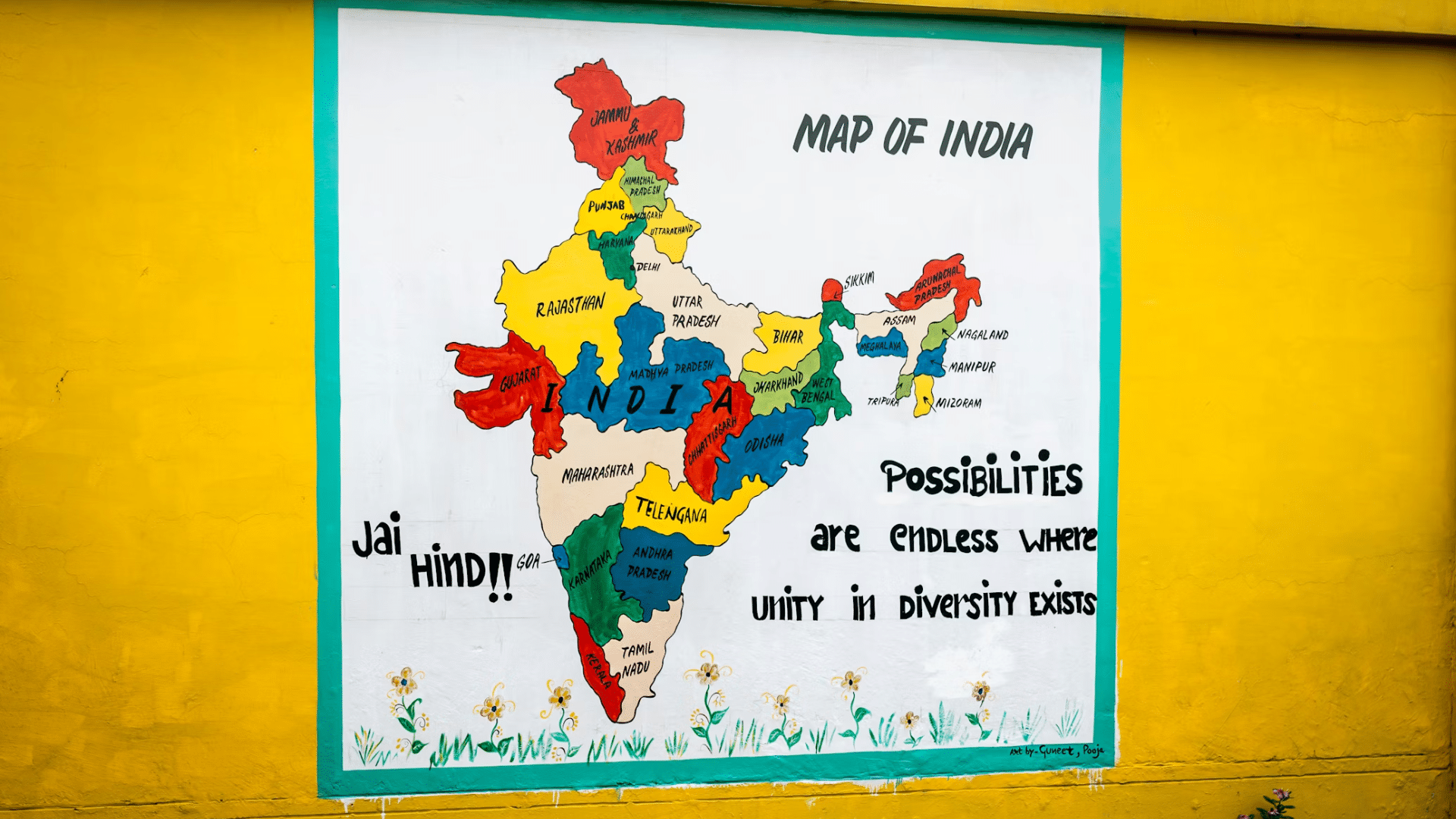
In late January 2026, Indian health authorities confirmed two laboratory-verified cases of Nipah virus infection in West Bengal, both involving healthcare workers who developed symptoms after exposure in a clinical setting, with one patient in critical condition and the other showing clinical improvement. Officials traced and monitored nearly 200 people who were in contact with the confirmed cases, all of whom have tested negative and remained asymptomatic to date, suggesting that early containment efforts have been largely successful. The outbreak marks the third documented occurrence of Nipah in West Bengal since 2001.
Public Health Response and Containment

India’s public health response included extensive contact tracing, laboratory testing, enhanced surveillance, and infection prevention and control measures at hospitals and in the community to prevent further spread of the virus. Mobile high-biosafety laboratories and rapid diagnostic testing were deployed to support local response teams and ensure timely detection and isolation of any potential cases. Authorities reported that the outbreak appears to be geographically limited and that there is no evidence of ongoing community transmission beyond the initial cluster.
Regional Vigilance and Airport Screenings
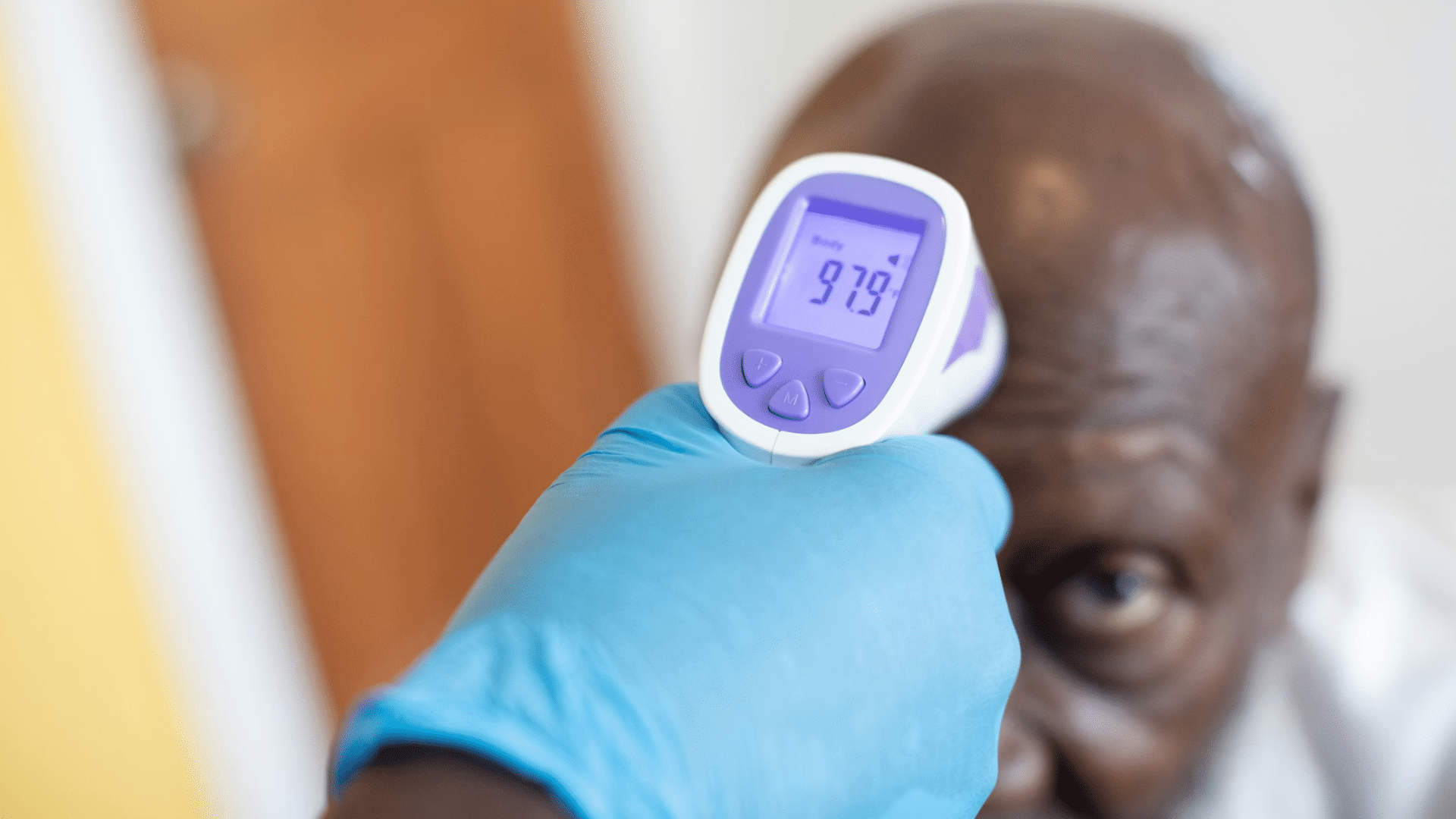
In response to the reported Nipah cases in India, several Asian countries, including Thailand, Singapore, Malaysia, Hong Kong, Vietnam, Nepal, Indonesia and Pakistan, have stepped up health screenings at airports, land border crossings and points of entry to identify symptomatic travelers arriving from affected regions. These measures include temperature checks, health declarations, visual monitoring, and, in some cases, enhanced questionnaire protocols similar to those used during the COVID-19 pandemic. Such regional vigilance aims to slow or prevent potential cross-border spread while keeping travel and commerce open.
WHO Risk Assessment

The World Health Organization has assessed the risk posed by the current Nipah virus event as moderate at the sub-national level in India but low at the national, regional and global levels, and it has not recommended travel or trade restrictions based on current evidence. WHO officials noted that none of the individuals traced so far have developed the infection and that there is no sign of increased human-to-human transmission, factors that contribute to the overall low risk assessment. Experts continue to monitor closely for any changes in transmission patterns or new cases.
Symptoms and Transmission
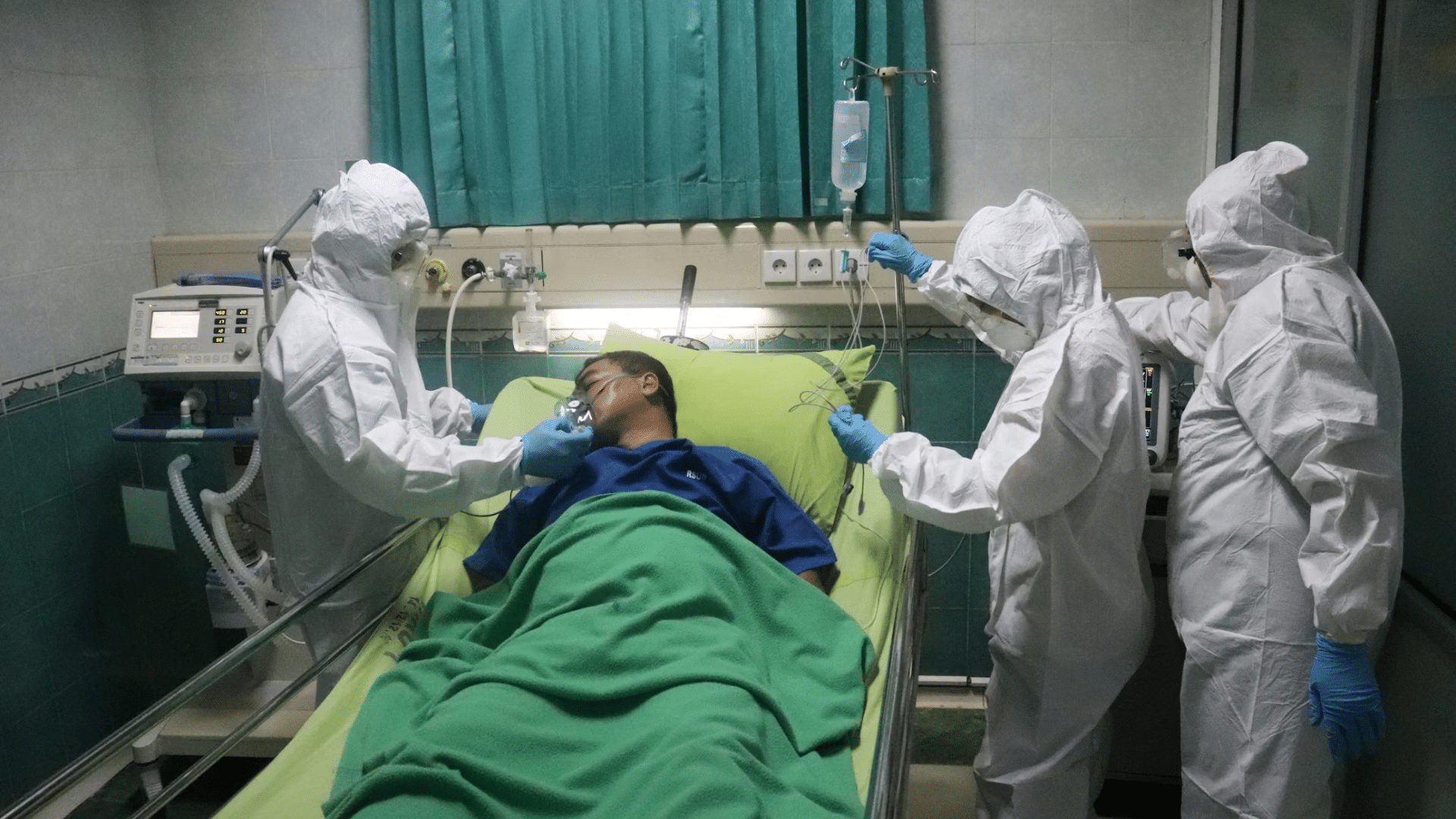
Symptoms of Nipah virus infection typically begin with fever, headache and muscle pain, and can progress to severe respiratory illness and neurological complications such as encephalitis or seizures in more serious cases, sometimes resulting in long-term brain damage or death. The virus is most often transmitted to humans through close contact with infected animals like bats or pigs or through consumption of food contaminated by bat excreta, and human-to-human spread often occurs in healthcare settings without adequate precautions. Because of its high potential fatality rate, rapid detection and isolation remain key to controlling outbreaks.
Why Authorities Are Cautious

Health authorities emphasize caution because Nipah virus, while rare, is considered a priority pathogen due to its high fatality rate and the absence of widely available vaccines or specific therapeutics, prompting research into medical countermeasures and improved surveillance capacity. Officials stress that early containment, strong infection prevention protocols and public awareness about risk factors, such as avoiding contact with fruit bats and their habitats, are crucial for minimizing future outbreaks. Global and regional cooperation in disease monitoring helps ensure rapid detection and response if new cases emerge.
Public Advice and Preparedness

Public health agencies continue to advise travelers to affected regions to practice good hygiene, be aware of symptoms, and avoid exposure to bats, sick animals or unprocessed palm sap that may be contaminated, while also encouraging anyone with symptoms after travel to seek medical care promptly. Countries implementing screenings at ports of entry aim to identify symptomatic travelers early and provide guidance, though authorities note that the general risk to most people remains low as of now. Monitoring and readiness remain essential parts of ongoing preparedness efforts.
Cases in India’s West Bengal
In conclusion, health officials have issued an important update on the bat-borne Nipah virus following confirmed cases in India’s West Bengal, noting that the outbreak is contained, contacts have tested negative, and risk outside the region is considered low while remaining under vigilant surveillance. Regional health authorities have implemented precautionary screenings and surveillance at points of entry, and international bodies like the World Health Organization continue to monitor developments and support containment efforts. Although there is currently no cure or vaccine, early detection, strong public health measures and global cooperation help reduce the risk of wider spread and protect public health.