Health Officials Say Lettuce Keeps Coming Up in Their Investigation Into a Parasite Outbreak
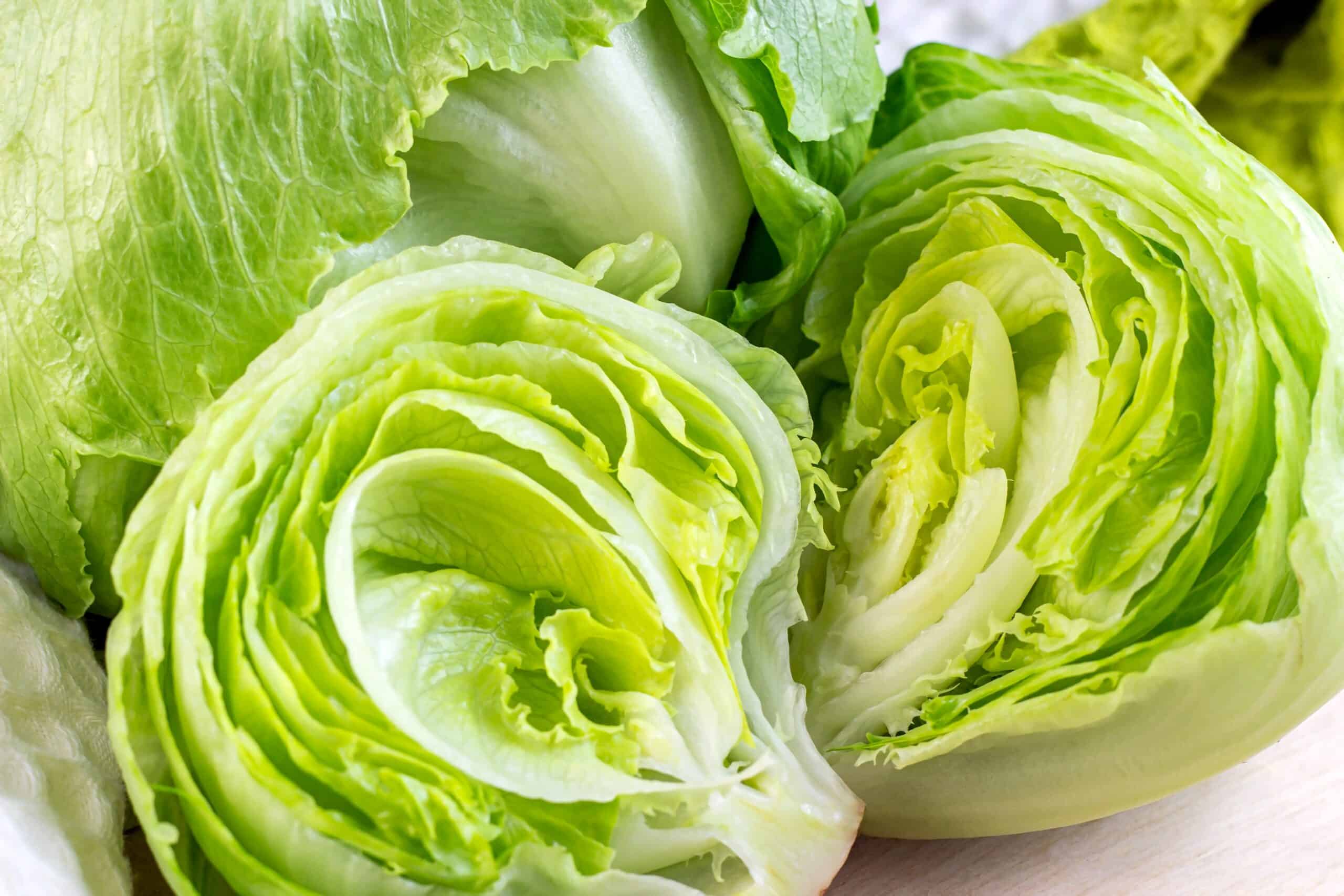

The Cyclospora outbreak isn’t new, but the investigation is taking a clearer direction. As Cyclospora infections continue to rise across the U.S., health officials say one ingredient keeps appearing in patient interviews and supply chain investigations: lettuce. While investigators are still working to answer every question, recent findings have pushed shredded iceberg lettuce to the forefront of the outbreak, prompting recalls and renewed food safety warnings.
Why Investigators Keep Returning to Lettuce

Officials in Michigan, where one of the largest outbreaks has occurred, reported that lettuce repeatedly surfaced during patient interviews and traceback investigations. Federal agencies later linked a five-state outbreak to shredded iceberg lettuce served at Taco Bell restaurants in Michigan, Ohio, Indiana, Kentucky, and West Virginia. Investigators traced the product back to a single supplier in central Mexico, although officials continue to investigate whether additional outbreaks elsewhere are connected or involve different foods.
A Recall Expanded the Investigation
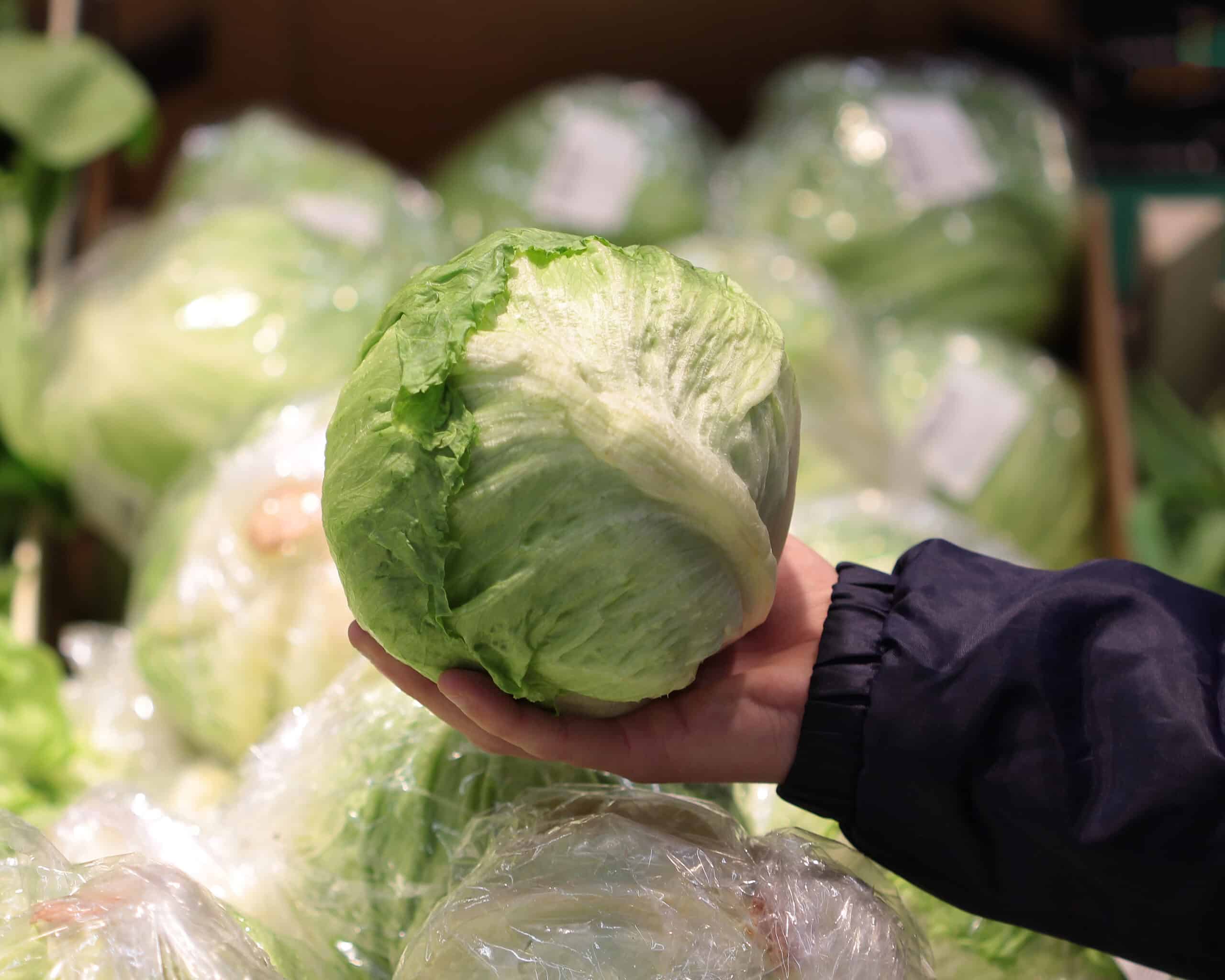
On July 17, Taylor Farms de Mexico voluntarily recalled all iceberg lettuce sourced from central Mexico for the U.S. market because of possible Cyclospora contamination. The recall covers products distributed to restaurants, food service companies, retailers, and grocery stores across more than two dozen states. It also includes two Marketside retail products sold at Walmart: Marketside Iceberg Salad in 12-ounce and 24-ounce packages and Marketside Shredded Lettuce in 8-ounce and 16-ounce packages with specified use-by dates. Consumers are advised not to eat the recalled products and to throw them away or return them to the store.
A False Positive Did Not End the Case
The investigation briefly took an unexpected turn when the FDA announced that one laboratory test showing Cyclospora on lettuce turned out to be a false positive. Even so, officials emphasized that the overall investigation has not changed. FDA Acting Food Chief Donald Prater said the agency’s traceback work and outbreak data continue to point toward shredded iceberg lettuce from Taylor Farms’ operations in central Mexico. Investigators noted that foodborne illness investigations often rely on supply chain evidence and illness patterns rather than a single laboratory result because Cyclospora is especially difficult to detect in produce samples.
Why Lettuce Is Especially Vulnerable
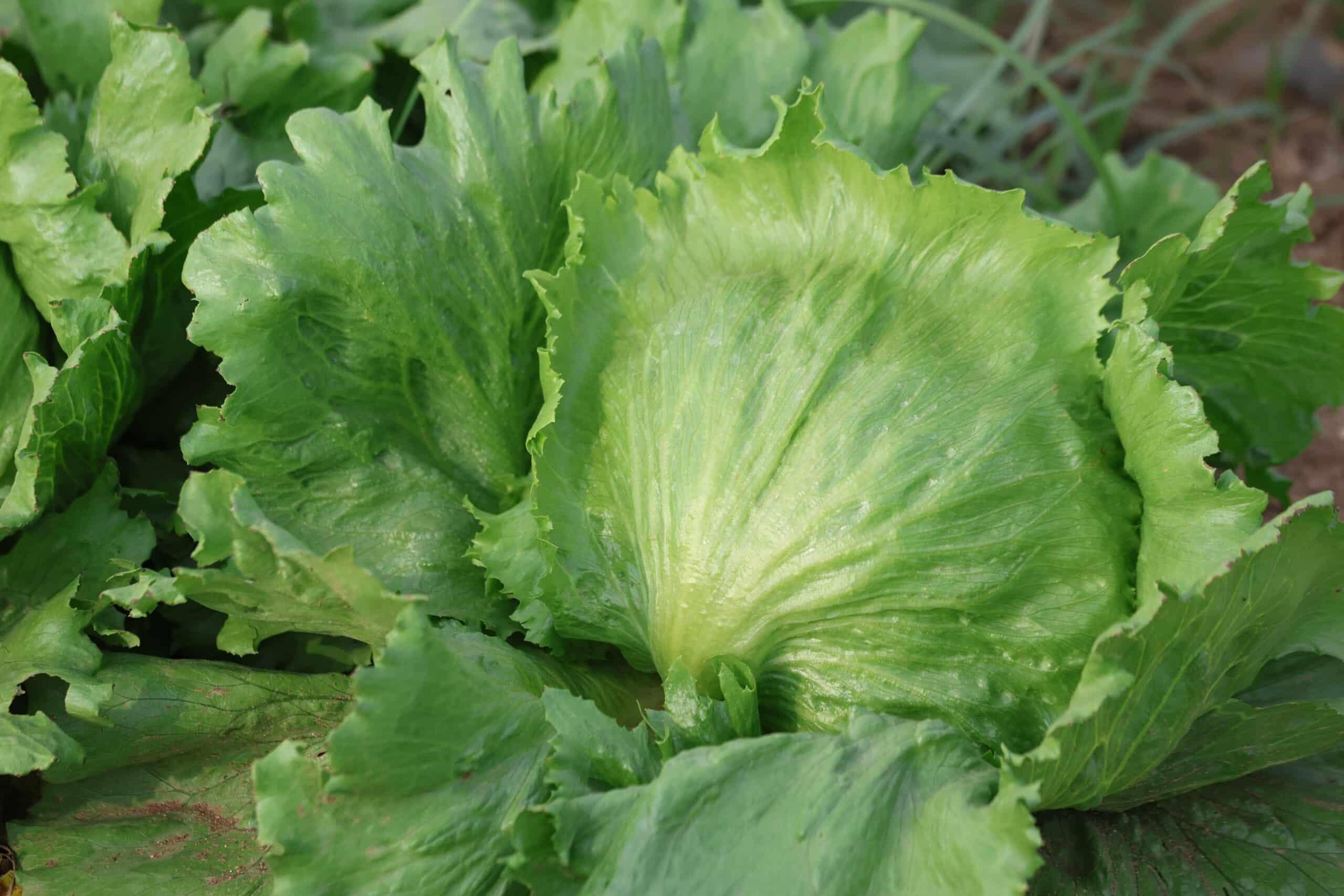
Experts say leafy greens can easily become contaminated if irrigation or wash water contains the microscopic Cyclospora parasite. Unlike foods that are cooked before eating, lettuce is usually consumed raw, eliminating an important step that can destroy harmful organisms. Researchers also note that the folds and textured surfaces of leafy greens can trap contaminants, making them more difficult to remove through washing alone.
The Outbreak Is Larger Than a Single Recall
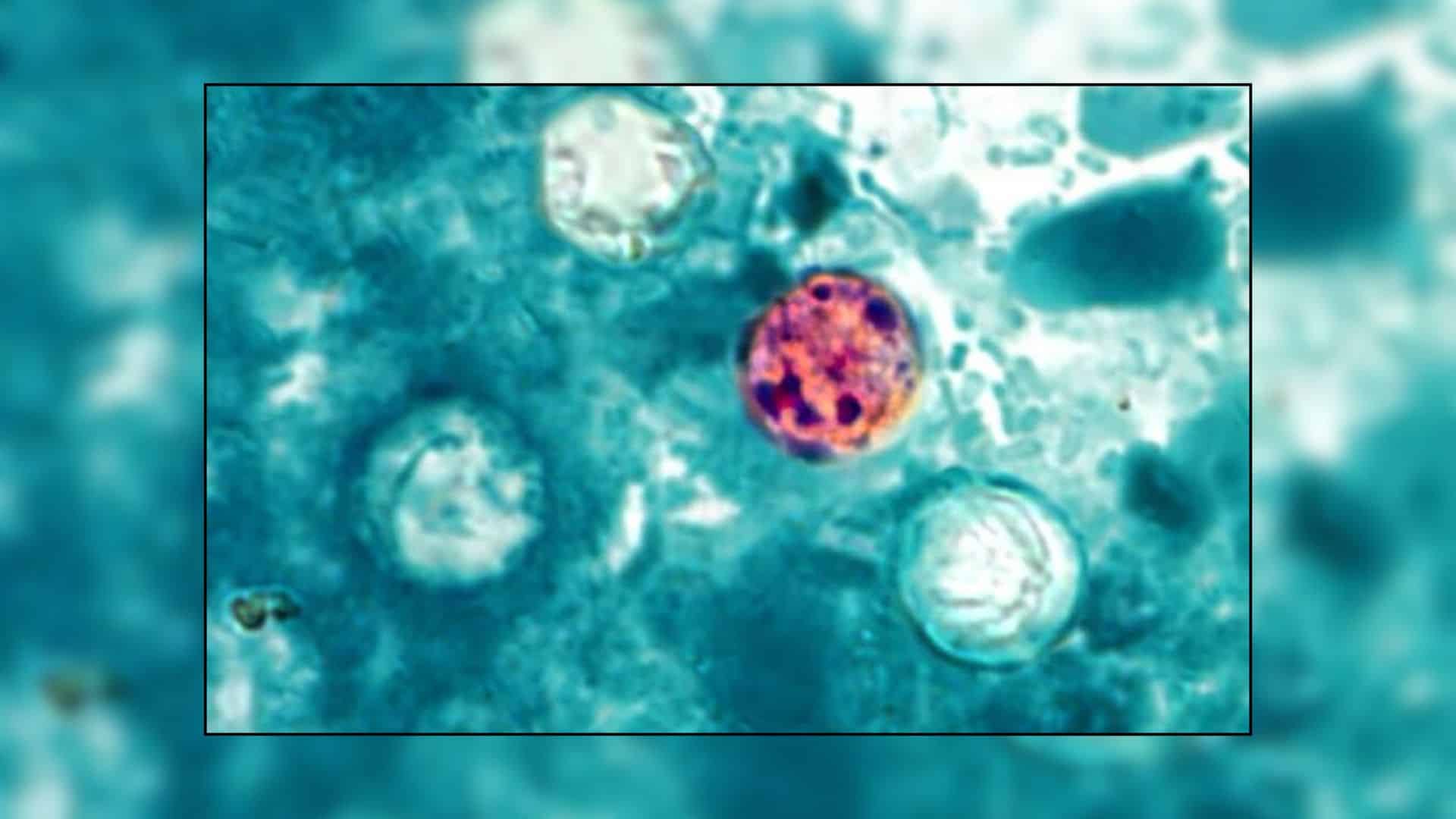
While the lettuce recall has received widespread attention, federal health officials caution that it explains only one portion of this year’s unusually large rise in Cyclospora infections. The CDC has confirmed more than 1,600 cases across 34 states while reviewing thousands of additional reports. Officials believe multiple unrelated outbreaks may be occurring at the same time, meaning not every illness is necessarily connected to the recalled lettuce.
Other Produce Has Caused Outbreaks Before
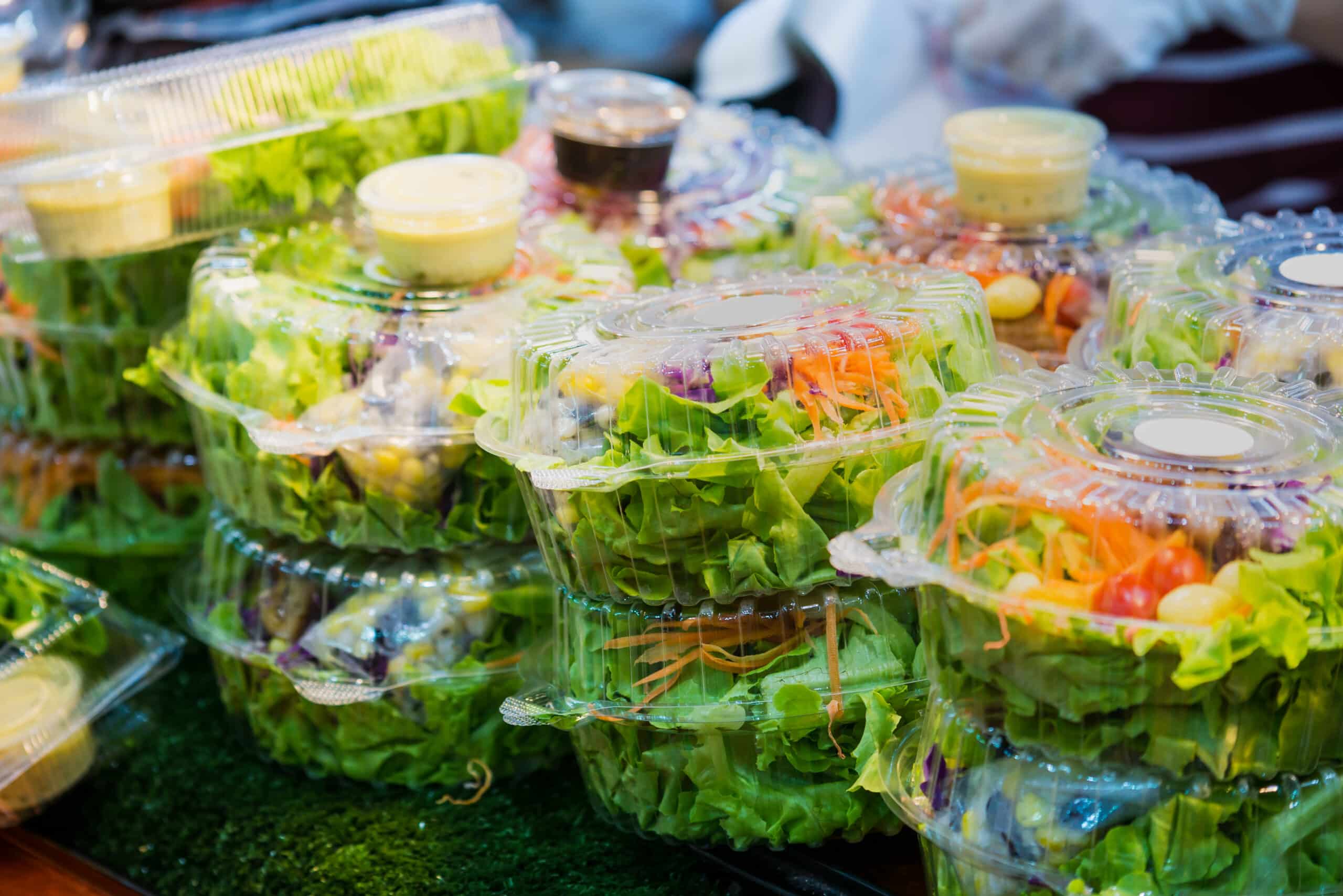
Lettuce is not the only produce item that has been associated with Cyclospora in previous years. According to outbreak records, past investigations have linked illnesses to foods including cilantro, basil, raspberries, parsley, green onions, snow peas, bagged salad mixes, romaine lettuce, strawberries, zucchini, carrots, celery, tomatoes, onions, and blackberries. That history is one reason investigators remain cautious about ruling out additional foods while the current investigation continues.
Experts Are Urging Caution, Not Panic
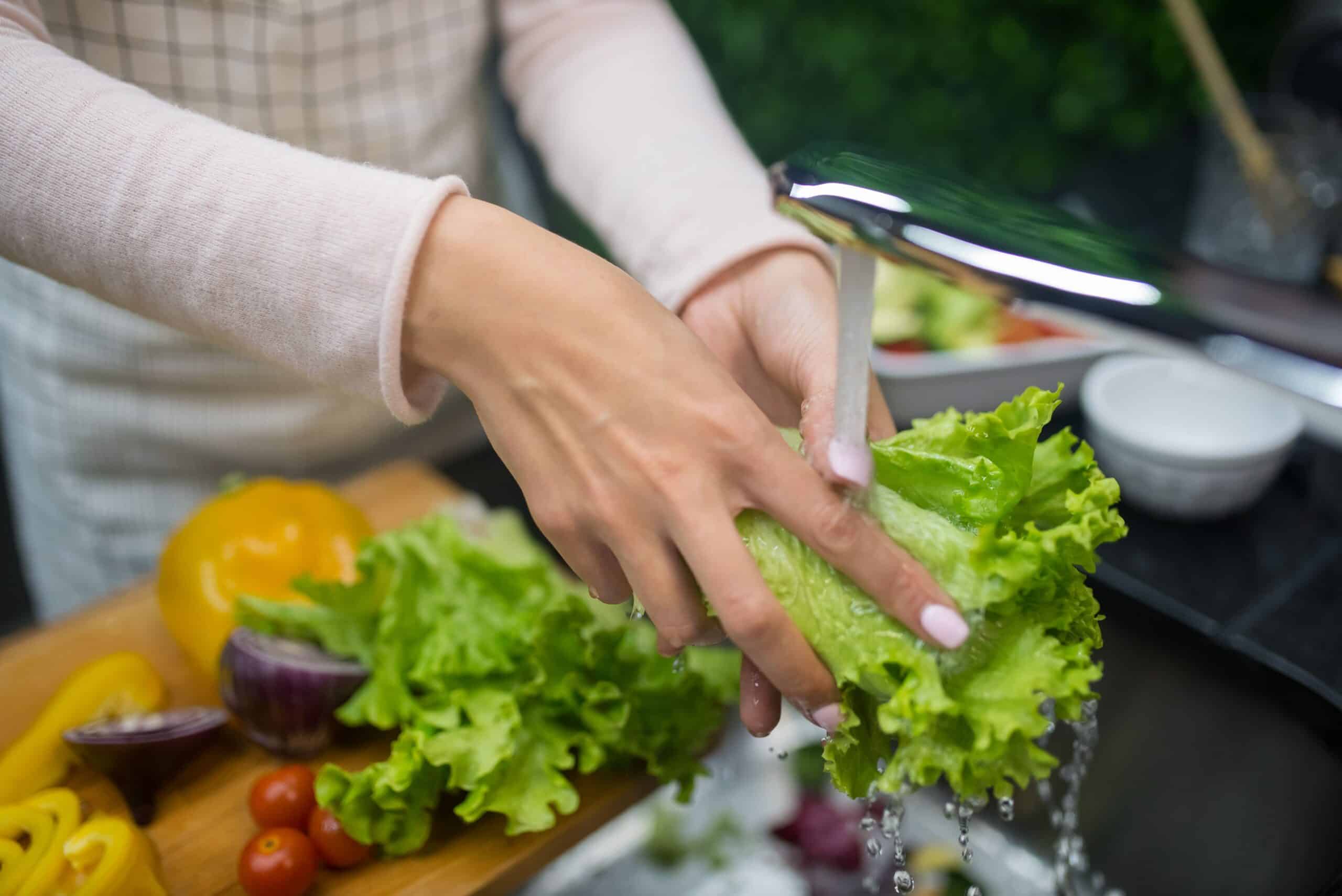
Despite the attention surrounding lettuce, food safety experts are not telling people to stop eating fresh produce altogether. Dr. Rabia de Latour of NYU Langone said she is personally avoiding certain high-risk produce until investigators identify the exact source, while Rutgers University food microbiologist Don Schaffner said he has not changed his own produce consumption. Experts instead emphasize washing produce under running water, practicing good kitchen hygiene, and remembering that the health benefits of eating fruits and vegetables still outweigh the current risks.
Recognizing the Symptoms Matters

Cyclospora infections usually begin about a week after exposure, although symptoms can appear anywhere from two days to more than two weeks later. Common symptoms include watery diarrhea, loss of appetite, weight loss, nausea, bloating, cramping, fatigue, and increased gas. Because routine stool tests do not always screen for Cyclospora, the CDC advises people with persistent symptoms to ask their healthcare provider specifically about testing if they suspect exposure.
The Investigation Is Still Evolving

Health officials continue to trace supply chains, interview patients, and analyze new illness reports as the investigation moves forward. More states could be added to current advisories if additional links emerge, and officials stress that consumers should pay close attention to recall announcements rather than assume every lettuce product is unsafe. As investigators narrow down the exact sources behind this year’s surge, their findings will shape both future recalls and broader efforts to strengthen food safety before the next produce season begins.

