‘Healthier’ Restaurant Meal May Be Doing ‘More Serious Damage’ Than Fast Food You’re Eating


Dining out is often perceived as a more wholesome alternative to the drive through. Yet research published in the European Journal of Clinical Nutrition suggests the distinction is not so simple. Full service restaurant meals can rival, and in some measures exceed, the nutritional drawbacks of fast food. The findings challenge assumptions about where the real dietary risks lie.
Mining A Decade Of Eating Data

Researcher Ruopeng An of the University of Illinois at Urbana-Champaign analyzed dietary recall data from the National Health and Nutrition Examination Survey spanning 2003 to 2010. Nearly 19,000 adults reported everything they ate over two days. The dataset allowed scientists to compare home cooked meals, fast food, and full service restaurant dining. The contrasts were striking.
Calories Add Up Quickly
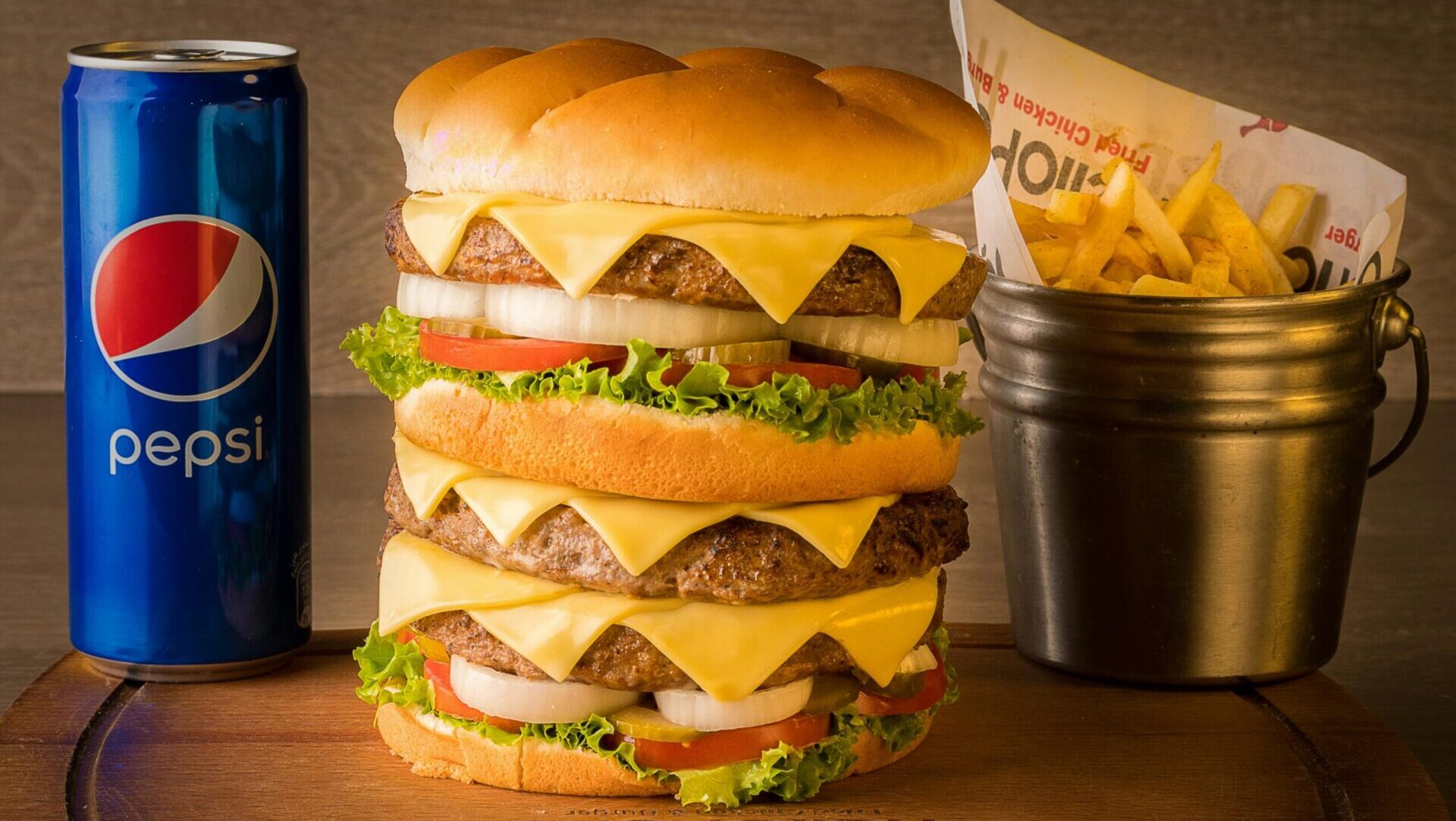
Eating at fast food establishments was associated with an average increase of 190 calories per day. Dining at full service restaurants added roughly 187 extra calories daily. Both settings also contributed about 10 additional grams of fat per day. Compared to home meals, the nutritional toll was consistent across categories.
The Sodium And Cholesterol Surprise

While fast food often bears the brunt of criticism, full service restaurants added even more sodium and cholesterol. Restaurant dining contributed an extra 412 milligrams of sodium per day compared with 297 milligrams from fast food. Cholesterol intake also rose more sharply in restaurant settings. The results complicate the narrative that sit down dining is automatically healthier.
Why Dining in Changes Behavior

Interestingly, eating restaurant food at home through takeout was associated with fewer excess calories than eating on site. Diners consumed about 200 additional calories when eating inside a restaurant, compared with 121 extra calories when eating the same food at home. Researchers suggest the relaxed, social atmosphere encourages overconsumption. Longer meals and larger portions subtly influence intake.
Not All Restaurant Nutrients are Negative
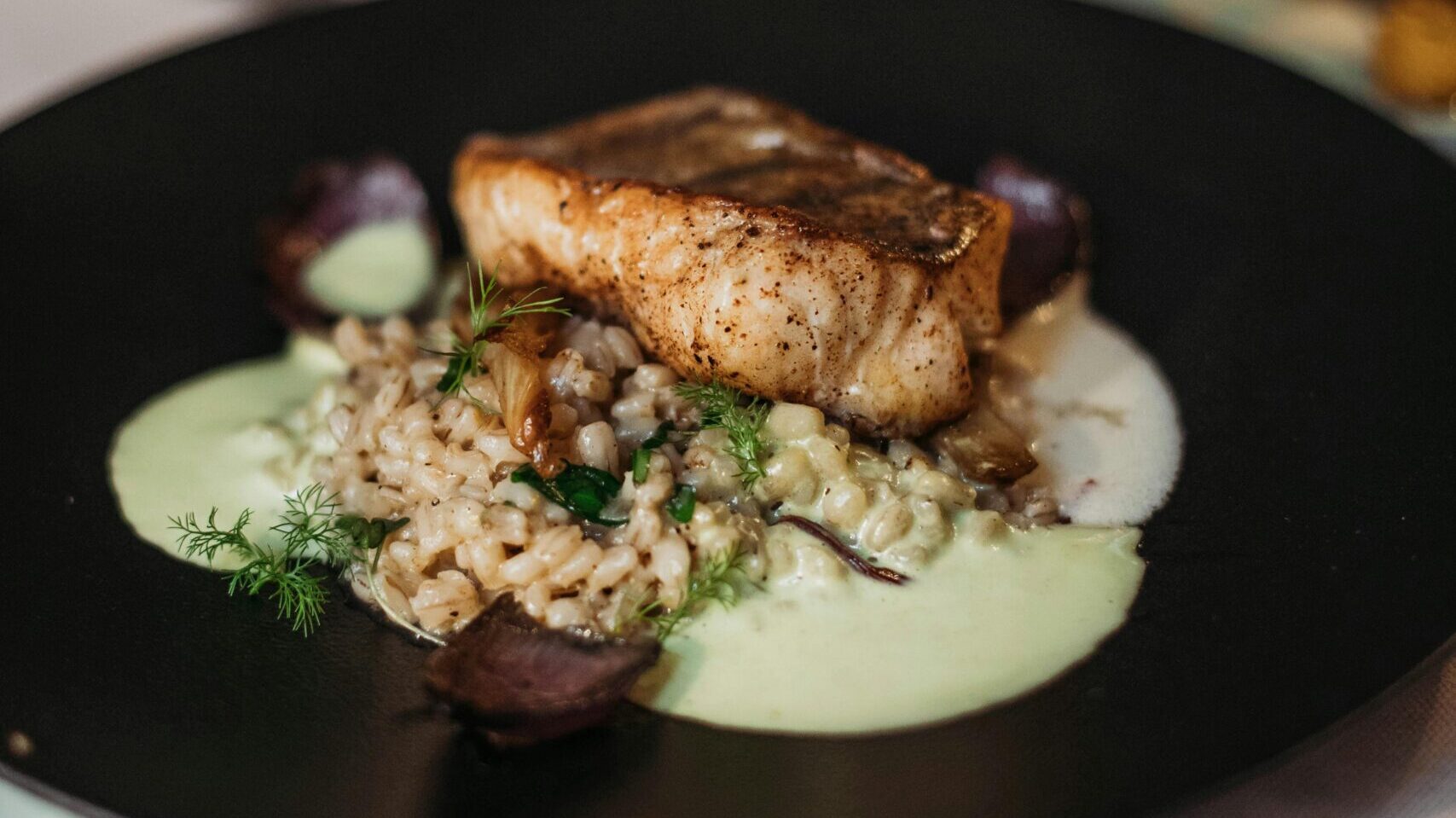
The analysis did reveal some advantages to full service restaurants. Compared with fast food, restaurant meals were associated with higher intakes of omega 3 fatty acids and micronutrients such as magnesium, potassium, and zinc. Sugar intake was also somewhat lower in sit down establishments. The nutritional landscape is nuanced rather than uniformly bleak.
Portion Size Remains The Central Issue

One consistent driver of excess intake is portion size. Restaurant servings frequently exceed recommended daily amounts for calories and sodium in a single dish. Consumers often feel compelled to finish what is served. Bringing leftovers home can significantly reduce overall consumption.
The Home Kitchen Advantage

Meals prepared at home were consistently linked to lower calories, fat, saturated fat, and sodium. Cooking allows individuals to control ingredients, preparation methods, and portion sizes. Even modest shifts toward home cooking can reduce daily excess intake. Nutritional awareness begins with control over the plate.
Shifting The Focus Beyond Fast Food

Public health discussions often target fast food chains as the primary dietary villain. However, non chain and full service restaurants receive comparatively less scrutiny. The research suggests that calorie dense meals are not confined to quick service counters. Greater transparency across all dining formats may help consumers make more informed choices.
Rethinking What “Healthier” Really Means

The study underscores a broader lesson about modern eating habits. Restaurant dining, whether fast casual or upscale, often carries hidden nutritional costs. Social context, portion size, and preparation methods all shape health outcomes. In the end, moderation and mindful consumption may matter more than the setting in which a meal is served.
