Heinz Finally Settles the Ketchup Debate Over Where it Should be Stored
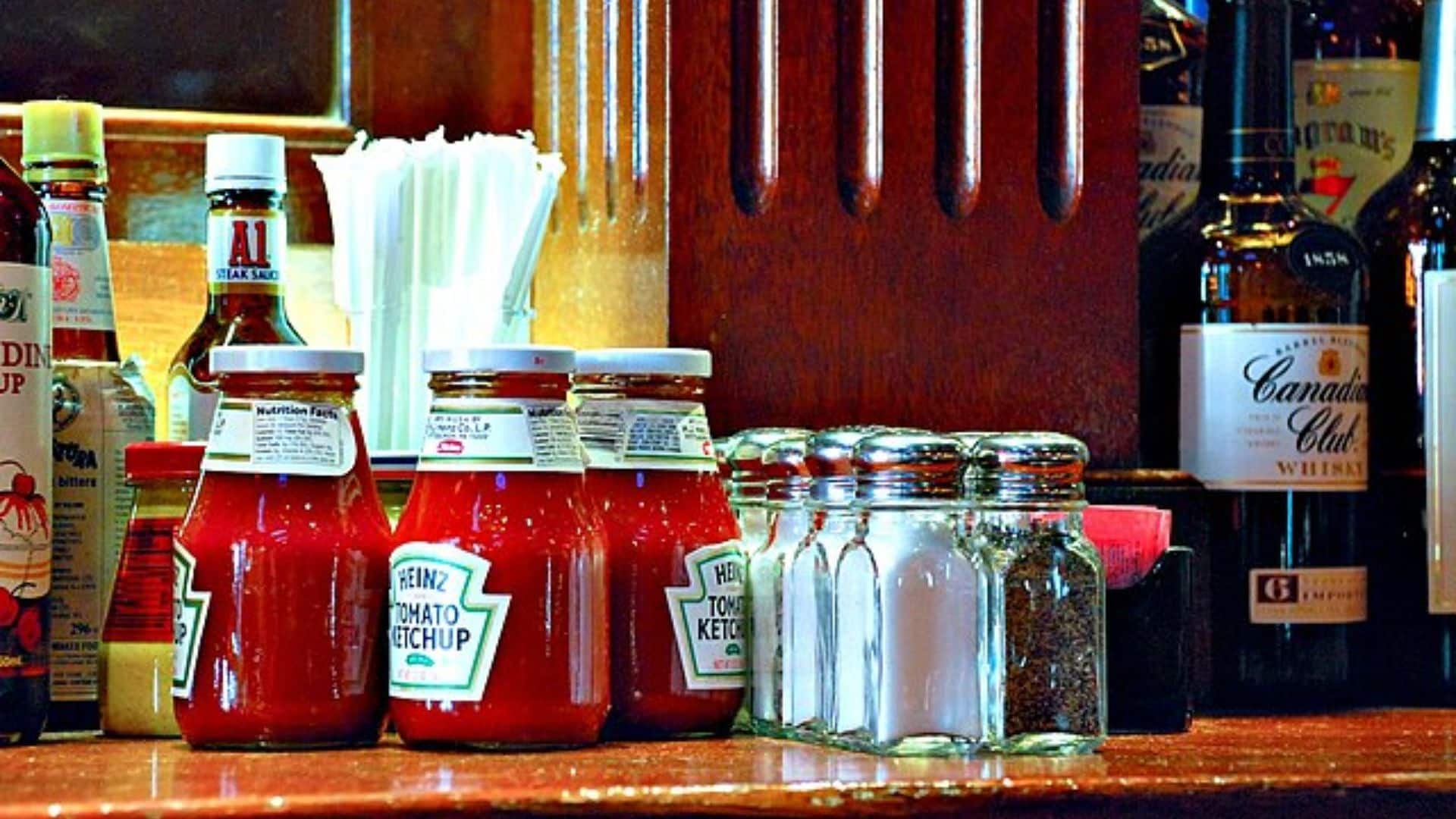

For years, people have argued about where ketchup truly belongs—refrigerator or cupboard. Families, roommates, and internet strangers have argued for years over the “right” answer. The question has split homes and comment sections alike, each side convinced they’re keeping their ketchup fresher. But Heinz, the world’s most iconic ketchup maker, has finally stepped in to end the dispute. After polling over 2,500 fans online, they discovered opinions were almost perfectly divided.
A Condiment That Divides Kitchens Everywhere
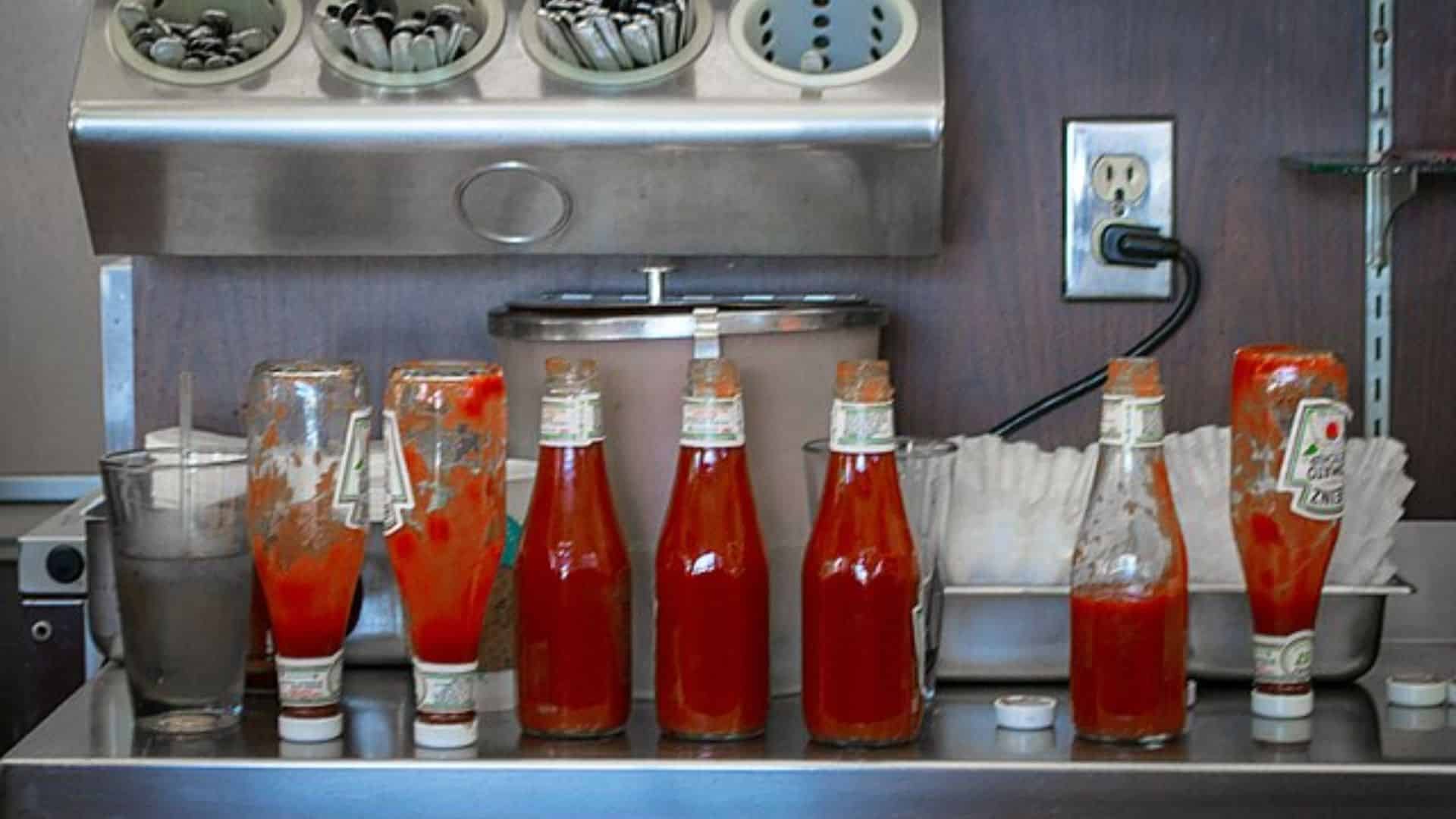
Ketchup is one of those must-have items in nearly every kitchen. From fries and burgers to eggs and fish sticks, it’s a staple condiment. Yet, it turns out most people have been storing it incorrectly. While some proudly display it in their cupboards, others insist on refrigeration. Heinz’s revelation has sent shockwaves through households that have long believed ketchup could comfortably live on the counter.
The Social Media Poll That Sparked the Chaos
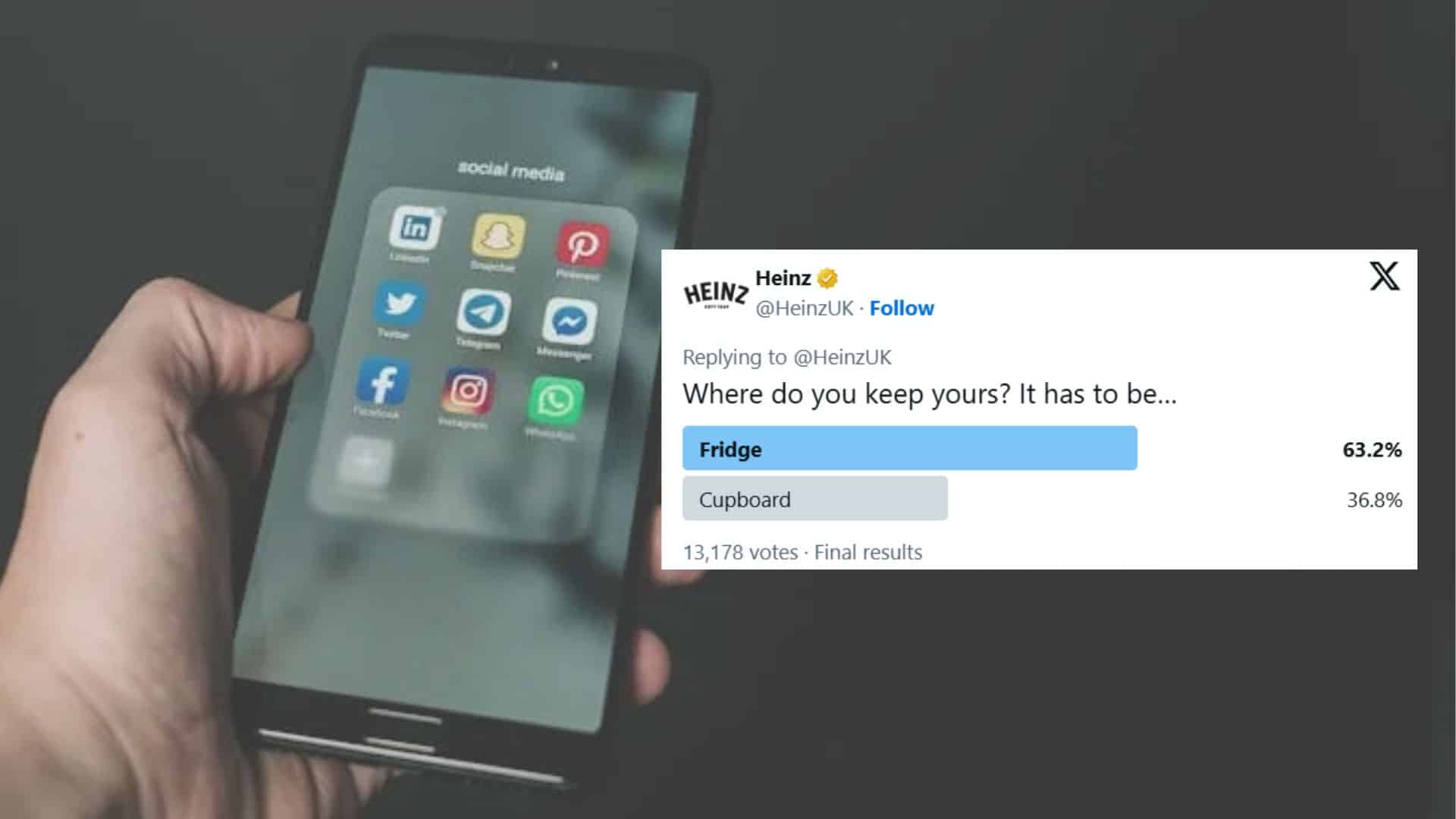
It all began when Heinz asked the internet a simple question: where do you keep your ketchup? More than 2,500 fans responded, creating an almost perfect split between fridge and cupboard camps. The lively debate unfolded across comment sections, with users defending their choices as passionately as sports fans. Seeing the confusion firsthand, Heinz realized it was time to settle the score officially—and definitively.
Heinz Steps In with the Official Answer
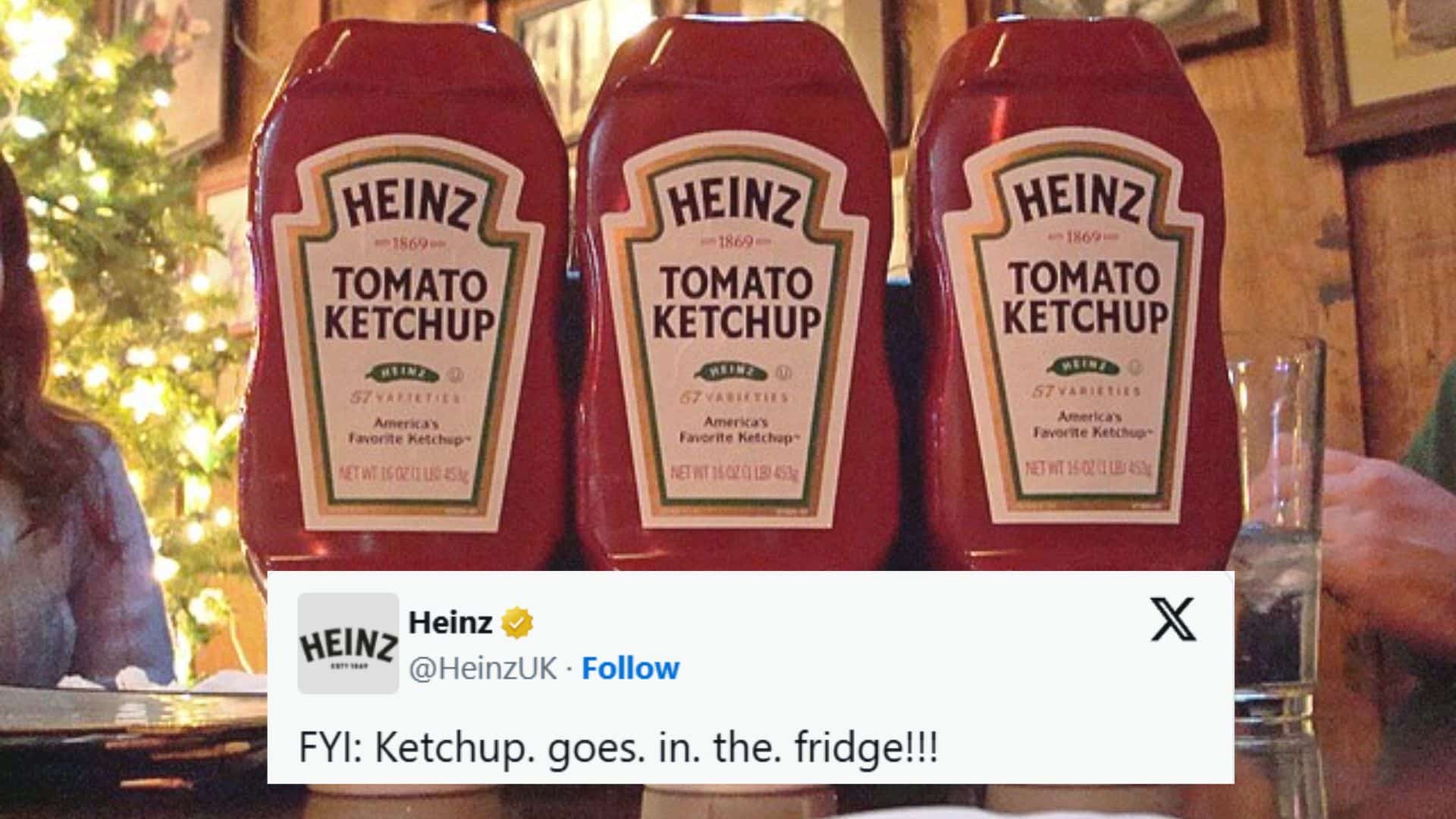
Heinz spokesperson Olivia Lennon made the final call in an interview with the Daily Mail. “There was only ever one correct answer,” she stated. “Our ketchup belongs in the fridge,” Lennon explained that refrigeration after opening ensures the ketchup’s signature tangy flavor stays fresh. While many have long ignored this advice, Heinz made it clear—temperature affects taste more than most realize.
The Science Behind Why Fridge Wins
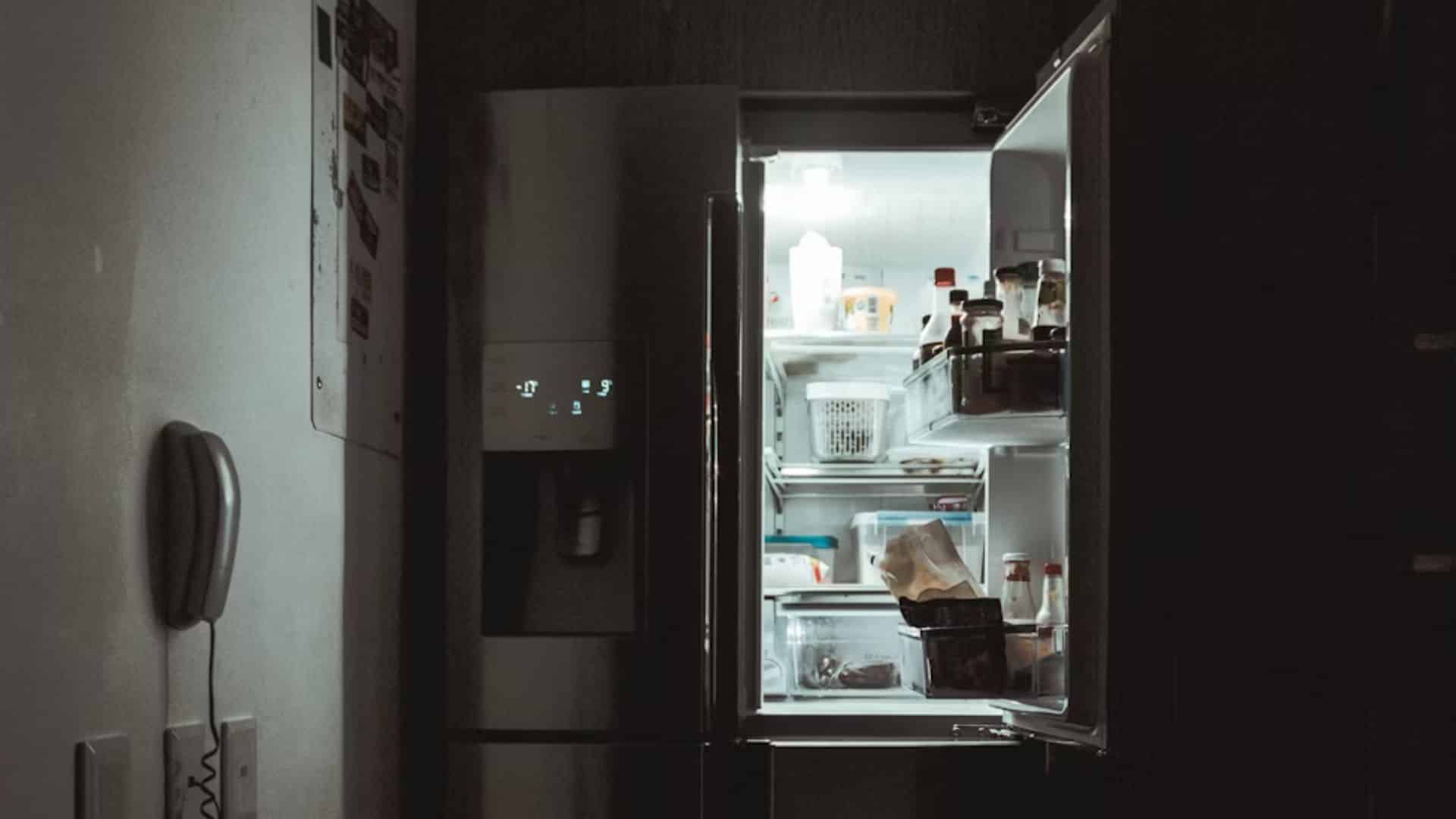
According to Heinz, keeping ketchup refrigerated after opening helps maintain its iconic color, flavor, and thickness. Once opened, air exposure can change the chemical balance, leading to dull taste and discoloration. The ketchup’s natural acidity makes it shelf-stable before opening, but that stability fades over time. Refrigeration locks in the freshness that Heinz fans expect, ensuring every squeeze tastes as good as the first. But wait… why is it on store shelves?
Real Reason Ketchup Stays on Store Shelves
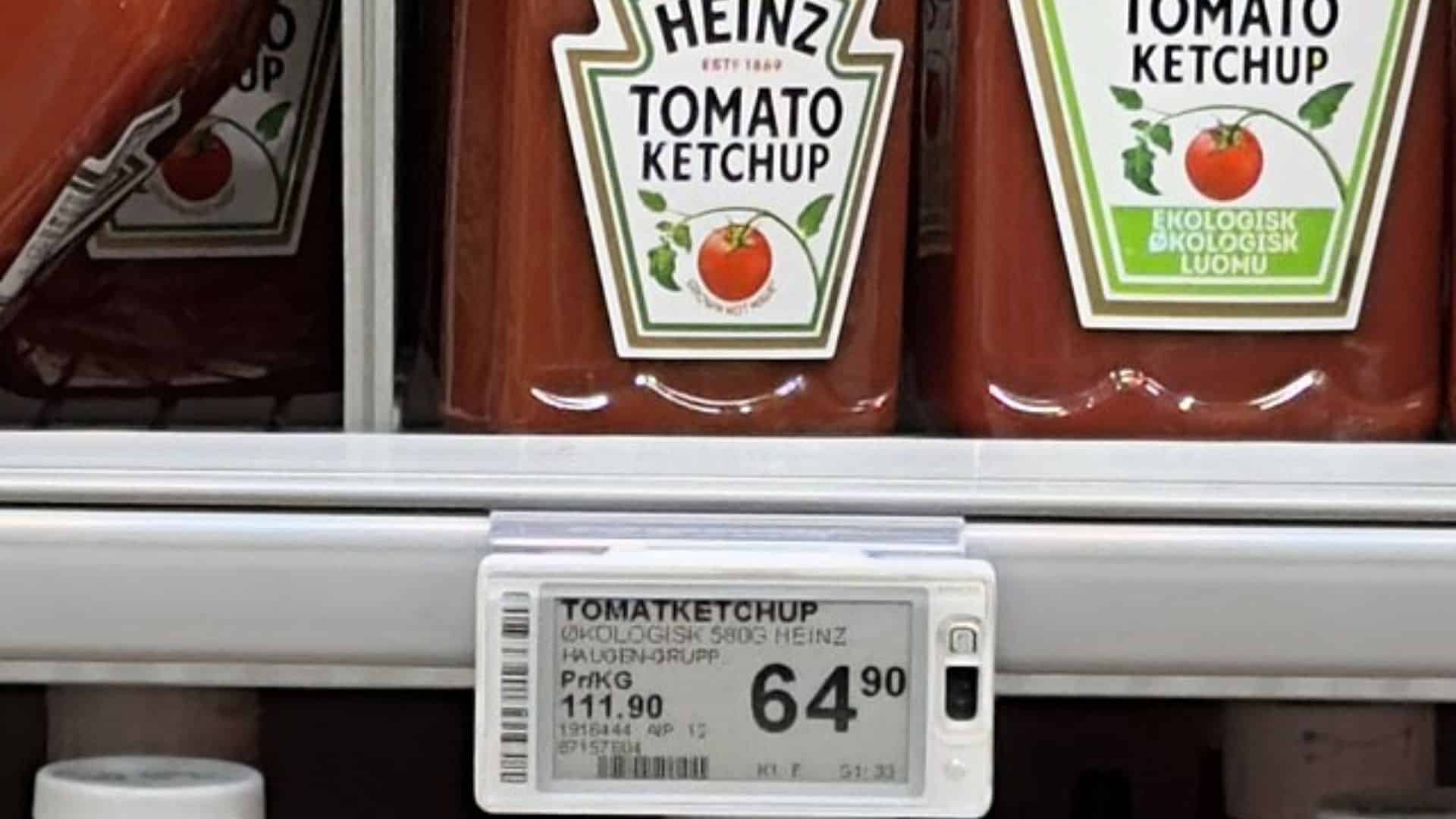
Here’s where confusion sets in. If Heinz ketchup needs to be refrigerated, why do we find it sitting on warm supermarket shelves? The answer lies in preservation chemistry. Unopened ketchup has a high acid content, which prevents bacterial growth and spoilage. It’s only after the seal is broken—and oxygen enters—that refrigeration becomes necessary. Until then, your unopened bottle is perfectly safe in the pantry.
How to Spot Spoiled Ketchup

Wondering if your ketchup has gone bad? There are clear warning signs. A sour or vinegary smell is the first clue. Next, check for changes in color or texture—especially a dark brown hue or watery separation. In worst cases, mold may appear near the cap. Old ketchup can cause mild stomach discomfort, so when in doubt, toss it out and grab a fresh bottle instead.
Why Restaurants Leave Ketchup Out All Day
If ketchup belongs in the fridge, why do restaurants leave bottles sitting on tables? Heinz says it’s because restaurants use ketchup much faster than the average household. Most eateries replace bottles daily or refill them frequently, preventing spoilage. At home, however, ketchup may sit untouched for weeks. That’s why Heinz insists refrigeration is essential for long-term freshness—it’s all about how fast you use it.
The Label That Told Us All Along
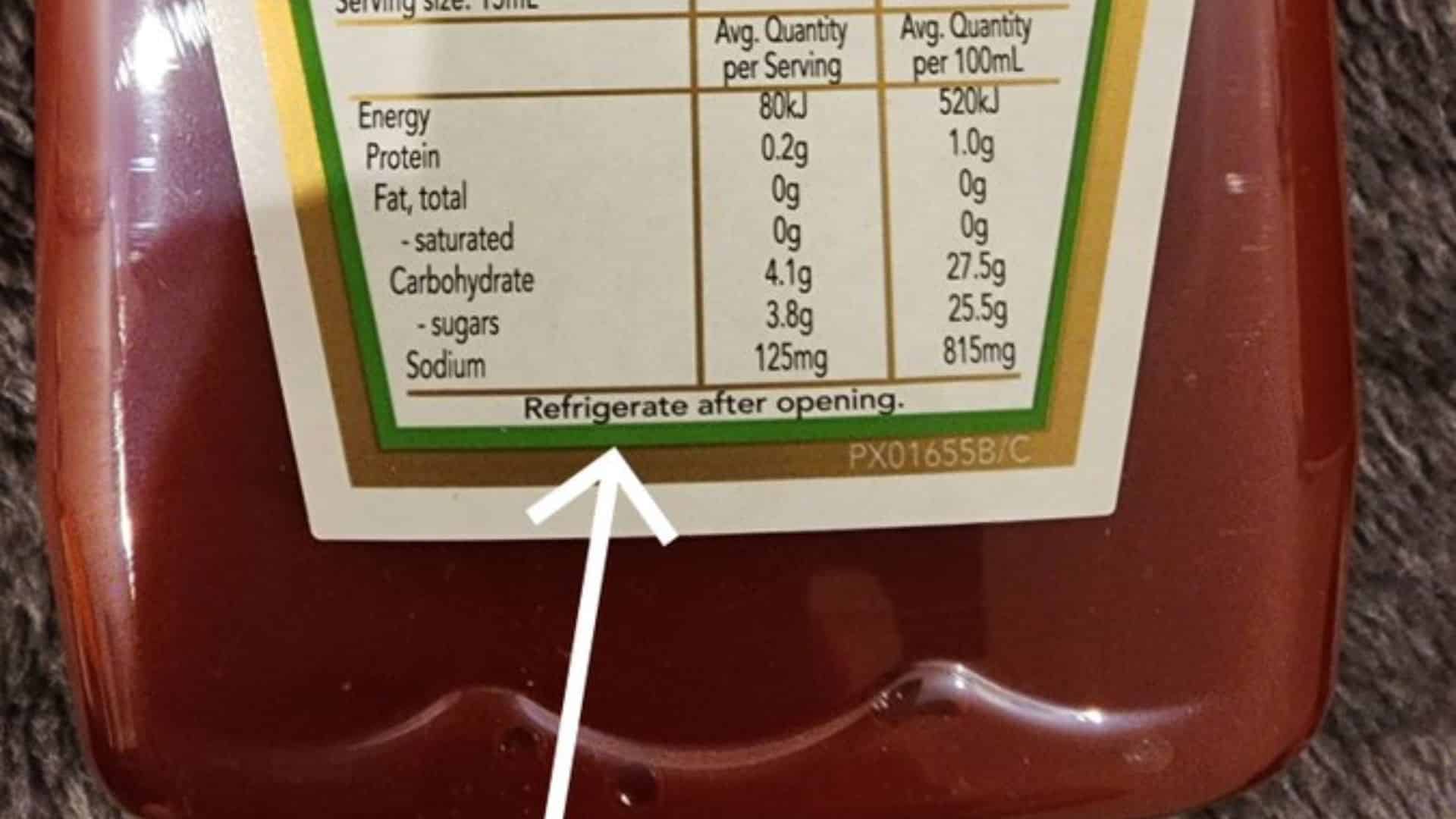
The answer has actually been printed on every Heinz bottle this whole time. Flip it over, and you’ll read: “For best results, refrigerate after opening.” Many consumers simply overlook this small instruction while assuming the store-shelf display means room temperature is fine. In reality, Heinz has been transparent for decades—the company just needed a viral debate to make people finally notice the fine print.
Ketchup Belongs in the Fridge, Case Closed
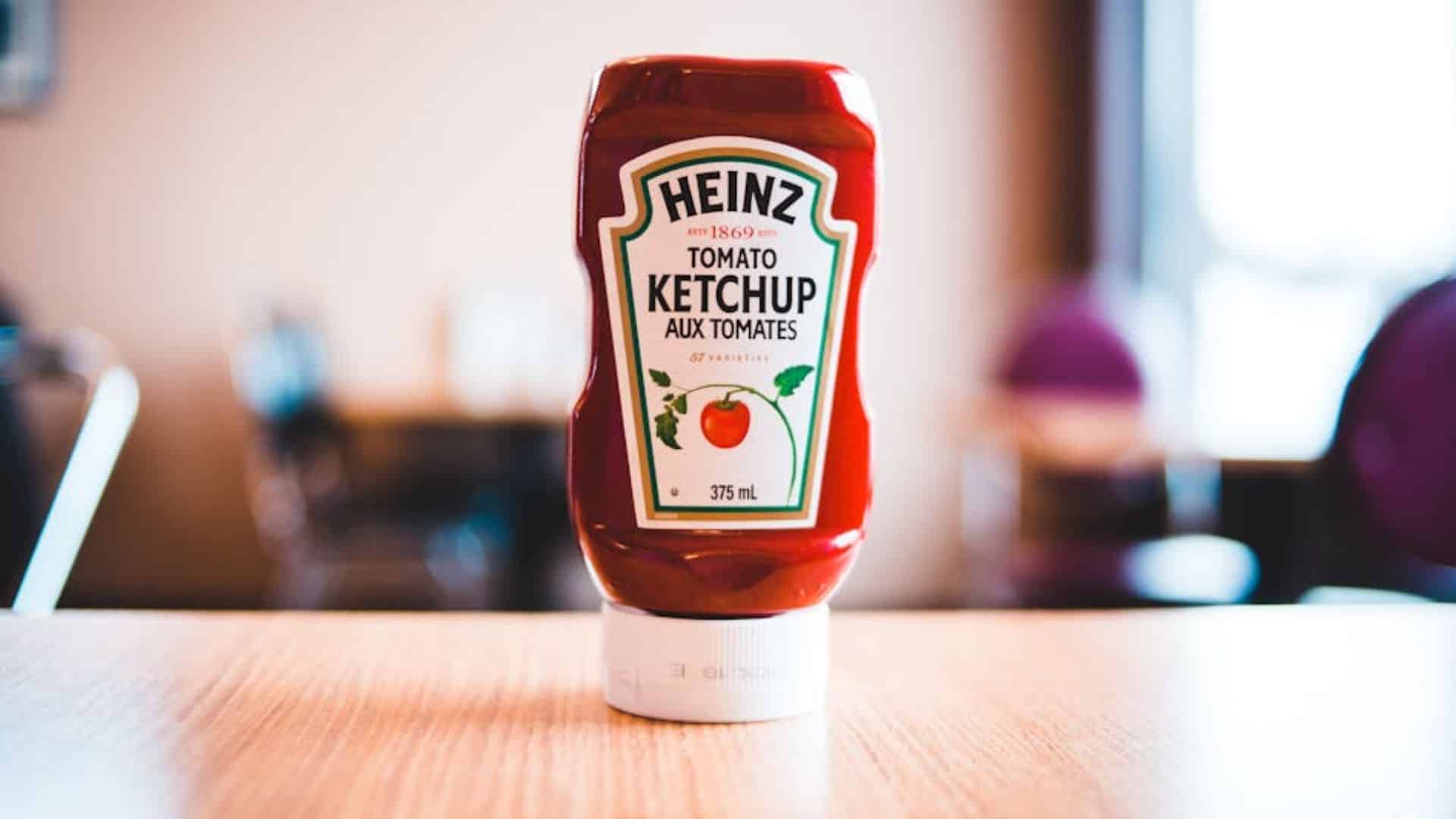
After decades of debate, Heinz has spoken—and the fridge takes the win. While unopened bottles can sit on the shelf, once opened, it’s time to chill. Refrigeration ensures that tangy, tomato-rich flavor remains as perfect as day one. So next time you reach for that familiar red bottle, do it a favor—give it a home in the fridge, right where it belongs.

