Hershey Has Been Quietly Replacing the Two Ingredients That Made Reese’s Famous, Founder’s Grandson Claims
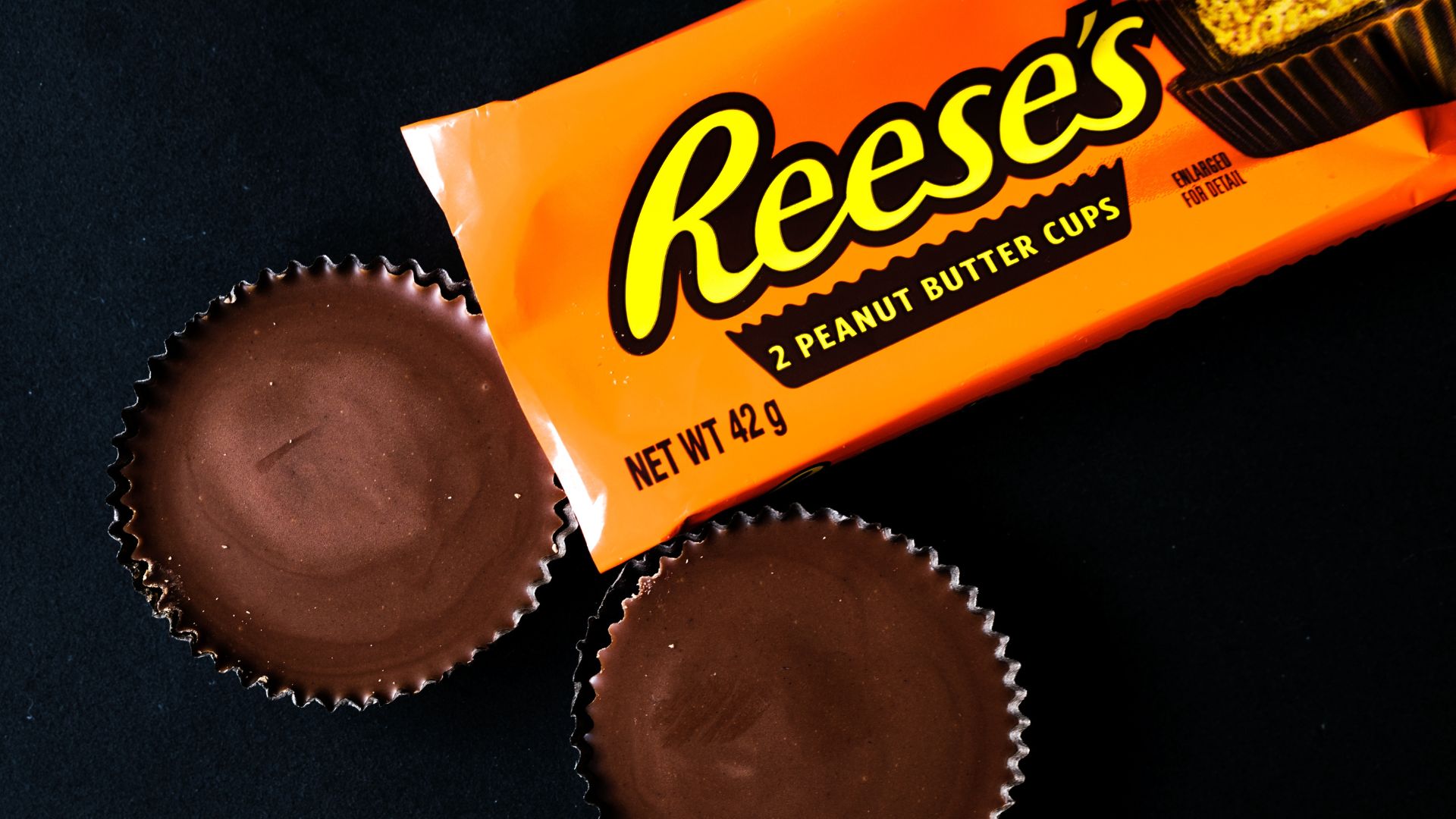

For decades, Reese’s Peanut Butter Cups have stood on two things: milk chocolate and peanut butter. That combination, simple as it sounds, turned a regional candy into one of America’s most recognized confections. Now, the grandson of the man who invented them is publicly calling out The Hershey Company, claiming the brand has been quietly swapping those signature ingredients for cheaper alternatives across several products.
Brad Reese, 70, sent a letter directly to Hershey’s corporate brand manager on February 14, posting it publicly on his LinkedIn profile shortly after. In it, he accused the company of replacing milk chocolate with compound coatings and real peanut butter with peanut crème across multiple Reese’s products, and questioned how the brand could keep marketing itself as a trusted name while quietly changing what goes inside.
Hershey acknowledged that some recipes have changed, saying the company has been responding to what consumers want, including new formats and product variety. Surging cocoa costs have also been a factor, leading candy makers across the industry to look for ways to reduce how much chocolate goes into certain products.
Brad Reese Names Several Products, Not Just One
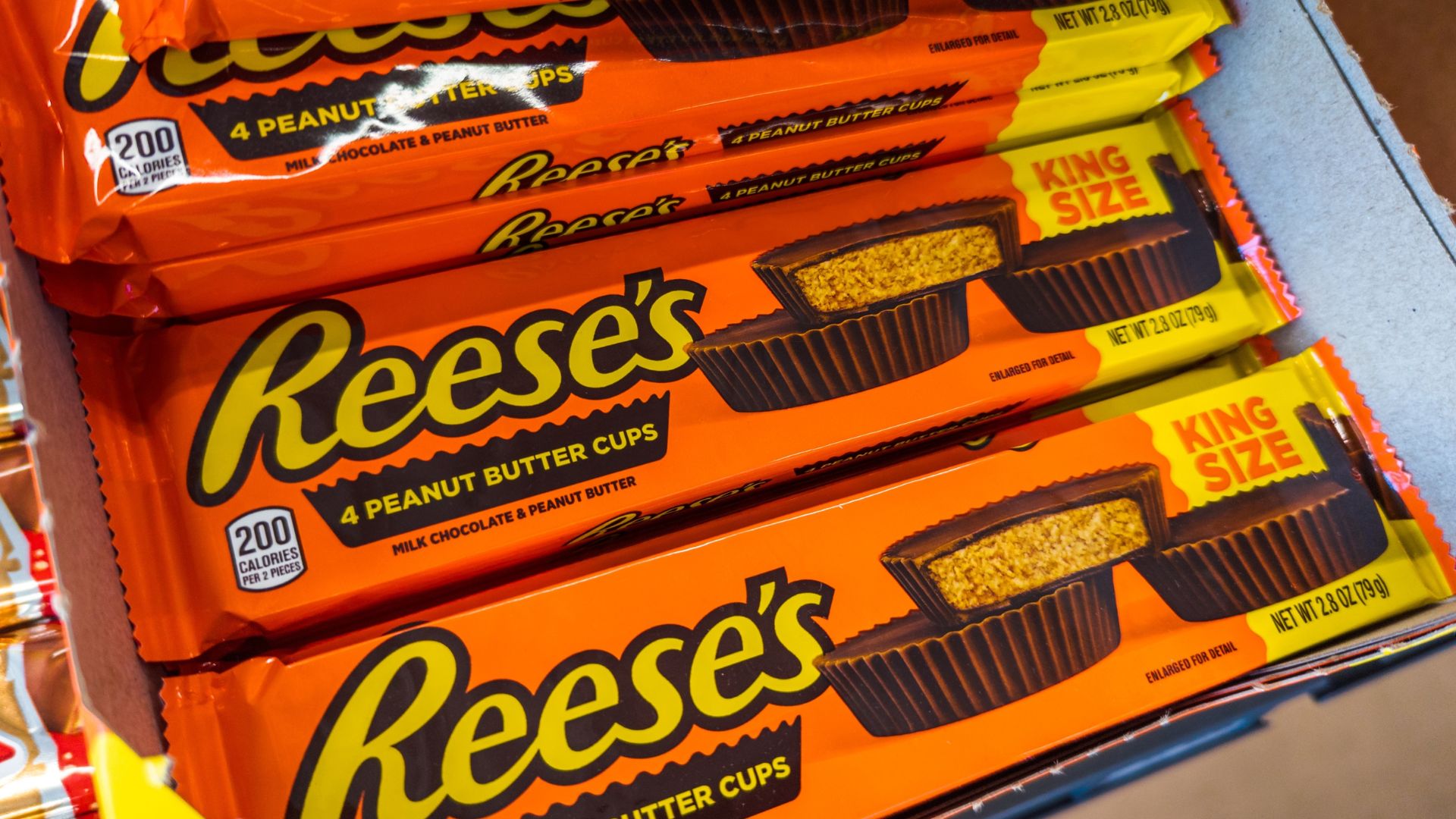
H.B. Reese created his namesake peanut butter cup in 1928, after spending two years working at Hershey before launching his own candy company in 1919. His six sons sold the business to Hershey in 1963. Brad Reese, his grandson, has said he used to eat a Reese’s product every day, which is part of what made his experience with a recent new product so jarring.
That product was Reese’s Mini Hearts, a Valentine’s Day release. Brad Reese said he threw the bag out after tasting them. The packaging itself confirmed the shift, listing “chocolate candy and peanut butter crème” rather than milk chocolate and peanut butter. “It was not edible,” he told the Associated Press. “This is very devastating for me.”
The Mini Hearts were just the most recent example. Reese’s Take5 and Fast Break bars, Brad Reese said, used to be covered in milk chocolate, and that’s no longer the case. White Reese’s, introduced in the early 2000s with actual white chocolate, now uses a white creme instead. To Brad Reese, the through line across all of it suggests something more systematic than a one-off tweak.
What the FDA Says, and Why the Labeling Matters
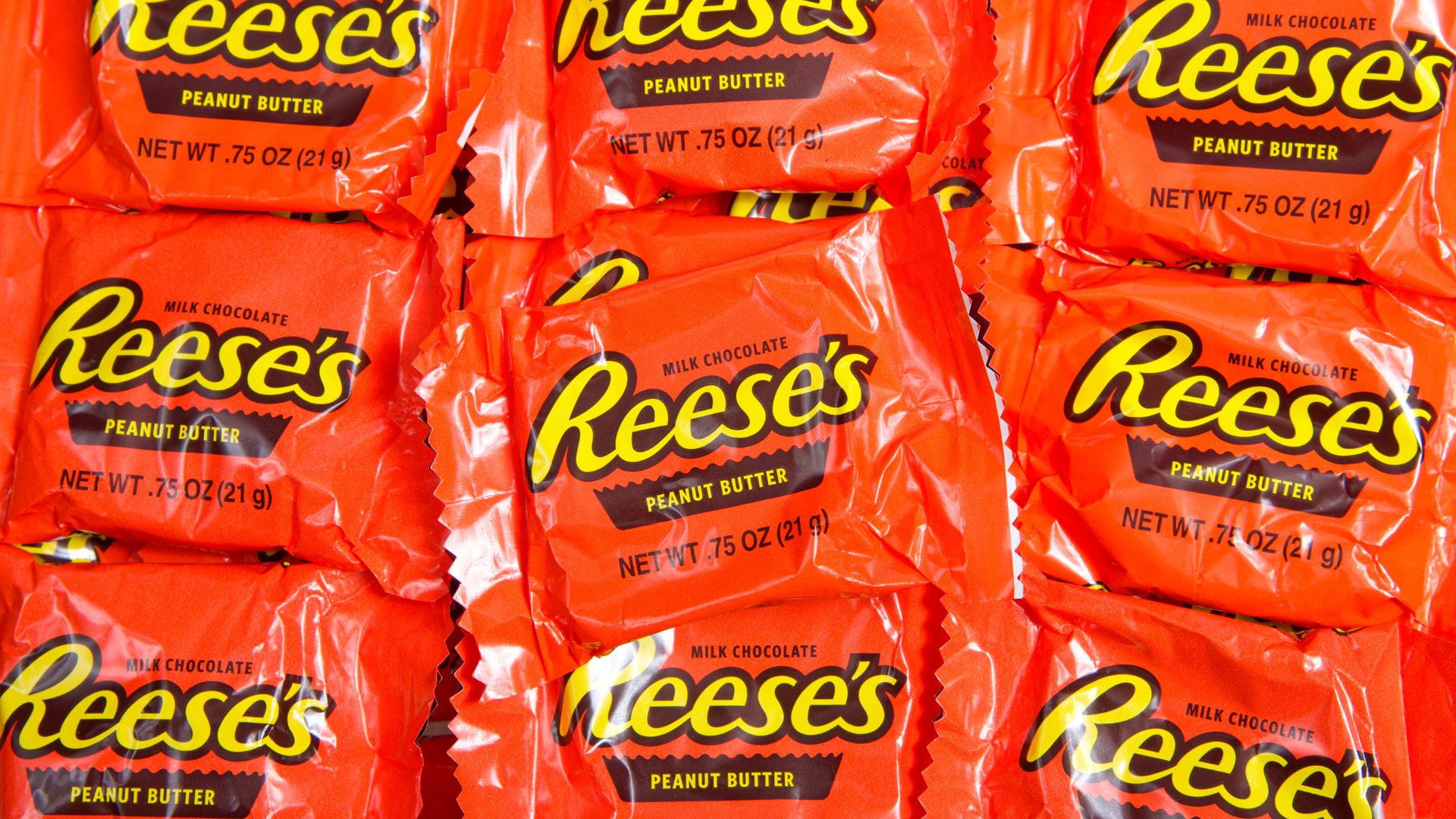
The words “milk chocolate” and “chocolate candy” carry very different meanings under federal law. Under FDA rules, a product labeled milk chocolate must contain at least 10% chocolate liquor, a paste made from ground cocoa beans, along with at least 12% milk solids and 3.39% milk fat. Products that fall short of those thresholds simply cannot use the term on their packaging.
Hershey’s own Mr. Goodbar wrapper uses “chocolate candy” rather than “milk chocolate,” a real-world example of how the FDA labeling rules play out on store shelves. Brad Reese also raised questions about international products. A listing on British online supermarket Ocado described U.K. Reese’s Peanut Butter Cups as “milk chocolate-flavored coating and peanut butter crème,” which he pointed to as further evidence of the shift.
Hershey pushed back on that, saying its EU and U.K. Reese’s Peanut Butter Cups use the same recipe as the American version. The label differences, the company said, come down to regional rules: both the EU and the United Kingdom require higher percentages of cocoa, milk solids, and milk fats before a product can be legally called milk chocolate on its packaging.
Hershey Says Consumers Haven’t Noticed, but Brad Reese Disagrees
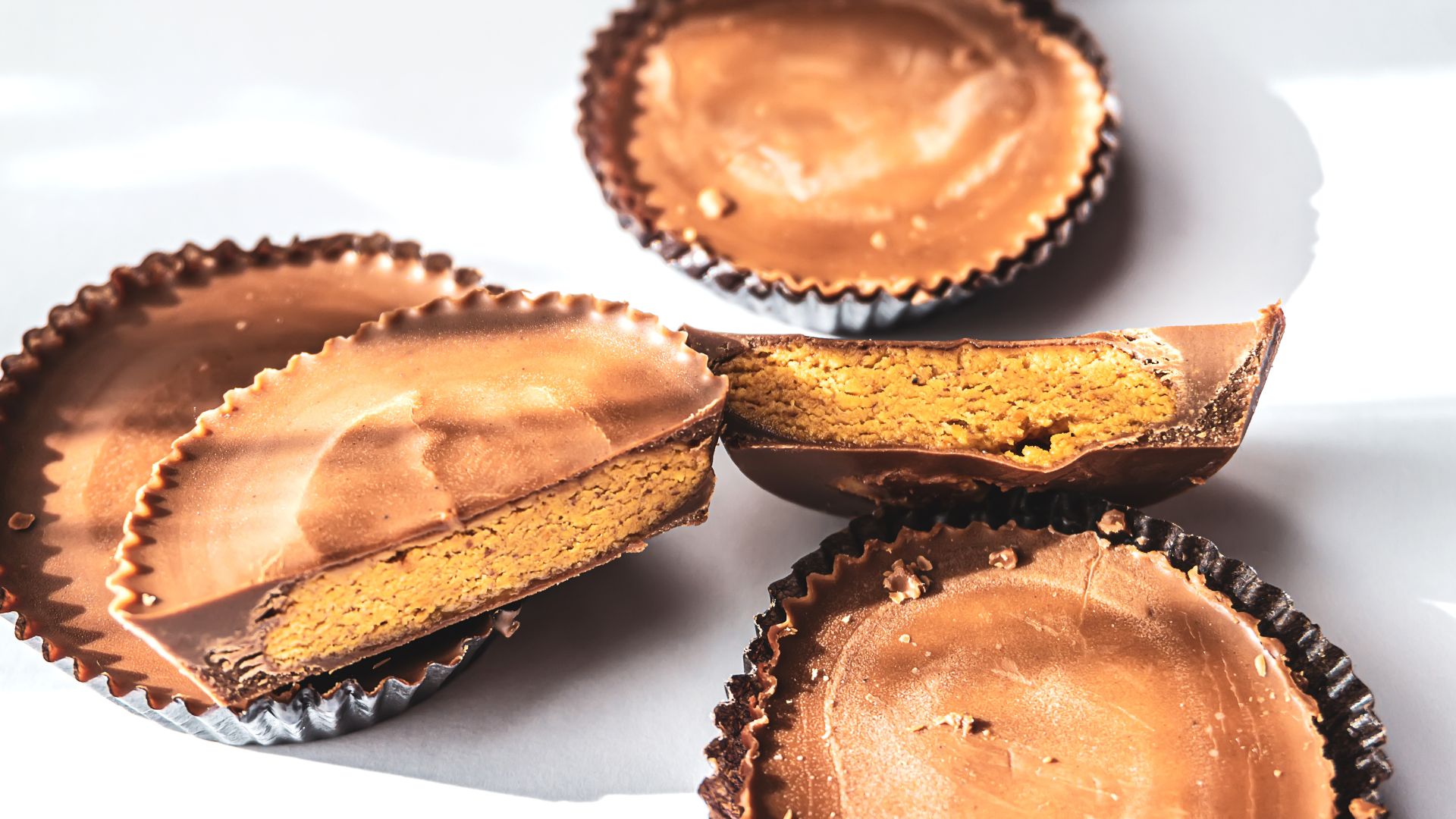
During an investor call last year, Hershey Chief Financial Officer Steven Voskuil confirmed that formula changes had been made, though he did not say which products were affected. He said the company runs extensive consumer testing before any adjustment and that none of the changes had registered a noticeable response from shoppers. “There has been no consumer impact whatsoever,” Voskuil told investors.
Hershey argues that a growing product line naturally requires some flexibility in how things are made. The company said recipe adjustments allow it to create new shapes, sizes, and innovations that consumers ask for, while still protecting what it called the heart of the Reese’s experience: chocolate and peanut butter together. Brad Reese doesn’t think the current versions still make that case.
Brad Reese said people regularly approach him to share that Reese’s products no longer taste the way they remember. His letter to Hershey closed by invoking a quote from Hershey founder Milton Hershey: “Give them quality. That’s the best advertising.” He told the AP he supports innovation, but not at the cost of what made the brand worth trusting. “My preference,” he said, “is innovation with quality.”