Home Depot Hit With $2 Million Scanner Scheme Allegations


What began as a routine retail inspection in Southern California ended with a nearly $2 million settlement and renewed scrutiny over how prices are charged at checkout. Investigators found that many items at Home Depot rang up higher at the register than what shoppers saw on shelves, raising uncomfortable questions about price accuracy, consumer trust, and how often these errors really happen.
How Inspectors Discovered the Pricing Discrepancies
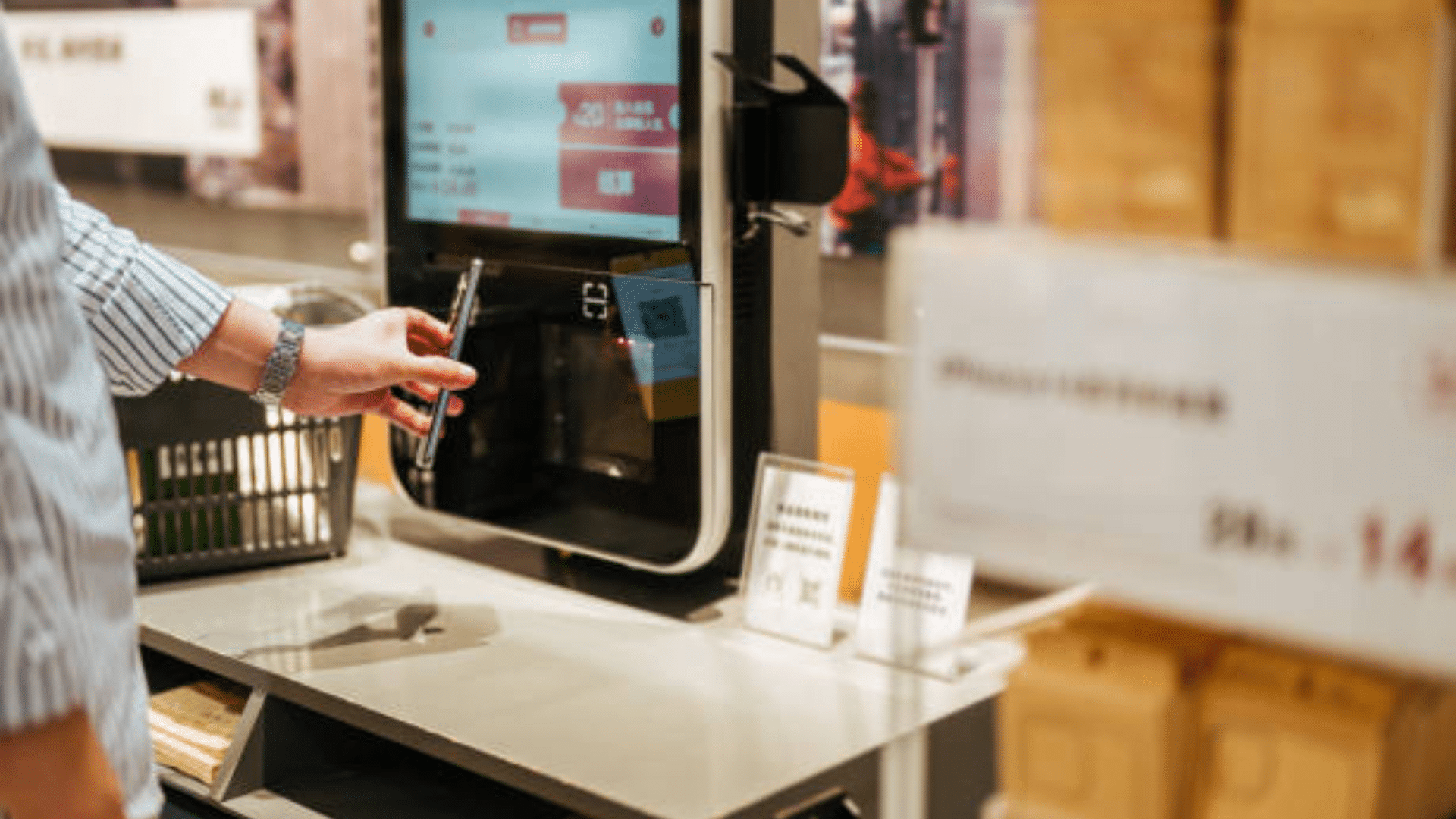
County officials from California’s Weights and Measures departments routinely test retail pricing to ensure accuracy. During inspections at Home Depot locations, auditors discovered that a significant share of items scanned at prices higher than their posted or advertised amounts. In Orange County alone, inspectors reported that more than half of the sampled products showed mismatches.
What a “Scanner Violation” Actually Means

A scanner violation occurs when the price programmed into a store’s checkout system doesn’t match the shelf tag or posted sign. While the discrepancy might be small on an individual item, state law requires customers to be charged the lowest advertised price. When these mismatches happen repeatedly, they can add up to widespread overcharging.
Why Weekend Price Changes Became a Flashpoint

Investigators pointed to Home Depot’s pricing update process as a contributing factor. Price changes were often applied digitally over weekends, while physical shelf tags weren’t updated until staff returned days later. During that gap, customers unknowingly paid higher prices at checkout than what was displayed in aisles.
The $1.97 Million Settlement Explained

In August 2024, a California judge approved a $1.97 million settlement involving six counties. The majority of the money was allocated to civil penalties, with the remainder covering investigative costs and consumer protection enforcement. Home Depot did not admit wrongdoing but agreed to comply with corrective measures.
What Home Depot Is Required to Change

As part of the agreement, Home Depot must implement a statewide Price Accuracy Program in California. This includes additional employee training, routine internal audits, and the appointment of an executive-level monitor to oversee compliance. Store managers are now responsible for documenting price checks and responding more quickly to discrepancies.
Why This Isn’t Just a Home Depot Issue

Home Depot isn’t the only major retailer facing scanner-related penalties. Other chains, including Target and Albertsons-owned stores, have reached multimillion-dollar settlements over similar allegations. Regulators say large inventories, frequent promotions, and outdated manual processes increase the risk of mismatches across the industry.
How Small Overcharges Add Up Quickly

A price difference of a few cents or a dollar may not raise alarms for most shoppers. But multiplied across thousands of transactions per store, every day, even small discrepancies can quietly total millions. Investigators emphasized that scale—not intent—often turns minor errors into major enforcement cases.
What Shoppers Can Do to Protect Themselves

California law gives consumers the right to pay the lowest posted price. Experts recommend checking receipts before leaving the store and flagging mismatches immediately. Persistent or widespread issues can be reported to county Weights and Measures offices, which have the authority to inspect and penalize retailers.
Conclusion

The Home Depot settlement sends a clear message: pricing accuracy is no longer a background issue. As retailers rely more heavily on automated systems, regulators are paying closer attention to how those systems affect everyday shoppers. Whether this case represents a one-off failure or a broader retail challenge is a question consumers and companies are still grappling with.