Hooters Faces More Restaurant Closures Following Bankruptcy
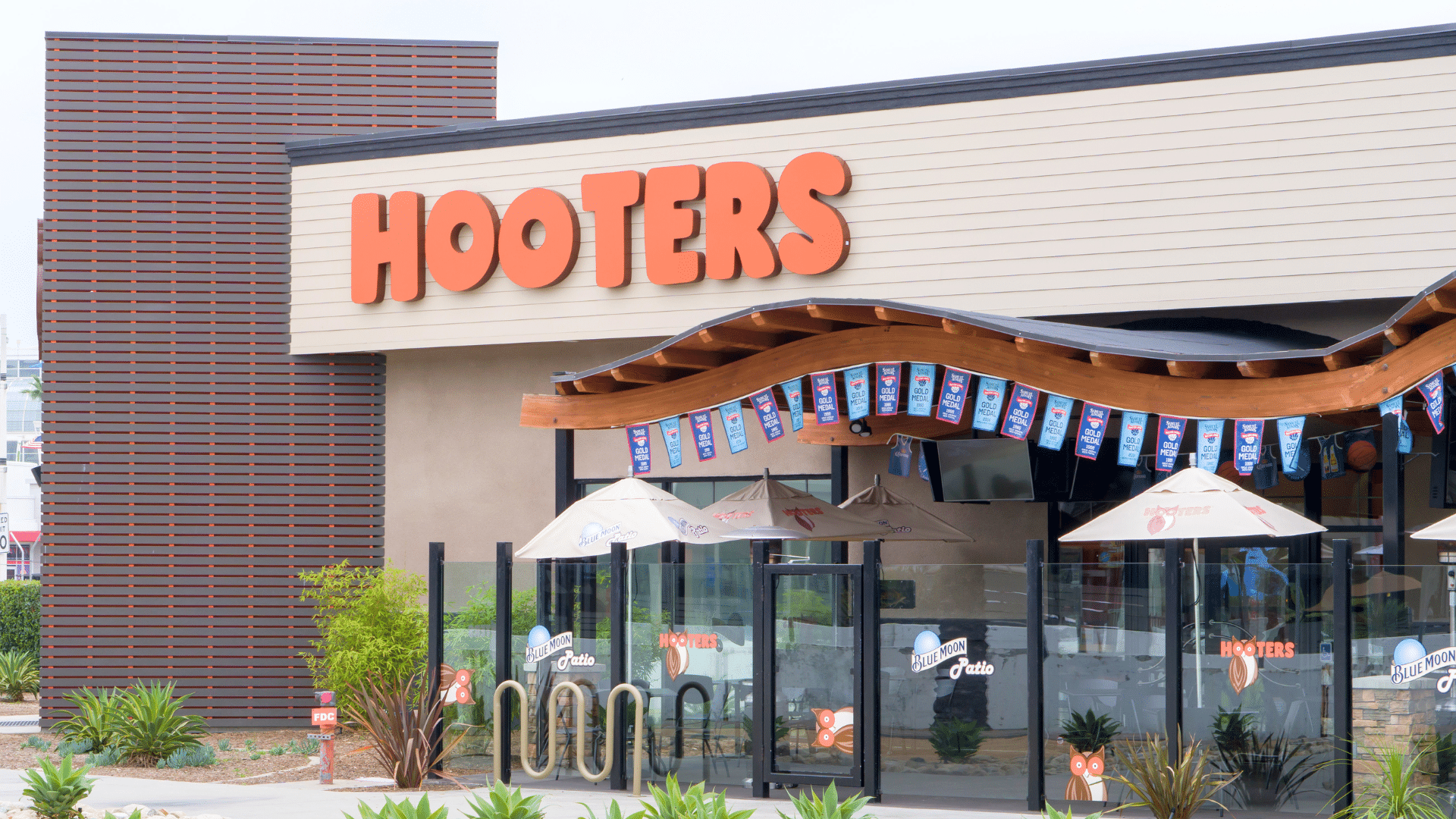

Hooters is continuing to close additional restaurant locations as the chain works through the aftermath of its bankruptcy restructuring. The latest wave of shutdowns reflects ongoing efforts to stabilize the brand by eliminating underperforming stores. These closures come after the company already shut down dozens of locations across the United States during its financial restructuring process.
The company filed for Chapter 11 bankruptcy in 2025 as part of a broader plan to manage debt and transition toward a franchise-led model. Since then, more than 30 corporate-owned restaurants have been closed in multiple states as part of cost-cutting measures. The restructuring is designed to help Hooters survive long term by focusing on stronger-performing locations and franchise operations.
While some locations have reopened or remained profitable under franchise ownership, the overall footprint of the chain continues to shrink. The closures highlight the ongoing financial pressure facing casual dining brands in a competitive and cost-sensitive market.
Why Hooters Is Still Closing Restaurants
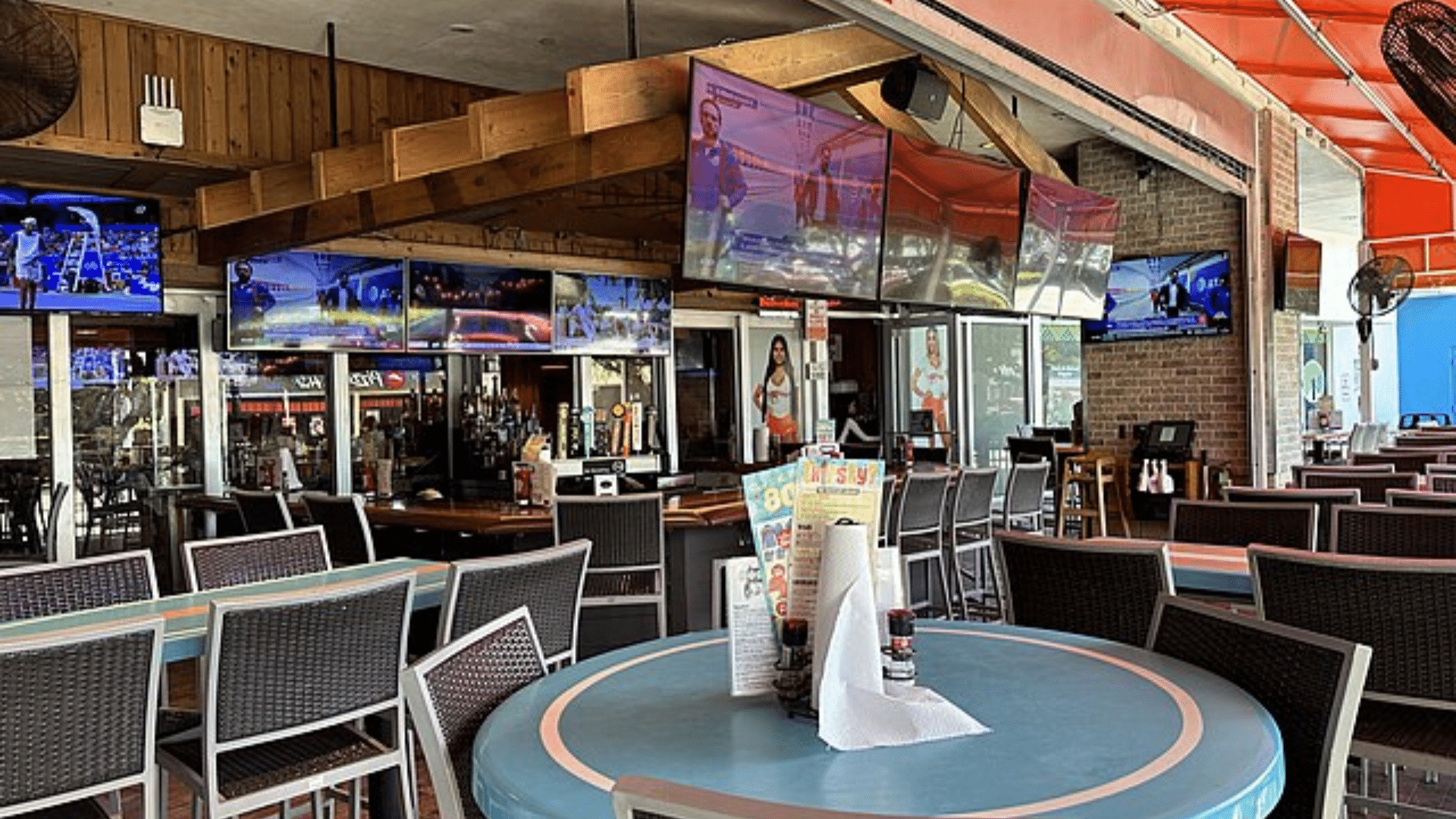
Many of the closures are tied to the company’s effort to remove underperforming locations that no longer meet profitability targets. Rising operating costs, changing consumer habits, and increased competition in the restaurant industry have all contributed to weaker sales in certain markets. As a result, Hooters is prioritizing efficiency over maintaining a large number of stores.
The bankruptcy restructuring also allowed the company to shift toward a franchise-heavy business model, meaning corporate ownership of restaurants has been significantly reduced. Under this approach, franchisees operate a larger share of locations, while weaker corporate stores are phased out. This transition is intended to reduce financial risk for the brand as a whole.
Despite closures, some Hooters locations are reportedly performing well, particularly those in high-traffic tourist or entertainment areas. These stronger-performing restaurants are expected to form the core of the brand’s future strategy as it rebuilds under its new structure.
Industry Pressure and Changing Consumer Trends
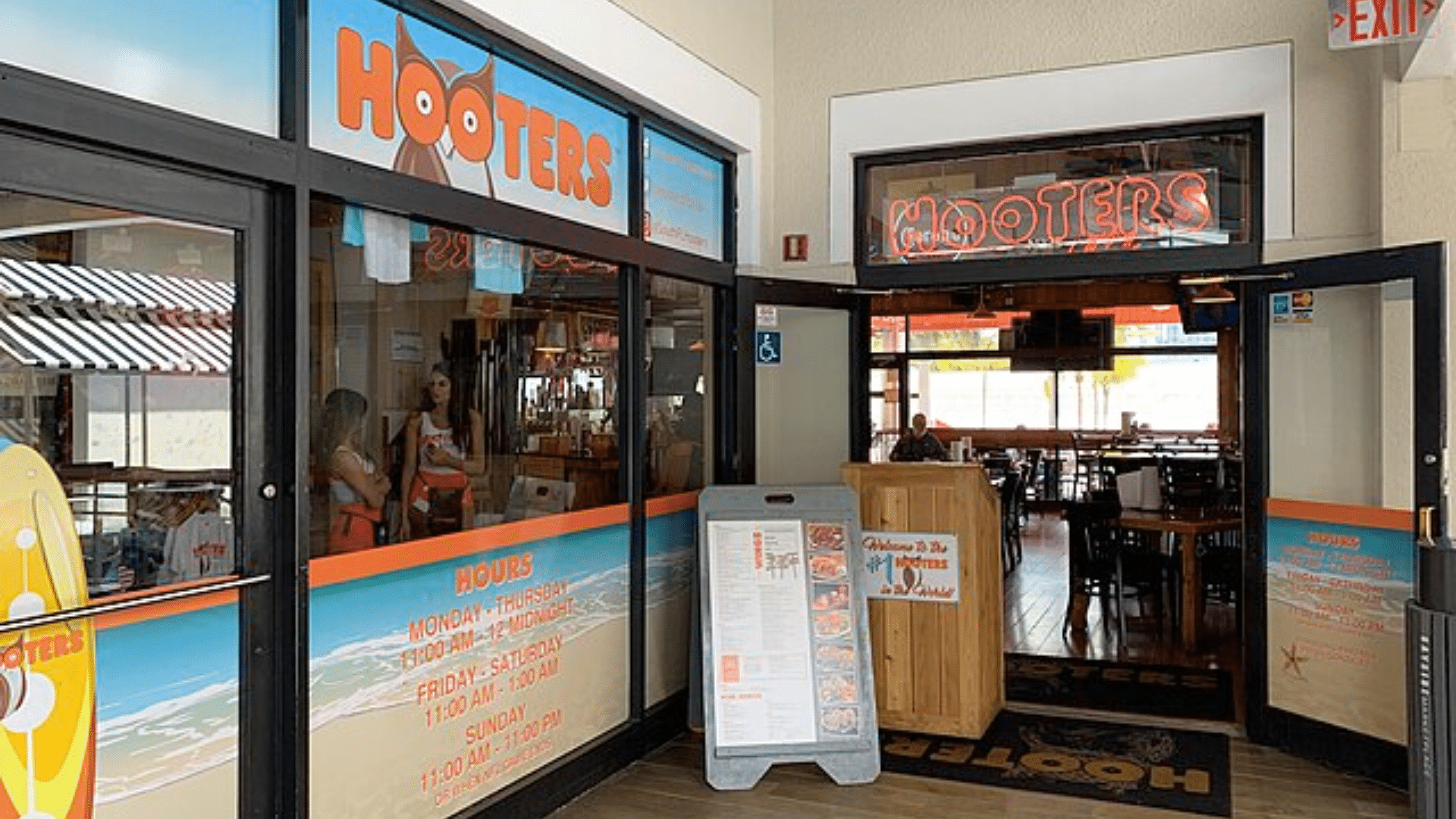
Hooters’ struggles are part of a wider trend affecting casual dining chains across the United States. Many restaurant brands have faced rising labor costs, higher food prices, and shifting consumer preferences toward fast-casual and delivery-focused options. These pressures have made it difficult for some traditional chains to maintain profitability.
The company’s recent restructuring effort reflects a broader industry pattern where legacy restaurant brands are downsizing to survive. Similar bankruptcies and closures have affected multiple well-known chains in recent years, highlighting how challenging the sector has become. In this environment, only the most adaptable and efficient operations are expected to thrive.
For Hooters, the focus now appears to be on rebranding, franchise expansion, and improving operational efficiency. The company has also signaled plans to refine its image and update its restaurant experience in an effort to attract a broader customer base.
A Shrinking Footprint but an Ongoing Rebuild
The continued closures at Hooters show that the company’s bankruptcy recovery is still unfolding. While restructuring has helped stabilize parts of the business, weaker locations are still being removed from its network. This reflects a long-term strategy focused on survival rather than expansion.
As the chain transitions toward a more franchise-driven model, its future will depend on the performance of remaining locations. Stronger restaurants may define the next phase of the brand, while underperforming ones are phased out entirely. The outcome will determine whether Hooters can successfully reinvent itself in a changing restaurant industry.
For now, the brand remains in a period of adjustment, balancing restructuring with efforts to stay relevant in a highly competitive market.