How ‘Creepy’ Can a McDonald’s Be? Probably When It Sits Above an Ancient Burial Site With Human Skeletons on Display
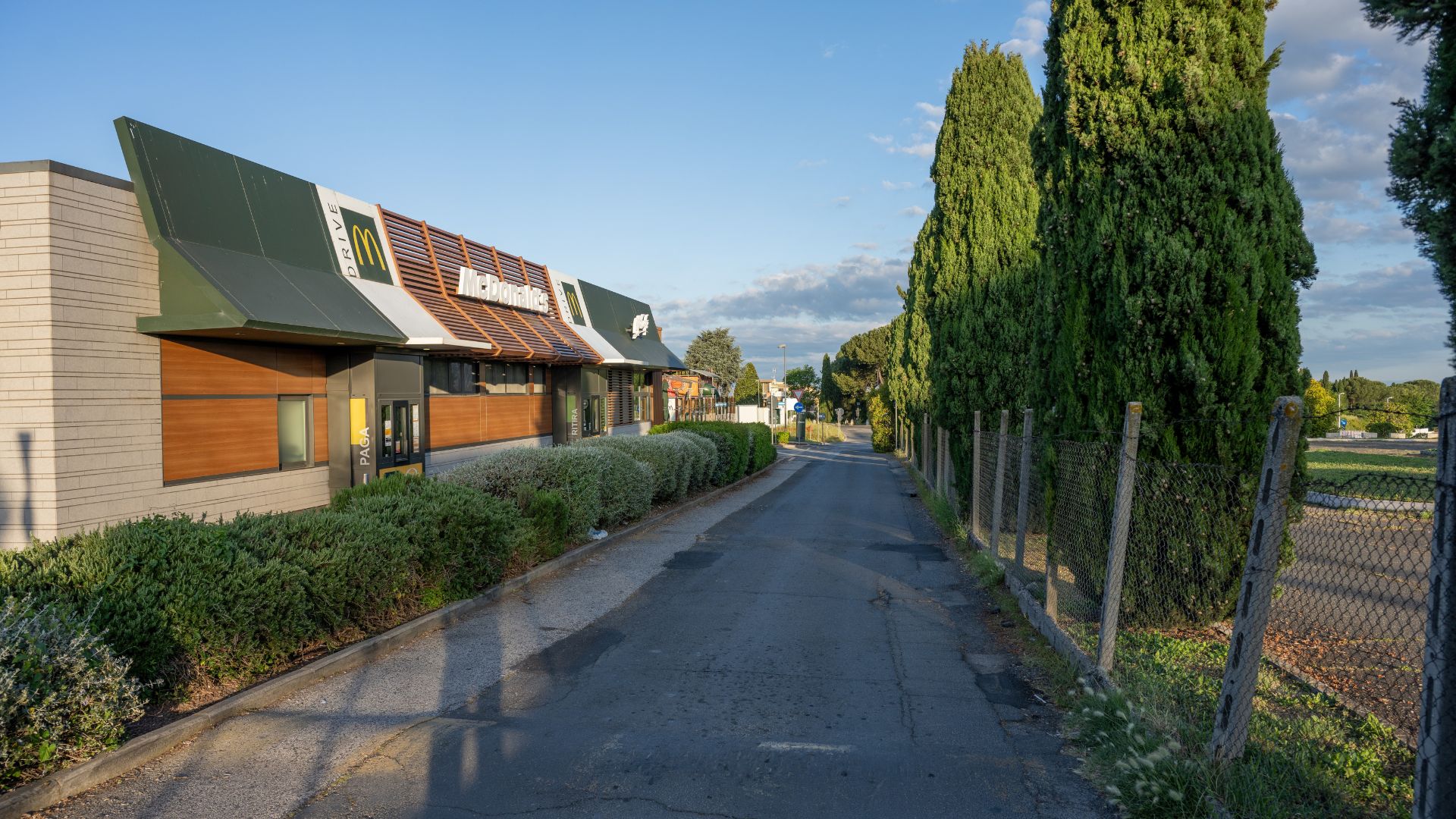

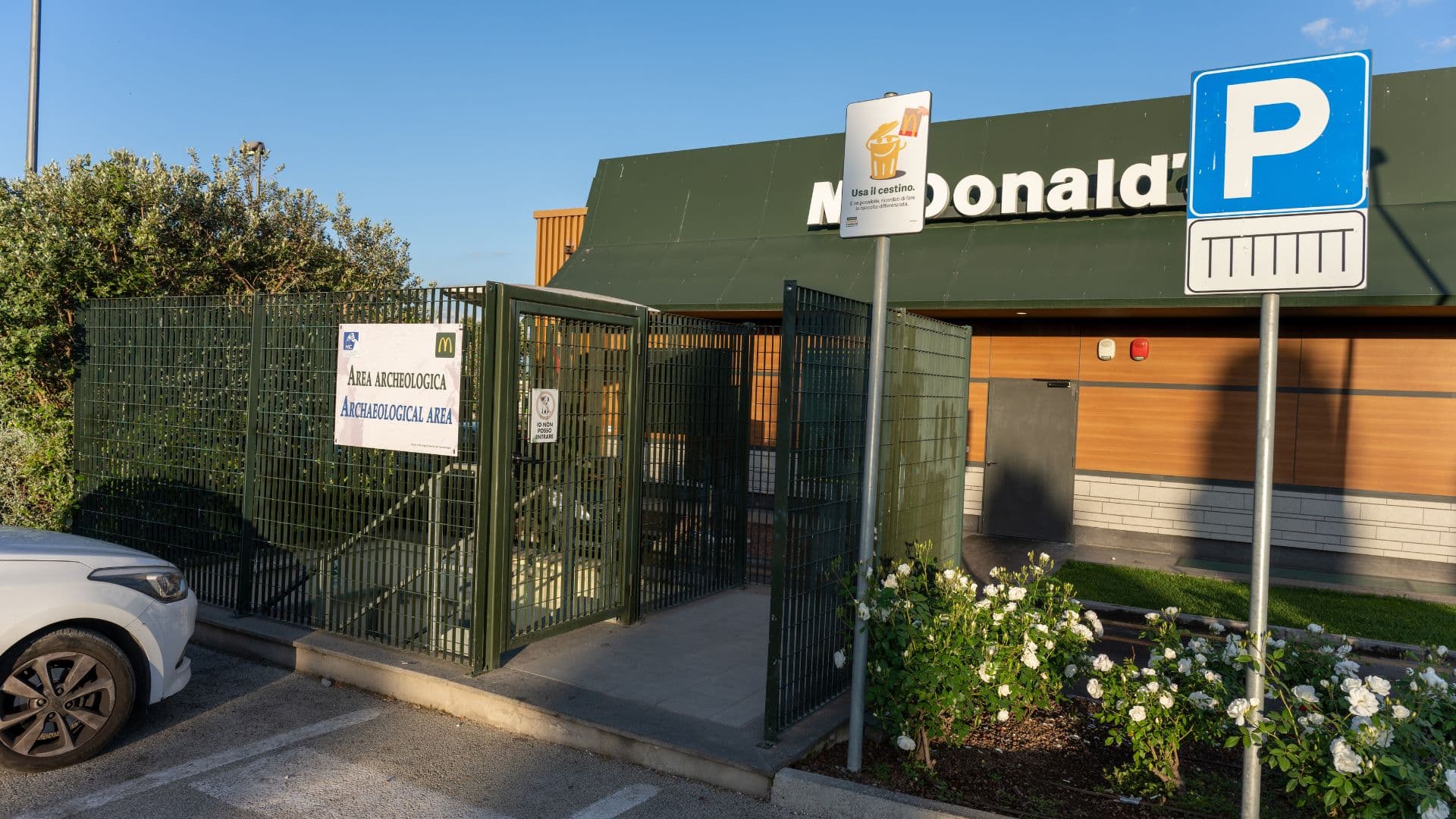
Picture ordering a Big Mac, then glancing down to find a 2,000-year-old road and human graves staring back through the floor. That’s not a horror movie pitch. It’s a real McDonald’s in Frattocchie, Italy, just outside Rome. Construction workers stumbled onto the discovery in 2014, and instead of burying it back under concrete, the company turned it into the centerpiece of the restaurant.
A Routine Build Turns Into an Archaeological Dig
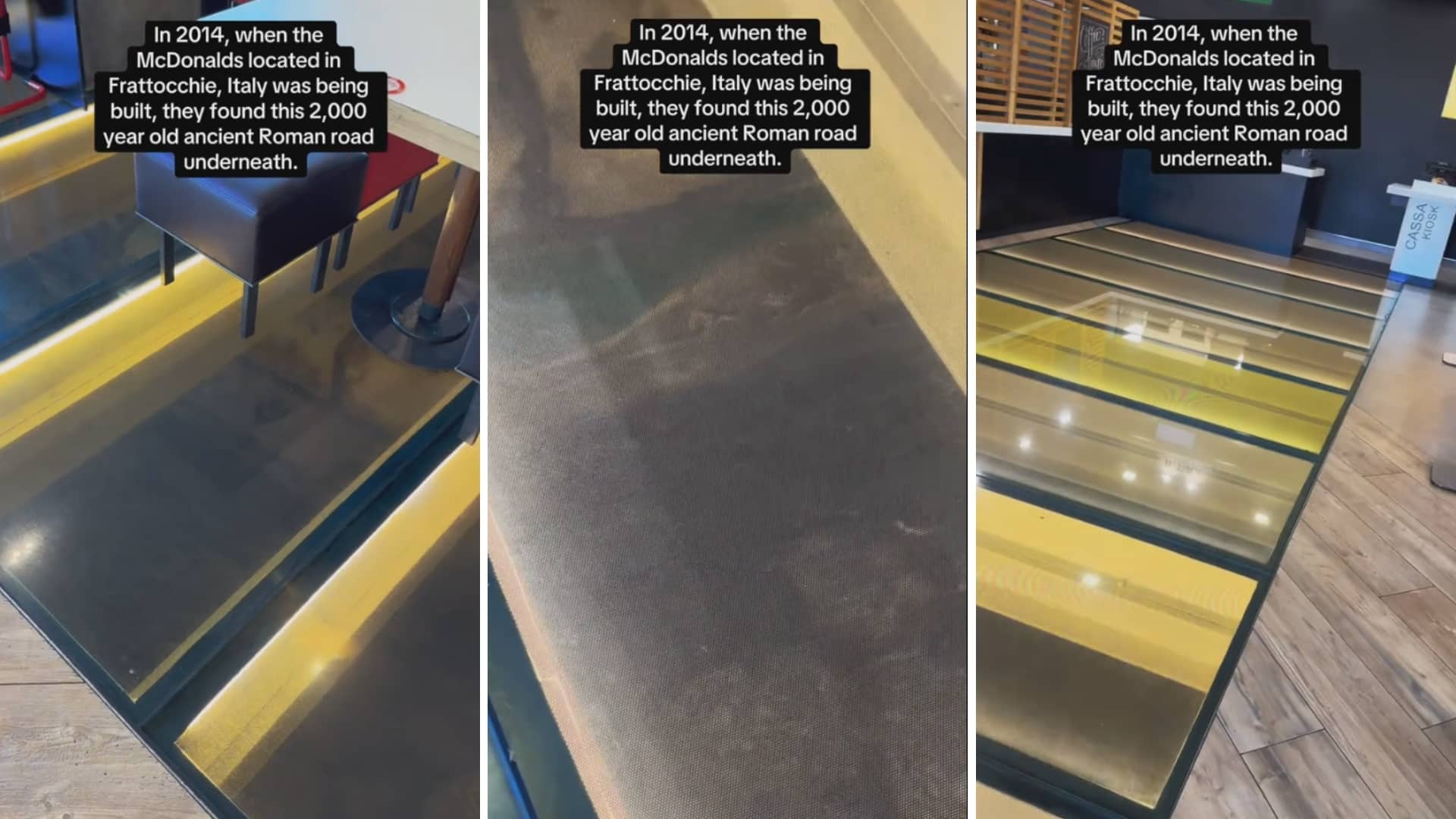
In 2014, crews breaking ground for a new McDonald’s hit something unexpected: stone paving that turned out to be a stretch of ancient Roman road. Rather than pour concrete over it, the company paused construction and called in archaeologists.
The Road Led Somewhere Important
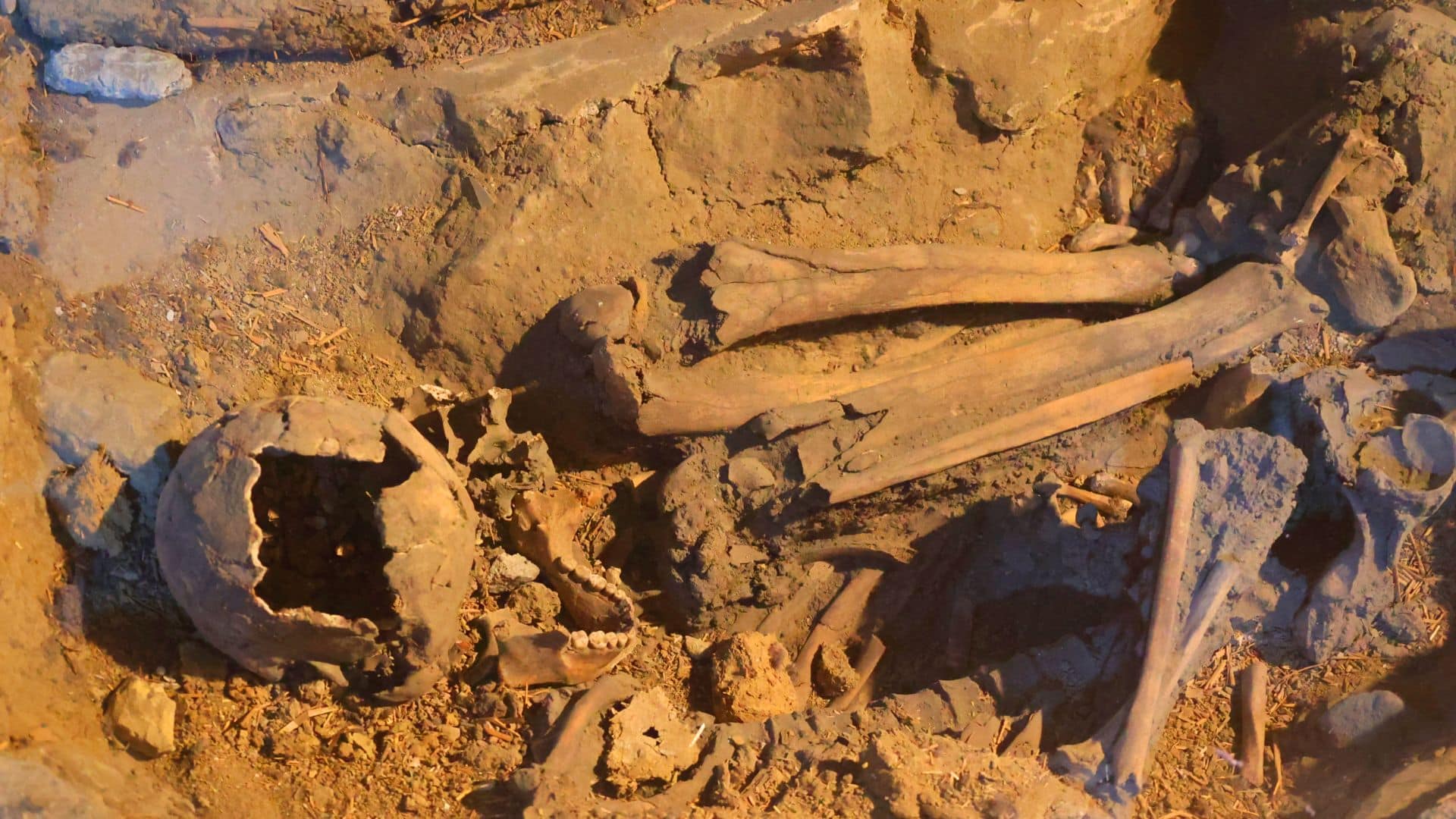
Archaeologists determined the paving was a branch of the Via Appia, the road Roman soldiers, merchants, and travelers used for centuries, connecting to a nearby town called Boviallae. The uncovered stretch runs roughly 150 feet, built from tough volcanic stone that still shows ruts worn by wagon wheels two millennia ago. Long after the road fell out of everyday use, it took on a very different purpose: a resting place for the dead.
Three Graves Beside the Old Drainage Ditch
Once the road went quiet, people started burying their dead along its edge. Archaeologist Pamela Cerino, who worked on the dig, told The Telegraph the skeletons belong to three men, the oldest between 35 and 40 years old. Researchers say the burials date to roughly the second or third century, meaning these men were laid to rest long after the road itself had already gone silent. But the story gets stranger nearby.
A Coin for the Underworld
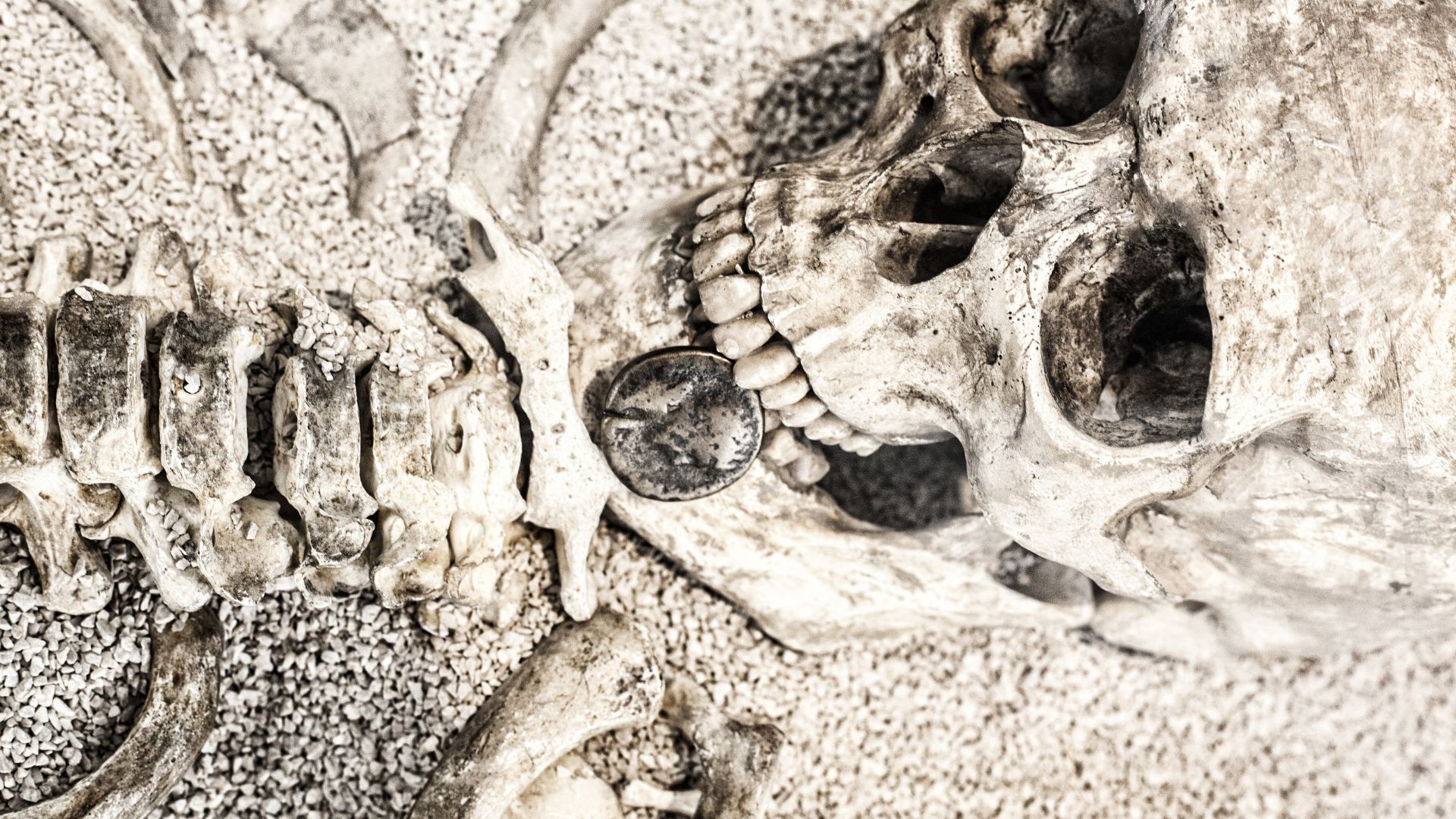
A fourth skeleton turned up under a neighboring gas station, this one with a coin tucked inside its mouth. Archaeologists believe it was payment for Charon, the mythological ferryman said to carry souls across the river to the underworld. The detail shows just how seriously ancient Romans in this area treated death, and how much history was quietly sitting beneath ordinary modern buildings.
What You’re Actually Looking At Today
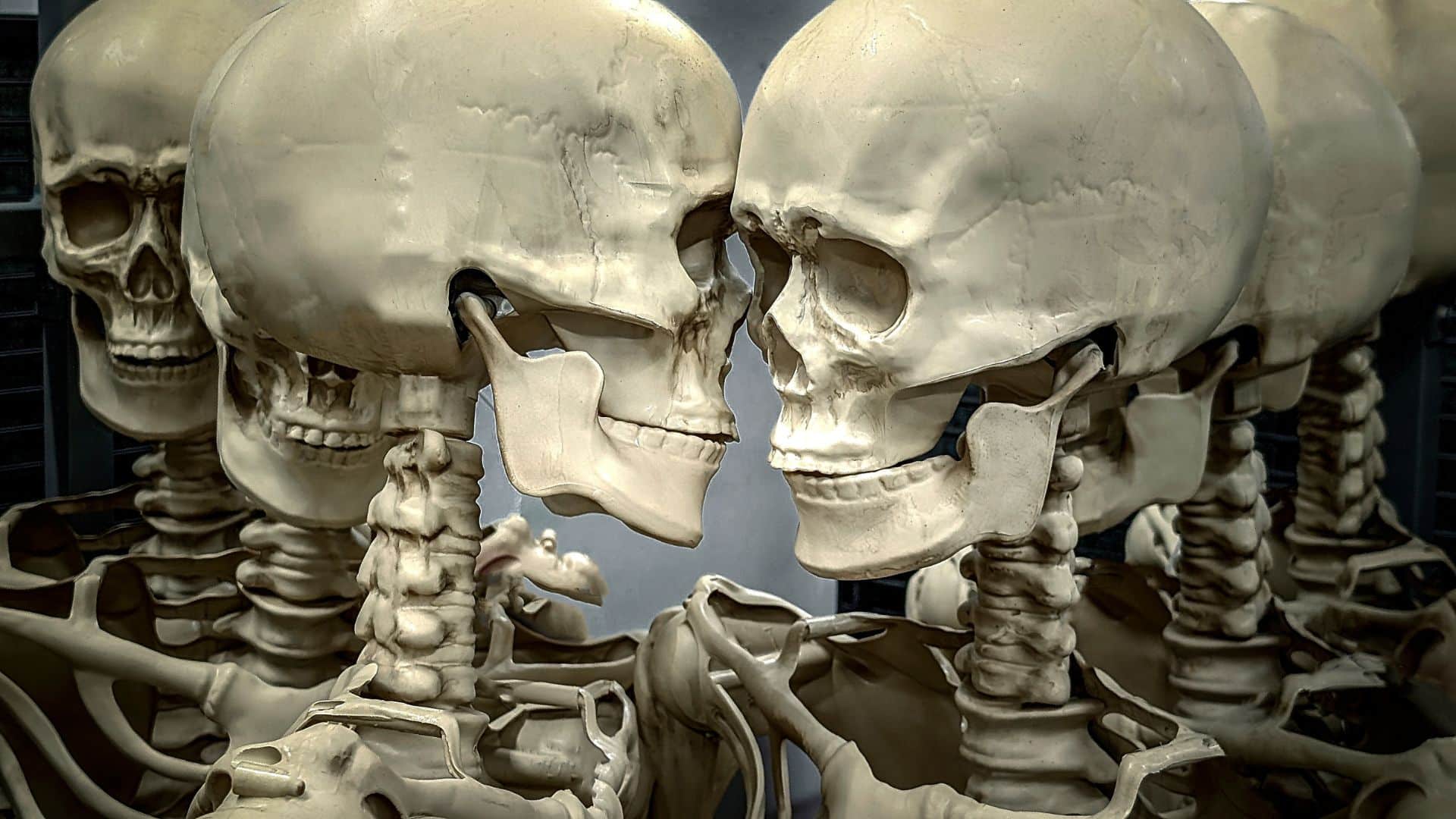
Here’s the twist most visitors don’t realize. The skeletons visible through the restaurant’s glass floor today are resin replicas, not the original bones. McDonald’s preserved the real remains separately for conservation while installing accurate stand ins at the exact burial spots. The road underneath, though, is the genuine 2,000-year-old paving, cracks, wheel ruts, and all, viewable exactly where it was unearthed.
McDonald’s Chief Calls It a “Museum-Restaurant”
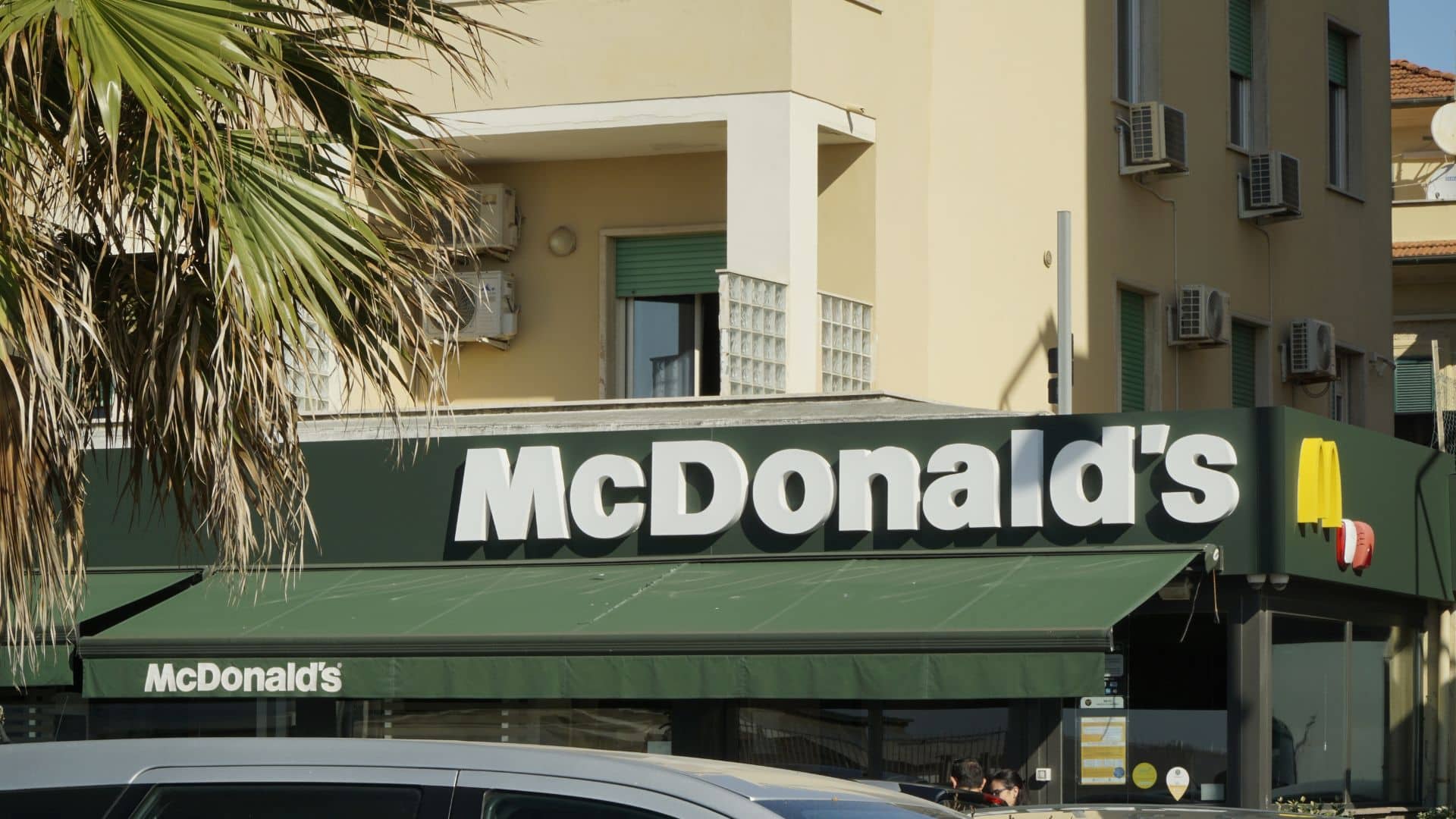
McDonald’s Italia chief Mario Federico didn’t downplay the unusual setup. He called it “our first museum-restaurant,” adding the company had been able to “return a stretch of Roman road to the local community and to the whole of Italy.” Rather than hiding the discovery or filling it back in, the company leaned into it fully, spending roughly $315,000 over three years to fund the excavation, restoration, and glass floor display before opening in 2017.
A Public-Private Project, Federico Says
Federico framed the restoration as proof that private companies and public heritage efforts can work together. “The project is a good example of how the public and private sectors can collaborate effectively on reclaiming cultural heritage,” he said. It’s an unusual role for a fast food chain to play, funding archaeology instead of just building over it, but the result gave Frattocchie a piece of preserved history it might otherwise have lost.
The Internet Discovers Its “Creepiest McDonald’s”

The site went viral again when TikToker Kassidy, of the account kassidy_and_james, posted a tour of the restaurant that racked up over a million views, gasping “There’s an absolute skeleton…in a McDonald’s.” Commenters piled on with jokes and disbelief, one writing they didn’t want a McRib anymore, another noting it “McDoubles as a crypt.” Some found it eerie. Others found it oddly moving, imagining a life lived long before fast food existed.
History Won the Argument
Frattocchie’s McDonald’s proves that even a fast food chain can choose preservation over convenience. Instead of paving over what workers found in 2014, the company spent hundreds of thousands of dollars to protect it, display it accurately, and open it to anyone who orders a meal there. The skeletons under the glass may be replicas now, but the road, and the choice to save it, are entirely real.

