How Krispy Kreme Went From Must-Have to Missed Mark
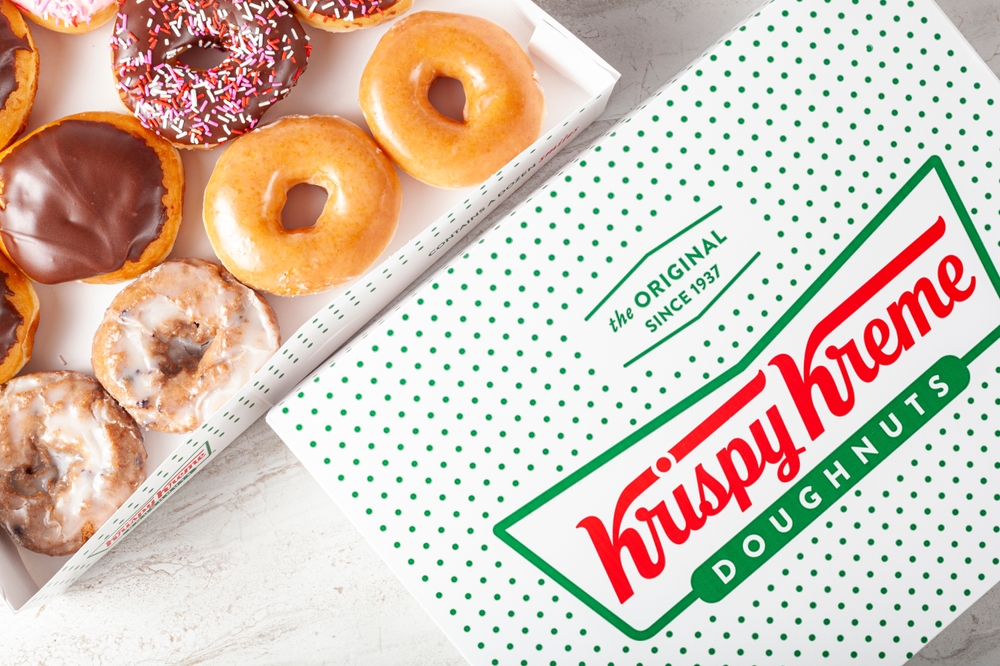

For years, Krispy Kreme was less a doughnut shop and more an event. Customers lined up when the red “Hot Now” light flicked on, signaling fresh glazed doughnuts rolling off the conveyor belt. Stores felt like small attractions, where families watched dough cascade through glaze waterfalls before biting into something warm and airy.
That early model relied on scarcity and spectacle. Locations were limited. The experience felt special. In some communities, a store opening was described as a “community event,” with people hanging out and bringing boxes to share. The brand built loyalty around freshness and ritual.
Then came rapid expansion. Krispy Kreme pushed aggressively into new markets, increasing store counts and distribution points. As availability grew, the sense of occasion faded. What once felt like a treat became something you could grab anywhere, and the premium aura that defined its early years began to thin.
When Growth Outpaced the Glow
Krispy Kreme’s first major stumble came during its early 2000s boom. The company expanded quickly through franchising, opening stores across the country at a pace that outstripped demand. As sales slowed, the company faced scrutiny over accounting practices, including allegations of “channel stuffing,” which involved pushing franchises to buy more product than they could realistically sell.
By 2005, leadership changes followed and the company’s stock price tumbled. The strategy that once fueled excitement now raised questions about sustainability. A brand built on fresh, high-demand doughnuts struggled with the reality of oversupply and rising costs.
The financial strain has resurfaced in recent years. In February 2025, Krispy Kreme shares fell more than 20% in a single day, hitting an all-time low after weaker-than-expected earnings and guidance, according to Investopedia. Revenue declined 10% year over year to $404 million in the fourth quarter, and the company reported a December cyberattack that shaved roughly $11 million off revenue. Shares have lost nearly half their value over the past 12 months.
Fresh vs. Everywhere
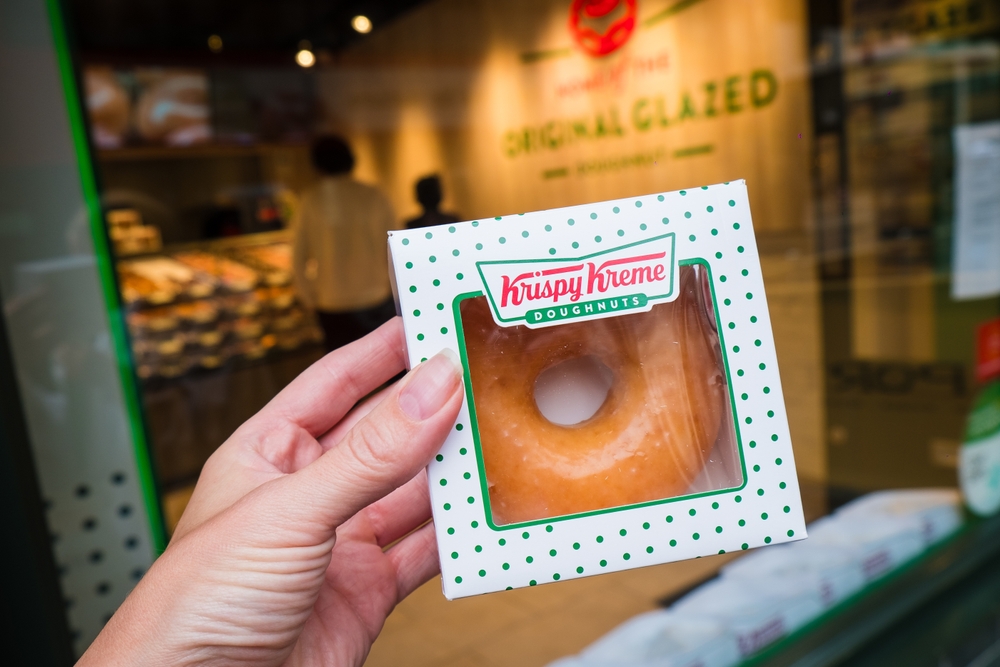
As Krispy Kreme leaned into broader distribution, its product reached grocery stores, gas stations and convenience chains. The shift expanded visibility but changed how customers encountered the doughnuts. Instead of stepping into a store for a warm, glazed ring straight from the line, many buyers now picked up pre-packaged boxes that had been sitting on shelves.
That difference has not gone unnoticed. In a Reddit thread from Huntsville, Alabama, one user wrote that the location “used to be a 4-6 times a year thing,” but now visits have dropped to once annually, citing frequent stock shortages and disappointing service. Another commenter said the shop “survive[s] only because the brand is iconic,” adding that they dread going there when they need doughnuts.
Similar conversations have appeared internationally. In another subreddit, r/australian, a poster described the doughnuts as tasting “like cardboard,” while another said they were “dry, yet oddly greasy.” Others defended the brand, arguing that fresh doughnuts from the outlet taste better than those sitting at convenience stores. The split highlights the tension between freshness and mass distribution, a challenge inherent in scaling a product designed to be eaten warm.
Debt, Distribution and the Next Phase
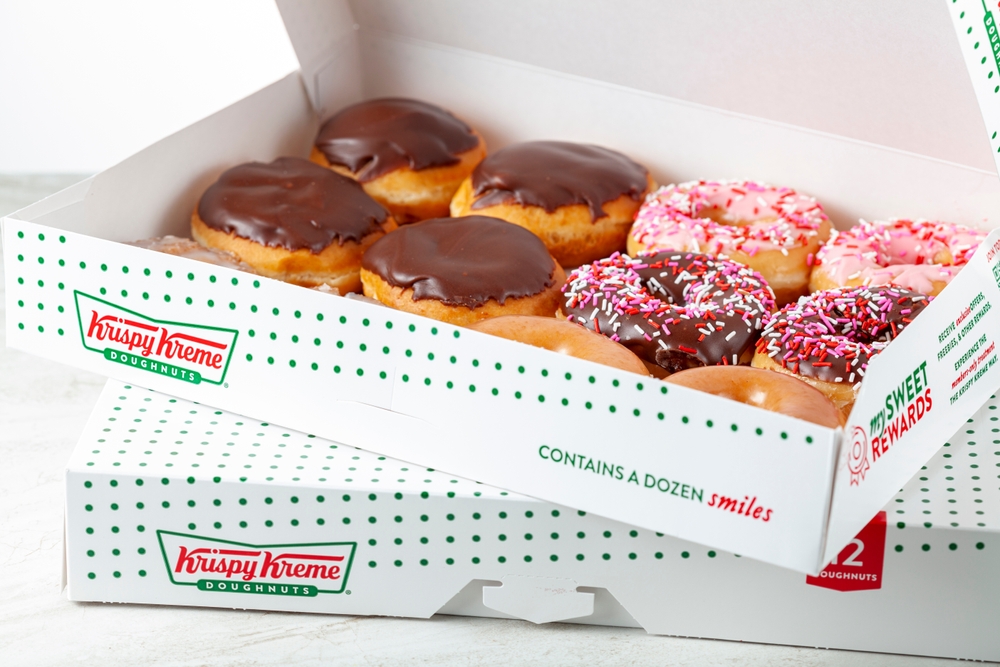
Behind the scenes, Krispy Kreme has been reshaping its structure. CEO Josh Charlesworth said the company has “restructured our management teams to maximize profitable U.S. expansion and capital-light international growth.” The company is outsourcing U.S. logistics and evaluating refranchising certain international markets as it looks to streamline operations.
The brand’s current strategy emphasizes a “hub and spoke” distribution model, where large production hubs supply doughnuts daily to smaller retail outlets and third-party partners. That approach aims to reduce overhead compared to maintaining full production equipment in every store. It also increases reach into retailers such as grocery chains and big-box stores.
Scaling a fresh, high-waste product remains complex. Doughnuts have short shelf lives, and unsold inventory directly affects margins. Krispy Kreme’s recent earnings guidance projects full-year revenue between $1.55 billion and $1.65 billion, below analyst estimates. The company continues balancing expansion with operational efficiency, while trying to protect the brand identity that once centered on a glowing red light and a hot, melting glaze.
