How Much Is a Family of Four Really Spending on Groceries Right Now?
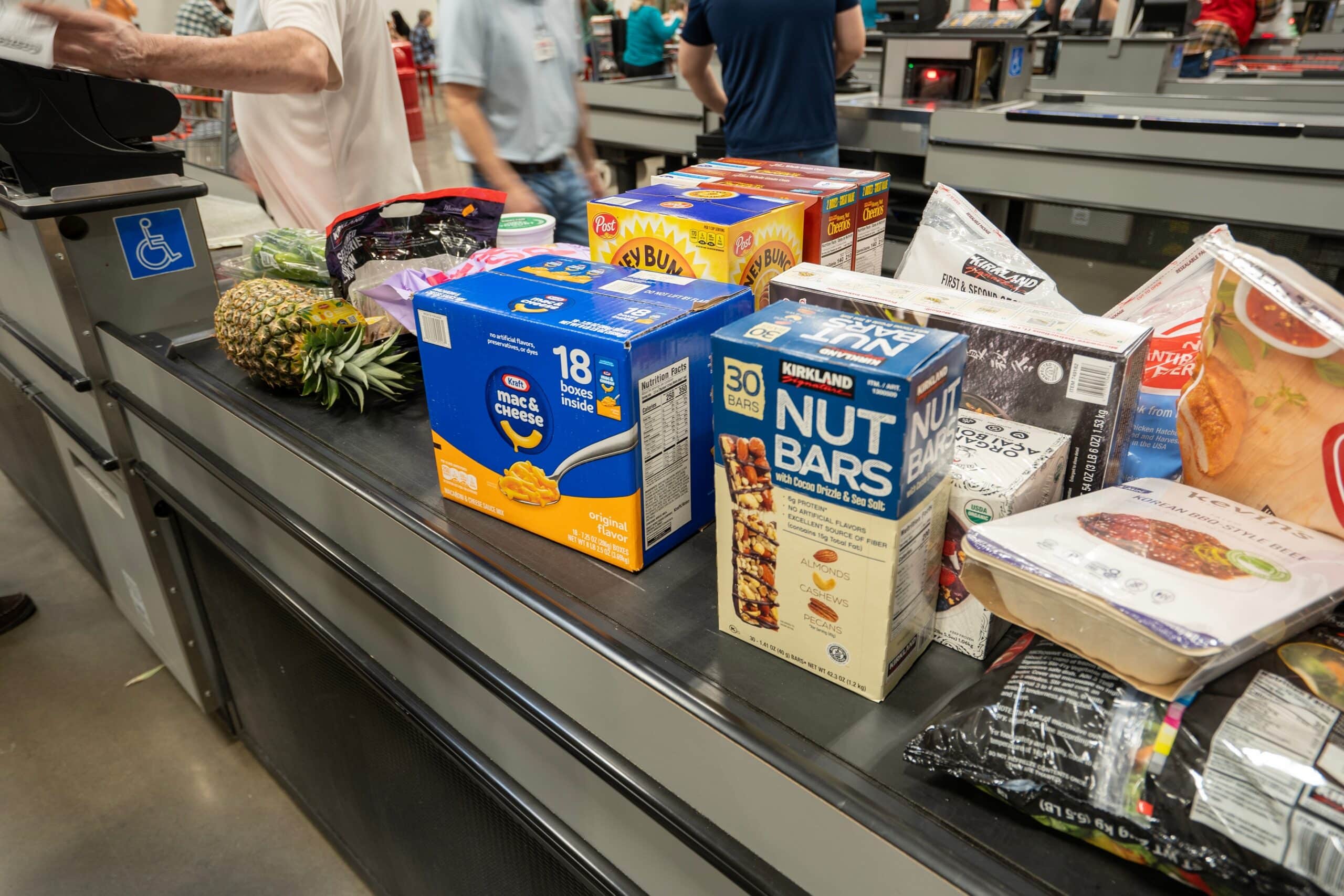


Grocery shopping used to feel routine. Now, it feels like a calculation. For many families of four, the weekly trip to the store has turned into a careful balancing act between cost, nutrition, and convenience. Prices have climbed steadily, and what once fit comfortably within a budget now often stretches it. Inflation, supply chain disruptions, and rising production costs have all contributed to higher grocery bills. At the same time, many foods labeled as “healthy” or “better choices” often come with higher prices without always offering better value. So what does a typical grocery budget really look like today?
The Average Monthly Cost

For a family of four, monthly grocery costs generally fall between $800 and $1,300. Lower-end budgets focus on basic ingredients and home cooking, while higher-end spending often includes convenience foods, snacks, and specialty items. In many urban areas, costs can climb even higher due to increased demand and overhead expenses. There is no single number that fits every household, but most families are seeing noticeable increases compared to just a few years ago.
Why Prices Are Rising

Food prices are influenced by more than just what’s on the shelf. Transportation costs, labor shortages, and supply chain issues all play a role in pushing prices upward. Weather patterns and global demand also affect how much certain foods cost at any given time. On top of that, processed and packaged foods often come at a premium due to branding and production, even when they don’t offer better nutrition.
Where the Money Goes

A large portion of grocery spending goes toward staples like meat, dairy, grains, and produce. But it’s often the smaller, everyday additions—snacks, drinks, and pre-made meals—that quietly increase the total bill. These items may seem inexpensive individually, but over time, they can significantly impact monthly spending. Convenience tends to come at a cost.
The “Healthy” Price Trap
Many shoppers reach for foods labeled organic, low-fat, or gluten-free, expecting better quality. However, these labels often raise prices without guaranteeing better nutrition. Some of these products include added sugars or extra processing, making them both more expensive and less beneficial than expected. Reading beyond the label can help avoid unnecessary spending.
Habits That Affect Spending

Daily habits play a major role in grocery costs. Families who cook meals at home and plan ahead tend to spend less than those relying on convenience foods. Sticking to a shopping list can also prevent impulse purchases, which often add up quickly. Even small changes in routine can lead to noticeable savings over time.
Regional Differences
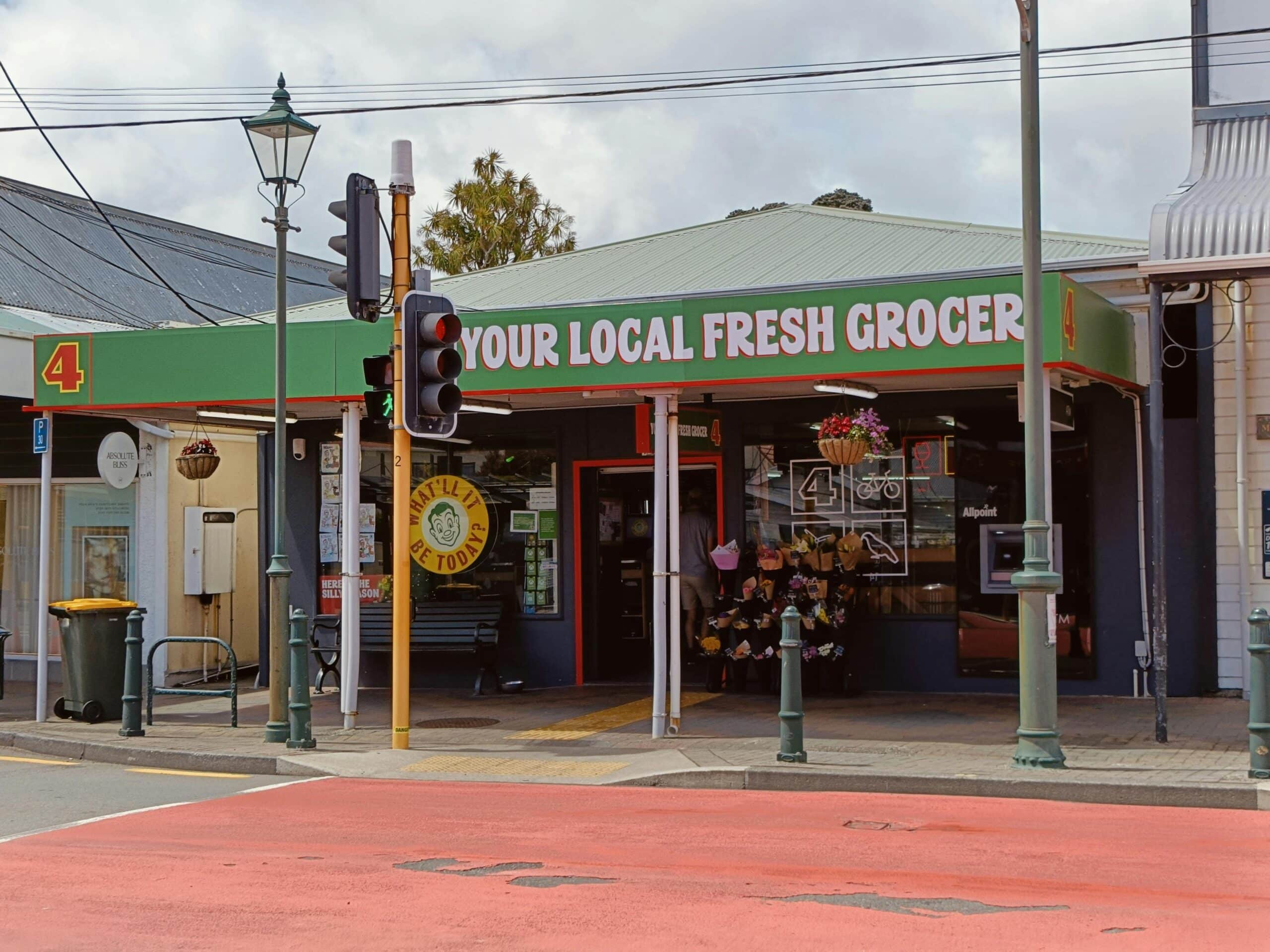
Where you live can significantly impact your grocery bill. Urban and coastal areas often have higher food prices due to transportation and demand. Meanwhile, rural areas may offer lower prices but fewer options, which can affect shopping choices. The same list of items can vary widely in cost depending on location.
Smart Ways to Save
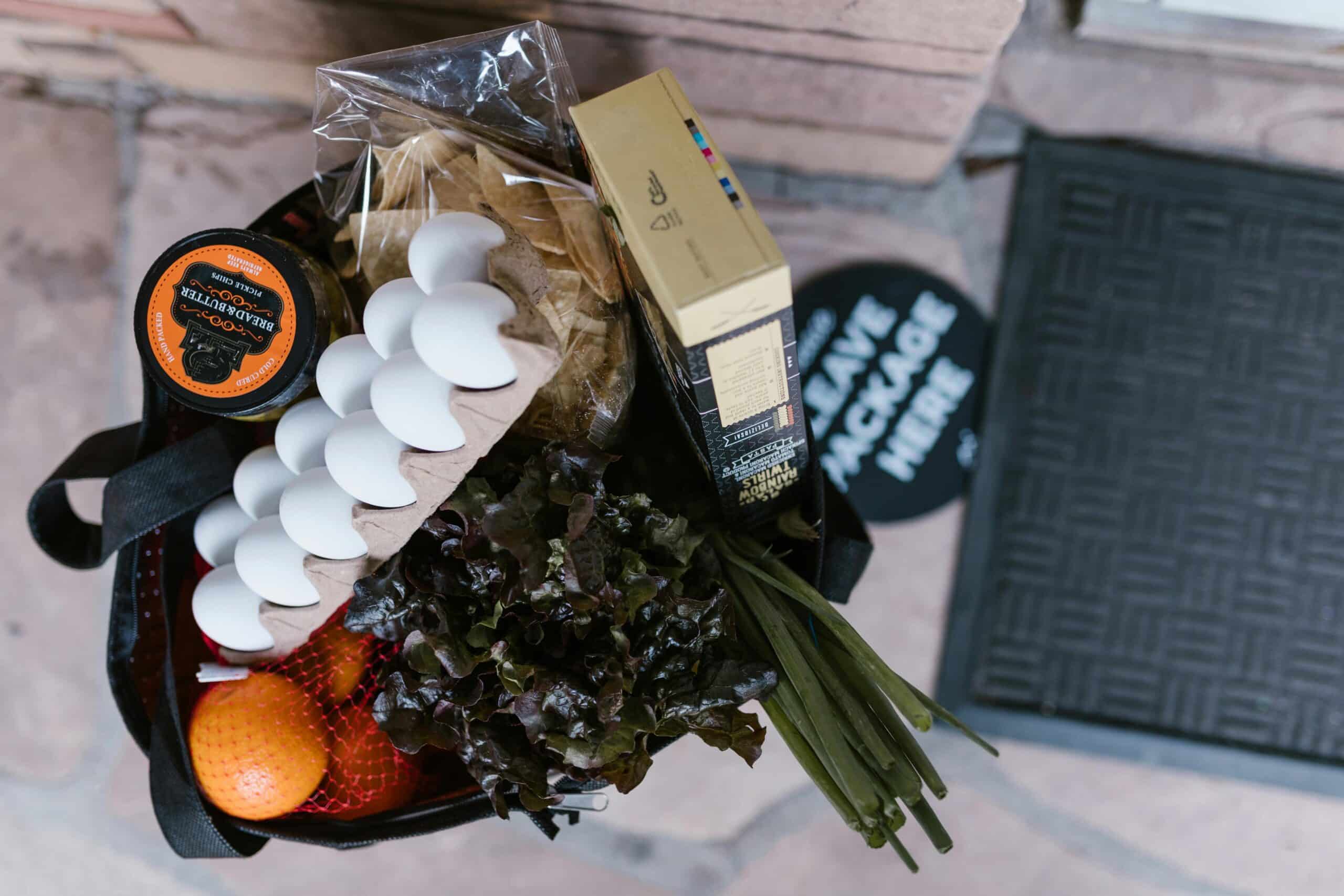
Saving money on groceries doesn’t always mean cutting back. Choosing store brands, buying in bulk, and selecting seasonal produce can reduce costs without sacrificing quality. Whole foods are often more affordable and nutritious than processed alternatives. A few smart swaps can make a big difference.
Budgeting for Reality

With prices constantly changing, budgeting has become more important than ever. Tracking spending, comparing prices, and adjusting plans week to week can help families stay on track. Building flexibility into a budget also makes it easier to handle unexpected price increases. A realistic approach tends to work best over time.
Where Families Go From Here

So how much is a family of four really spending on groceries today? The answer varies, but one thing is clear. It’s more than before. Rising costs and changing habits have made grocery shopping more complex, but understanding where the money goes can help families make better decisions. In the end, a thoughtful approach to shopping may matter just as much as the budget itself.