‘Hunger Comes Back With a Vengeance’ When You Stop Ozempic, Doctors Say
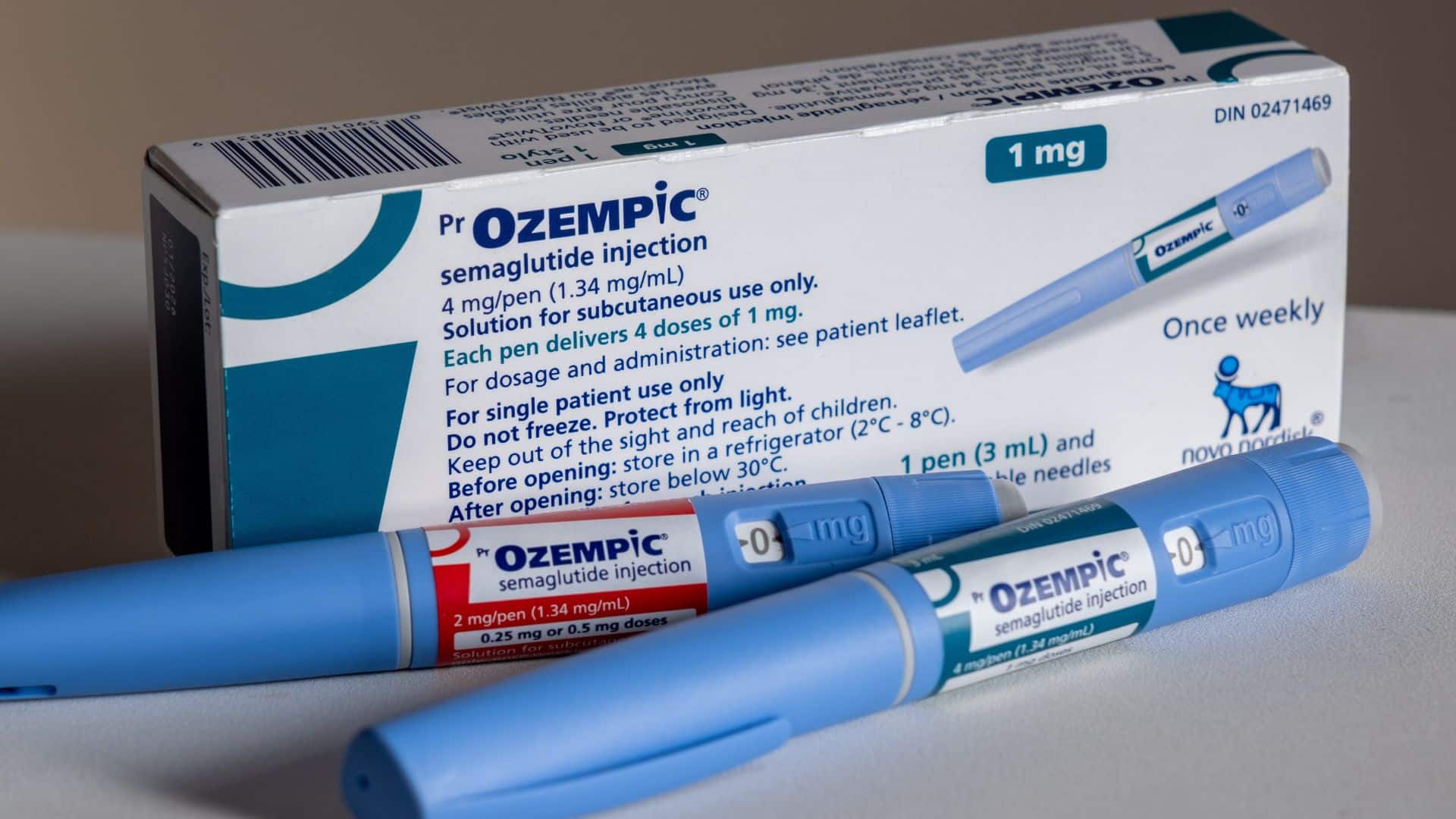

GLP-1 medications like Wegovy and Ozempic were developed as permanent solutions for obesity and Type 2 diabetes, not temporary weight-loss fixes. Yet research reveals that most users abandon treatment far earlier than intended. A JAMA Network Open analysis tracking over 120,000 patients found that half stopped within one year, while nearly three-quarters quit by year two. Among those without diabetes, the dropout rate climbed even higher, reaching 85 percent after two years, according to findings from Truveta Research.
The consequences of stopping extend beyond the scale. Studies demonstrate that weight returns rapidly after quitting treatment, often accompanied by the reversal of health improvements gained during use. Blood pressure rises back to baseline, cholesterol improvements diminish, and prediabetic markers return. This raises an important question: Are these medications worth starting if long-term use proves difficult? Physicians say yes, but emphasize the need for realistic planning and lifestyle modifications.
Understanding what drives people to quit, and what happens physiologically when they do, has become urgent as these drugs surge in popularity. Nearly 18 percent of American adults have used a GLP-1 medication, yet marketing often frames them as quick fixes rather than chronic disease management. The gap between how these drugs are promoted and their actual medical purpose leaves many users unprepared for the biological rebound that follows discontinuation.
The Body Fights Back After Treatment Stops

GLP-1 receptor agonists work by replicating hormones the gut produces naturally, which trigger satiety signals and slow down digestion, effectively quieting what clinicians call “food noise.” When treatment ends, however, these suppressed hunger signals return forcefully. “The hunger and food noise symptoms come back with a vengeance,” says Katherine Saunders of Weill Cornell Medicine. The phenomenon goes beyond mere appetite. It triggers a cascade of biological responses that the body deploys to defend its weight.
The set point theory offers one explanation for this fierce rebound. This theory suggests individuals have a baseline weight their bodies defend through hormone-driven mechanisms. As pounds come off, the digestive system releases hormones that increase hunger while the body’s resting metabolism slows down. Kevin Hall, a former senior investigator at the National Institutes of Health who specializes in nutrition, explains that appetite rises significantly above baseline levels after substantial weight loss, driving caloric overconsumption.
A BMJ review examining 37 studies quantified this effect. Clinical data showed participants shed 32 pounds on average during treatment, then gained back 21 pounds in the year following discontinuation. Weight returned four times more quickly compared to individuals who lost weight through lifestyle interventions alone. Sam West, a physiologist and postdoctoral researcher at the University of Oxford who led the review, observed that health marker deterioration tracked virtually parallel with weight regain.
Some Benefits May Linger, But Not For Long
Not all improvements vanish immediately after stopping. A 2022 clinical trial following roughly 200 participants who stopped semaglutide after losing 17 percent of body weight found they maintained a net 5 percent loss after one year. According to obesity medicine physician Chika Anekwe at Massachusetts General Hospital, losing just 3 percent of body weight can provide meaningful benefits for diabetes and dyslipidemia, the abnormal lipid levels that increase cardiovascular disease risk. Yet this modest retention falls short of the full therapeutic benefit.
How much weight someone loses during treatment appears to determine which health improvements last. Those who lost more weight during treatment retained slightly better outcomes in cholesterol and inflammatory markers even after regaining pounds. In the 2022 trial, treatment reduced prediabetes to just 6 percent of participants. But a year after stopping the medication, many reverted to prediabetic status as weight returned, demonstrating how quickly metabolic improvements can disappear.
Another concerning pattern emerges around body composition. Weight cycling, the repeated loss and regain of pounds, may alter the balance between fat and muscle in harmful ways. During weight loss, muscle comprises one-quarter to one-third of the pounds shed. Regaining weight, however, tends to restore fat preferentially over muscle. Robert Kushner, an obesity medicine specialist and professor emeritus at Northwestern University, suggests body composition likely changes through this cycle, though more research is needed.
Cost and Coverage Drive Most People to Quit

While side effects drive some discontinuations, financial barriers are the main obstacle to sustained use. Without insurance coverage, brands like Wegovy and Ozempic cost approximately $1,000 per month. Truveta Research principal applied research scientist Tricia Rodriguez found that higher-income individuals showed better medication adherence, suggesting financial access plays a decisive role. Insurance coverage remains inconsistent, particularly for patients without Type 2 diabetes, even when obesity poses documented health risks.
This creates a paradox in how physicians approach these drugs. Sadiya Khan, a professor of cardiovascular epidemiology and preventive cardiologist at Northwestern University, argues these drugs should be treated like any chronic disease medication. No one suggests stopping blood pressure medication once readings normalize, she notes. Yet the pattern persists. About one-third of patients without diabetes who quit eventually restart treatment within a year, often after their weight returns. The health effects of this stop-start cycle remain largely unstudied.
Physicians recommend starting with clear long-term strategies in place. Gitanjali Srivastava, medical director of obesity medicine at Vanderbilt University Medical Center, says the greatest success stories come from combining lifestyle changes with obesity medications. Robert Kushner recommends patients who must stop have a transition plan, whether to older, less expensive medications or intensive behavioral programs. These treatments work best as sustained commitments to health rather than temporary fixes, requiring ongoing management like any chronic condition.