Iconic Chicken Chain Struggles to Stay Open as Closures Loom
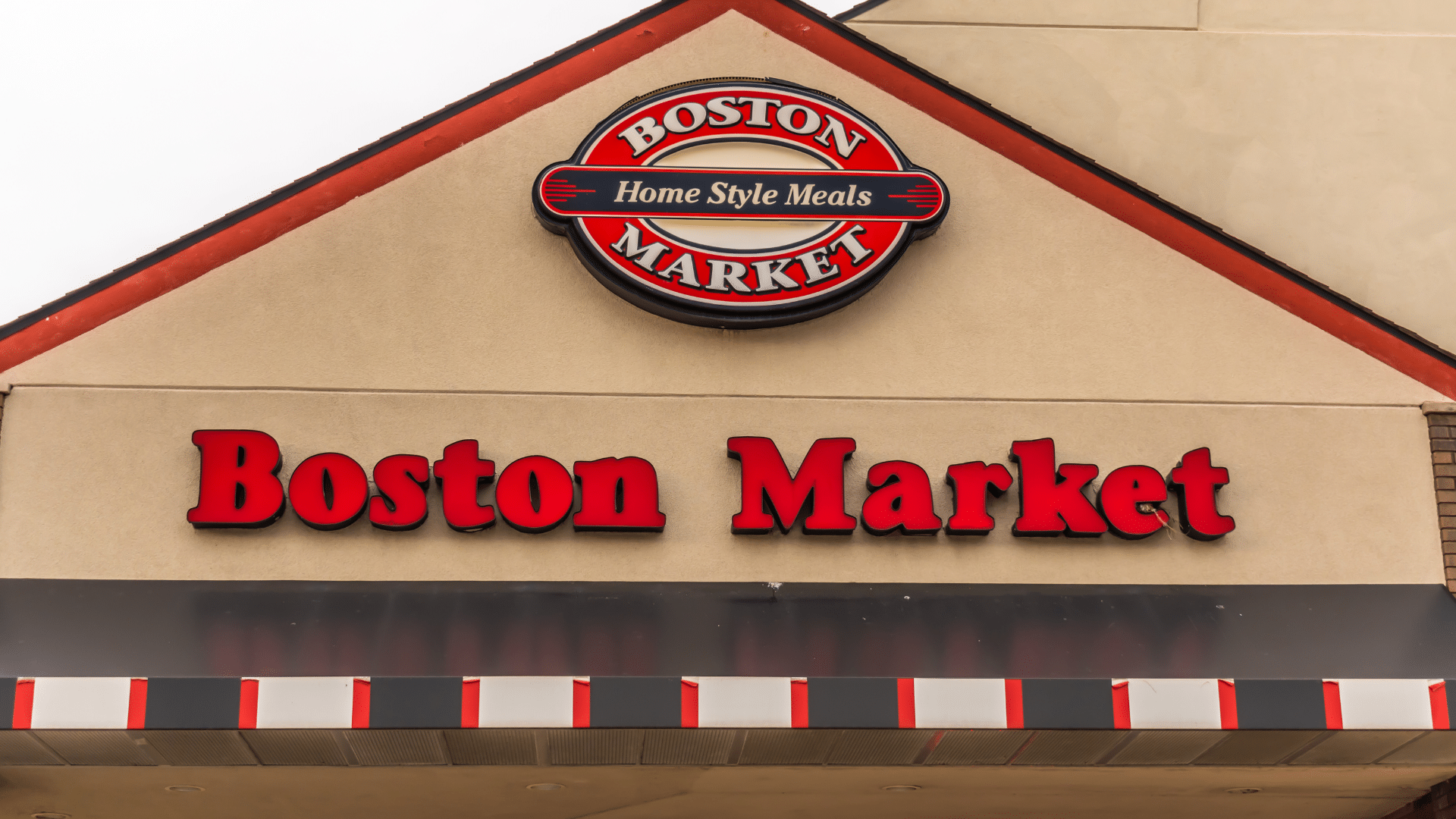

One of America’s once-ubiquitous chicken restaurant chains is now fighting to stay open as it shrinks dramatically from its peak size and closes location after location, a decline that has left longtime fans wondering how a once-dominant brand reached such a precarious point. According to business reports, the chain in question, Boston Market, originally known as Boston Chicken, once boasted more than 1,200 restaurants nationwide during the 1990s but has seen its footprint shrink to fewer than 20 remaining locations as of early 2026 amid mounting financial difficulties and changing consumer behavior.
The decline has been so steep and sustained that analysts describe the situation as the brand being on “life support,” with thousands of closures marking a long downward trajectory that reflects deeper challenges beyond a single quarter of weak sales. As the restaurant industry evolved and consumers increasingly opted for faster, more modern dining options, Boston Market struggled to maintain relevance in an increasingly crowded market where newer chicken concepts expanded rapidly while legacy brands faced pressure to adapt.
Much of the chain’s struggle stems from a mix of internal and external pressures, including leadership turnover, bankruptcy filings, and intense competition from grocery store rotisserie chickens that offer similar products at significantly lower prices. These compounding issues have led to widespread closures, unpaid obligations, and legal disputes that have made any potential turnaround increasingly difficult.
How a Once-Popular Brand Faded From the National Stage
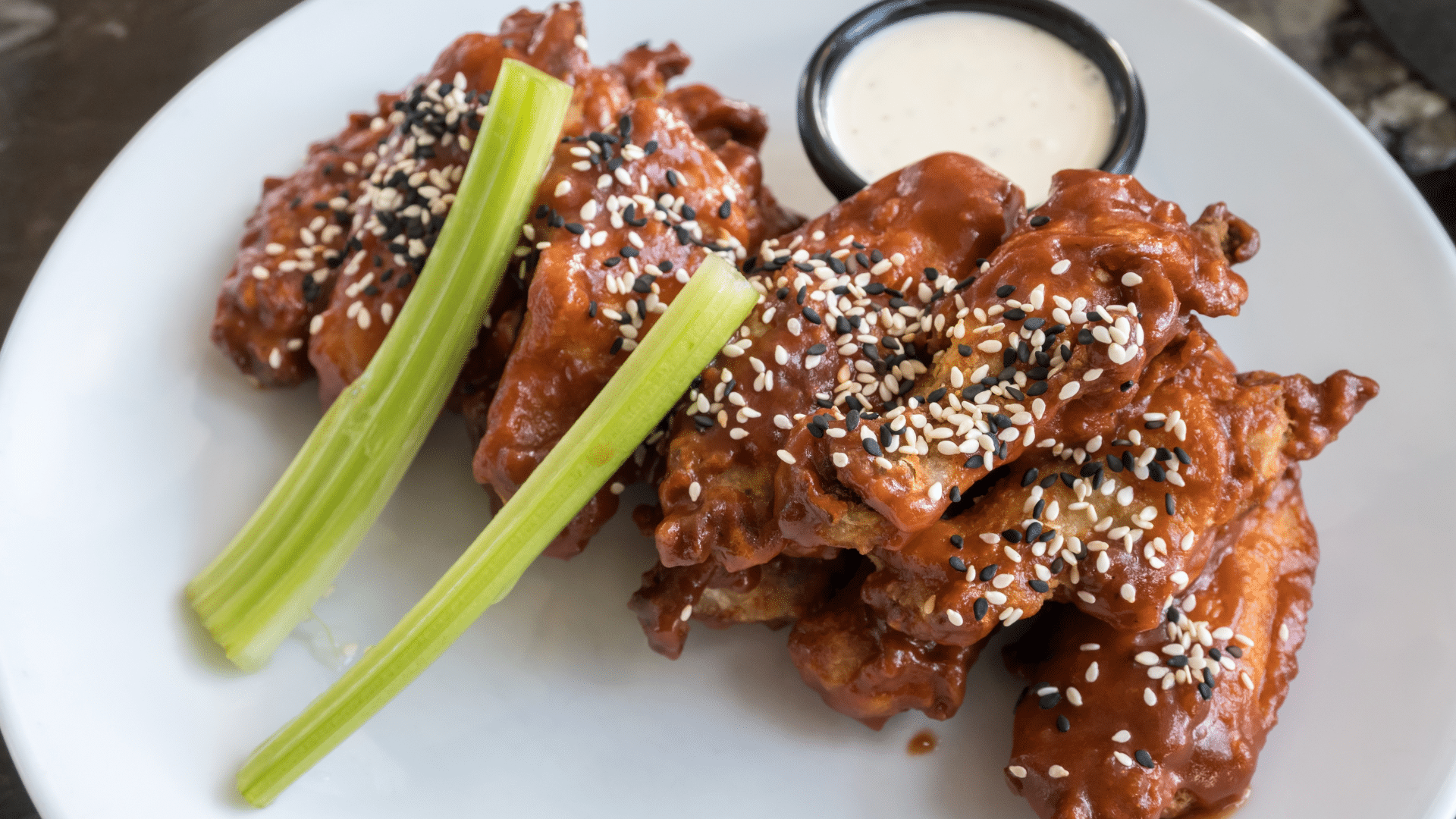
Boston Market’s rise began in the mid-1980s when its rotisserie chicken, homestyle sides, and family-friendly atmosphere resonated with consumers seeking a sit-down meal that felt comforting yet convenient. That early success fueled rapid national expansion, but over time, shifting dining habits and intensifying competition slowly eroded the brand’s position in the casual dining landscape.
As fast-casual chicken chains gained traction through modern branding, digital ordering, and viral marketing, Boston Market’s traditional image began to feel dated to younger diners who increasingly favored speed, customization, and novelty. At the same time, grocery stores selling ready-to-eat rotisserie chickens undercut one of the chain’s signature offerings, drawing away customers looking for lower-cost alternatives.
Financial instability further accelerated the decline, with bankruptcy filings exposing deeper structural problems such as unpaid rent, supplier disputes, and limited capital for reinvestment. These challenges left the company struggling to modernize its restaurants or reposition its brand at a pace fast enough to keep up with industry leaders.
Why Some Restaurant Chains Survive While Others Disappear
Industry analysts note that Boston Market’s situation reflects a broader reality within the restaurant sector, where success increasingly depends on adaptability, operational efficiency, and the ability to stay aligned with evolving consumer expectations. Brands that thrive often embrace technology, refresh their menus frequently, and maintain strong engagement with customers through digital platforms.
In contrast, chains that rely heavily on nostalgia without meaningful innovation risk falling behind competitors that move more quickly to capture changing tastes and lifestyles. Boston Market’s prolonged decline highlights how even widely recognized names can lose relevance when they fail to evolve alongside the market.
Despite the grim outlook, some experts suggest that legacy brands can still find a path forward if they are willing to make bold changes, including menu reinvention, streamlined operations, or strategic partnerships, though such transformations require time, capital, and a clear vision for the future.
What This Means for Loyal Customers and the Future
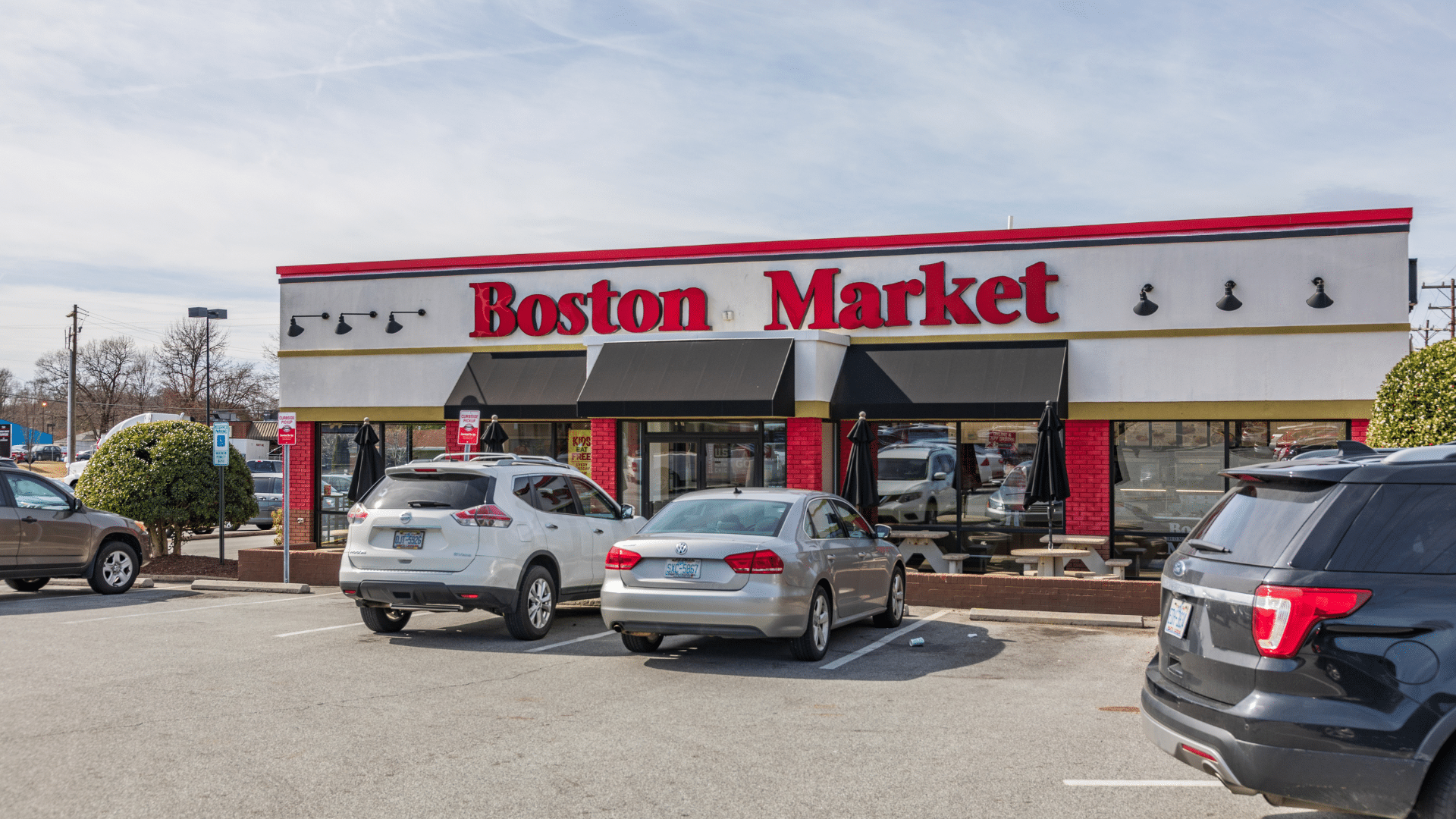
For longtime fans, the disappearance of Boston Market locations represents more than a business story, it marks the fading of a familiar piece of American dining culture associated with family meals, holidays, and comfort food traditions. Many customers recall the brand as a reliable alternative to fast food that once occupied a unique middle ground in the restaurant landscape.
As the remaining locations become increasingly scarce, loyal patrons may be forced to travel farther or abandon the brand altogether, turning instead to competitors or attempting to recreate favorite dishes at home. This shift underscores how rapidly consumer habits and market forces can reshape even well-established chains.
Whether Boston Market ultimately survives or disappears remains uncertain, but its ongoing struggles serve as a cautionary example of how quickly fortunes can change in the restaurant industry, and how adaptation, innovation, and relevance are essential for long-term survival in an increasingly competitive marketplace.

