Iconic Dishes to Try at Least Once in Your Life


If you love to travel, eat, or simply taste the world from your plate, this list is for you. These dishes are more than local favorites—they’re cultural milestones, recognized by UNESCO as part of humanity’s shared heritage. Whether you’re a seasoned explorer or an armchair traveler, these are the foods everyone should experience at least once in their lives.
Neapolitan Pizza
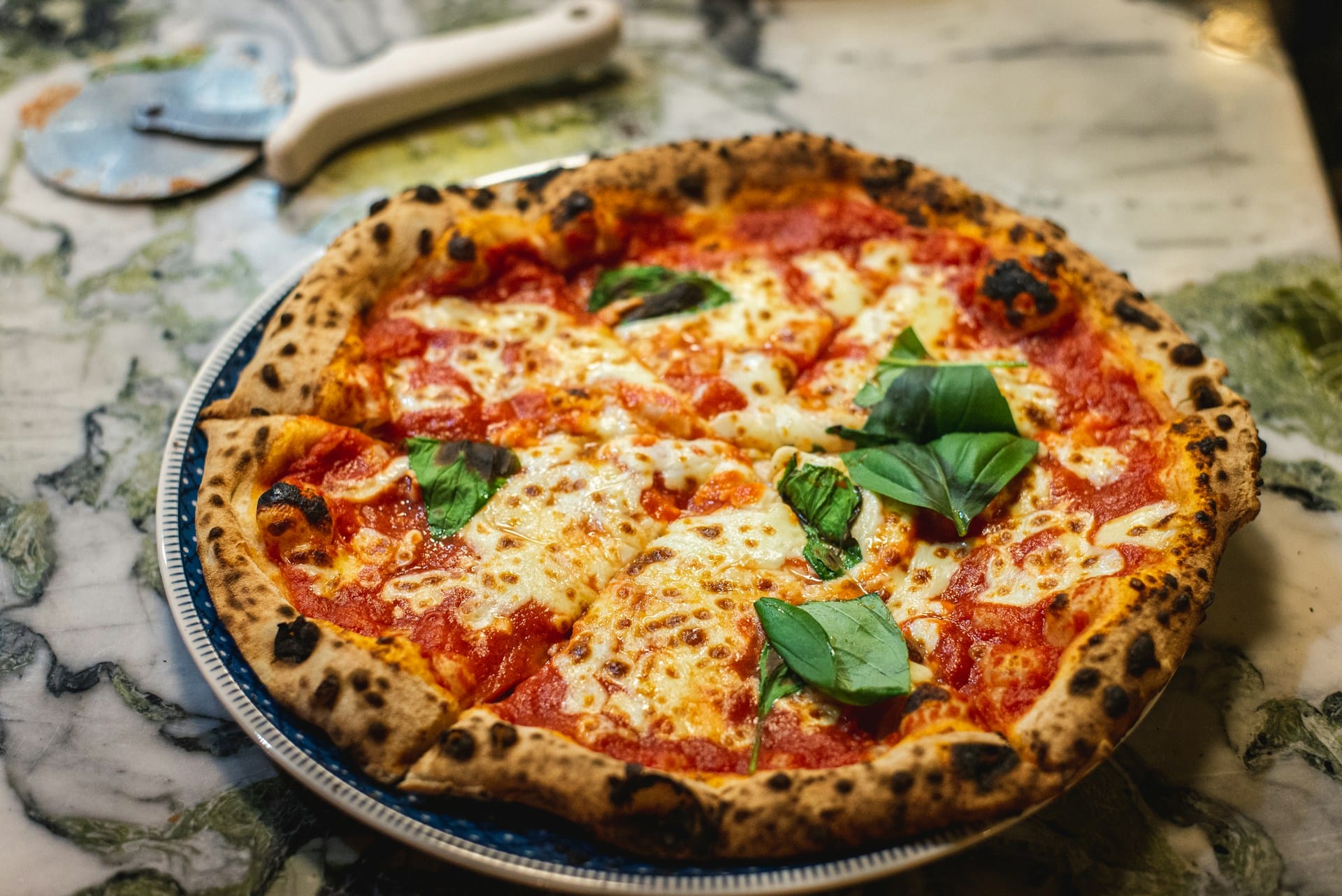
There’s pizza, and then there’s Neapolitan pizza. Born in Naples, this UNESCO-listed dish is a lesson in simplicity: dough, tomatoes, mozzarella, and little else. But the magic lies in the method. The dough ferments for hours, then bakes in a wood-fired oven so hot it blisters in 90 seconds. Standing in a Neapolitan pizzeria, tearing through that charred crust, you realize why generations have defended this recipe—it’s not fast food, it’s living art.
Couscous
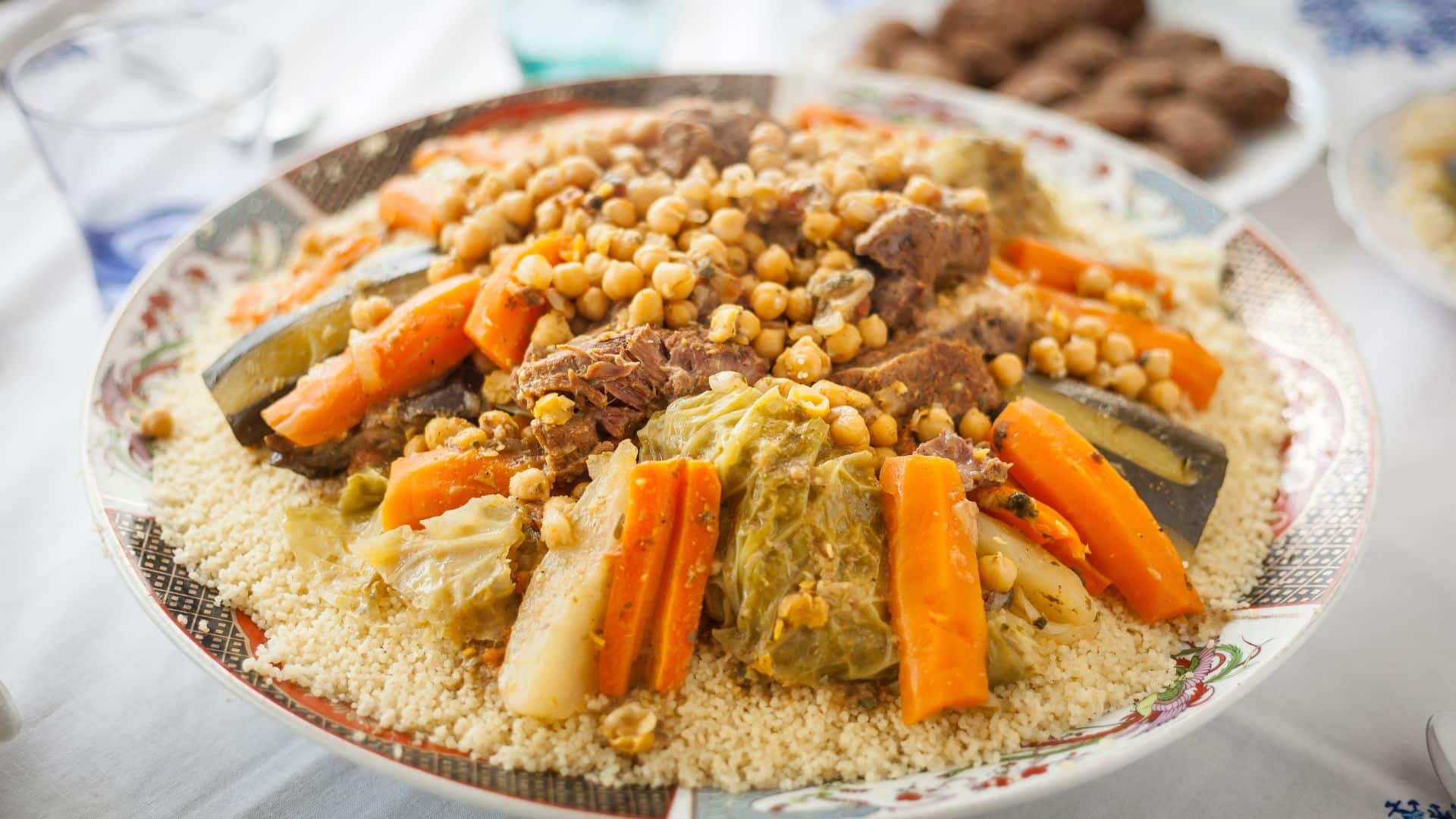
Few foods symbolize unity quite like couscous. Across Morocco, Algeria, and Tunisia, families gather around a shared platter, scooping spoonfuls of semolina steamed to perfection. It’s humble, hearty, and celebratory all at once. The dish itself is centuries old, but what makes it eternal is its purpose: to bring people together. To truly understand North Africa, try couscous as locals do—hand-rolled, slow-steamed, and shared among friends while the scent of cinnamon and saffron fills the air.
Licitar Gingerbread
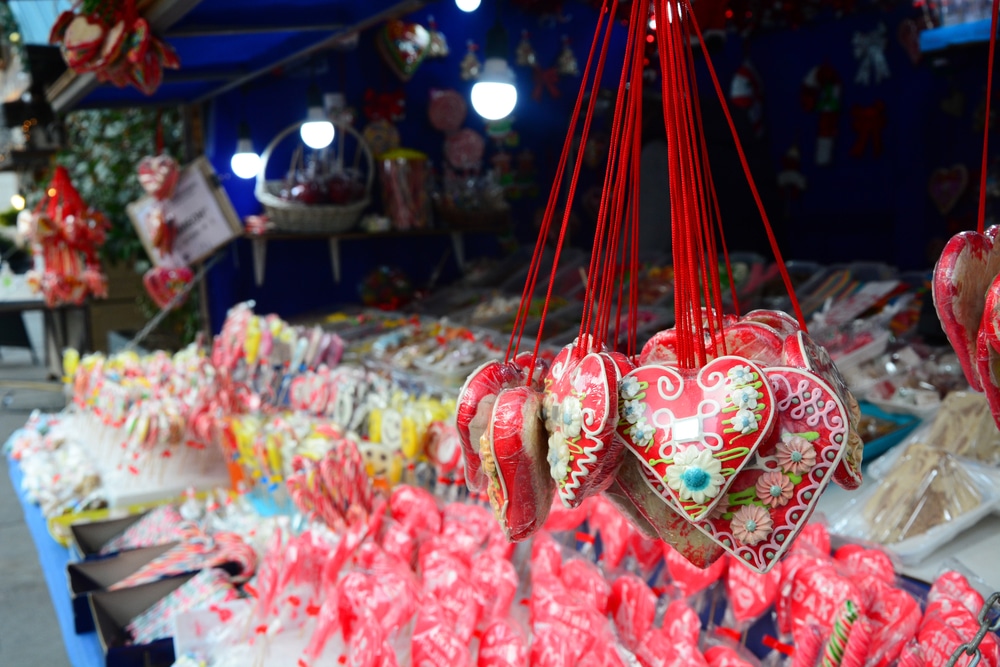
In Croatia, food is often an expression of love, and nothing captures that better than licitar gingerbread. These bright red, heart-shaped cookies are painstakingly painted with white icing and floral designs, then wrapped in ribbons as tokens of affection. They’re as much art as dessert—edible keepsakes that symbolize patience, craftsmanship, and joy. Try one fresh from a Zagreb market stall during the holidays, when the air smells of honey and spice, and you’ll taste the sweetness of tradition itself.
Kimchi

Every Korean meal begins and ends with kimchi, the nation’s proudest dish. It’s spicy, tangy, and alive—fermented vegetables that transform over weeks into something far greater than the sum of their parts. Making kimchi is a community ritual known as kimjang, where families gather to prepare vast batches for winter. Eating kimchi in Seoul, especially in a family-run diner or market stall, is to taste a country’s heartbeat—fiery, complex, and full of history.
Tomyum Kung
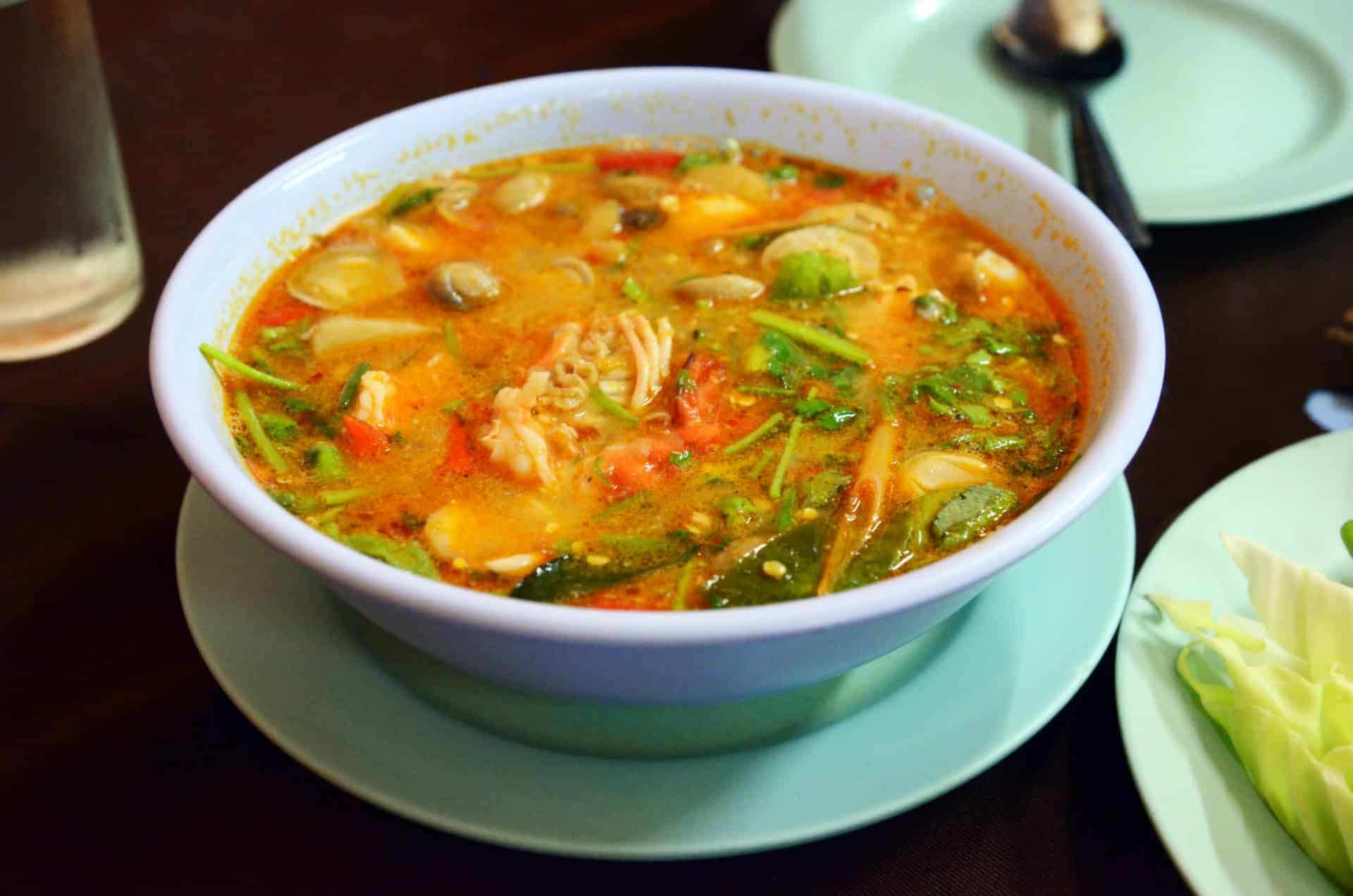
Few soups can claim to awaken every sense the way tomyum kung does. This bright, aromatic broth of lemongrass, lime leaves, chili, and prawns defines Thai cooking—hot, sour, salty, and sweet in perfect balance. The first spoonful delivers a jolt of heat, followed by a wave of citrus and calm. Whether eaten in a Bangkok street stall or seaside café in Phuket, tomyum reminds you that food can refresh both body and spirit.
Lavash

In Armenia, bread is sacred, and lavash is its most poetic form. This thin, elastic flatbread—baked in deep clay tonirs—is stretched, slapped, and baked in seconds, emerging soft and smoky. The act of making lavash, often by groups of women, is a dance of precision and care. Tearing a warm piece straight from the oven is a small act of connection, linking you to generations who’ve done the same across centuries. It’s not just bread—it’s continuity made edible.
Japanese Washoku

To eat washoku is to eat mindfulness. The Japanese culinary tradition, recognized by UNESCO, isn’t about excess but balance—between color, flavor, and seasonality. A proper washoku meal may include rice, miso soup, pickles, and fish, all arranged with aesthetic harmony. Try it in a Kyoto ryokan or Tokyo teahouse, where every bite feels like an offering to nature’s rhythm. You don’t just taste the food—you feel the philosophy behind it.
Hawker Dishes
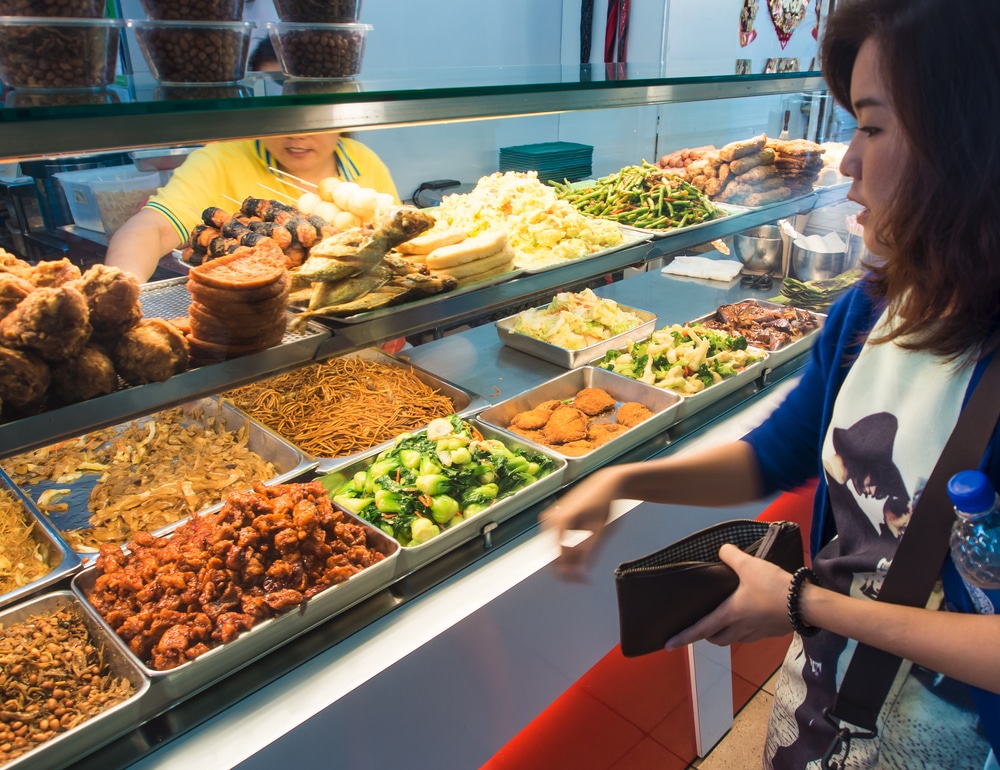
Some of the world’s best meals are eaten standing up with plastic chopsticks. Singapore’s hawker stalls, now a UNESCO-listed cultural treasure, turn everyday eating into an art form. Here, you can sample dozens of dishes that tell stories of migration and fusion—Hainanese chicken rice, Malay satay, Indian roti prata—all under one roof. Eating at a hawker center isn’t just affordable dining; it’s a reminder that the most authentic flavors often live outside fine dining rooms.
Baguette

The humble baguette might be the most symbolic loaf in the world. UNESCO honored it not for its recipe, but for its ritual—the daily act of buying, carrying, and breaking bread. Walk into a Paris bakery in the morning and you’ll see the choreography unfold: bakers dusting flour, customers greeting one another, paper bags rustling. The smell alone could convince you that happiness is freshly baked. Take your baguette to a park, tear it by hand, and you’ll know exactly why it’s worth the pilgrimage.
Wiener Würstelstand
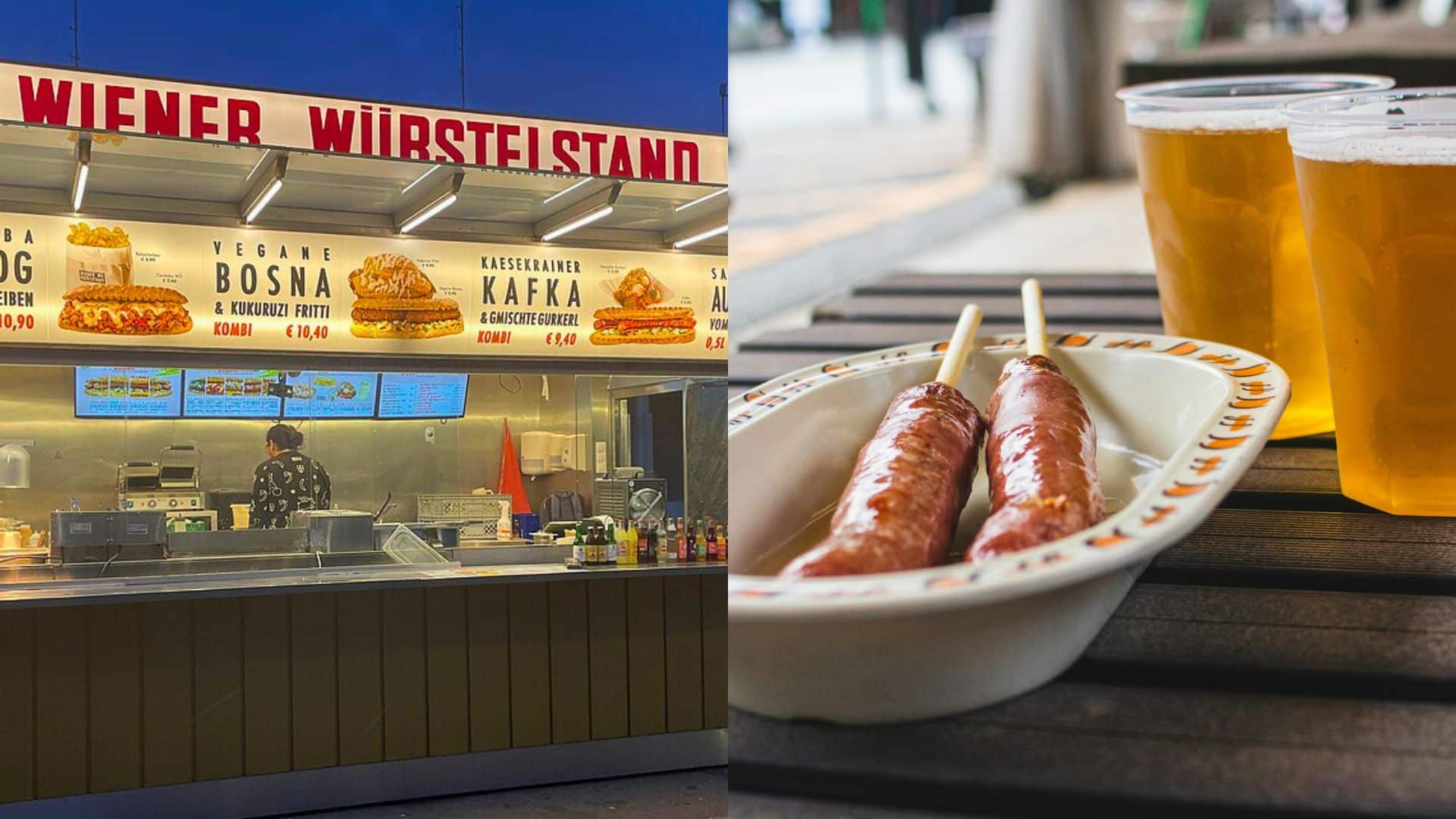
Long before street food became fashionable, Vienna perfected it. The Würstelstand, a small kiosk selling hot sausages and beer, has been feeding locals since the 1800s. Today, these stands are city fixtures, buzzing late into the night with laughter and the sizzle of bratwurst. Grab a sausage at Würstelstand Leo, the city’s oldest, and eat shoulder-to-shoulder with strangers under warm yellow lights. It’s not just a meal—it’s a celebration of urban life.
Taste the World While You Can

The beauty of these dishes is that they’re more than food—they’re stories told through flavor, craft, and memory. To try them once is to understand the world a little better, to connect with the people who shaped it through spice, smoke, and soul. Whether you start with a slice of pizza or a spoonful of kimchi, every bite brings you closer to the shared human truth that food—at its best—is both culture and comfort.
Don’t wait for the perfect trip or occasion. The world is full of dishes worth crossing oceans for, and they’re waiting for you to take the first bite.