Iconic Fast Food Chain Shuts Down 2,000 US Locations After Sales Drop


At its peak, Blimpie was a recognizable name in American fast food, with thousands of locations nationwide and a loyal customer base built on classic deli-style sandwiches. For years, it competed directly with chains like Subway and Jimmy John’s, often positioning itself as a neighborhood staple rather than a trend-driven brand.
That visibility has largely vanished. Once common in shopping centers and downtown strips, Blimpie locations have steadily disappeared, leaving many consumers surprised to learn the chain still exists at all. In many states, the remaining restaurants are tucked inside gas stations, convenience stores, or highway stops rather than operating as standalone shops.
The closures reflect a long-running decline rather than a sudden collapse. More than 2,000 U.S. locations have shut down over time as sales dropped, foot traffic slowed, and brand awareness faded, marking one of the most dramatic contractions in modern fast-food history.
What Went Wrong With Blimpie’s Business Model

Blimpie’s struggles trace back to the early 2000s, when ownership changes disrupted the chain’s growth strategy. After being sold in 2002, the company began losing locations at a rapid pace, with franchise closures accelerating year after year. By the early 2010s, hundreds of stores had already vanished.
Marketing missteps compounded the problem. While competitors invested heavily in menu updates, digital ordering, and aggressive advertising, Blimpie failed to keep pace. Its branding became inconsistent, and many consumers simply stopped encountering the name altogether.
Franchise challenges also played a role. Reports show a high loan default rate among Blimpie franchisees, suggesting that individual operators struggled to stay profitable. As costs rose and returns shrank, fewer investors were willing to open new locations or rescue failing ones.
Competition Left Little Room for Recovery
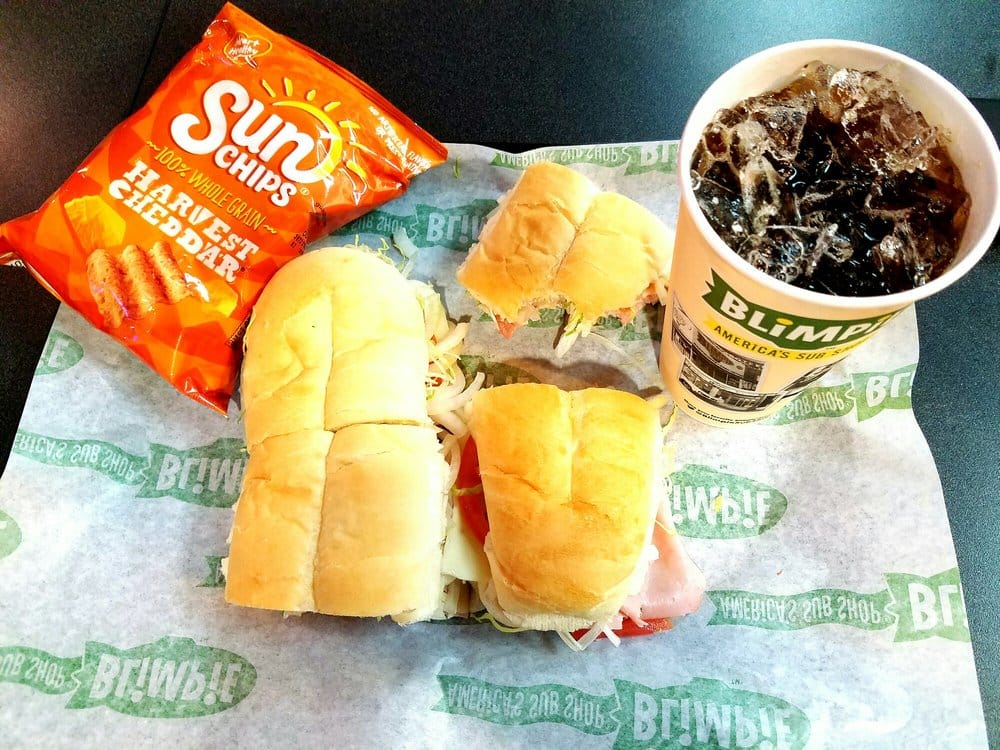
The broader sandwich market didn’t collapse — it evolved. Rivals expanded aggressively, refreshed menus, and adapted to changing consumer preferences for customization, convenience, and healthier options. Blimpie, by contrast, reduced menu variety and scaled back innovation.
Its shift toward smaller-format locations, such as kiosks and truck stops, was intended to lower overhead. Instead, it made the brand less visible and further disconnected it from everyday dining habits. Many customers stopped associating Blimpie with a destination meal altogether.
Meanwhile, competitors embraced social media, app-based ordering, and modern store designs. Blimpie’s limited digital presence and low engagement made it difficult to attract younger customers, accelerating the generational gap that already threatened its relevance.
A Cautionary Tale in Fast-Food Survival

Today, Blimpie operates only a fraction of its former footprint, with estimates suggesting fewer than 100 U.S. locations remain. The brand hasn’t formally announced a nationwide shutdown, but its long decline highlights how quickly a household name can fade without reinvention.
The chain’s story underscores a broader reality in fast food: nostalgia alone is not enough to sustain a business. Consistent visibility, adaptability, and strong franchise support are now essential for survival in a crowded, fast-moving market.
Blimpie’s disappearance wasn’t driven by a single failure, but by years of missed opportunities. Its trajectory serves as a reminder that in modern retail and dining, staying still often means falling behind — sometimes beyond recovery.