Iconic Fast Food Chain Struggles to Stay Open as Sales Slide
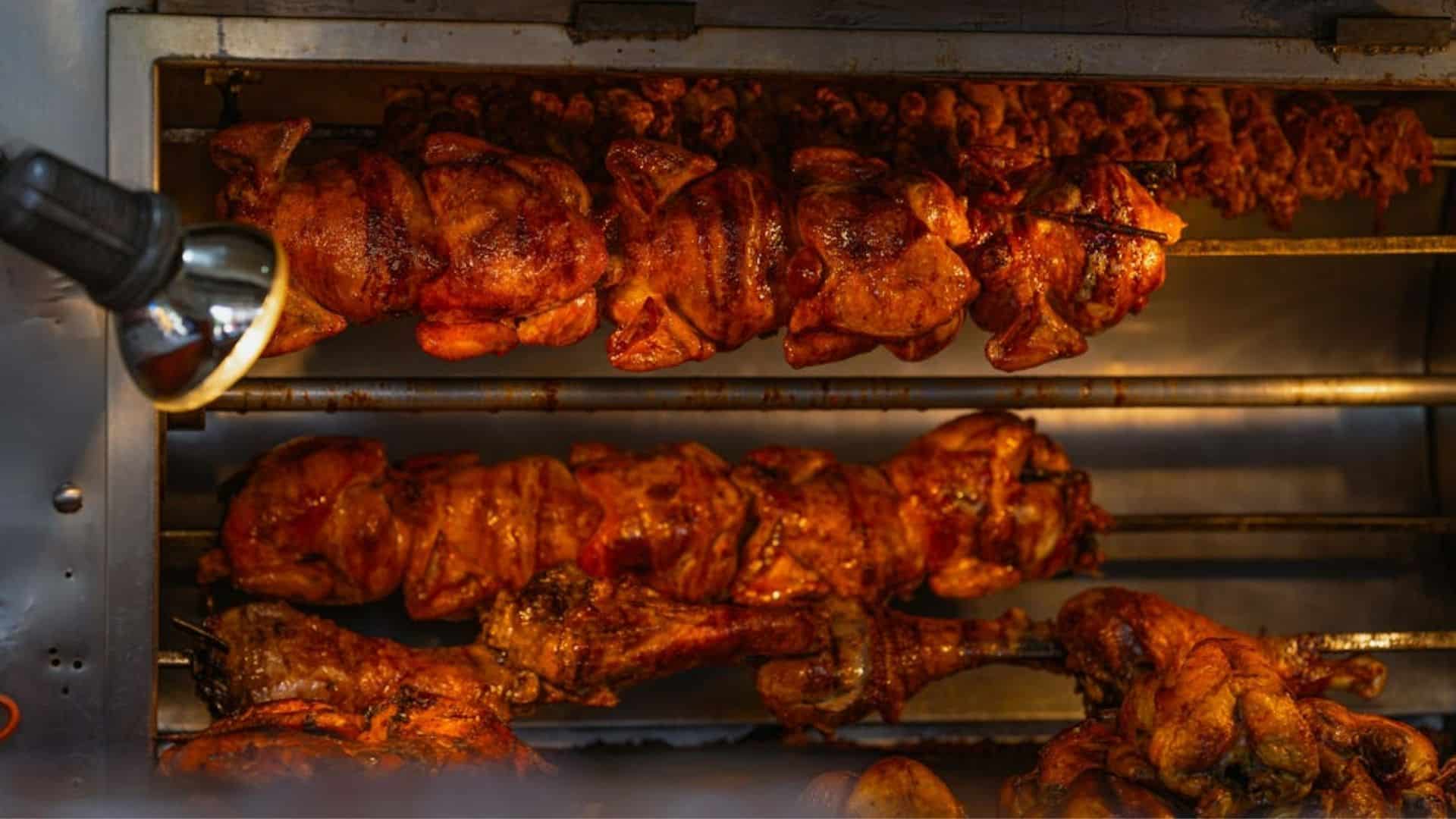

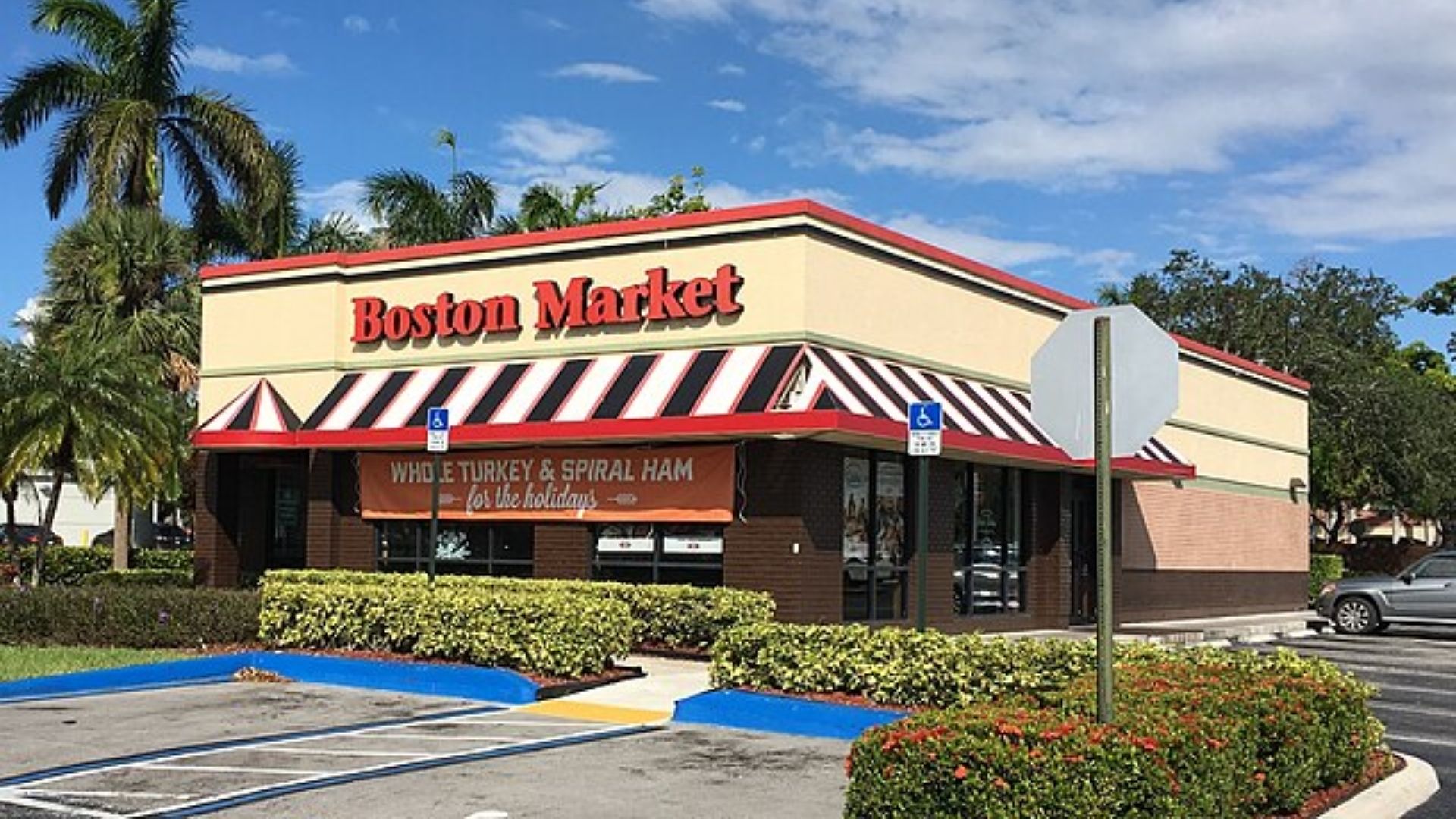
Boston Market, once a dominant force in the rotisserie chicken market with over 1,200 U.S. restaurants at its national height in the 1990s, has collapsed to fewer than 20 locations in early 2025. The chain’s precipitous decline accelerated dramatically from 2023 to 2024, when it shrank from 300 locations to fewer than 30, according to Restaurant Business Online. Official company listings significantly overstate open stores, with many listed units confirmed closed.
Owner Jay Pandya filed for personal Chapter 11 bankruptcy on December 8, 2023, with the Eastern District of Pennsylvania Bankruptcy Court, citing $10 to $50 million in liabilities and the same range for assets, Nation’s Restaurant News reported. Pandya also filed for Chapter 11 bankruptcy protection on behalf of the company twice, but courts rejected both filings due to procedural and documentation issues, according to RetailWire. The company’s Denver headquarters were seized by local authorities in 2023 for $300,000 in unpaid taxes.
The chain faces hundreds of lawsuits from vendors, franchisors, and employees regarding unpaid bills, including a court judgment to pay key supplier U.S. Foods $15 million, according to PacerMonitor. Multiple locations were evicted or shut down by authorities because of unpaid obligations. In some cases, employees stocked their stores with food bought at supermarkets because vendor contracts had run out or been canceled, Nation’s Restaurant News reported. Multiple locations were affected by the U.S. Foods lawsuit, Restaurant Business Online reported.
Costco’s $4.99 Chicken Created Impossible Competition
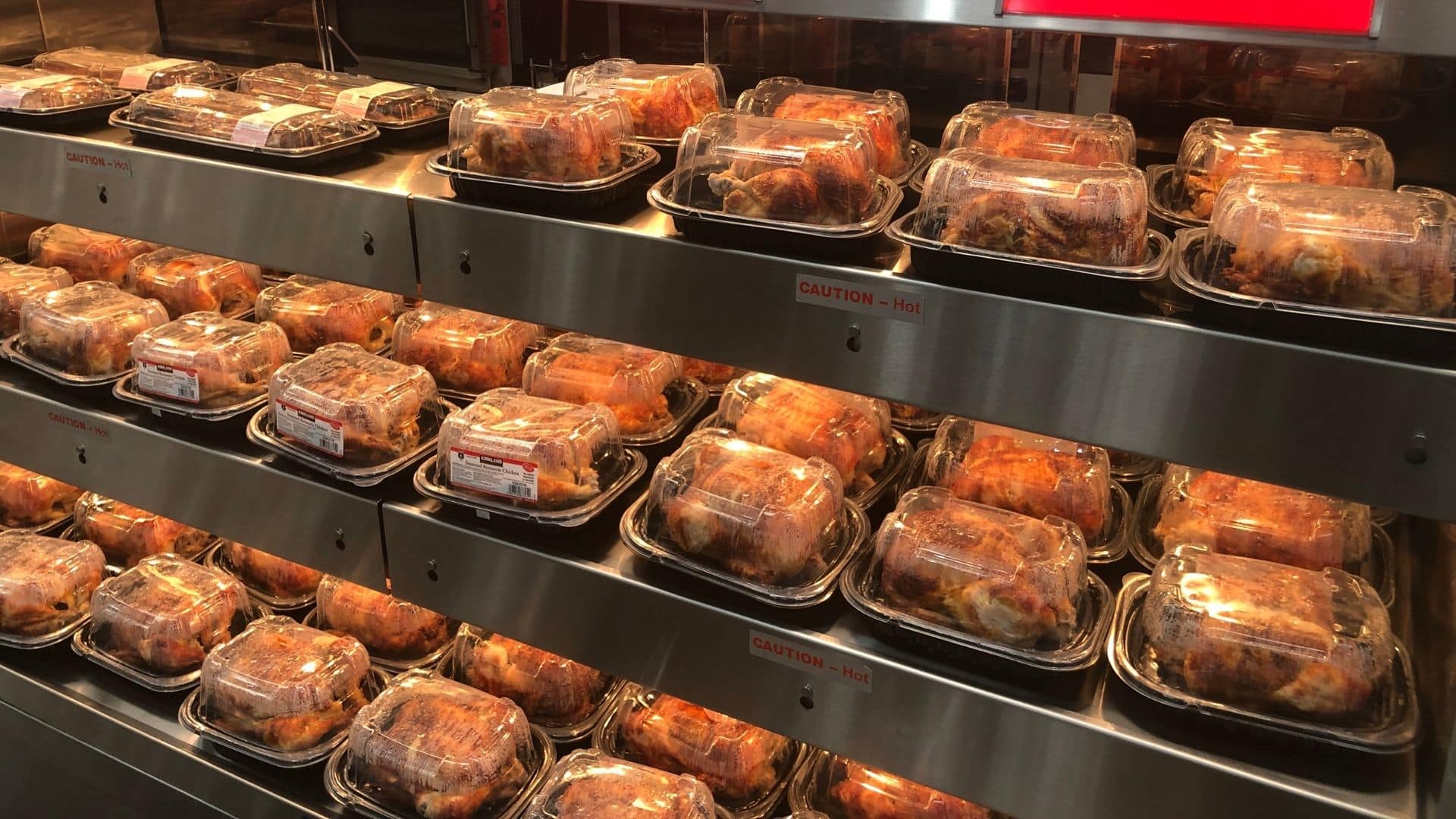
Costco’s $4.99 rotisserie chicken debuted in 1994, with the price remaining steady aside from a brief dollar increase in 2008 during the Great Recession, according to Eat This, Not That. The warehouse club loses money selling the item. Rose Sioson, founder of Deliciously Rushed and an avid Costco shopper, explained the strategy. “That chicken usually ends up in a cart with salad kits, ready-made mashed potatoes, a bottle of wine, maybe a dessert, and some random item I had zero intention of buying,” Sioson said.
When Boston Market was founded as Boston Chicken in a Boston suburb during the 1980s, rotisserie chicken was not yet widely available. The small local chain grew rapidly, with McDonald’s even becoming an investor for a brief period. Retail and restaurant expert Steve Feldman wrote that Boston Market helped popularize roasted whole chickens, in some cases introducing the concept to consumers. Grocery stores eventually began adding rotisserie chickens to their prepared-meal sections.
Restaurant analyst Aaron Allen told FCNews that after Boston Market distinguished itself in the 1990s as a cut above fast food, the chain tried to compete with those brands by holding costs down. Allen said this led to lower quality, which further hurt the business. “If you chase a lower price-point consumer, you can price yourself out of business,” he said. Steve Feldman wrote that Boston Market became a victim of its own success after the likes of Costco began serving the same product for far cheaper.
Menu Expansion Complicated Operations and Confused Customers
Jorge Franchi, president of business research firm Franchi Business Enterprises, explained that the kitchen grew complex, quality dropped, and service slowed as Boston Market expanded its menu. “Customers became confused about what Boston Market really stood for,” he said. A push into sandwiches put the chain in direct competition with McDonald’s and Subway on price. Franchi noted that running two businesses under one roof blurred the brand’s identity and stripped away its competitive advantage.
Former employee Josh Taylor posted about the brand’s decline on LinkedIn, writing that over-saturation, competition, and food expense killed Boston Market. “Perhaps you could argue food expense was due to the expanded menu, but people loved all the items on the menu,” he wrote. The drop from 1,200 restaurants to 300 took place from the late 1990s to 2023. The collapse accelerated dramatically in 2023 and 2024, with stores disappearing without notice, Flavor365 reported.
Multiple locations were affected by the U.S. Foods lawsuit, with unpaid supplier bills contributing to store closures, Restaurant Business Online reported. Pandya’s personal bankruptcy filing was terminated early because of procedural deficiencies. The brand faces legal actions over unpaid rent, supplier debts, and back wages, which forced additional closures, according to Flavor365. Despite the collapse, the company opened at least one new location after the bankruptcy filings, indicating Pandya was attempting a turnaround, RetailWire shared.
Owner Pursues Licensing Strategy Amid Widespread Skepticism

In 2024, Pandya released a new franchise plan to bring Boston Market to non-traditional locations, licensing the brand because it isn’t legally set up to offer traditional franchises. “The Boston Market name stands for itself, and it is well known throughout the country,” Pandya said in a statement to Nation’s Restaurant News. “Now, with everyone’s support we will be able to provide our famous rotisserie chicken and delicious, homemade sides and family meals to everyone.”
Many former employees expressed skepticism about the licensing plan. Gina Busby, former area director of operations for Boston Market, told RetailWire that the plan was just a way for Pandya to scam someone. “He owes millions to employees in unpaid wages, me included,” Busby said. She noted that Pandya didn’t report wages earned, so people couldn’t get unemployment, fraudulently reported supervisors as 1099 employees, and hasn’t paid expenses owed, with more lawsuits and class actions coming.
A handful of Boston Market restaurants remain open, but the chain’s footprint is tiny compared with its former scale, Flavor365 reports. Determining exactly how many locations are operational is difficult because official company listings on websites and apps significantly overstate open stores. The brand still exists but operates on life support, a dramatic collapse from the national chain that once introduced rotisserie chicken to mainstream American consumers in the 1990s.