In-N-Out Asks Every Drive-Thru Customer the Same Awkward Question but There Is Actually a Good Reason for It
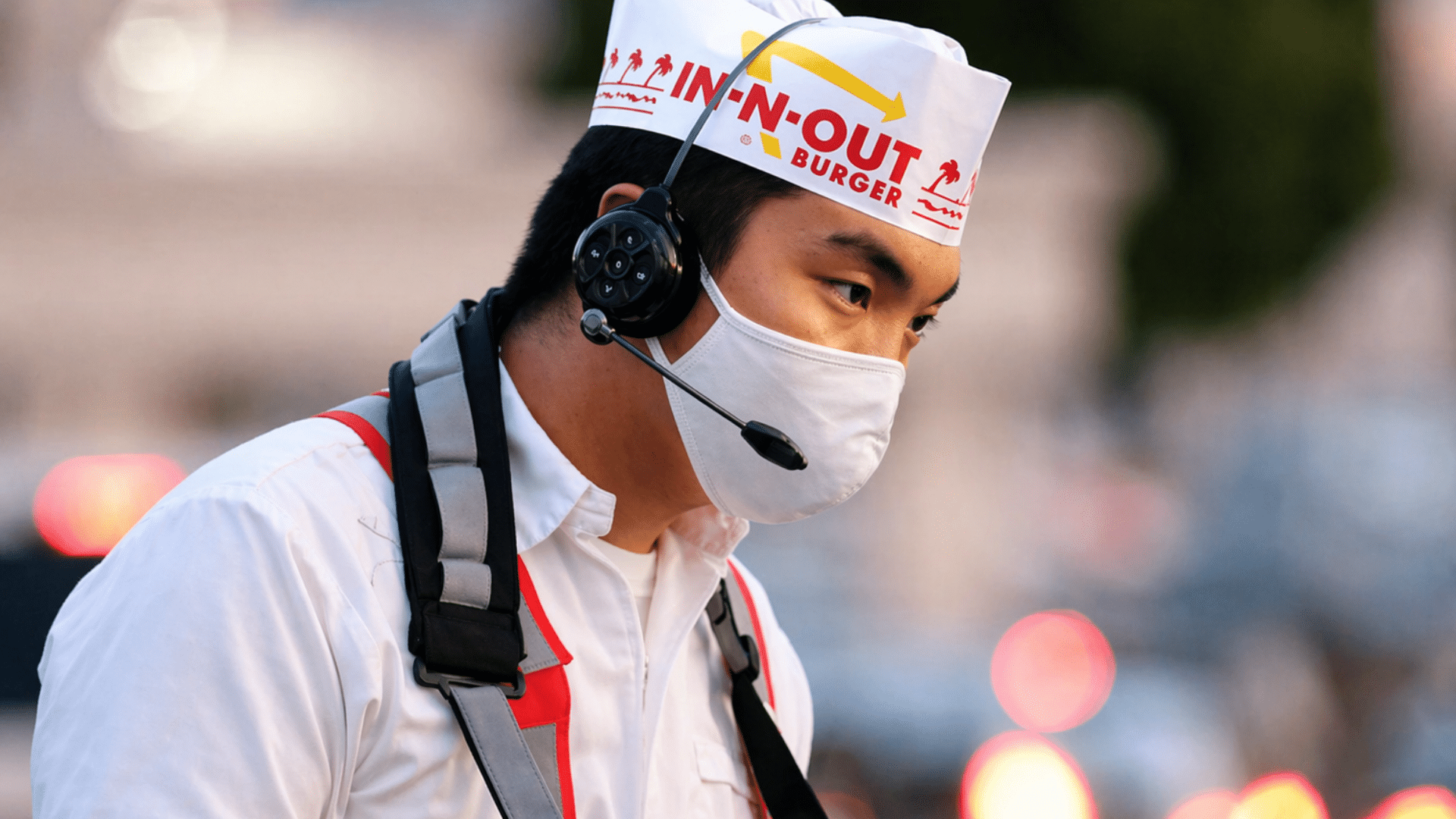

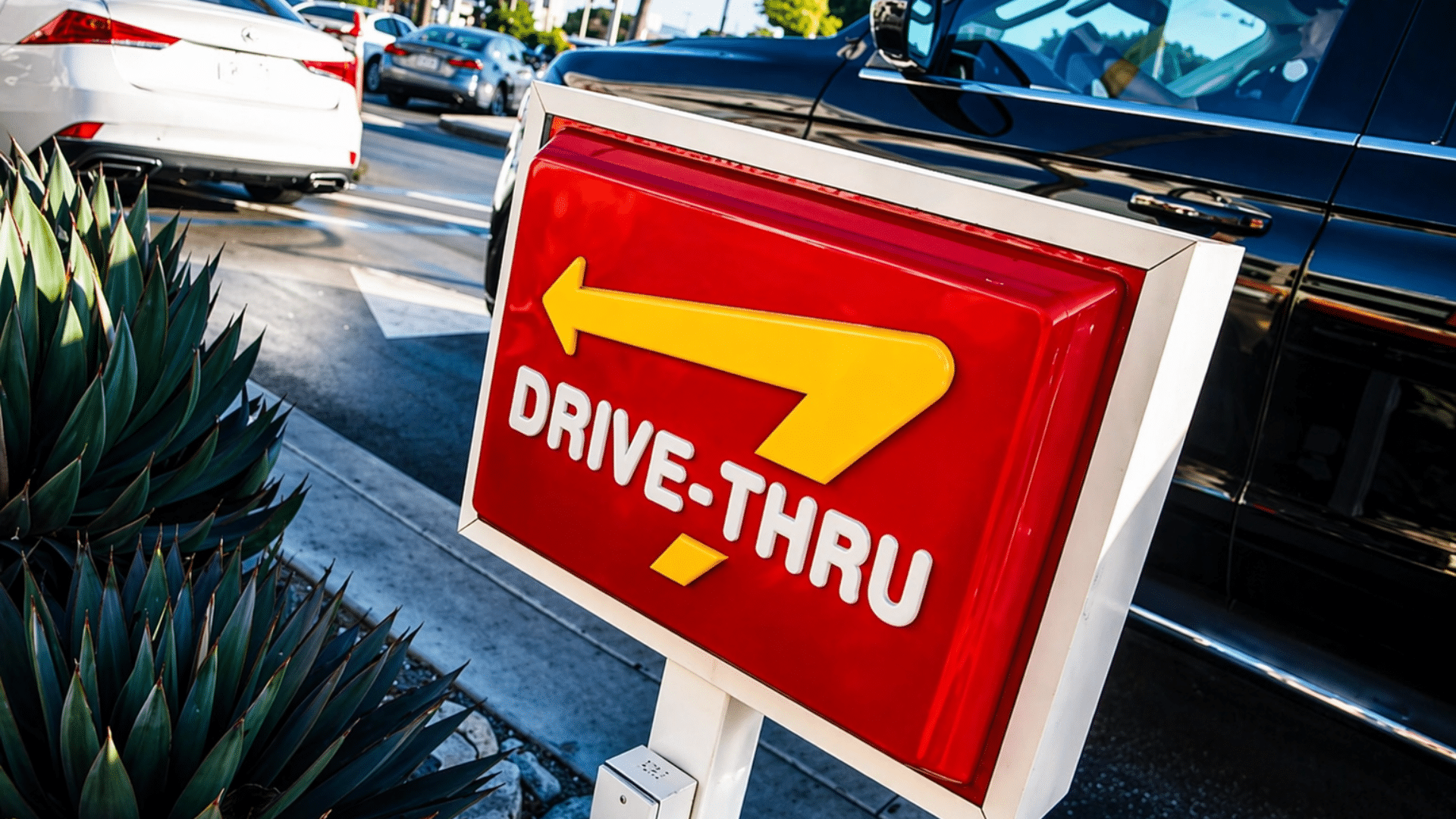
You have been sitting in the In-N-Out drive-thru line for 30 minutes. You finally reach the speaker, place your Double-Double order, and then the employee asks something you were not expecting: “Will you be eating in your car?” People have joked about it on TikTok. Comedians have built entire bits around the guilt it produces. But the question is not small talk, it is not a character assessment, and it is not optional. Every employee asks it for every customer, every single time and your answer changes what arrives at the window.
The question traces directly back to 1948, when Harry Snyder founded In-N-Out in Baldwin Park, California. The original location had no dining room. Customers ordered through a two-way speaker; a novelty at the time, and either took their food home or ate it in the parking lot. In that context, asking whether someone planned to eat in their car was not an awkward social inquiry. It was the only logical question a staff member could ask. The dining rooms came later. The question stayed because the operational need behind it never went away, and because In-N-Out never stopped being, at its core, a car culture brand.
For millions of Americans who have pulled through an In-N-Out line and felt a sudden, inexplicable flash of embarrassment when answering yes, the good news is that the employees asking the question have been uniformly clear on Reddit and in interviews: they have no opinion about how you answer it. The shame response is real, widely shared, and completely unnecessary. What the question is actually doing is determining how your food gets packaged and getting that detail wrong is a mistake worth understanding before you leave the lot.
Yes or No: How One Answer Changes the Entire Packaging of Your Order
The question is not courtesy. It is a logistics decision that determines everything about how your food arrives at the window. Answer no, and your order gets wrapped and placed in a paper bag; contained, insulated, and built for travel. The bag traps heat, keeps items from shifting, and is designed to survive a drive home without incident. Answer yes, and the bag disappears entirely. In its place, your food arrives in an open four-sided cardboard tray, flat and designed to rest on a lap or car seat, accompanied by paper placemats to protect your interior.
The distinction matters more than it sounds. An open tray keeps food accessible and organized for immediate eating but does not travel well. Food in an open tray cools faster than food in a sealed bag. If you brake hard between the drive-thru window and your driveway, the contents move with the car. At least one Reddit user documented learning this the hard way, expecting a bag and receiving a tray, realizing the difference only after pulling out of the parking lot. The tray format is purpose-built for eating parked. It was not designed with a ten-minute commute in mind.
The packaging system also reflects a volume reality. Individual In-N-Out locations reportedly sell between 2,000 and 3,000 burgers per day. At that throughput, a standardized workflow where packaging is determined at the point of ordering rather than guessed at by staff or sorted at the window keeps operations running cleanly under pressure. The question is asked before the order is assembled, which means the right container is ready when the food is ready. It is a small operational decision made at scale, thousands of times a day, across every location the chain operates.
The Script and the Culture
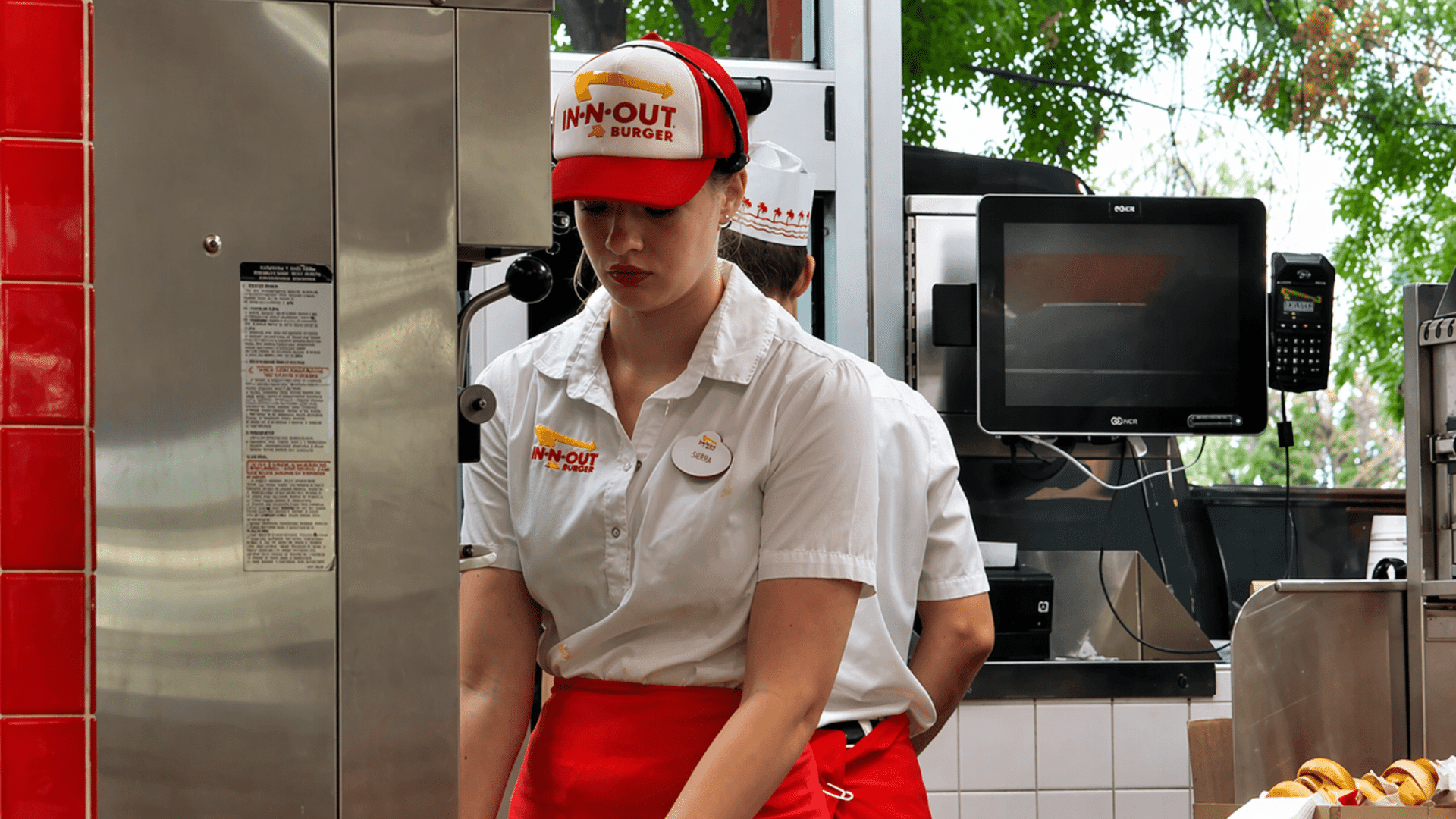
Employees on Reddit who have identified as In-N-Out workers have been consistent: the question is part of a required script, asked for every customer regardless of context, time of day, or order size. One employee stated in the r/InNOut subreddit that they ask it “for every person no matter what.” Another confirmed the same and added directly: “No need to feel bad about getting it for the car.” The consistency is deliberate. At a chain operating high-volume locations with long drive-thru lines, standardizing the packaging decision at the ordering stage is how the system stays efficient under pressure.
The cultural life the question has taken on is disproportionate to its operational simplicity, and comedian Tom Segura is largely responsible for mainstreaming it. His widely shared bit built around the moment of hesitation. The flash of guilt that comes with publicly admitting you are about to eat alone in a parking lot hit because it named something people recognized immediately. Comments on the video filled with people describing the exact scenario: ordering for a whole family, sitting alone in the car, being asked the question, and feeling inexplicably self-conscious about the answer. The specificity of the shared experience is what made it travel.
The shame response, according to every employee who has addressed it publicly, is entirely misplaced. Eating in a parked car at In-N-Out is not unusual behavior. It is common enough that the chain designed a specific, dedicated packaging format to support it. If eating in the car were strange or frowned upon, there would be no cardboard tray engineered specifically to sit flat on a lap. The tray’s existence is the clearest possible evidence that In-N-Out has always expected a significant portion of its customers to say yes and designed its entire service model around that answer being completely normal.
One Small Question That Reveals Everything About What In-N-Out Actually Is
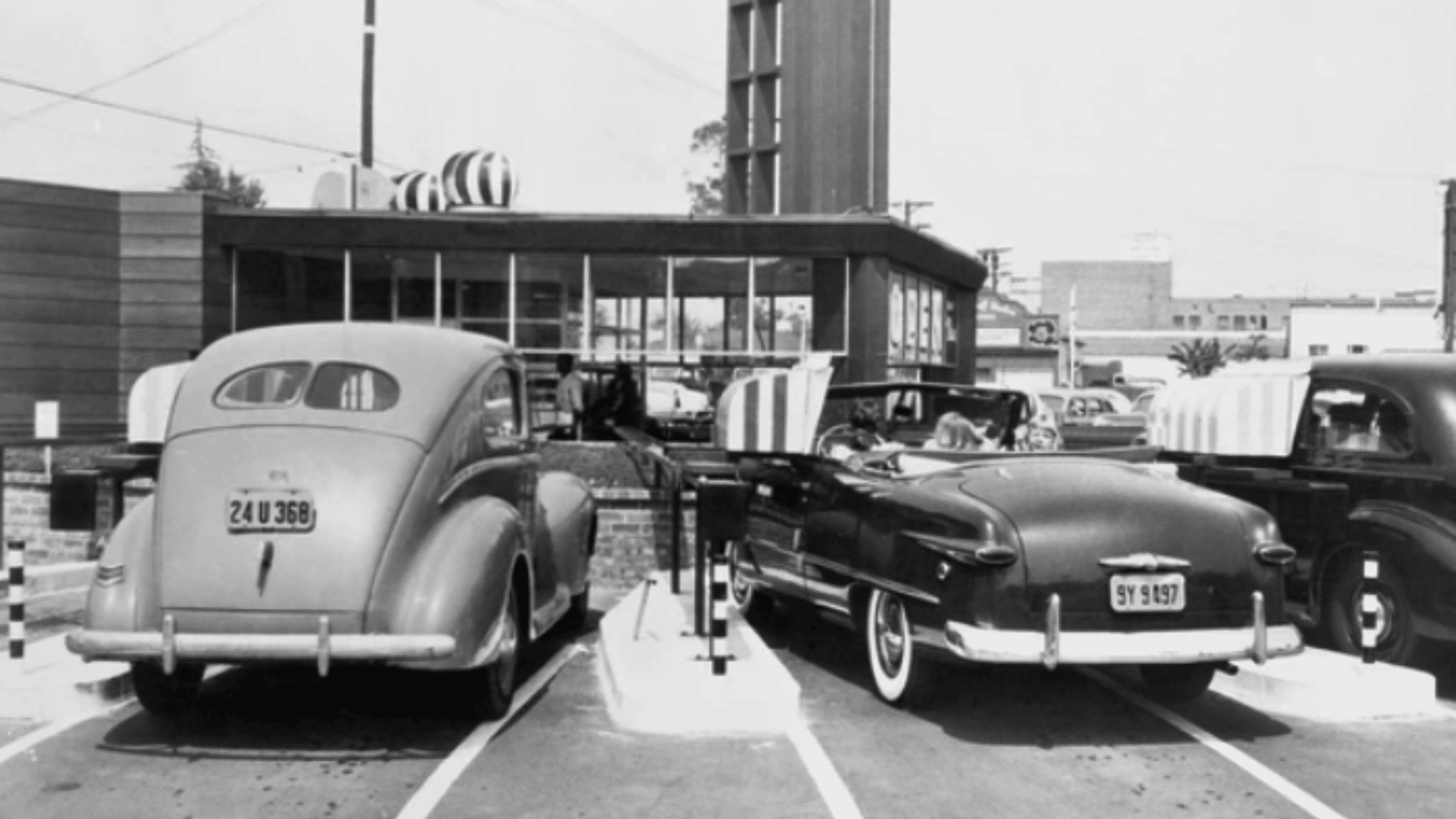
In-N-Out is not simply a burger chain that happens to have a drive-thru. It is a company whose entire identity was built from the ground up around California car culture. The name itself reflects the drive-thru model its founder created in 1948. The original location was designed around the assumption that customers would order from and eat in their vehicles. The crossed palm trees, the famously long drive-thru lines stretching into adjacent streets, the two-way speaker system Harry Snyder installed before anyone called it a drive-thru. All of it points to a brand that has never separated the experience of eating from the experience of being in a car.
The long wait time that precedes the question is also part of why it lands the way it does. In-N-Out drive-thru lines routinely run 30 minutes or more during peak hours, and by the time the speaker question arrives, many customers have been sitting long enough that a sudden personal inquiry about their dining plans genuinely catches them off guard. The wait also means the chain’s drive-thrus naturally produce a large population of in-car diners people who have invested 30 minutes in the line are often in no rush to drive home before eating. The tray format serves that reality directly. The question exists because the behavior it accommodates is built into how In-N-Out operates at its busiest.
The fact that a packaging logistics question has become one of the most talked-about parts of the In-N-Out experience says something worth sitting with. In an era of fast food standardization and frictionless speed, a chain that still pauses to ask each customer a thoughtful question before every order reflects a specific and deliberate philosophy: that the small things matter, that the experience of eating the food is worth considering, and that two customers ordering the same meal may need it delivered in two completely different ways. Whether you answer yes or no, someone at In-N-Out thought carefully enough about both possibilities to build an entirely different packaging system for each one.