Inside Coca-Cola’s New Technological Leap: ‘We’ve Accelerated the Process’

Plastic pollution has become one of the defining environmental challenges of our time, with discarded packaging accumulating in landfills and drifting through oceans at alarming rates. According to estimates from World Wildlife Fund, a single plastic bottle can take around 450 years to break down, a timeline that underscores the urgency of reducing waste at its source. Against this backdrop, any meaningful shift in industrial production carries weight, especially when it comes from one of the world’s most recognizable beverage brands.
Coca-Cola’s Biella Plant Reinvents Bottle Production
At a manufacturing site in Biella, Italy, Coca-Cola has relaunched operations with a renewed environmental focus, producing bottles made entirely from recycled plastic. The move comes as the company prepares to supply beverages for the upcoming Winter Olympics in Milan, positioning the plant as both a national supplier and a symbolic showcase of circular production. By transitioning to 100% recycled material, the facility reflects a strategic attempt to reduce reliance on virgin plastic and modernize packaging practices.
A €30 Million Investment In Circular Innovation
The transformation of the Biella factory followed a €30 million upgrade completed in 2023, aimed at embedding sustainability into the core of its operations. This investment enabled advanced recycling processes that convert large volumes of post-consumer plastic into new containers suitable for food-grade use. Rather than treating recycling as a peripheral initiative, the company has integrated it into the plant’s long-term production model.
Turning 30,000 Tons Of Plastic Into New Bottles
Each year, the facility has the capacity to process up to 30,000 tons of used plastic, giving discarded materials a second life as beverage packaging. This scale is significant, not only for the Italian market but also as a demonstration of how industrial infrastructure can contribute to waste reduction. By closing the loop between consumption and re-manufacturing, the plant represents a tangible step toward a more circular economy.
Greener Distribution Beyond The Factory Gates

Sustainability efforts at the site extend beyond bottle production to the logistics chain that brings products to consumers. The company has outlined plans to incorporate electric and biofuel-powered vehicles into distribution, while also strengthening waste sorting systems. These measures suggest an attempt to address emissions and resource management across multiple stages of the product lifecycle.
Serving The Winter Olympics And The Italian Market

The timing of the relaunch aligns with preparations for the Winter Olympics in Milan, where beverages from the Biella plant will be served to visitors and athletes. Beyond the global spotlight of the Games, the facility will continue supplying the broader Italian market, signaling that recycled packaging is not limited to special events but intended for everyday consumption.
Tethered Caps Aim To Reduce Ocean Waste

In other parts of Europe, Coca-Cola has introduced bottles with attached caps, a design change intended to prevent small plastic pieces from becoming litter. Detached caps frequently end up in waterways, posing risks to marine life, so keeping them connected to the bottle improves the likelihood of proper disposal and recycling. This design adaptation reflects how incremental engineering decisions can influence environmental outcomes.
Supporting Cleanup Efforts In The Great Lakes

Environmental initiatives linked to the company also include involvement in cleanup campaigns around Great Lakes in Canada. These efforts focus on removing plastic debris from one of the world’s largest freshwater systems, highlighting the broader ecological stakes tied to packaging waste. Participation in restoration projects signals an acknowledgment of corporate responsibility beyond manufacturing.
Balancing Progress With A Complicated Track Record

Despite these developments, critics point out that Coca-Cola remains the largest global producer of branded plastic waste. The company has also faced scrutiny for lobbying activities related to packaging legislation in places such as New York, where proposed reforms aimed to reduce environmental harm. This dual reality, advancement on one hand and controversy on the other, complicates the narrative around corporate sustainability.
Recognizing Genuine Change Versus Greenwashing
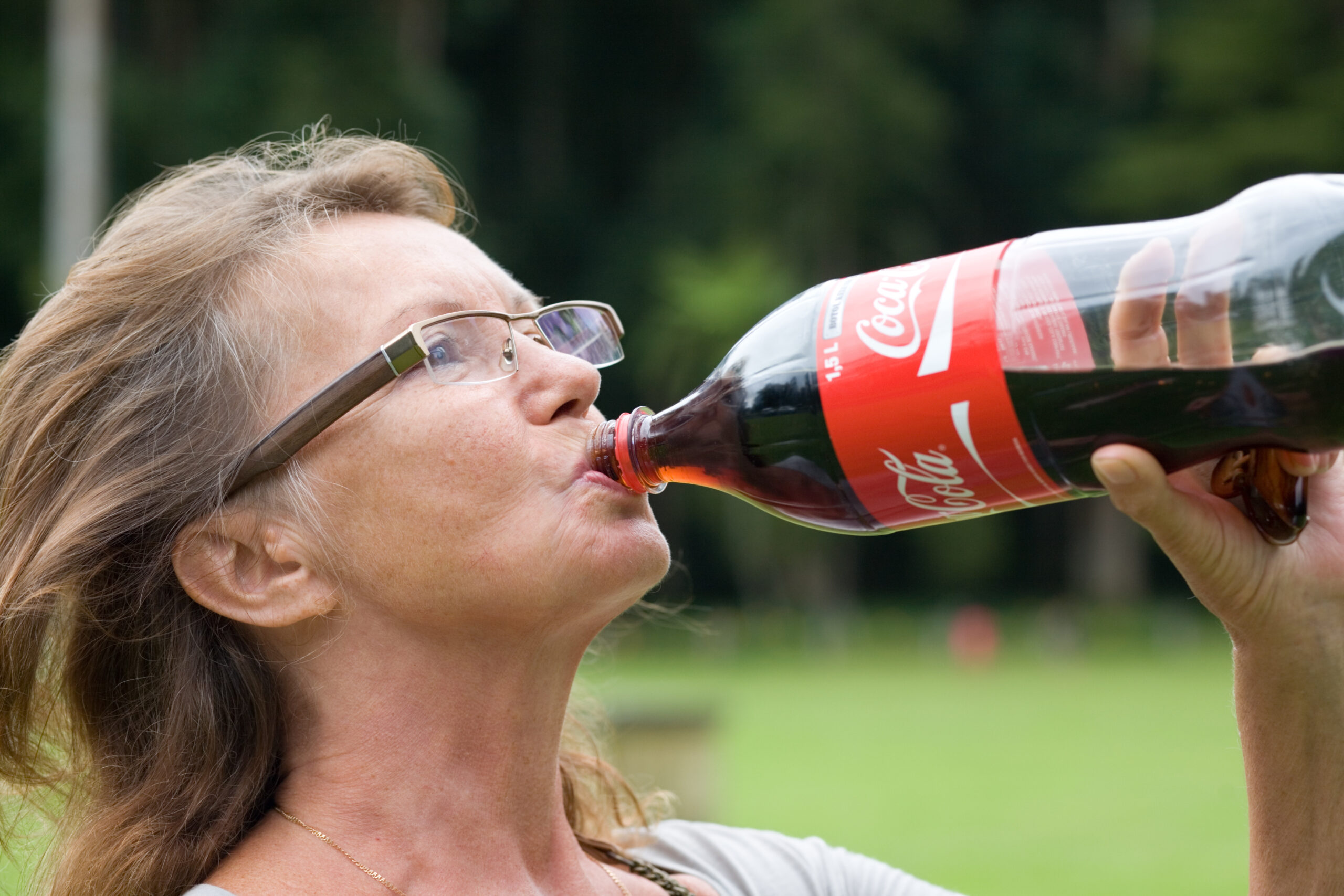
As environmental claims become more common in corporate communications, consumers are increasingly tasked with distinguishing measurable progress from marketing spin. Supporting initiatives that demonstrably reduce material use or emissions can encourage further investment in responsible practices. At the same time, public scrutiny remains essential to ensure that improvements are substantive rather than symbolic.
Leaders Emphasize Accelerated Sustainable Transformation
Executives involved in the Italian project have framed the transition as a decisive shift in packaging strategy. Giangiacomo Pierini, head of institutional relations and sustainability at Coca-Cola HBC Italia, stated that all production for the Italian market is now distributed in containers made from 100% recycled plastic, including the Lurisia water line, adding that the company has accelerated its sustainable packaging transformation. Whether this marks a lasting turning point will depend on how consistently such commitments are implemented across global operations.