Invasive Creatures Are Swarming the U.S., and Experts Say the Fix Is to ‘Eat’ Them
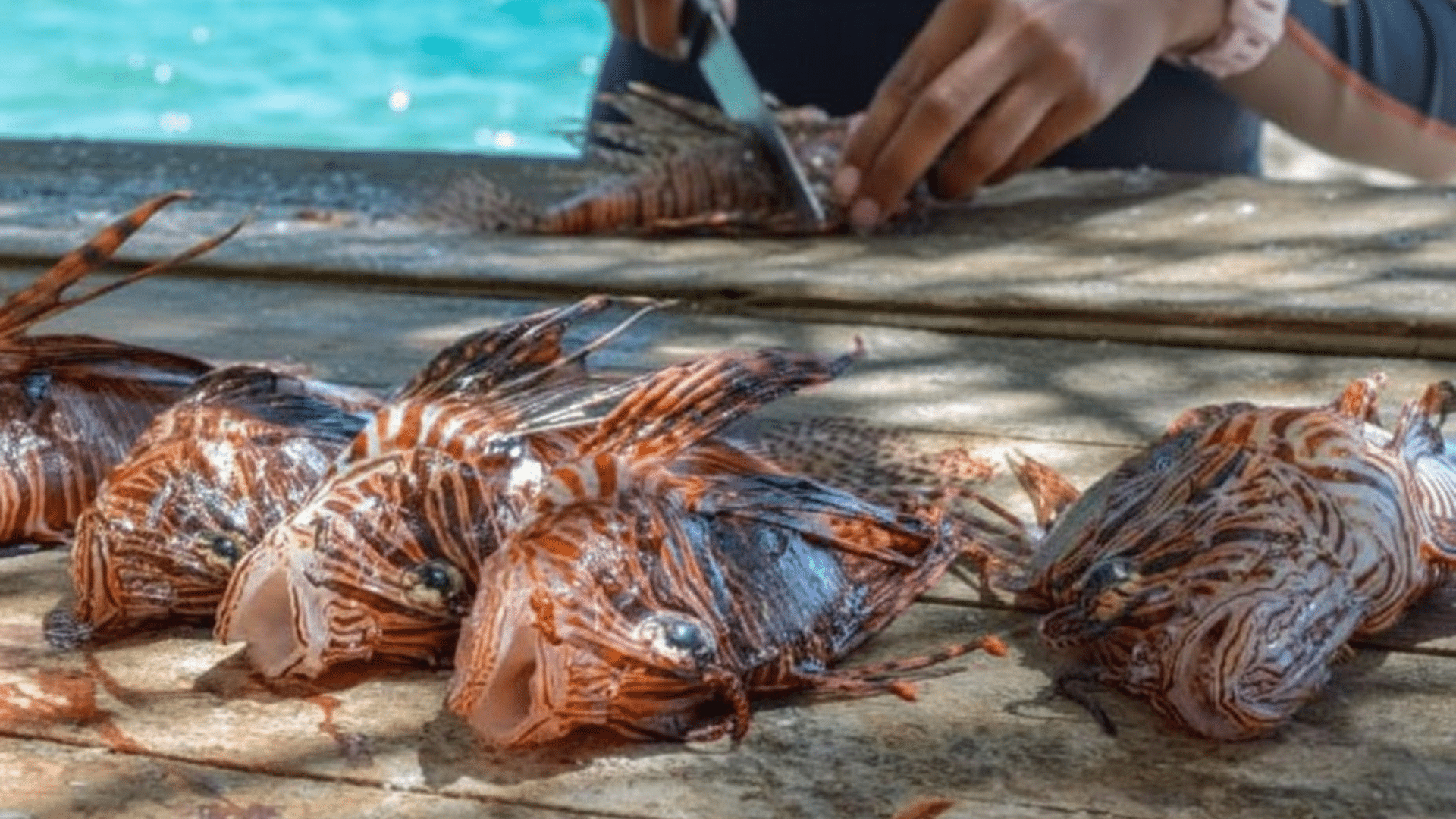

Across wetlands, reefs, and backyards, strange creatures are quietly overwhelming American ecosystems. They don’t belong here, they spread fast, and they leave destruction behind. For years, experts tried chemicals, traps, and costly removal programs with limited success. Now a very different solution is gaining momentum, one that sounds shocking at first bite.
Instead of fighting these invaders with force, scientists and conservationists are urging the public to eat them. The idea feels counterintuitive, even unsettling, yet it is spreading from coastal restaurants to inland communities. Supporters argue it could be one of the most practical ways to restore ecological balance.
This growing movement, known as invasivorism, reframes dinner as an act of conservation. By turning problem species into menu items, experts believe everyday people can help control populations while discovering surprisingly good food along the way.
What Experts Are Actually Suggesting
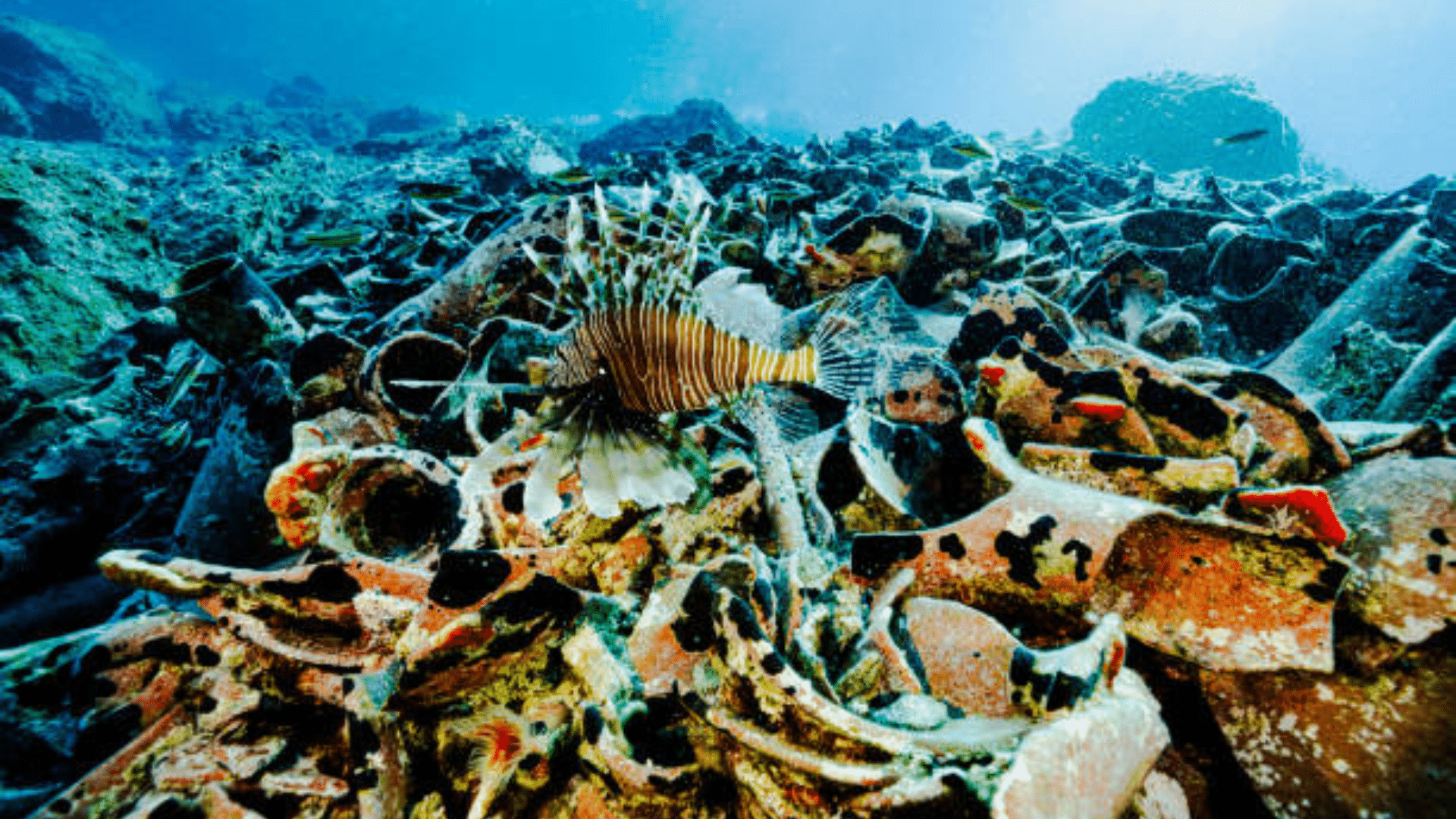
According to the National Wildlife Federation, invasive species crowd out native plants and animals, damage habitats, and disrupt entire food webs. Traditional control methods rely on pesticides or large-scale removals, which are expensive and often temporary. That frustration pushed chefs, biologists, and local groups toward a more sustainable experiment.
One of the most prominent examples is the lionfish, a visually striking predator invading reefs in the Gulf of Mexico and Caribbean. With venomous spines and massive appetites, lionfish consume native fish faster than ecosystems can recover. With few natural predators, their numbers exploded.
In Florida, divers, fisheries experts, and restaurants collaborated to fight back. Lionfish were rebranded from menace to delicacy. Events like Lionfish Restaurant Week encouraged diners to order the fish, transforming reef protection into something people could taste and support directly.
Why This Strategy Might Actually Work
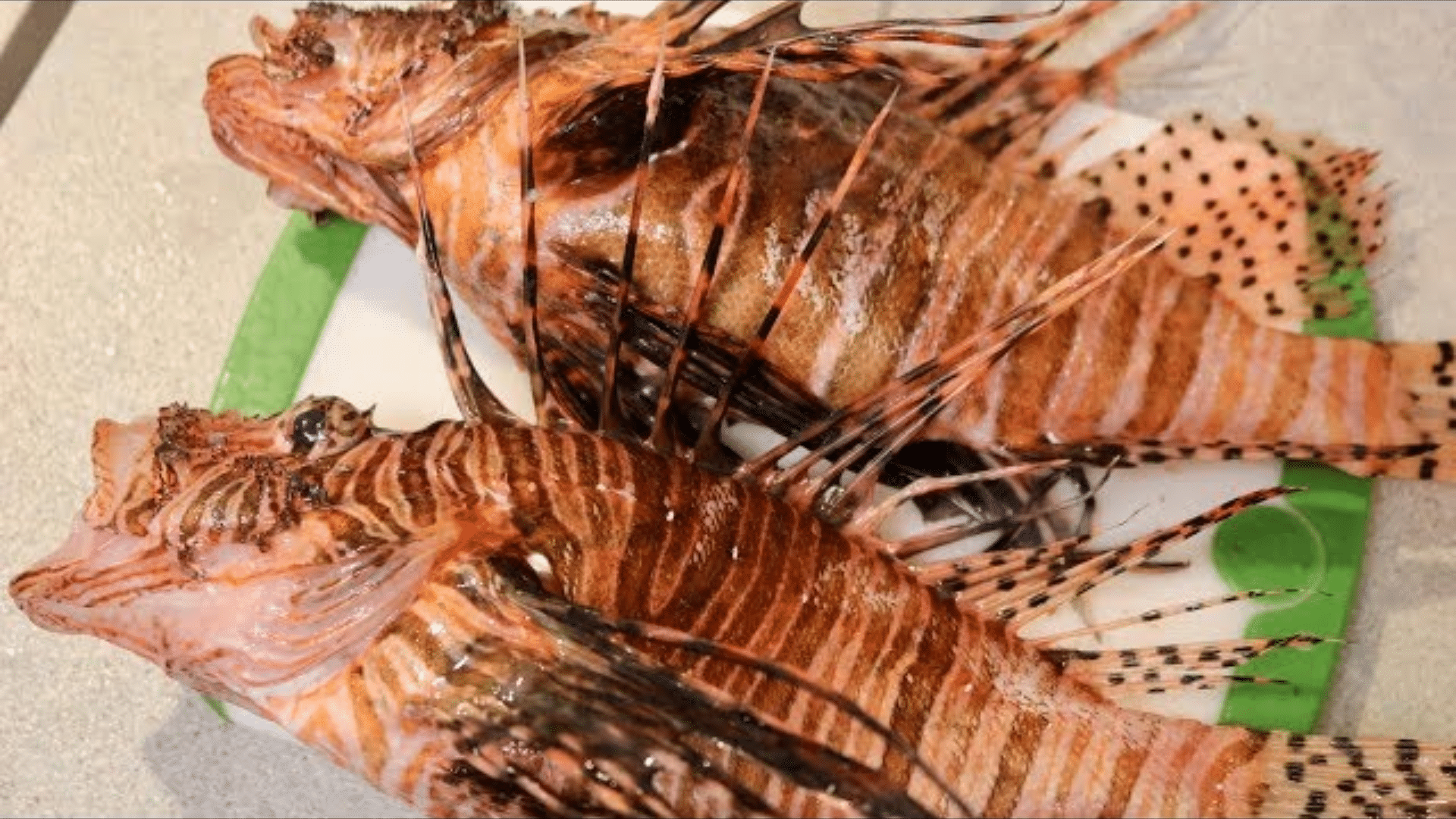
At first, eating invasive species sounds like a novelty. But conservation biologist Joe Roman argues food is one of the fastest ways to motivate public action. Through his Eat the Invaders project, Roman promotes turning destructive species into desirable dishes that people actively seek out.
The goal is not total eradication, which scientists admit is unrealistic. Instead, they aim for what’s called functional extinction, reducing populations enough that native species can recover. In Mississippi, communities are experimenting with nutria, a destructive South American rodent. In Hawaii, invasive Ta’ape fish are appearing on seafood menus.
This approach flips the script. Demand creates removal. Removal supports ecosystems. And unlike many environmental solutions, this one offers an immediate reward: new flavors, cultural curiosity, and the satisfaction of helping nature while eating dinner.
What This Means for the Future
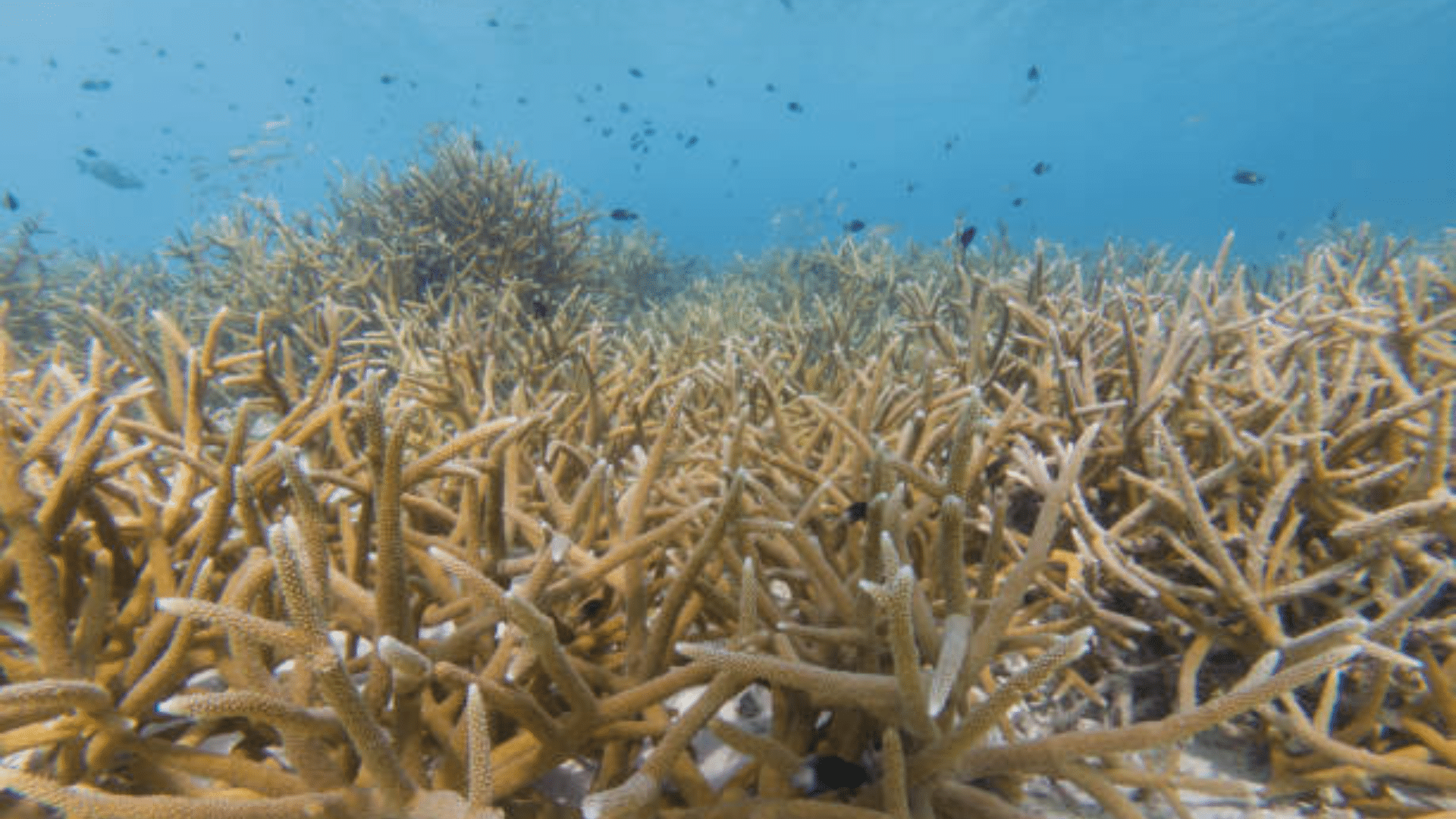
Experts are careful to stress that invasivorism is not a silver bullet. Regulation, monitoring, and habitat restoration still matter. But as a supplemental tool, it empowers individuals rather than relying solely on government intervention or expensive programs.
The appeal lies in its simplicity. People don’t need advanced training or lifestyle overhauls. They just need willingness to try something new. As Roman puts it, this isn’t about shock value or daredevil eating. It’s about good food with purpose.
In a time when environmental problems often feel distant and overwhelming, this solution brings action to the dinner table. Sometimes the most effective way to protect what belongs is to consume what does not.