Is Convenience Costing Too Much? Experts Examines America’s Food Delivery Habit

With a smartphone and a few taps, dinner can appear at the front door in under an hour. What once felt like an occasional luxury has become routine for millions of Americans. As food delivery platforms expand their reach, economists, journalists, and consumers are asking a sharper question, is the ease of ordering reshaping household finances in ways people do not fully notice?
The Stories That Sparked A National Conversation

A feature published by The New York Times profiled several Americans whose delivery habits drew attention. One 34-year-old professional in San Diego earning $50,000 annually reported spending between $200 and $300 each week on app-based meals, acknowledging that her savings have suffered. Another household described allocating roughly $700 weekly to restaurant orders for the sake of convenience. In a revealing detail, one driver for Uber Eats said he began working deliveries partly to manage debt linked to frequent ordering.
How Delivery Apps Became A Daily Habit
Platforms such as DoorDash, Uber Eats, and Grubhub have streamlined the path from craving to checkout. Integrated payment systems, promotional credits, and subscription discounts reduce the friction once associated with takeout. Financial analysts note that when transactions are simplified, consumers may pay less attention to cumulative costs, especially when service fees and tips are folded into a single digital payment.
What Platform Data Reveals About Spending
According to 2024 survey data released by DoorDash, the average order sits near $30, and 75% of purchases fall below $43. Most respondents reported placing one to three orders during the previous month, yet roughly one-third exceeded four monthly transactions. That higher-frequency segment included households earning both under and above $75,000 per year, indicating that food delivery usage crosses income lines.
Public Reaction And The Frugality Debate

Once the spending figures circulated online, social media responses ranged from skepticism to frustration. Some commentators argued that recurring delivery charges represent avoidable expenses in an era marked by inflation concerns. Journalist Matthew Yglesias publicly suggested that part of the affordability discussion reflects consumer reluctance to reduce discretionary spending, pointing to delivery services as one visible example.
Generational Patterns In Weekly Use

Research from YouGov in December 2024 found that 28% of Americans used food delivery apps at least once per week. Among Gen Z and Millennials, that proportion rose to nearly 40%. For younger adults, delivery is less an occasional indulgence and more a normalized solution for busy routines and flexible work schedules.
A Structural Shift In Restaurant Consumption
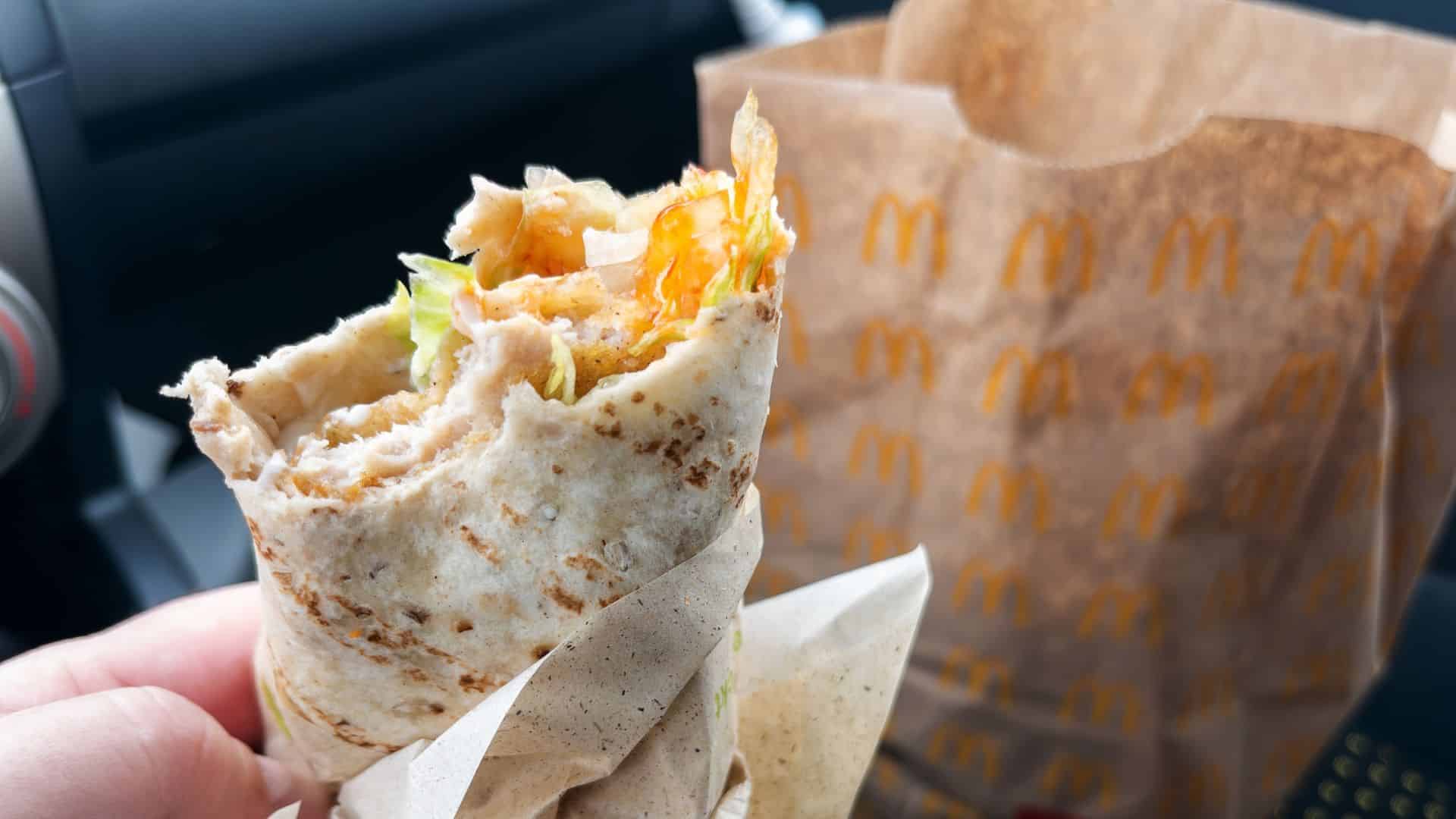
Data from the National Restaurant Association highlights how dramatically dining patterns have evolved. Nearly 75% of restaurant orders are now consumed off-premises. At full-service establishments, off-site traffic climbed from 19% in 2019 to 30% in 2024, while limited-service venues saw an increase from 76% to 83%. These figures suggest a lasting transformation rather than a temporary trend.
Is Delivery Truly Fueling The Affordability Crisis

Not all experts agree that delivery platforms are central to rising financial stress. In an essay challenging the dominant narrative, economic writer Mike Konczal argued that overall spending on food away from home, including takeout and delivery, has not expanded as a share of total expenditures compared with pre-pandemic levels. His analysis invites a more nuanced interpretation of household budgeting data.
Reexamining Food Spending Allocation

Konczal’s research suggests that, collectively, Americans are directing a larger portion of their food budgets toward groceries and meals prepared at home. Lower-income households appear to be shifting more decisively in this direction, indicating that affordability pressures are real but may not stem primarily from delivery usage.
Younger Consumers And Budget Realities

Consumers under 25 have shown one of the most pronounced moves toward at-home dining. This trend complicates assumptions that younger generations are consistently overspending on convenience. Instead, selective use of delivery services may coexist with broader cost-conscious habits shaped by economic uncertainty.
Balancing Efficiency With Financial Awareness

Food delivery offers undeniable advantages, particularly for households managing demanding schedules. However, recurring convenience purchases can accumulate over time, influencing long-term savings goals. The broader debate is less about condemning technology and more about understanding how small, habitual expenses interact with evolving economic conditions and personal financial priorities.

