Is Raw Milk Safe? Nearly 60 Idahoans Fell Ill in a Recent Outbreak


Within two weeks, nearly 60 people across Idaho got sick after drinking something many consider natural and wholesome: raw milk. Since May 19, 2026, nearly 60 people have been identified who became ill after consuming raw milk, with at least 45 testing positive for campylobacteriosis, a bacterial infection. The outbreak spans two separate dairy operations in opposite ends of the state, and investigators are still counting cases. The numbers alone raise an urgent question: how dangerous is unpasteurized milk?
Most people who reported getting sick consumed raw milk from two different milking operations, one in northern Idaho and one in southern Idaho. The Idaho Department of Health and Welfare declined to name either dairy, with spokesperson AJ McWhorter explaining that the risk applies broadly to any raw milk producer. Both operations are currently cooperating with public health officials to identify contaminated batches and prevent further illnesses. The scale of coordination required points to something bigger than two unlucky farms.
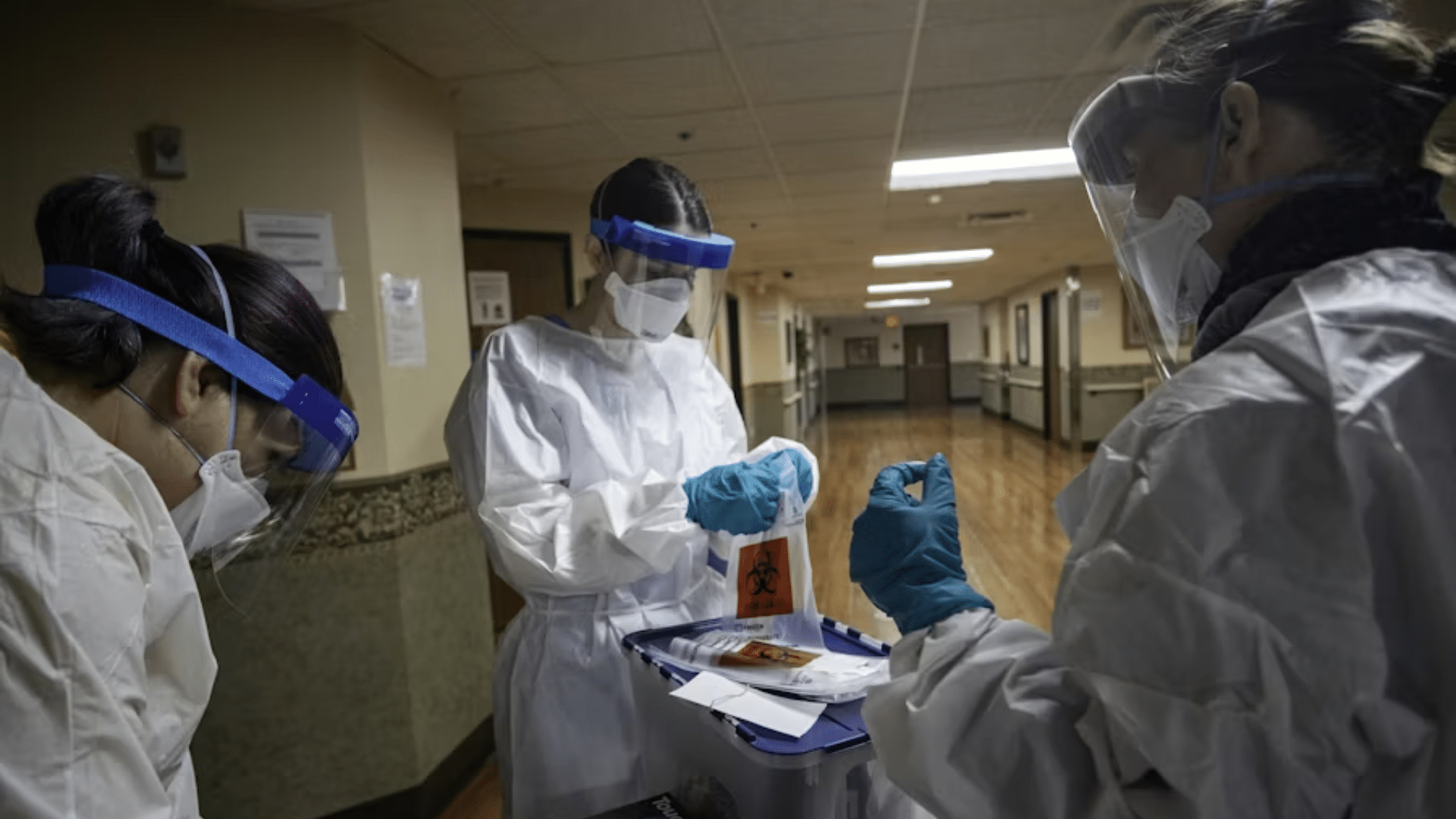
Six of Idaho’s seven regional public health districts are now involved in tracking these outbreaks, including Panhandle District Health, Southwest District Health, and Eastern Idaho Public Health, among others. Officials are testing milk samples and hunting for the specific batches responsible. Investigators and interviews with those who fell ill are ongoing, and additional cases may still be identified. That last detail is significant: the final toll may be higher than what the numbers currently show.
What Campylobacter Does to the Body
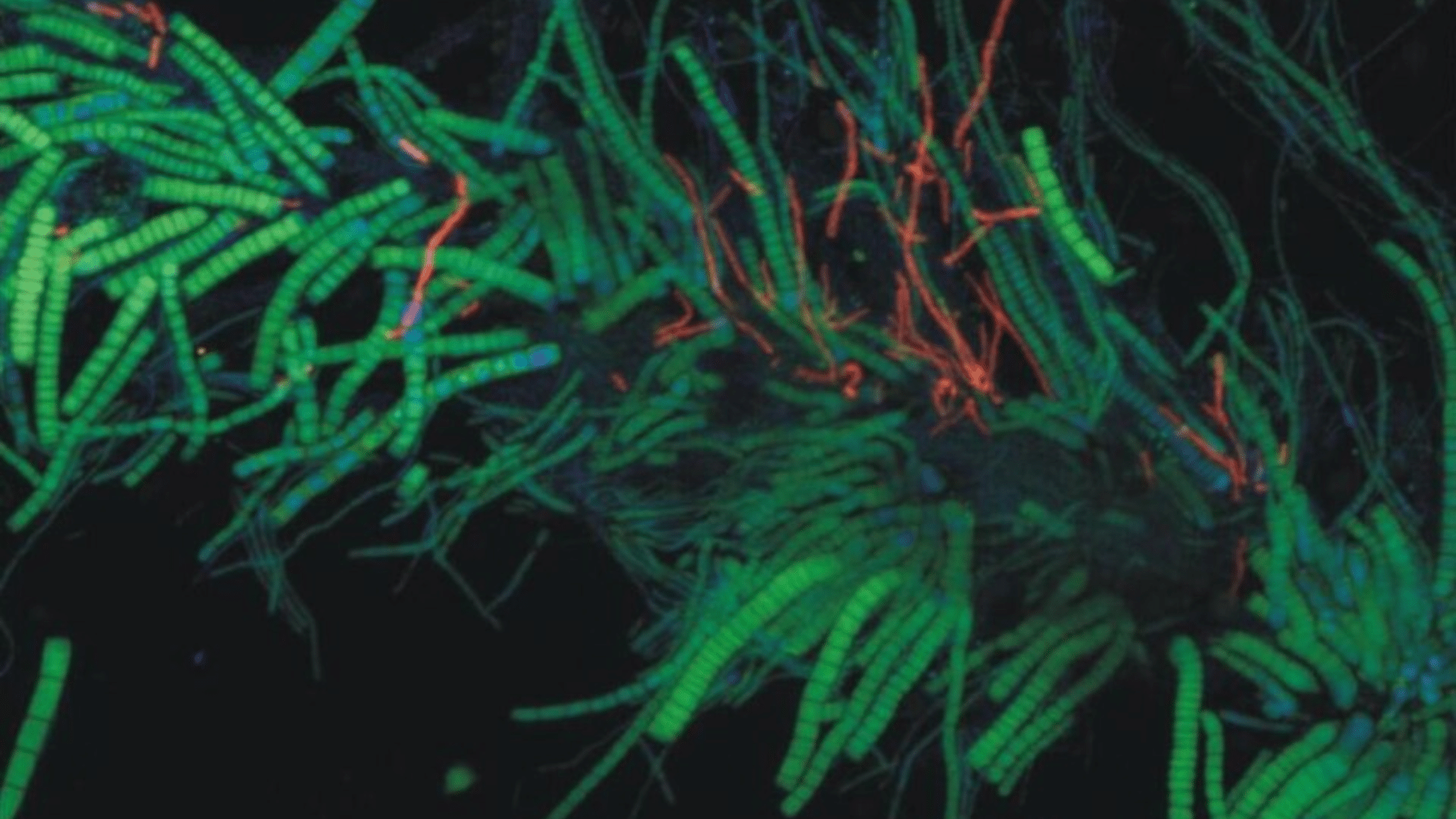
The bacteria behind this outbreak, Campylobacter, is less famous than E. coli or Salmonella but causes enormous harm. A campylobacteriosis infection can trigger diarrhea that is sometimes bloody, along with fever, stomach cramps, nausea, and vomiting. For most healthy adults, recovery takes about a week. But the experience can be deeply disruptive, and for certain groups, it carries risks that go well beyond temporary discomfort. Understanding the bacteria helps explain why officials moved so quickly.
Symptoms typically begin two to five days after exposure and last about one week, though some people may develop complications that last considerably longer. The delayed onset is part of what makes tracing outbreaks difficult. A person who drank contaminated milk on a Monday may not feel sick until the following Thursday, making it harder to connect illness to a specific product or purchase. By then, they may have finished the bottle entirely and discarded any evidence.
Complications can be severe, especially in people at higher risk, including young children, pregnant women, the elderly, and people with compromised immune systems. These are the groups that health officials worry about most when raw milk outbreaks emerge. And Idaho is not an isolated case: between 1998 and 2018, the CDC documented 202 outbreaks linked to raw milk, resulting in 2,645 illnesses and 228 hospitalizations. Each of those numbers represents a real person who got sick.
Why Pasteurization Exists, and Why Some People Reject It
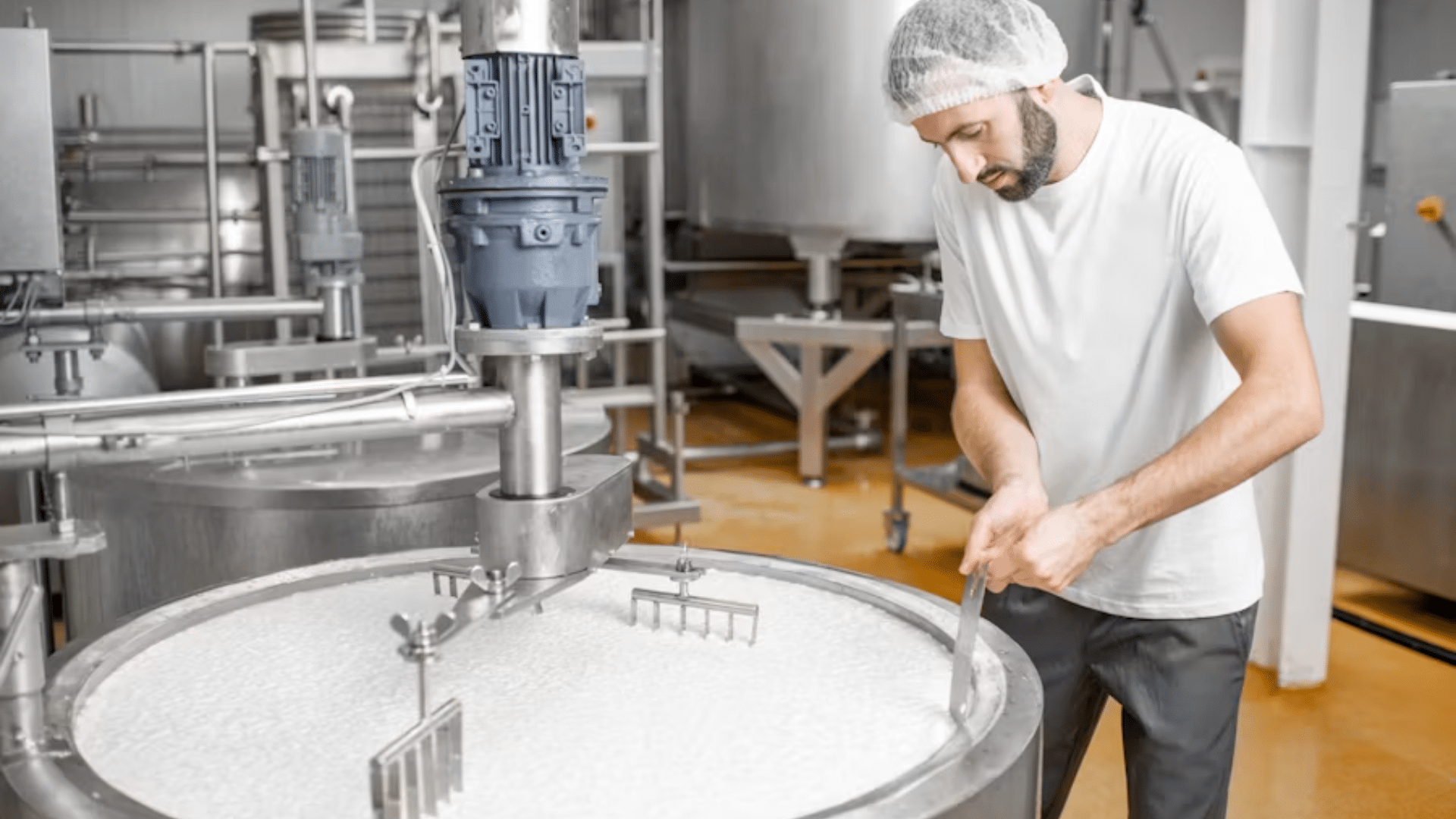
Pasteurization was not invented to strip milk of its character. It was invented to stop people from dying. First developed by Louis Pasteur in 1864, the process kills harmful organisms responsible for diseases including listeriosis, typhoid fever, tuberculosis, diphtheria, Q fever, and brucellosis. The science behind it is straightforward: milk is briefly heated to a specific temperature, harmful bacteria are destroyed, and the milk’s nutritional profile remains largely intact. It is one of the most effective food safety interventions ever developed.
Despite that track record, raw milk has gained a following, largely driven by claims circulating on social media. Advocates argue that unpasteurized milk contains beneficial bacteria and enzymes that the heating process destroys. However, a 2017 study found that unpasteurized dairy products cause 840 times more illnesses and 45 times more hospitalizations than pasteurized products. The CDC and FDA have both stated clearly that the scientific evidence does not support claims of unique nutritional advantages from drinking raw milk.
One expert quoted by Today.com offered a blunt assessment of why contamination is so likely: “It’s a raw agricultural product coming out of the udder of a cow right next to its fecal disposal unit. There’s a high probability the udder can become contaminated, and the bacteria makes it into the milk.” That physical reality does not change regardless of how carefully a farm operates. Idaho is one of 11 states that allows stores to sell raw milk, and under current state law, raw milk sold there is not required to be tested for Campylobacter, E. coli, or other disease-causing agents.
What This Outbreak Reveals About a Growing Risk
The Idaho outbreak is not the first, and it will almost certainly not be the last. In April 2026, a California dairy recalled raw cheese products that the FDA linked to a multistate E. coli outbreak. Earlier in 2026, an infant in New Mexico died from a Listeria infection that officials believe was contracted through unpasteurized milk consumed by the infant’s mother during pregnancy. These cases together paint a picture of a recurring and preventable public health problem playing out across multiple states simultaneously.
Raw milk can expose people to Campylobacter, Cryptosporidium, E. coli, Listeria, Brucella, and Salmonella, and while good farming practices can help reduce contamination, they cannot guarantee the milk is free of harmful germs. That gap between reduced risk and zero risk is where outbreaks live. Idaho health officials are urging anyone who has recently drunk raw milk and is experiencing symptoms to seek medical care promptly and report their illness to their local public health district.
Nearly 60 people got sick in Idaho in two weeks. 45 tested positive. Cases are still being counted. And the dairies responsible are unnamed because, as state officials put it, the risk belongs to any raw milk producer. That framing is telling. The problem in Idaho is not a single bad farm or a one-time lapse in hygiene. It is the fundamental nature of a product sold to consumers who, in many cases, have no way of knowing whether the bottle in their hands is safe until after they have already drunk it.

