Japan Pays 49% of Older Workers to Do Nothing While West Faces AI Pressure
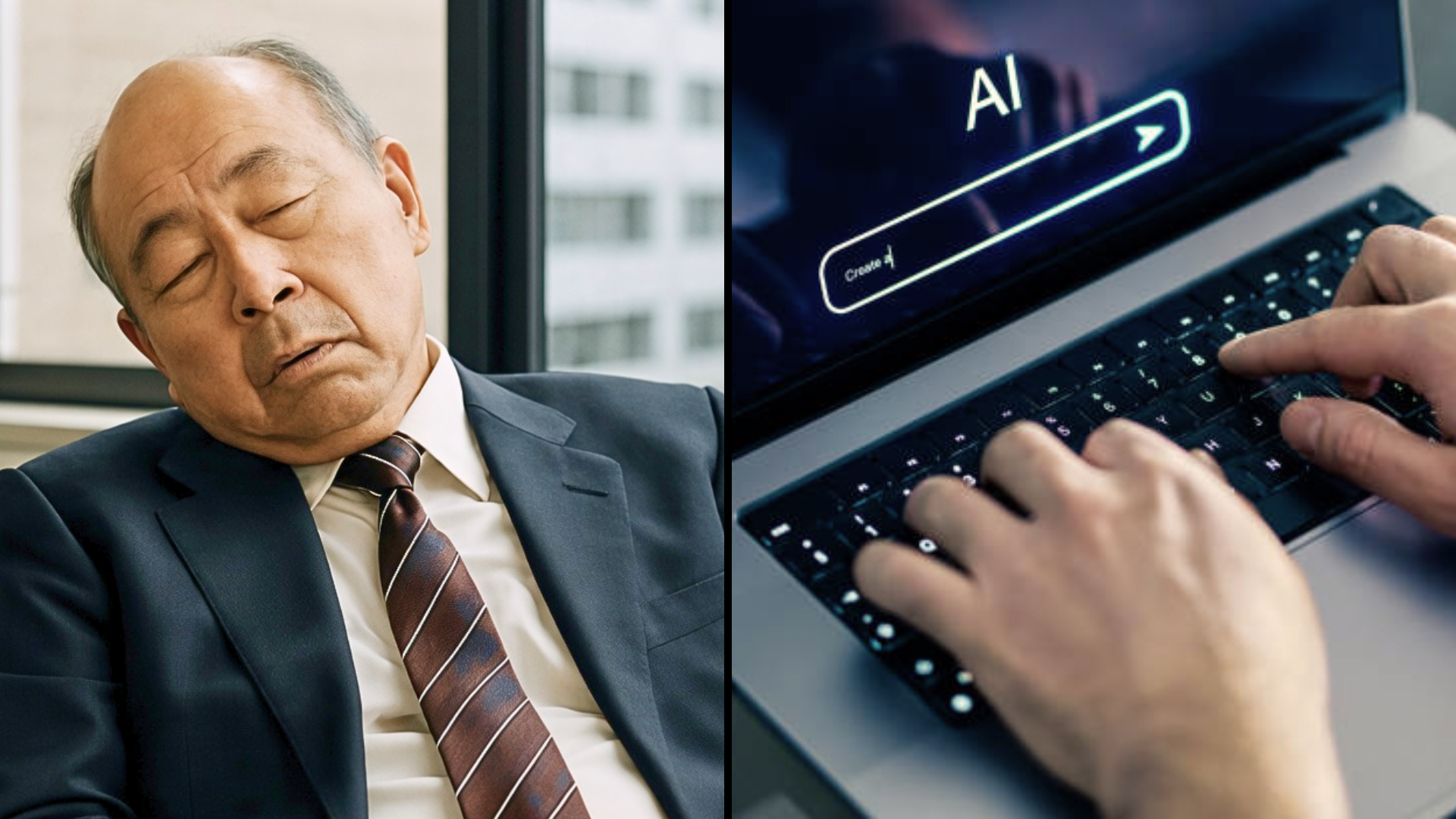

While corporate leaders in America and Europe are dragging employees back to five-day office mandates and demanding hyper-efficiency through AI, Japan is following a different script. Thousands of older employees are being paid to simply show up, sit down, and perform almost no work at all. Known as the ‘madogiwazoku’ or window workers, these employees are assigned desks near windows with little to no responsibility, kept on comfortable salaries despite being redundant to core operations.
This phenomenon is rooted in the traditional Japanese promise of lifetime employment, or shushin koyo, and a seniority-based pay system. These workers are primarily Gen X and Boomer men in their late fifties and sixties who have been overtaken by changing technology or shifting corporate strategies. Rather than being fired, they spend their days sorting paperwork or answering occasional emails, carefully steered away from the high-pressure grind that defines the modern Western workplace.
As Western CEOs use AI to justify massive headcount cuts, younger generations are looking to this calm alternative with growing interest. The contrast is stark: in the U.S., less than one in five people aged 65 and over are still working, whereas in Japan, more than a quarter of that demographic remains on the payroll. For many, the window tribe represents a slower, more intentional way of life that values loyalty over raw productivity.
The Window Tribe and the Culture of Psychological Safety

The madogiwazoku are not seen as office troublemakers, but rather as loyal, non-confrontational workers who have served their companies for decades. A popular 74-year-old Japanese influencer explained that while the Western mantra is often “You’re fired,” Japanese firms prefer to move underperforming seniors aside rather than push them out. This practice creates a unique form of psychological safety, reducing the fear among younger staff that a single bad quarter or a skills gap will cost them their livelihood.
The Japanese government has even institutionalized this support through the Law Concerning Stabilization of Employment of Older Persons, which encourages companies to secure opportunities for workers until age 70. Subsidies are offered to employers who allow staff to extend their retirement age without sacrificing their benefits. This has led to a workforce where roughly 80% of employees express a desire to continue working past traditional retirement age, preferably with their current employer.
However, this protection comes at a cost to workplace dynamics. A survey of 300 younger workers found that 49.2% reported having an old guy who doesn’t work at their company. When asked what these coworkers do all day, younger staff noted behaviors like browsing the internet, idle chatting, and taking frequent smoking or snack breaks. While the seniors are happy to remain employed, the lack of active contribution is beginning to strain the patience of the Gen Z and Millennial workforce.
The Generational Friction of Invisible Labor

The patience of Japan’s younger employees is wearing thin as they bear the weight of their invisible coworkers. In recent surveys, nine out of ten younger respondents claimed that the old guy who doesn’t work has a negative impact on the office environment. They specifically blamed these window workers for dragging down general morale, increasing the workload for everyone else, and significantly weighing on the company’s labor costs.
Despite these frustrations, the corporate logic behind the window tribe remains focused on long-term stability. By absorbing less adaptable employees instead of sacking them, companies preserve decades of institutional experience that can still be tapped for mentoring and training. It acts as a quiet reassurance to the entire building that the company prioritizes the person over the position, a sentiment that feels worlds away from the super-AI productivity demands in the West.
The distinction between the two systems is becoming a flashpoint for debate on global work culture. While Western workers face the constant threat of being replaced by algorithms, the Japanese model suggests that a worker’s value isn’t solely tied to their daily output. Even as the workload increases for younger staff, the presence of the madogiwazoku serves as a living reminder that the company intends to look after its people until the very end of their careers.
Mentoring vs. Staring: The Future of Senior Employment

As the global population ages, Japan’s model may offer a blueprint or a warning for how to handle a maturing workforce. The practice of keeping seniors on the payroll allows for the preservation of institutional knowledge that might otherwise be lost in a rapid AI-driven layoff. While some spend their time staring off into space, others are leveraged as mentors who can guide the next generation through the nuances of corporate etiquette and strategy.
Government initiatives continue to push the boundaries of retirement, with some companies now allowing employees to work well into their seventies. This ensures that Japan maintains one of the highest rates of senior employment in the developed world, even if the productivity of those roles is low by Western standards. The Ministry of Health, Labor, and Welfare continues to nudge companies toward these initiatives with financial subsidies, reinforcing the social contract of lifetime security.
The window worker phenomenon highlights a fundamental choice for modern CEOs: prioritize immediate efficiency or invest in long-term employee security. In Japan, the answer remains rooted in a culture that refuses to say “You’re fired” to those who have given their lives to the firm. Whether this model can survive the mounting pressure from younger generations and global economic shifts remains to be seen, but for now, the window seat remains occupied.