Junk Food Ads Could Face TV Ban as RFK Jr. Signals Support


Efforts to curb junk food advertising are back in focus in Washington, as lawmakers raise concerns about the role marketing plays in worsening public health outcomes. During a recent Senate Health, Education, Labor, and Pensions (HELP) Committee hearing, Sen. Bernie Sanders questioned surgeon general nominee Dr. Casey Means about whether she would support banning junk food advertisements on television.
Means responded that while the surgeon general does not have the authority to impose such a ban, she would use the position to advocate against junk food advertising. She emphasized the health risks associated with ultra-processed foods and indicated she would speak out about their impact, particularly on children.
The exchange highlighted a broader concern among policymakers that aggressive marketing of unhealthy foods is contributing to rising rates of obesity and chronic disease, especially among younger Americans.
RFK Jr.’s Position Emerges Separately
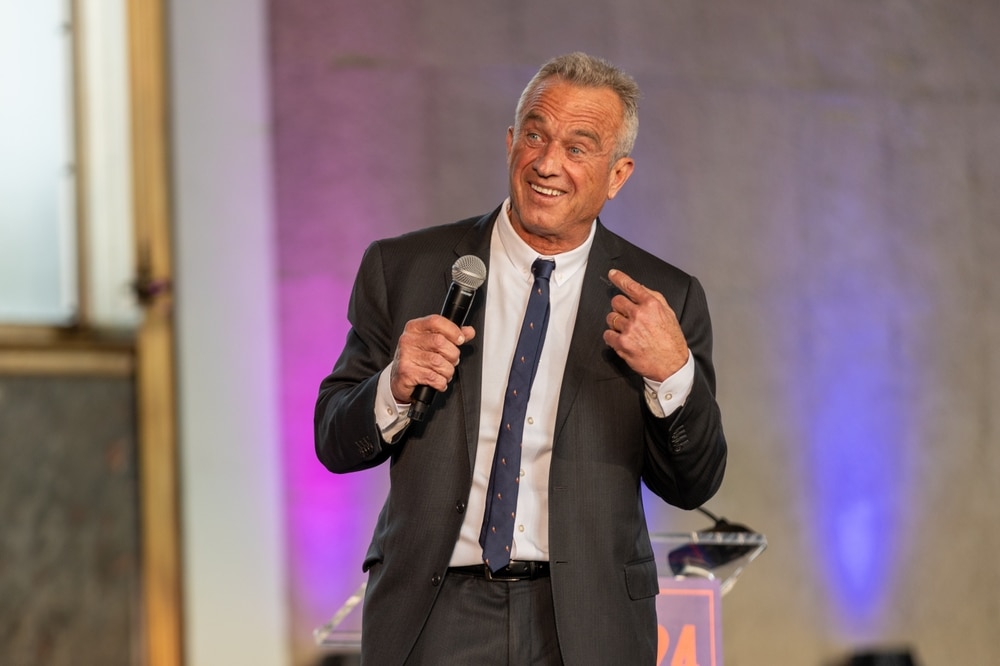
While Kennedy was not part of that specific exchange, his stance on the issue has surfaced in related policy discussions. In separate remarks reported following the hearing, Health and Human Services Secretary Robert F. Kennedy Jr. said he would support a potential ban on junk food television advertising.
His comments place him alongside other officials who have expressed concern about the influence of food marketing, though he also suggested that any effort might rely on voluntary cooperation from the food industry rather than strict federal enforcement.
This distinction underscores how the conversation is unfolding across multiple forums, with different officials weighing in at different stages rather than through a single coordinated proposal.
Health Concerns Drive Policy Interest

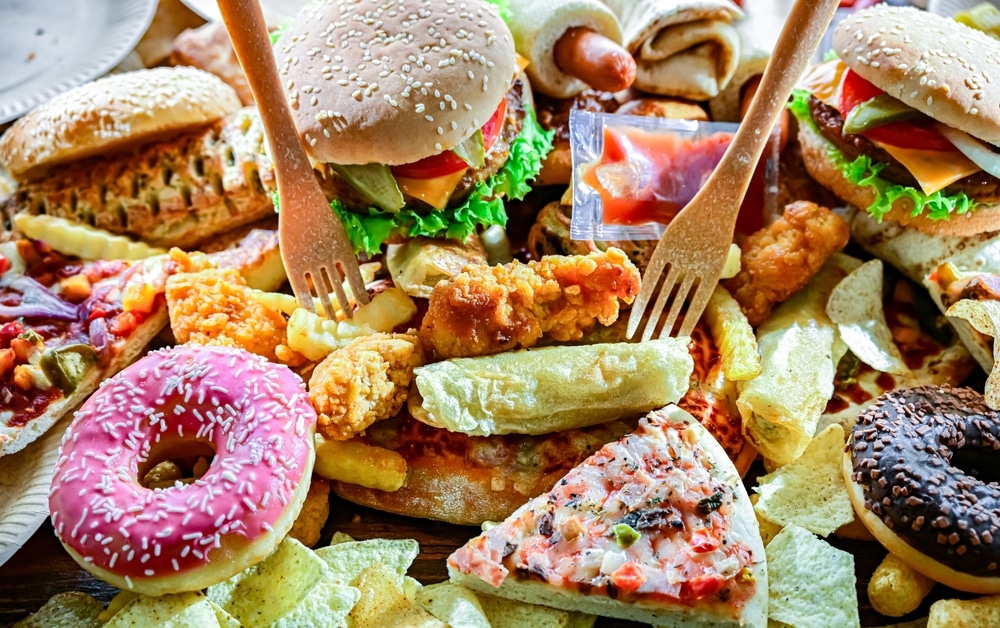
The renewed attention to junk food advertising is rooted in mounting evidence about the health effects of ultra-processed foods. Studies have linked diets high in these products to increased risks of obesity, type 2 diabetes, and heart disease.
Advertising is widely seen as a key factor shaping consumption patterns. Food and beverage companies spend billions each year promoting their products, with a significant share of ads focused on items high in sugar, fat, and sodium.
Children are particularly exposed. Research indicates that a large majority of food advertisements seen by young audiences promote unhealthy options, raising concerns about long-term impacts on dietary habits and health outcomes.
Industry, Legal Hurdles, and What Comes Next
Despite growing attention, significant challenges remain for any attempt to restrict junk food advertising. The food and beverage industry is likely to push back strongly, given the scale of its investment in marketing and the potential financial impact of new limits.
Legal barriers also loom large. Advertising is protected as commercial speech under the First Amendment, making an outright federal ban difficult to implement without careful legal justification. Analysts suggest that voluntary measures or targeted restrictions, particularly those focused on children, may be more feasible.
For now, the issue remains under discussion, with federal agencies exploring potential guidelines and policymakers weighing next steps. Whether through regulation or industry-led changes, the debate signals a growing willingness to reconsider how food marketing intersects with public health.