Keto Diet Linked to Liver Cancer Risk Within 20 Years, New Study Finds


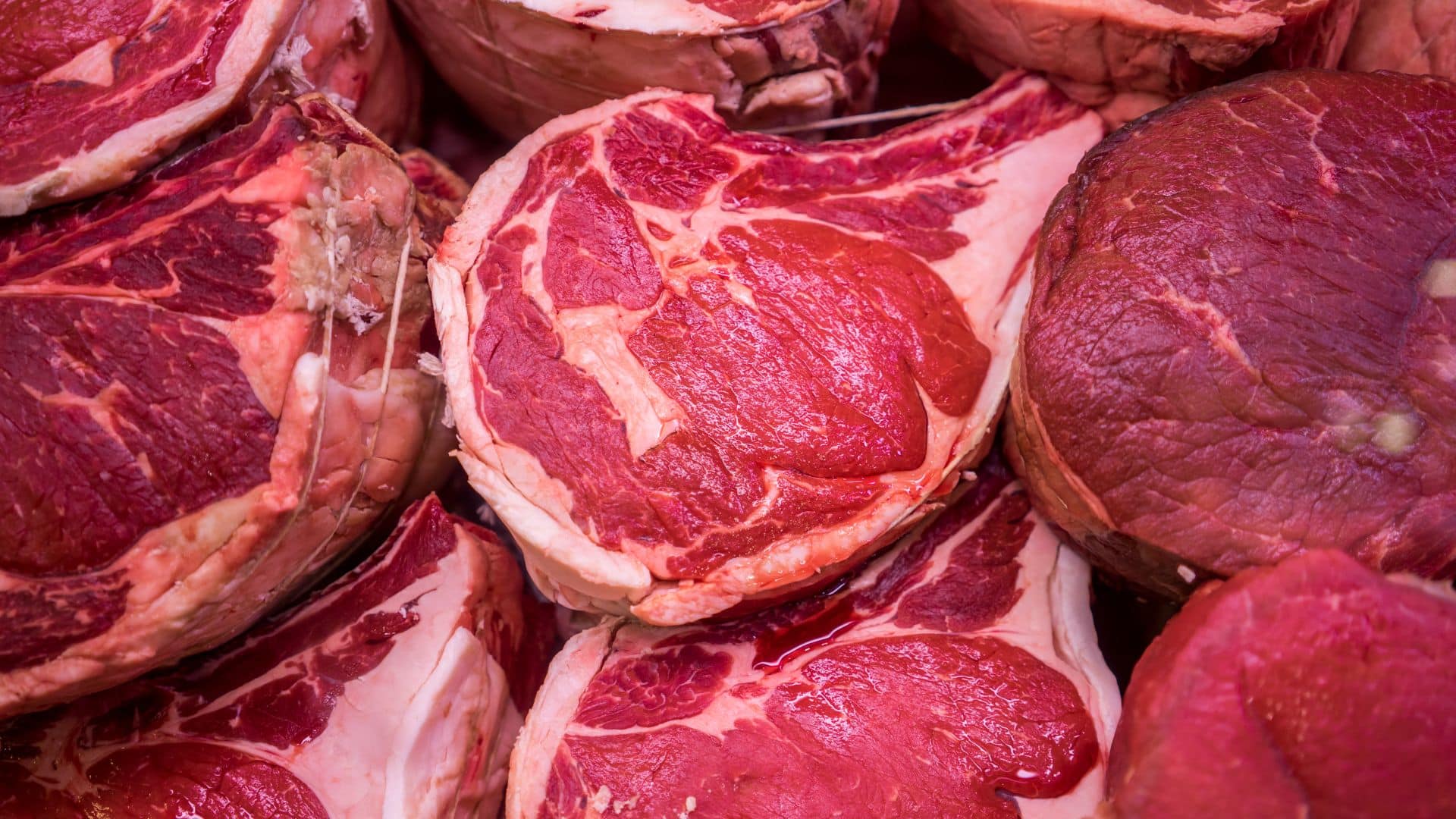
A growing body of research is casting doubt on the long-term safety of extremely high-fat, low-carbohydrate diets commonly known as keto.
A new study suggests that prolonged exposure to fatty diets may significantly increase the risk of liver cancer over time—potentially within two decades in humans.
Scientists found that repeated stress from high fat intake forces liver cells to adapt in ways that help them survive short-term damage, but these same adaptations may leave the liver more vulnerable to cancer later on.
What Happens to the Liver on a High-Fat Diet

Using advanced cell-sequencing techniques, researchers observed how liver cells responded when mice were fed a high-fat diet. Early on, hepatocytes activated survival-related genes that reduced cell death and promoted growth.
At the same time, genes responsible for normal liver function were suppressed. Researchers described this as a biological trade-off—cells prioritize survival in a hostile environment, but the organ as a whole becomes less healthy and more disease-prone.
By the end of the study, nearly all mice on the high-fat diet developed liver cancer.
Why These Changes Matter for Humans
While cancer developed quickly in mice, scientists say the same process unfolds much more slowly in people, typically over around 20 years.
However, lifestyle factors such as alcohol use, viral infections, and overall health can accelerate the risk.
When liver cells exist in a more “immature” or primitive state, they are far more likely to turn cancerous if a harmful mutation occurs later. Researchers found similar genetic patterns in human patients with liver disease, linking poorer survival outcomes to these same cellular changes.
What This Means for Diet and Prevention

The findings don’t suggest that everyone on a low-carb diet will develop liver cancer—but they do raise serious concerns about long-term adherence to extreme high-fat eating plans. A typical keto diet can consist of around 75% fat, compared to far lower fat recommendations in standard balanced diets.
Researchers are now exploring whether early damage can be reversed through dietary changes or with newer weight-loss medications like GLP-1 drugs. With liver disease increasingly affecting younger adults—and often going undiagnosed—experts stress the importance of moderation, early screening, and sustainable eating habits over extreme dietary trends.