KFC Just Closed More Than 300 U.S. Locations as Competitors Keep Expanding

KFC has closed more than 300 restaurants across the United States over the past year as the longtime fried-chicken chain faces a tougher domestic market and works to modernize its business. An analysis by Local Falcon found that 312 KFC locations closed between July 2025 and July 2026, representing a 7.6% reduction in the chain’s U.S. footprint. The analysis compared KFC’s public store listings and cross-checked removed locations with Google Maps.
The closures have not been evenly distributed. California lost 44 restaurants, the most of any state, while Texas lost 34 and Ohio lost 18. Kansas experienced one of the largest percentage declines, losing eight of its 38 locations, showing that the impact has varied considerably from one market to another.
At the same time, KFC is not abandoning expansion altogether. Its parent company, Yum! Brands, reported 7% unit growth in the second quarter of 2026, while KFC continues opening restaurants internationally and developing new restaurant formats and menu concepts for changing consumer tastes.
Where KFC Is Closing the Most Restaurants

California has experienced the largest number of KFC closures, with 44 restaurants disappearing from the chain’s U.S. footprint between July 2025 and July 2026. Texas followed with 34 closures, while Ohio recorded 18. San Antonio alone lost seven KFC restaurants, the highest number for an individual U.S. city in the analysis.
Other cities experiencing multiple closures included Indianapolis, Las Vegas and Memphis, which each lost four locations. San Diego and Houston each lost three, while Nashville, Sacramento, Louisville and Columbus were among other cities where multiple restaurants were removed from KFC’s listings.
The closures are significant because KFC’s U.S. business has faced weaker sales. Industry data reported by Nation’s Restaurant News showed KFC sales fell 4.6% in 2025 after declining 5.2% in 2024. The broader chicken category has continued growing, but competition has intensified as brands such as Chick-fil-A and Raising Cane’s have expanded their customer bases.
KFC Is Closing Stores While Trying to Reinvent the Brand
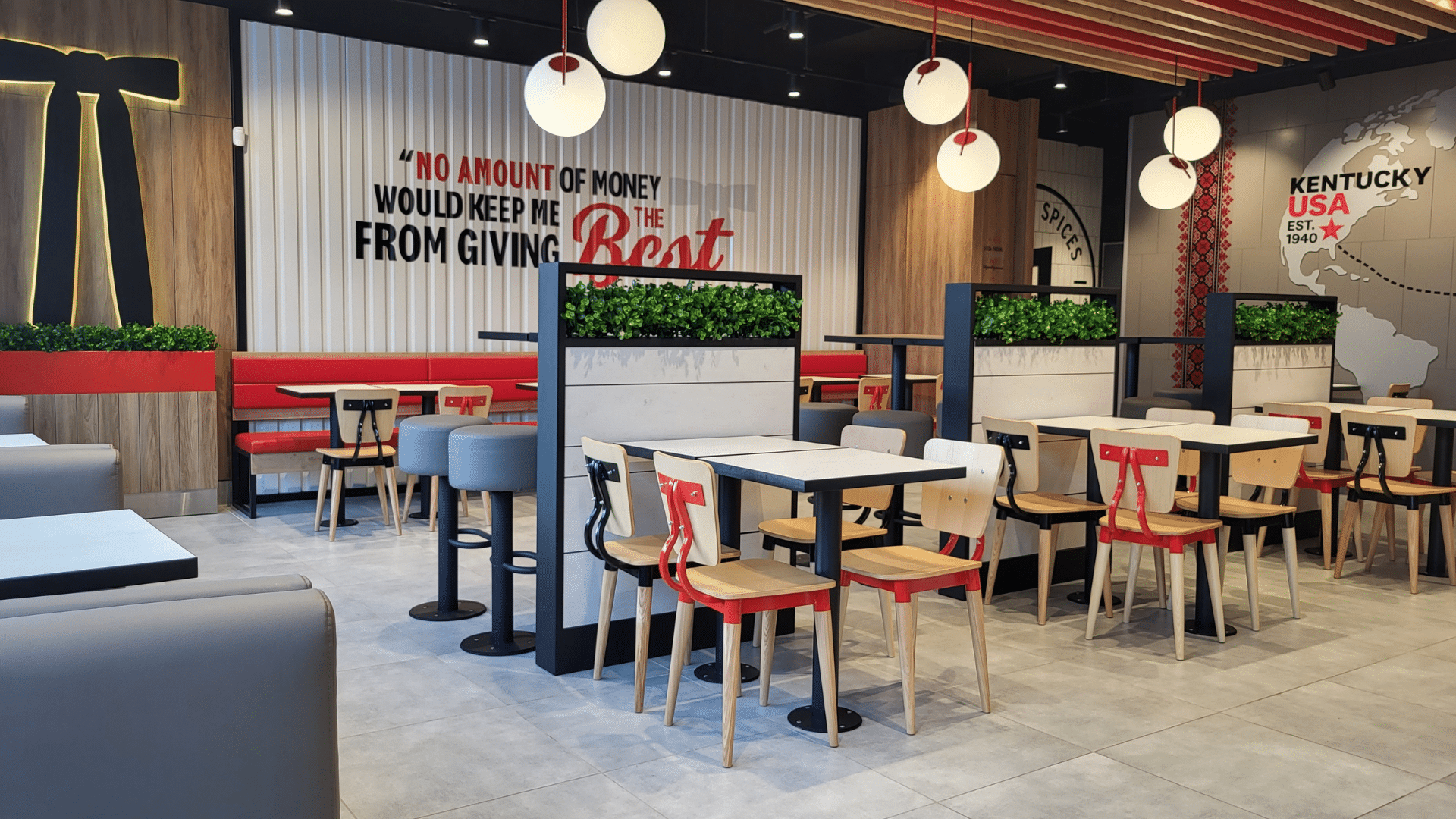
The U.S. closures are happening alongside a much broader effort to change how KFC looks and operates. In June 2026, KFC announced a new global strategy centered on boneless chicken, new sauces, refreshed branding and redesigned restaurants intended to provide a more modern customer experience. The company said the changes would expand to the U.S. during 2026.
KFC is also experimenting with new restaurant concepts. Its Saucy concept focuses on chicken tenders and a selection of dipping sauces, giving the company another way to reach customers who may prefer a more streamlined menu. The brand has been expanding the concept beyond its original Florida locations.
The international side of the business remains considerably stronger than the U.S. picture. KFC opened hundreds of new restaurants globally, and Yum! Brands reported that KFC had 13,789 restaurants as of June 30, 2026. During the quarter, KFC opened 335 net new stores, while system sales increased 7% year over year and same-store sales rose 1%.That contrast helps explain why the recent closures should not necessarily be interpreted as the end of KFC’s growth strategy.
KFC’s U.S. Footprint Is Shrinking as the Brand Searches for Its Next Growth Story
KFC’s closure of 312 U.S. restaurants in roughly one year represents a significant reduction in its domestic presence. California, Texas and Ohio experienced some of the largest numerical losses, while several other states saw smaller but still noticeable reductions.
The closures also highlight a larger challenge for KFC. The company is competing in a growing chicken category where rivals have built strong customer loyalty, while KFC’s domestic sales have declined in recent years. Lower customer ratings compared with major competitors add another challenge as the brand attempts to attract diners who have more choices than ever.
Still, KFC is responding with more than closures. New menu items, redesigned restaurants, refreshed branding and concepts such as Saucy are part of an effort to make the chain more relevant to today’s customers, while international expansion continues at a rapid pace. The coming years will show whether those changes can reverse KFC’s U.S. decline and allow the iconic chicken chain to turn a period of contraction into a new phase of growth.