Kraft Heinz Warns of Inflation Risks as It Plans 400 Job Cuts Abroad

Kraft Heinz is warning investors about renewed inflation risks while simultaneously moving ahead with plans to cut around 400 jobs outside North America as part of a global restructuring effort. The food giant says the job reductions are part of a broader efficiency push aimed at managing rising costs and protecting profitability. At the same time, the company is signaling that inflationary pressures remain a major concern heading into 2026. The dual message reflects both cost-cutting and caution in an uncertain economic environment.
400 Jobs Targeted in Overseas Restructuring

The planned cuts will affect approximately 400 roles located outside North America, according to company disclosures. While Kraft Heinz continues to expand certain domestic functions, the international workforce reduction highlights a shift toward streamlining global operations. The company employs tens of thousands of workers worldwide, making the adjustment part of a broader efficiency realignment. Executives say the changes are intended to improve productivity and reduce structural costs.
Inflation Remains a Core Business Risk

Kraft Heinz has repeatedly warned that inflation remains one of its biggest external risks, particularly in raw materials and manufacturing inputs. Rising costs in areas such as energy, transportation, and agricultural commodities continue to pressure margins. The company has attempted to offset these pressures through pricing strategies and efficiency gains, but executives caution that inflation could remain persistent. This uncertainty is shaping its cost-control decisions, including workforce reductions.
Consumer Pressure Is Limiting Price Increases

Executives have also noted that consumers are under financial strain, limiting how much cost can be passed on through higher prices. With households already stretched by inflation, demand for packaged food products has become more sensitive to price increases. Kraft Heinz has acknowledged that shoppers are reaching their affordability limits in key markets. This dynamic is forcing the company to balance pricing power with volume retention.
Efficiency Push Across Global Operations
The job cuts are part of a wider efficiency initiative designed to streamline operations across international divisions. Kraft Heinz is focusing on reducing duplication in administrative and support roles while improving productivity. Management has also invested in automation and supply chain optimization to offset rising costs. These efforts are aimed at maintaining profitability in a challenging macroeconomic environment.
North America Remains a Strategic Focus
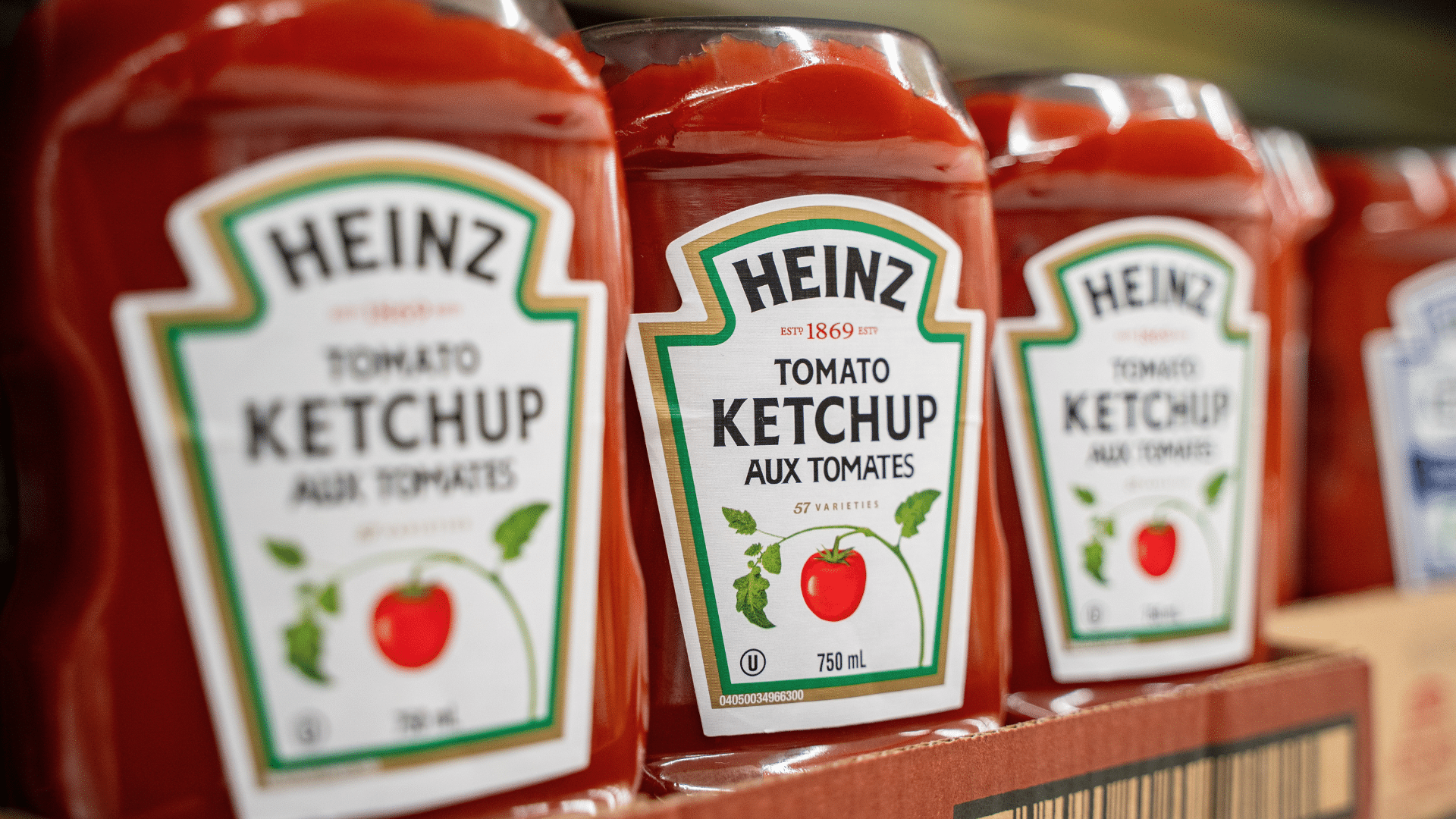
While overseas roles are being reduced, Kraft Heinz continues to prioritize North American operations and investment. The company has been focusing on strengthening core brands such as Heinz ketchup and Kraft products in its largest market. Domestic operations are seen as more stable and better positioned for long-term growth. This regional imbalance reflects broader corporate restructuring priorities.
Inflation and Geopolitical Risks Intersect
Executives have also pointed to geopolitical tensions as a factor that could worsen inflationary conditions. Rising global instability can increase fuel and commodity costs, adding further pressure to supply chains. Kraft Heinz has indicated that it is hedged against some short-term risks but remains exposed to longer-term inflation scenarios. This uncertainty is shaping its cautious financial outlook.
Investors Watching Cost-Cutting Strategy Closely

Investors are closely monitoring whether Kraft Heinz’s cost-cutting strategy will successfully offset inflation pressures. The company has maintained its financial targets but emphasized caution due to the macroeconomic outlook. Analysts see workforce reductions as part of a broader effort to protect margins while maintaining competitiveness. Market reaction has been mixed but attentive to restructuring progress.
Broader Industry Trend of Workforce Reductions
Kraft Heinz’s move reflects a wider trend across the food and consumer goods industry, where companies are trimming global workforces to manage inflation and cost pressures. Many firms are relying more heavily on automation, restructuring, and supply chain consolidation. The sector continues to face volatile input costs and shifting consumer demand. These pressures are driving similar decisions across major global brands.
Balancing Inflation Pressure and Global Restructuring
Kraft Heinz’s plan to cut 400 jobs abroad while warning of inflation risks highlights the balancing act facing global food companies. The company is trying to maintain profitability through efficiency while navigating persistent cost pressures and cautious consumer demand. As inflation and geopolitical uncertainty continue, further restructuring may be necessary. The strategy reflects a broader shift toward leaner global operations in the packaged food industry.