New Lab-Grown Meat Breakthrough Uses 90% Less Land and 80% Less Water Than Beef
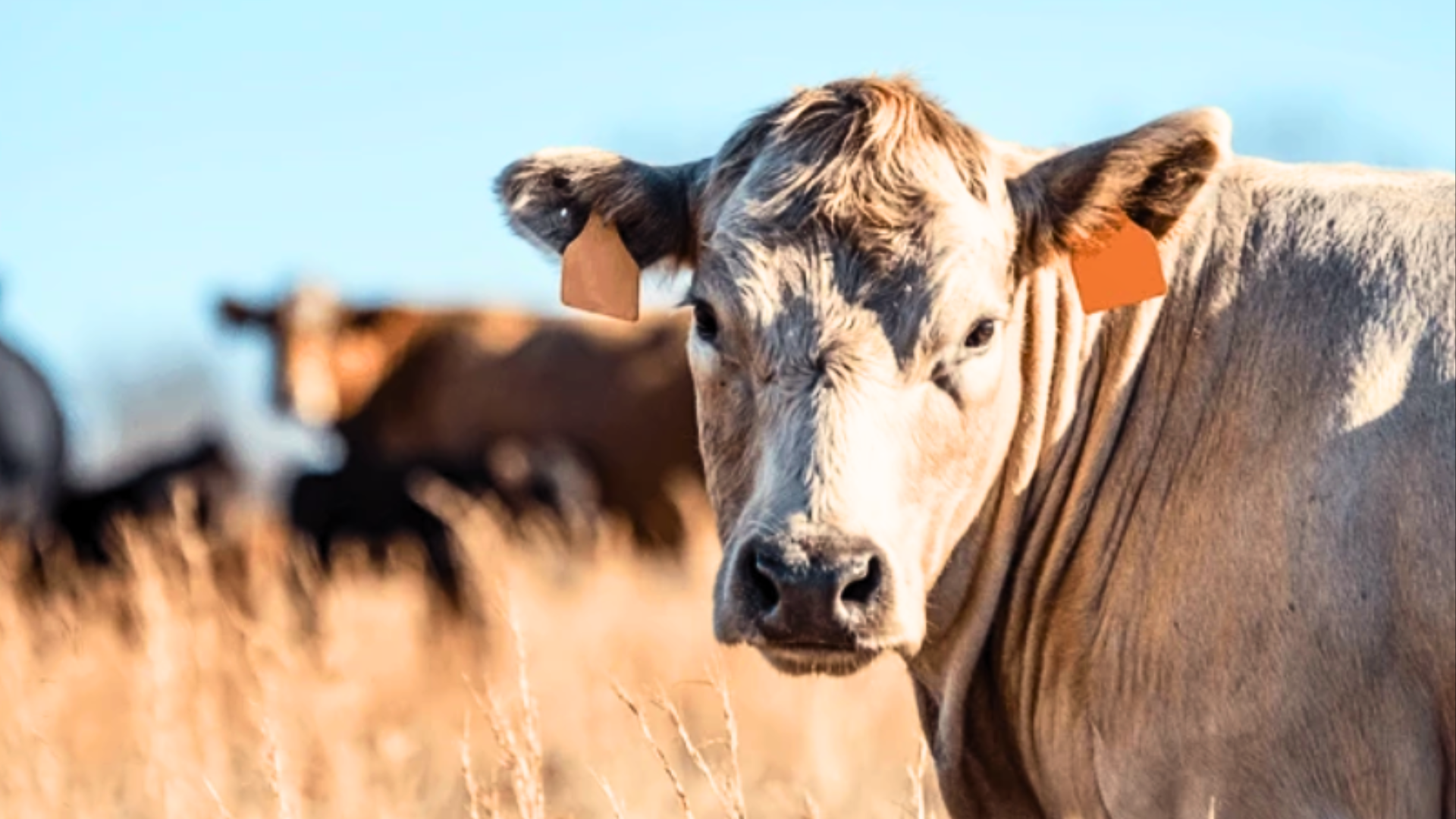

The global appetite for protein is reaching a breaking point, but a startling breakthrough in cellular biology suggests we may no longer need the cow to get the steak. While the idea of “lab-grown” meat has lingered in the realm of science fiction for years, a new technological leap has moved it from a laboratory curiosity to a viable industrial contender. By decoupling meat production from the traditional pasture, researchers are now achieving environmental savings that were previously thought impossible. The shift is so dramatic it could fundamentally rewrite the rules of global agriculture.
Traditional beef production is notoriously resource-heavy, requiring vast swaths of grazing land and thousands of gallons of water for every pound of meat produced. This new method, known as cultivated meat, bypasses the animal entirely by growing real muscle cells in controlled environments called bioreactors. The resulting product is biologically identical to conventional beef at a cellular level, yet it exists without the need for a single acre of pasture or a single bale of hay. It is a clean-slate approach to one of humanity’s oldest industries.
What makes this specific breakthrough so significant is how it addresses the “scalability” problem that has long haunted the industry. By utilizing a common byproduct of the brewing process, scientists have found a way to bridge the gap between small-scale experiments and massive industrial output. This isn’t just a minor improvement; it is a fundamental shift in how we structure food. What researchers discovered hidden in beer waste would soon change the economic trajectory of the entire protein market.
Inside the Shocking Brewery Discovery
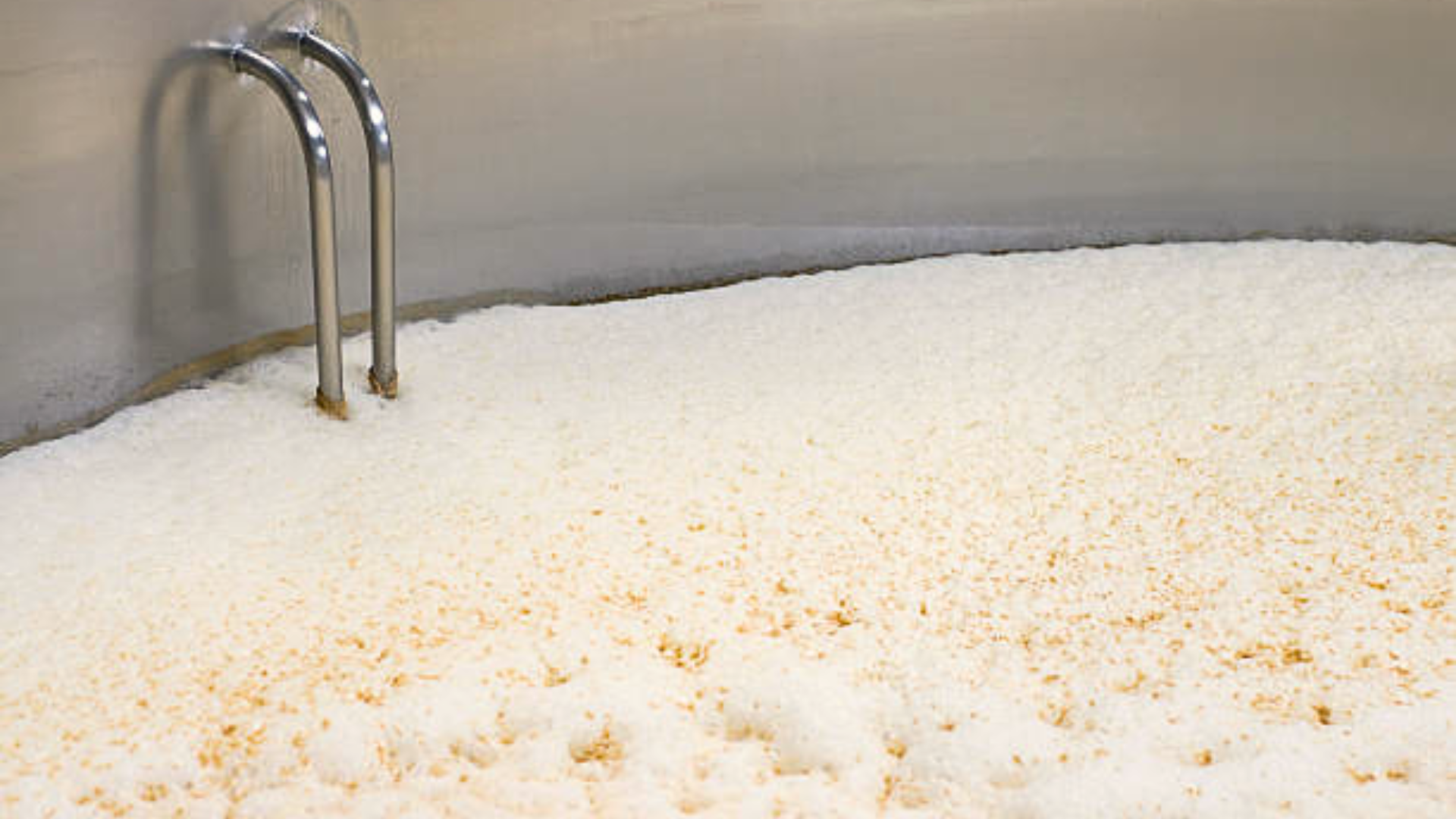
To turn loose animal cells into a structured piece of meat, scientists use what is known as a “scaffold”—a structural matrix that allows cells to attach and grow into muscle tissue. Previously, these scaffolds were made from expensive synthetic materials that drove the price of lab-grown meat into the hundreds of dollars per pound. However, researchers at University College London recently discovered that leftover yeast from the beer-brewing process can be converted into a perfect, food-safe scaffold.
This physical breakthrough grounded the technology in concrete reality by using a literal waste product to create a premium food source. The brewery yeast provides a complex structure that helps replicate the specific “mouthfeel” and texture that consumers expect from a traditional cut of beef. By repurposing this waste, the cost of building muscle tissue in a bioreactor drops significantly, making the dream of price parity with supermarket beef finally feel attainable.
The process involves taking a small sample of cells from a living animal and placing them in a nutrient-rich “soup” inside a sterile bioreactor. These reactors must maintain precise temperatures and agitation levels to mimic the natural growth environment of an animal’s body. Expert teams at companies like Upside Foods and Aleph Farms are now refining these bioreactor designs to ensure that as production scales up, the quality remains consistent with the steaks found at a high-end butcher shop.
Why This Changes Everything We Thought About Farming
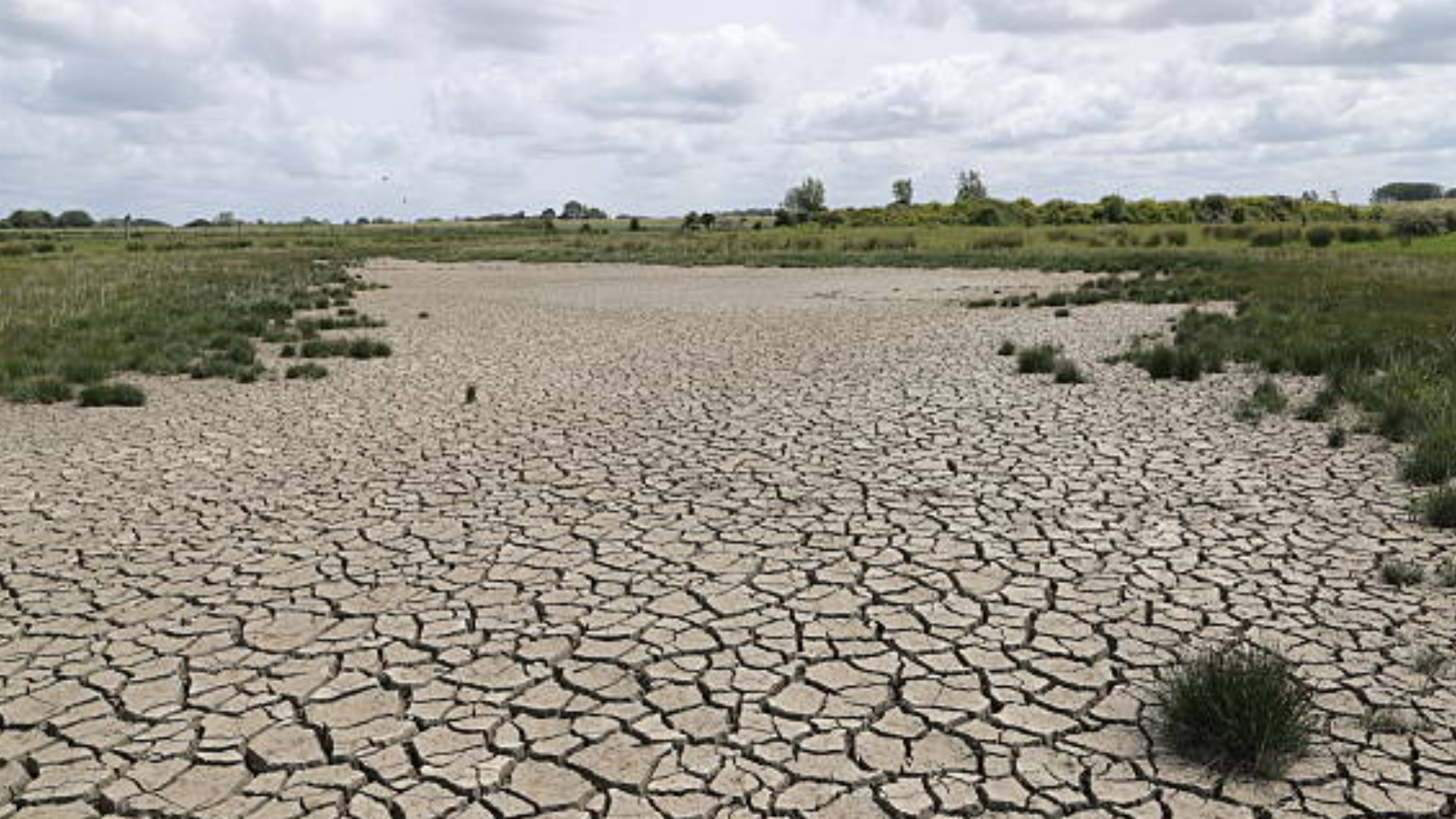
The shift to cultivated meat introduces a pivot that is both promising and worrisome for the traditional agricultural sector. According to independent life-cycle assessments, this breakthrough could reduce land use by a staggering 90% and water consumption by up to 80%. In a world facing increasing droughts and deforestation, the ability to produce protein in a closed-loop industrial system offers a radical alternative to the status quo. However, this transition poses a direct challenge to the millions of livelihoods currently tied to traditional ranching.
The larger implications connect directly to the global climate crisis. Traditional cattle are a primary source of methane emissions, a greenhouse gas significantly more potent than carbon dioxide. Cultivated meat eliminates methane from enteric fermentation entirely. By shifting production into bioreactors powered by low-carbon energy sources, the food industry could see its carbon footprint shrink almost overnight. This local laboratory discovery reflects a broader global pattern of “decarbonizing” our most basic necessities.
Despite the environmental wins, there is an underlying concern regarding energy intensity. Bioreactors require a constant supply of electricity to function, meaning the “green” status of lab-grown meat is heavily dependent on the cleanliness of the local power grid. If the energy comes from coal or gas, the emissions benefits are diluted. This creates a widen scope of responsibility, where the success of the food of the future is inextricably linked to the success of the renewable energy transition.
A Warning for the Future of Food
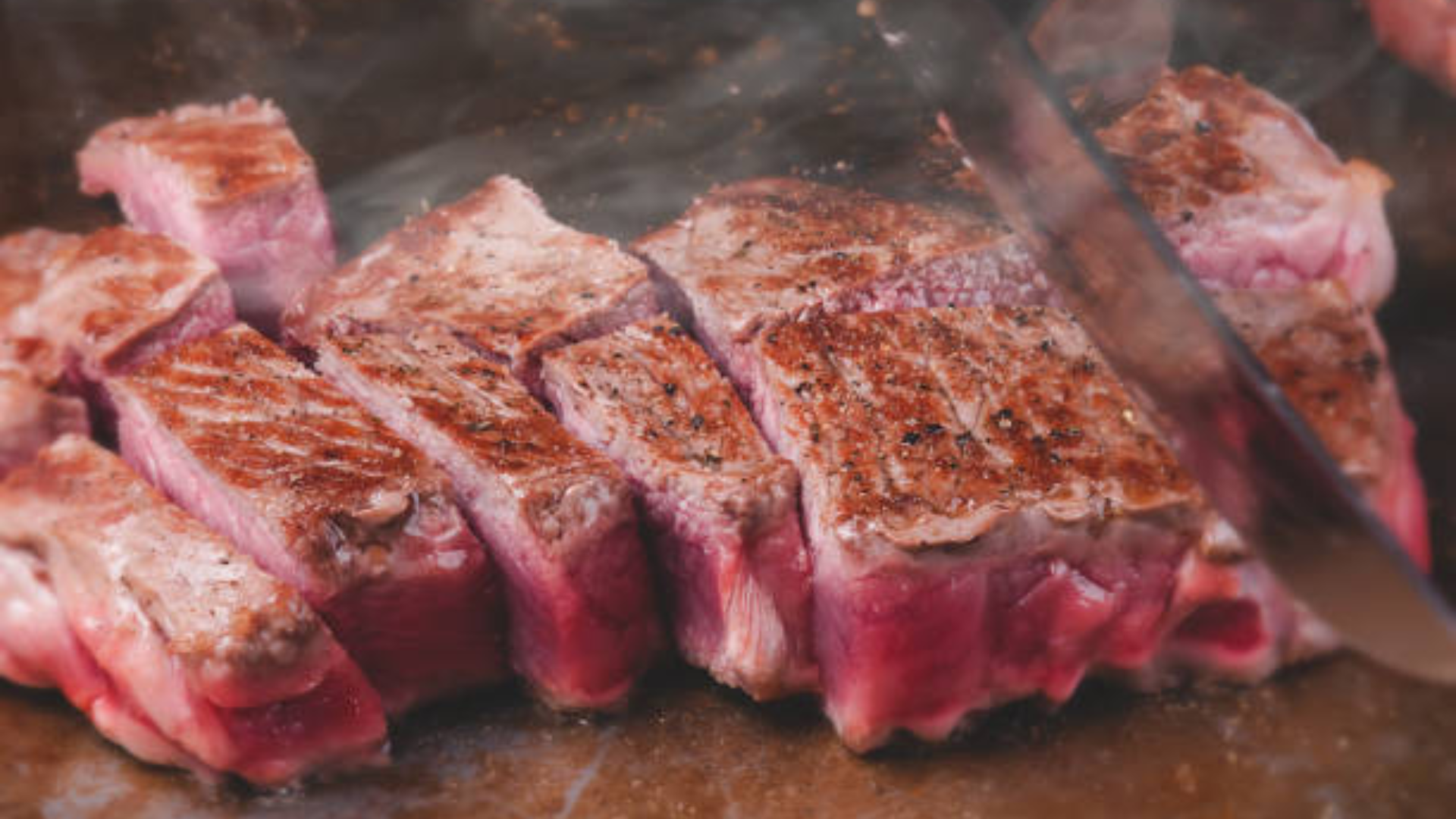
While the technology is moving at light speed, the path to the dinner table remains a cautionary tale. Investors have already seen the volatility of the alternative protein market, with plant-based companies like Beyond Meat facing significant valuation collapses after the initial hype faded. Lab-grown meat faces an even steeper climb toward profitability, as the capital required to build industrial-scale bioreactor farms is immense. We are currently in a race between technological innovation and financial sustainability.
The urgency of this transition cannot be overstated as global protein demand is expected to skyrocket in the coming decades. If we continue to expand livestock at historical rates, the pressure on our forests and water systems may become irreversible. Lab-grown meat offers a “break-glass-in-case-of-emergency” solution that allows us to maintain our dietary habits without destroying the ecosystems that support us. The question no one can answer yet is how quickly consumers will embrace “brewery-grown” beef.
Ultimately, this breakthrough represents one of the most ambitious efforts in human history to decouple our survival from our environment’s limitations. It acknowledges that while we have learned much from traditional farming, the future may require us to grow our food in ways our ancestors never imagined. The final verdict on lab-grown meat will not be delivered by a scientist in a lab, but by a shopper in the grocery aisle. The era of the “cow-less” steak has officially begun, and the world will never look at a burger the same way again.