Liquid-Nitrogen Cocktail ‘Triggered an Explosion’ Inside a Man’s Stomach Moments After He Drank It
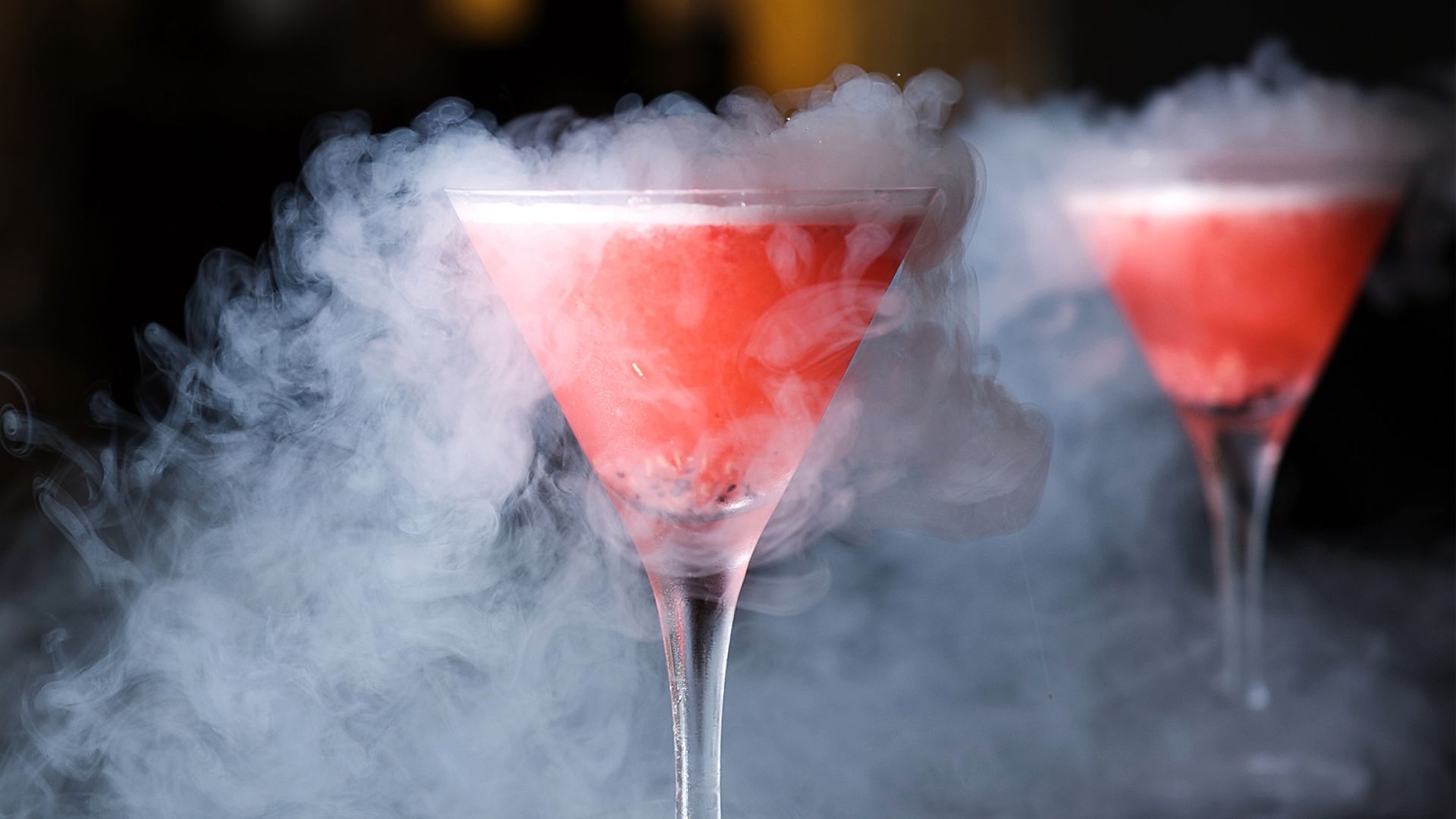

A drink that looked like a science experiment nearly killed a 34-year-old man in Mexico. Within seconds of swallowing a smoky, liquid-nitrogen-infused cocktail at a bar, he felt a sudden, intense pain rip through his stomach. What followed was an emergency room visit, emergency surgery, and a medical case that doctors say the public needs to hear about. This is what happens when a trendy bar trick goes dangerously wrong.
Liquid-nitrogen cocktails have become a popular theatrical flourish at bars and restaurants worldwide. The swirling, fog-like effect makes for dramatic presentation and social media-worthy videos. But behind the spectacle is a substance with a boiling point of minus 320.5 degrees Fahrenheit, one that behaves unpredictably inside the human body. Most people assume the smoke means it is safe to drink. In this case, that assumption almost proved fatal, according to a published medical report.
The man arrived at the emergency department sweating heavily and struggling to stay alert. His heart was racing at 124 beats per minute, well above the normal range of 60 to 100. His blood pressure had dropped. His body temperature had fallen to 95.7 degrees Fahrenheit. Doctors who examined him found tenderness spread across his entire abdomen, not isolated to one spot. Something had gone very wrong inside his stomach, and the cause was sitting at the bottom of an empty cocktail glass.
What Liquid Nitrogen Actually Does Inside the Human Body
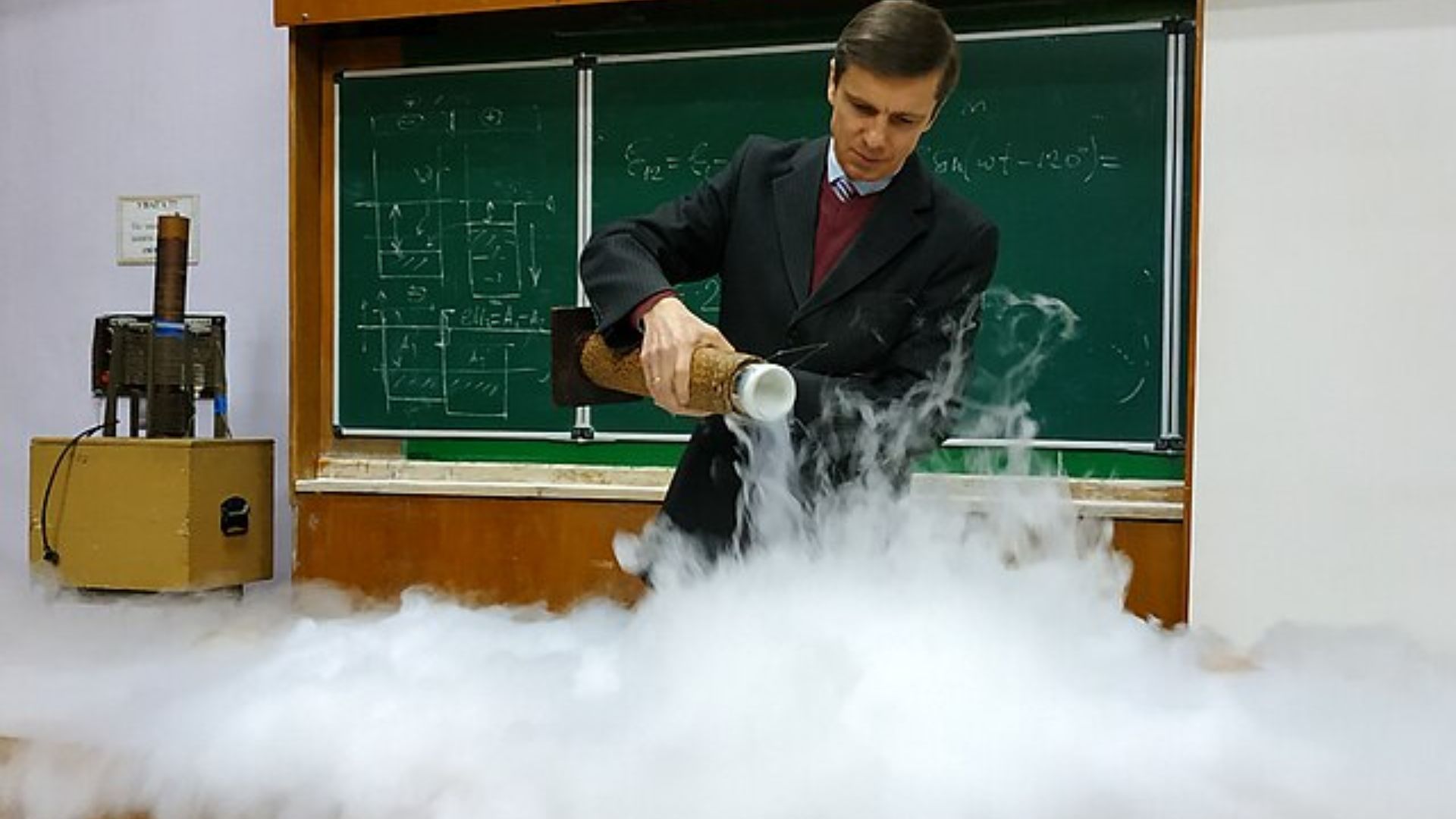
Liquid nitrogen is not just cold. It is one of the most extreme substances used in food and drink preparation, stored at temperatures close to minus 196 degrees Celsius. When it makes contact with anything warmer, it begins converting back into gas almost instantly. That transformation is dramatic: the liquid expands to roughly 700 times its original volume as it turns to gas. In a cocktail glass, that process creates a cinematic fog. Inside a stomach, it becomes something far more dangerous.
When the man’s doctors tapped on his abdomen, they were listening for specific sounds. Hollow, gas-filled areas produce a high-pitched “tympanic” tone. Solid organs produce a duller sound. What they heard alarmed them: his entire abdomen was tympanic. Every section, including areas that should have sounded solid, rang out with the same hollow pitch. The gas had spread throughout his abdominal cavity, a finding that pointed directly to a rupture. Doctors suspected the liquid nitrogen had not fully vaporized before he swallowed it.
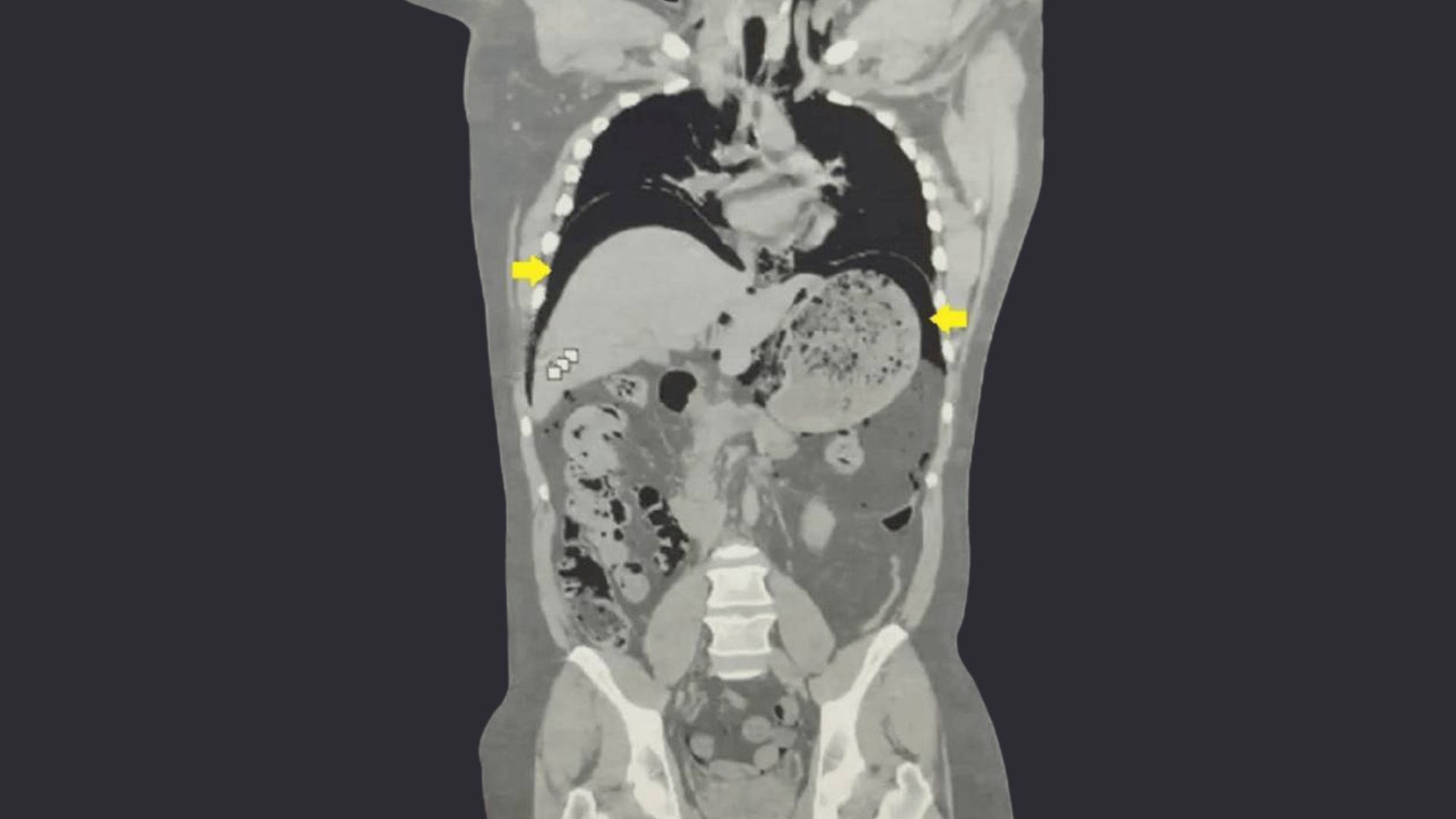
A CT scan confirmed their worst suspicion. Trapped nitrogen gas had collected in a layer just above the man’s stomach and below his lungs, a condition doctors call pneumoperitoneum. The liquid nitrogen, still in its fluid state when consumed, had rapidly converted to gas inside his warm stomach. The expansion was so forceful that it tore a hole in the stomach wall. His organ had, in effect, been inflated like a balloon until it burst, releasing gas into spaces where no gas should exist.
The Emergency Surgery That Saved His Life
Surgeons moved quickly. They made a small keyhole incision in the man’s abdomen, releasing the trapped nitrogen gas that had been pressing against his organs. Once the pressure was relieved, they inserted a laparoscope, a thin tube fitted with a camera, through the same incision. The camera guided them to the source of the rupture: a hole in the stomach wall measuring 1.2 inches, or roughly 3 centimeters across. Locating it was only half the challenge.
To repair the perforation, surgeons used a patch of fatty tissue taken from elsewhere in the man’s own abdomen. They sutured the hole shut and sealed the repair. The technique is a standard approach for stomach perforations, but the cause of the injury was far from standard. “Although reported cases of digestive tract perforation associated with liquid nitrogen ingestion are rare, all have necessitated emergency surgical management,” the doctors wrote, underscoring the seriousness of even a single swallow of unconverted liquid nitrogen.
Despite the severity of the injury, the man recovered faster than expected. Three days after surgery, he was discharged from the hospital on a liquid diet. Doctors noted he had also avoided one of the other major risks of liquid nitrogen ingestion: cold burns. The substance can freeze water inside human cells on contact, permanently damaging tissue in the mouth, throat, and stomach. The man showed none of these injuries, which doctors attributed to a physical phenomenon known as the Leidenfrost effect, and it may be the reason he survived intact.
The Warning Every Bar Should Post

The Leidenfrost effect describes what happens when a cold liquid meets a surface far warmer than its boiling point. The outermost layer of the liquid vaporizes instantly, creating a thin gas barrier that briefly insulates the warm surface beneath it. In this man’s case, that surface was his esophagus and stomach lining. The insulating vapor layer formed fast enough to shield his tissue from direct contact with the liquid nitrogen, sparing him from burns that could have caused permanent damage.
The same protection does not apply to everyone who consumes liquid nitrogen too early. Other documented cases have involved severe internal burns and lasting damage to the digestive tract. The difference often comes down to how much unconverted liquid nitrogen was swallowed and how quickly. Liquid nitrogen used to garnish food or drinks is generally safe once it has fully vaporized. The danger lies in consuming it while the conversion is still happening, a window that can be difficult to judge without proper training or clear instruction.
Doctors concluded their report with a direct appeal for public awareness. “This case underscores the importance of raising awareness regarding the risks associated with the ingestion of cryogenic substances,” they wrote, calling on healthcare professionals to recognize and communicate these dangers more widely. The message for anyone ordering a smoky cocktail is simple: wait until the fog is completely gone before drinking. The theatrical effect is the signal that liquid nitrogen is still active. Once the cloud clears, the drink is safe. Until then, it is not.

