Love It or Hate It, Eating a Lot of Garlic Can Make You Smell “Very Sexy,” a New Study Reveals

We invest heavily in fragrances designed to define how we are perceived. Yet beneath deodorants and colognes remains a natural scent shaped by biology. Hygiene and health play a role, but research suggests diet may also subtly influence how we smell. What we eat does not just nourish us, it may announce us.
How Food Becomes Fragrance

The connection between diet and scent is not immediate or simplistic. Food is digested, metabolized, and broken into compounds that circulate through the bloodstream. Some of these compounds exit through breath, while others are released in sweat. By the time they reach the skin, they have undergone complex chemical transformations.
The Garlic Experiment That Surprised Researchers

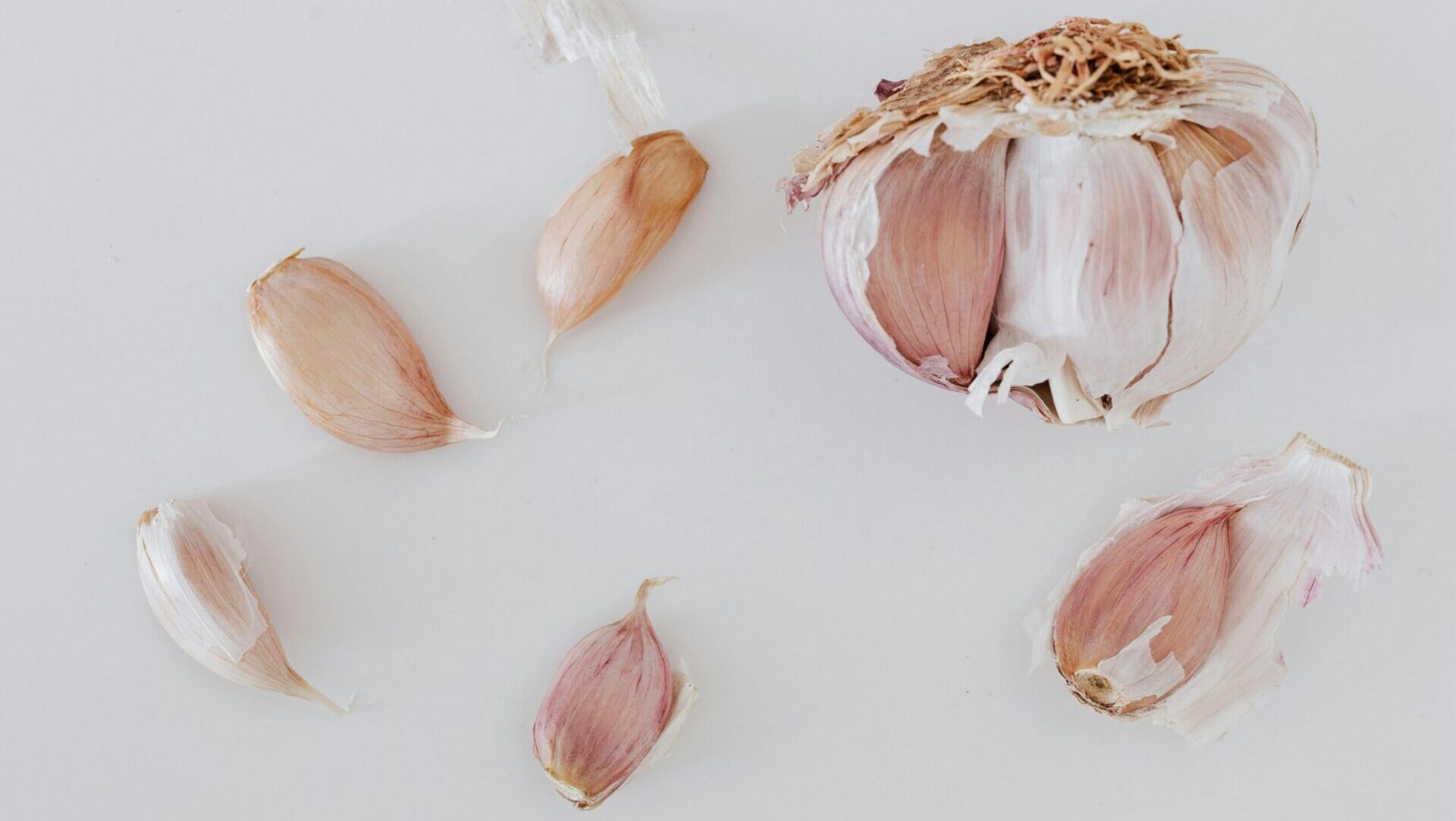
In one notable study, men consumed varying amounts of garlic while wearing absorbent pads to collect sweat. Women later evaluated the scent for pleasantness and attractiveness. Unexpectedly, men who consumed higher amounts of garlic were rated as more attractive. Even the researchers repeated the study to confirm the puzzling result.
An Evolutionary Explanation

Garlic is rich in antioxidants and antimicrobial compounds associated with good health. Scientists speculate that these health signals may subtly influence perceived attractiveness. Evolution may predispose humans to favor cues linked to vitality and resilience. In this theory, scent becomes a subconscious health report.
Fruits and Vegetables Carry Their Own Signal

Additional research suggests diets high in fruits and vegetables may improve the perceived quality of body odor. Participants consuming more produce were described as smelling sweeter or more pleasant. Again, researchers propose that nutrient dense foods contribute to healthier body chemistry. The result may be subtle, but detectable.
When Diet Works Against You

Other studies explored whether certain foods produce less favorable impressions. Men following meat heavy diets were sometimes rated as having more intense and less pleasant body odor compared to those on nonmeat diets. Alcohol has also been associated with less appealing scent changes. These findings remain preliminary but suggest patterns worth noting.
Culture Shapes the Nose

Perception of scent is not universal. Cultural background strongly influences what smells comforting, attractive, or unpleasant. Aromas associated with familiar cuisines may evoke warmth in one context and confusion in another. Any conclusions about desirability must be filtered through this social lens.
Scent as a Biological Signature
Each person carries a unique scent profile influenced by genetics, hormones, age, and health. Mood, stress levels, and immune responses can subtly alter body odor. Diet represents only one layer in a far more intricate system. The human scent is closer to a fingerprint than a flavor note.
Small Studies, Big Curiosity

Researchers caution that most existing studies involve limited sample sizes. While trends appear intriguing, the field remains young. Larger and more diverse research is needed before drawing sweeping conclusions. Still, the early data points toward a fascinating intersection of nutrition and attraction.
What This Means for Your Plate

No single ingredient guarantees allure, and no meal defines identity. Yet evidence suggests that long term dietary patterns may quietly influence how others perceive us. A balanced diet rich in plant based foods may benefit not only internal health but outward impression. Attraction, it seems, may begin deeper than the skin.