Major Fried Chicken Franchisee Files for Bankruptcy and Quietly Starts Shutting Locations
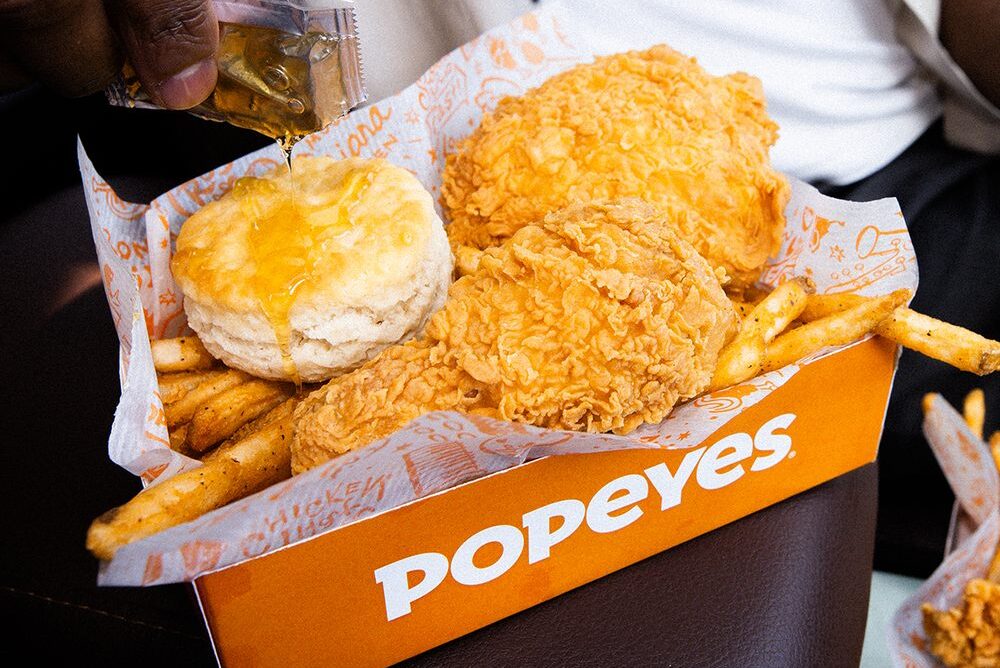

Fried chicken chains continue to draw steady traffic across the fast food industry, and that momentum has kept the category in focus through 2025. Recent data shows visits to chicken concepts rising even as overall fast food traffic declined.
That trend has shaped expectations across the industry, and operators have leaned on that demand to maintain performance in a tightening economy. Rising costs have started to press against those gains, and that pressure has begun to surface in franchise operations. Sailormen Inc., a major Popeyes franchisee, entered Chapter 11 protection in January 2026 after a difficult year marked by inflation, higher interest rates, and ongoing labor constraints.
The company has started closing stores and rejecting leases tied to underperforming sites. Recent filings show additional closures in Georgia, adding to earlier shutdowns across Florida and Georgia within days of the bankruptcy filing. The sequence now connects to a broader effort to cut expenses and reposition the business as it moves toward a potential asset sale.
Lease Rejections Expand Across Georgia and Florida
Sailormen Inc. has continued to reduce its store footprint, and recent filings show another round of lease rejections tied to closed Popeyes locations. The company submitted a motion on March 10 to reject leases for sites in Brunswick, Baxley, and Homerville, Georgia, and those closures add to earlier filings already in process.
Earlier court actions covered 17 additional locations across Georgia and Florida, and those closures took place over a short span in January. The company shut down eight stores on Jan. 19, followed by five on Jan. 20, then four more on Jan. 22, and that sequence lined up closely with its Chapter 11 filing.
Court documents show the company wants those lease rejections to take effect from the petition date, since the restaurants had already closed within days of the filing. That timing connects to ongoing proceedings in the U.S. Bankruptcy Court in Miami, where the company continues to adjust its obligations.
Asset Sale Plan Moves Forward Under Bankruptcy Court

Sailormen Inc. has moved deeper into bankruptcy proceedings, and recent filings show the company preparing to sell its assets through a structured process. A March 13 motion outlines plans for a Section 363 auction, and that approach allows the company to market its remaining operations under court supervision.
The process begins with a stalking horse bidder, and that bidder sets the initial price that others must exceed. The company’s secured lender may also submit a credit bid tied to outstanding debt, and that option connects the sale process directly to its existing financial obligations.
Pressure from landlords, vendors, and lenders has continued to build, and that pressure has pushed the company toward a faster resolution. The filing follows earlier challenges that include a failed attempt to sell certain locations, and that sequence now feeds into the broader effort to transfer assets under court approval.
Labor Gaps and Consumer Trends Continue to Shape Recovery
Labor constraints have continued to affect restaurant operations, and that issue has limited how quickly locations can return to stable staffing levels. Operators have faced a smaller pool of qualified workers, and that condition has made scheduling and service consistency harder to maintain across multiple markets.
Consumer behavior has also continued to evolve, and that pattern has influenced how chains position their menus and in-store experience. Industry expert Reilly Newman noted that demand ties closely to variety and flexibility, and he explained that “the experiences the brands are creating” continue to draw interest across different customer groups.
Long-term recovery now depends on how operators respond to those combined pressures. Companies that adjust staffing models and refine customer offerings may regain footing, and that direction now shapes how franchise systems manage growth and stability in the months ahead.