Man Exposes ‘Card Payment Trick’ Restaurants Use That Can Lead to Extra Charges Without Customers Knowing
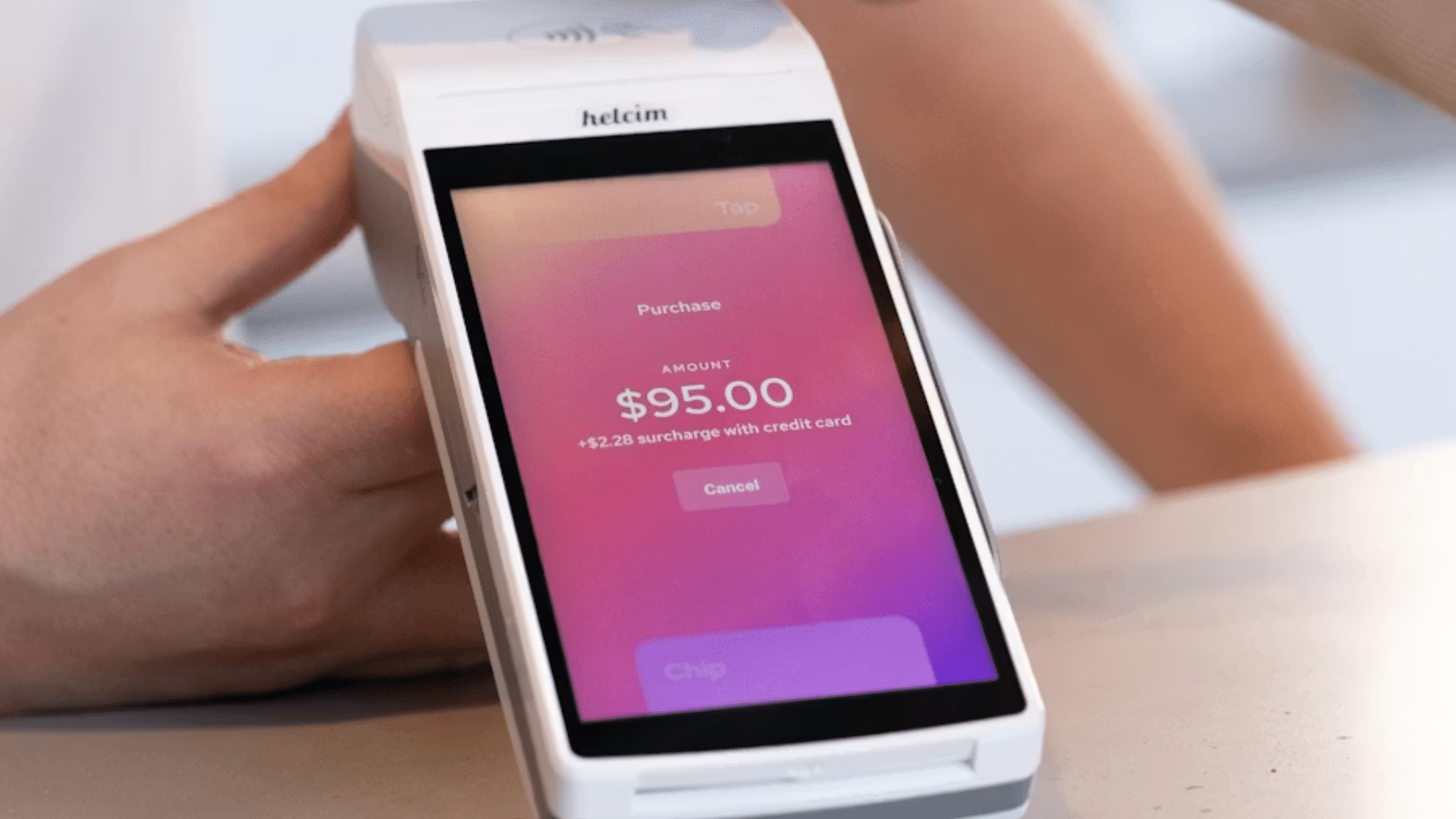

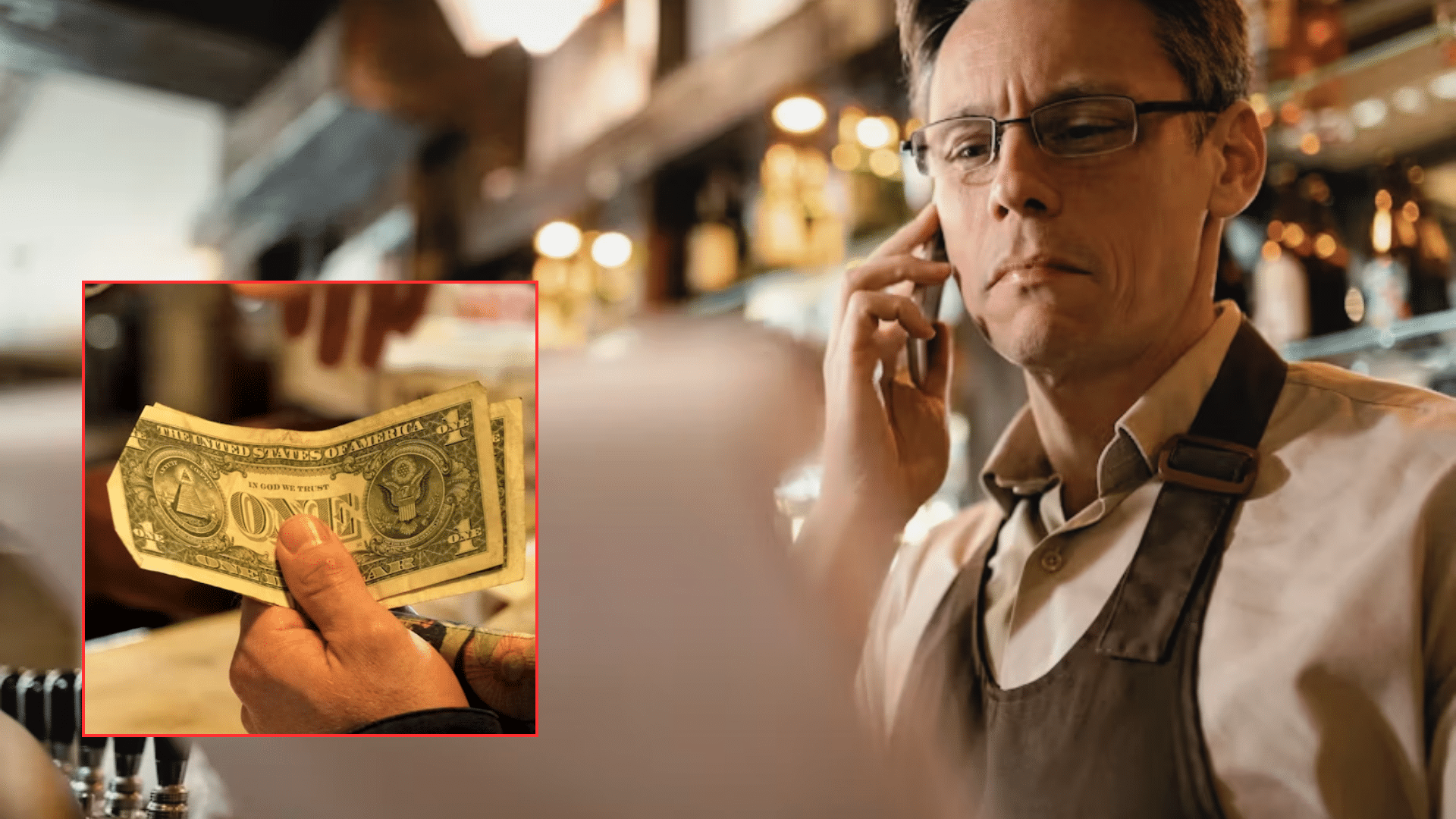
A viral video has lit up the internet, and it starts with a single question at a restaurant table: did you actually see what you just paid for? Real estate agent Jacob Orth, posting on TikTok as jacobslifeinvegas, racked up 2.9 million views after exposing a payment habit that many restaurants have quietly adopted. His video raises a question every diner should be asking before they tap their card.
The Handheld Reader Arrives at Your Table
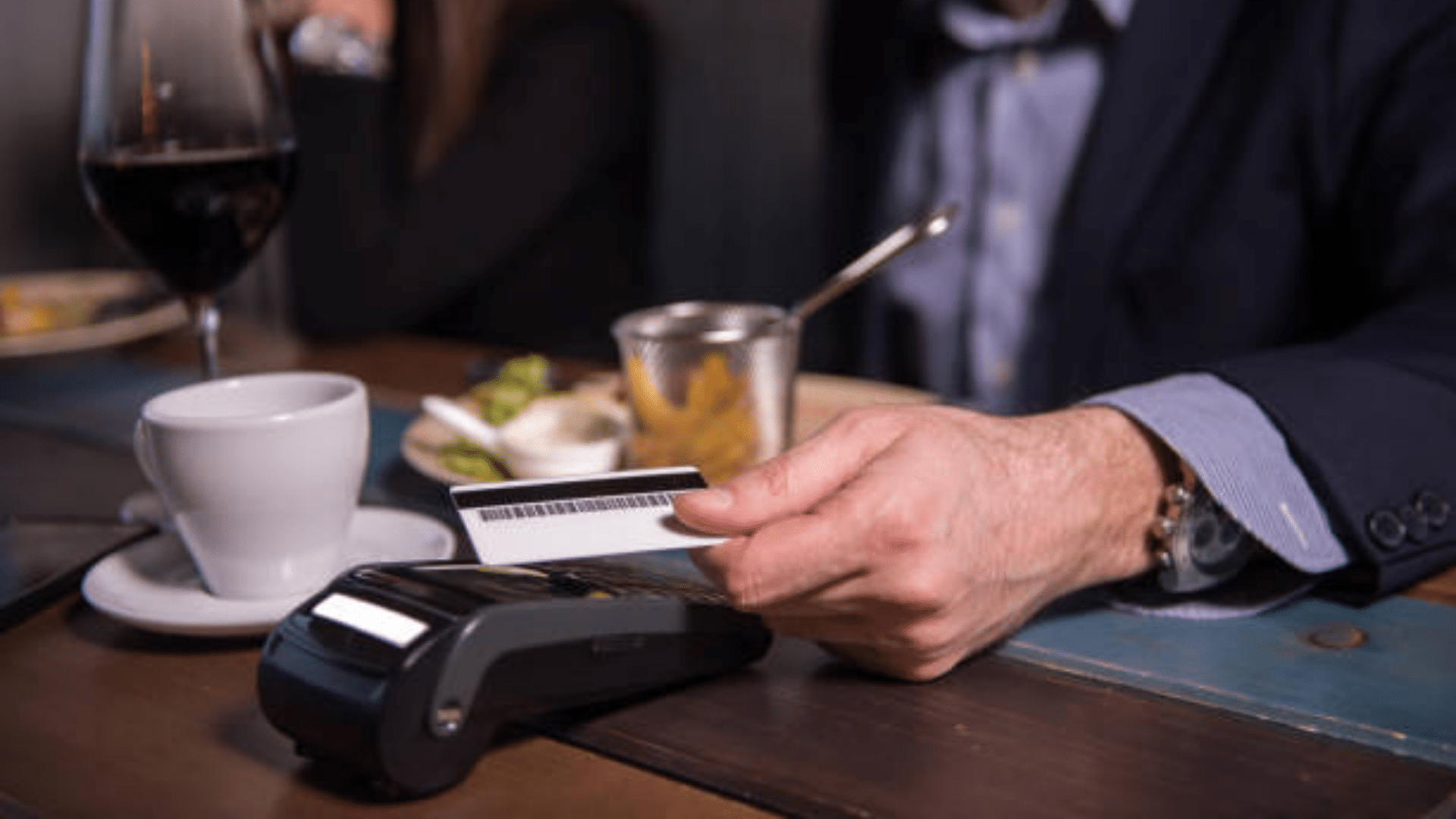
Across Las Vegas and many other cities, restaurants have traded paper receipts for sleek handheld card readers brought directly to the table. The devices are marketed as fast, modern, and contactless. But according to Orth, that convenience may come at a cost to the customer. When the screen lights up showing only a final total, many diners tap their card and leave without ever questioning whether that number is correct.
One Total, No Breakdown
The issue, Orth argues, is what you do not see. Traditional paper receipts list every item, fee, and tax in plain view. A handheld card reader typically presents just one number. Newsweek reported that customers often approve a charge without ever viewing an itemized breakdown, making it easy for extra fees to slip through unnoticed. The question is: what exactly are those fees?
What Does ‘CNF’ Actually Mean?

In his video, Orth spots a charge labeled “CNF” and asks the server what it stands for. It turns out to be a Concession and Franchise fee, a restaurant-level surcharge that goes directly to the business, not to the server. It is not a service charge. It is not a tip. Many diners, seeing it buried in a receipt they barely glanced at, would have no idea they paid it at all. Orth asked for it to be removed, and the server agreed.
Restaurants and the Rise of Hidden Surcharges
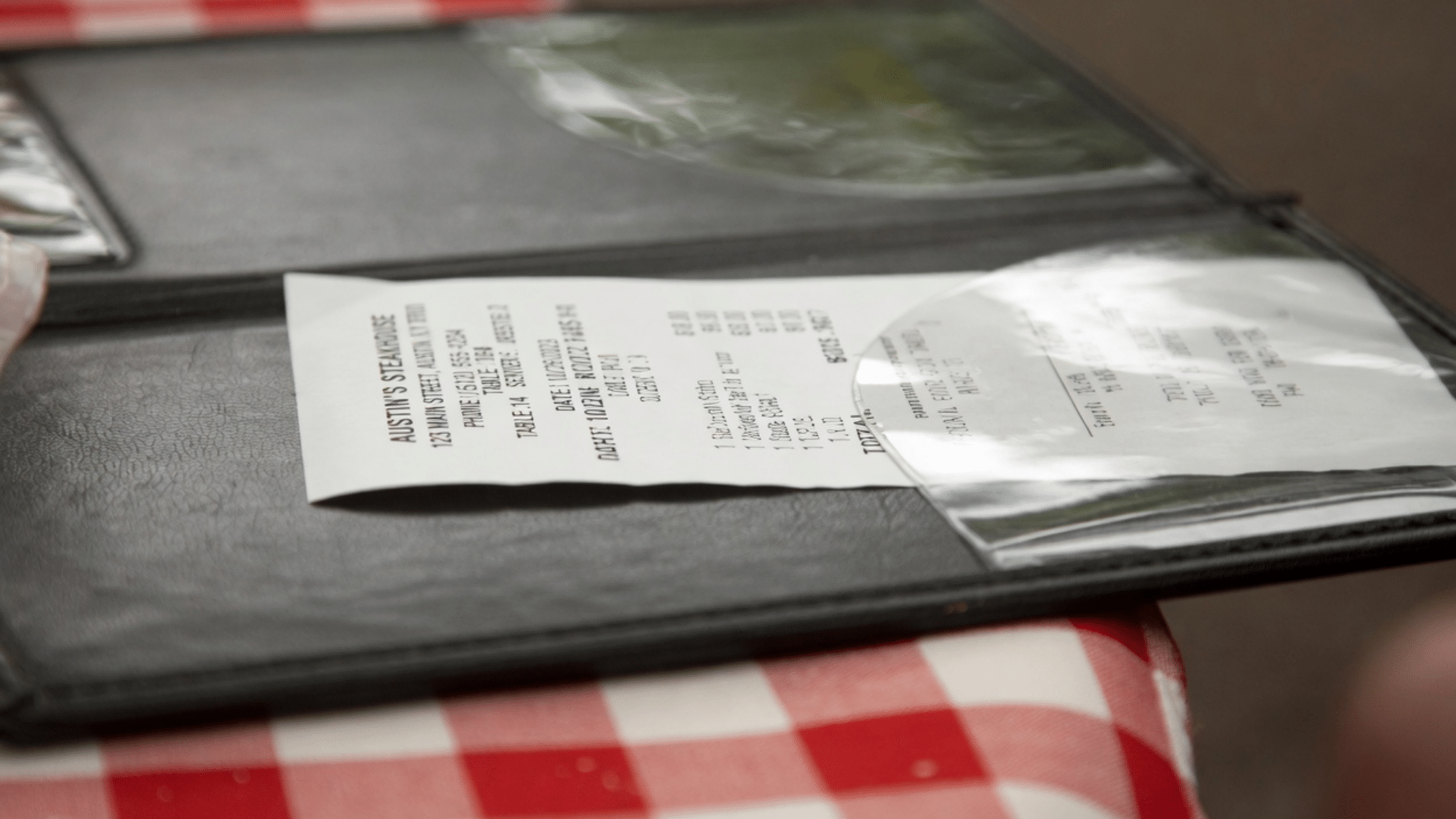
The CNF fee is not an isolated case. Across the U.S., restaurants have increasingly added line items with names that mean little to the average customer: service fees, kitchen appreciation charges, and wellness surcharges. These fees are often legal, but transparency around them is inconsistent. Industry observers have noted that digital payment systems can make these additions easier to include without drawing attention.
Viewers Respond: ‘It’s the Principle’

The comment section under Orth’s video reflects a broader frustration. Many of the 1,100 replies said the video captured something they had experienced but never examined closely. “Seems illegal,” one viewer wrote. Others pushed back on the idea that the small dollar amount makes it acceptable. “It’s the principle, not the amount,” one commenter argued. Several said they now make it a rule to review an itemized receipt before approving any payment.
The Market Price Trap
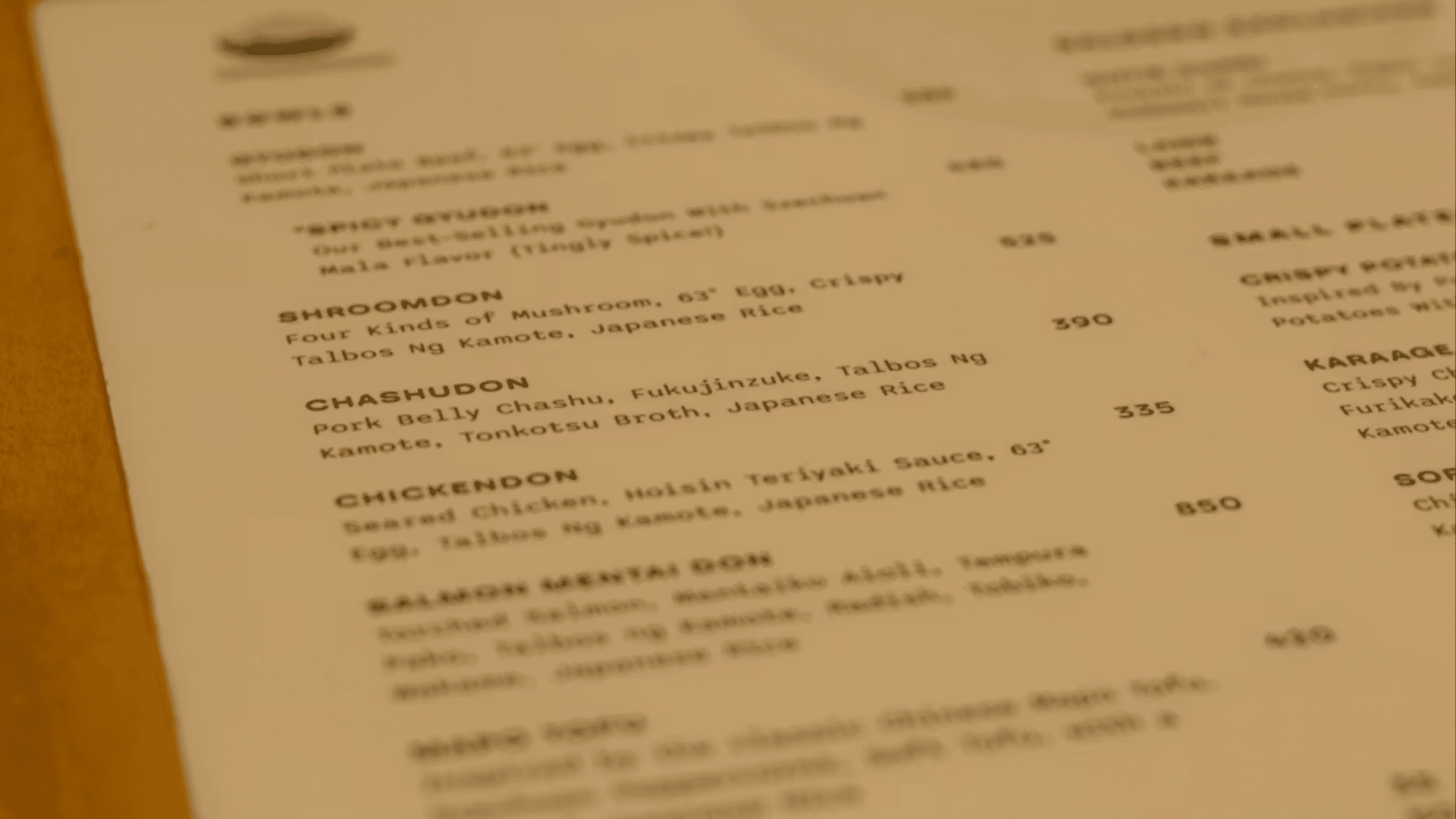
Orth’s video is part of a wider conversation about restaurant billing surprises. Newsweek also reported on a group of diners who ordered steak without realizing the menu listed it as “MKT,” shorthand for market price, meaning the kitchen sets the cost daily based on wholesale rates. Their bill came to $154.14. The abbreviation appeared on the menu, but with no explanation of what it meant or how much it would cost.
When Tips Get Altered After the Fact
Another case online described a woman who discovered that a server had allegedly increased her tip amount after she left the restaurant. The woman was urged to file a police report. While that case is more extreme, it highlights the same underlying vulnerability: once a customer walks away from the table, they often have limited visibility into what was ultimately charged to their card. Digital payments can close that window even faster.
Simple Steps to Protect Yourself
Consumer advocates and commenters point to the same basic defense: ask for an itemized printed receipt before approving any payment. If a fee appears that you do not recognize, ask what it covers and whether it can be removed. Restaurants are generally required to disclose charges, but they are not always required to explain them unprompted. The FTC advises consumers to review every charge and dispute anything that appears incorrect or unexplained.
A Small Habit That Could Save You Money
Jacob Orth’s video went viral not because the fee was enormous, but because millions of people recognized the moment he described: tapping a card, walking out, and never quite knowing what you paid for. Digital payment systems are not going away, and neither are restaurant surcharges. The real shift has to happen at the table. Asking one question before you tap could be the difference between paying what you ordered and paying for something you never agreed to.