Man Loses 240 Pounds Without Dieting After Sticking to This One Daily Habit
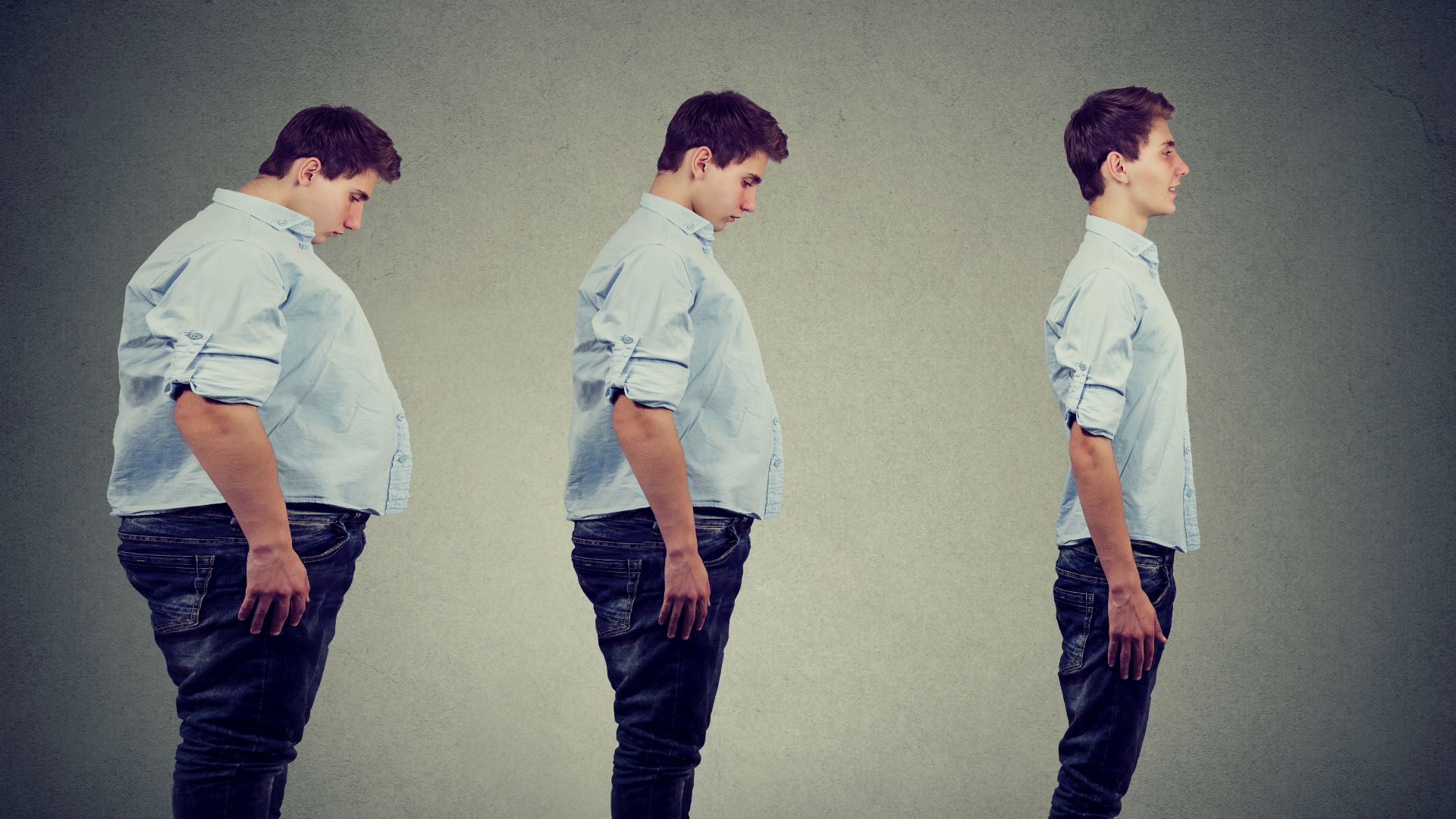

At 34 years old, Anthony Piccaver made a change that would redefine his health and outlook. Once weighing 467 pounds, he gradually reduced his weight to 224 pounds, not through restrictive meal plans or extreme regimens, but by committing to one consistent practice, walking. Over the course of more than two years, this simple decision reshaped his routine, energy levels, and confidence.
What began as a practical solution soon evolved into a structured habit. After missing a ride to a nearby coffee shop, he chose to walk a mile instead. That single choice expanded into longer distances, until he set a personal goal of reaching 10,000 steps per day. With time, that target tripled. Today, he averages close to 30,000 steps daily, far exceeding general health recommendations.
The cumulative results are striking. In March, he reported surpassing 16 million total steps, covering nearly 13,000 kilometers and wearing out 22 pairs of trainers. In one month alone, he logged close to one million steps. His progress illustrates how steady repetition, rather than rapid intervention, can drive profound physical change.
Consistency Over Restriction

Unlike many weight loss stories centered on strict dieting, Piccaver did not dramatically alter his eating patterns. He removed certain habits, such as regularly consuming chips, yet he continued to enjoy meals and social outings. For him, the key variable was movement, not deprivation.
His occupation in retail naturally supports an active lifestyle. He spends hours on his feet, assisting customers, navigating between the shop floor and warehouse, and walking to and from work, a four mile daily commute. Weekends often include long walks with friends that can stretch beyond 20 miles, combining social connection with physical activity.
This approach reflects an important insight for readers interested in sustainable wellness. Rather than pursuing rapid transformation, he integrated exercise into everyday routines. By anchoring his efforts in realistic, repeatable actions, he maintained momentum without feeling restricted or overwhelmed.
The Hidden Health Challenge Behind the Weight Gain

Before his transformation, Piccaver struggled with severe fatigue that disrupted nearly every aspect of his life. He lost employment and housing while seeking medical explanations for his exhaustion. After years of uncertainty, he was diagnosed with sleep apnea in 2017 and began using a continuous positive airway pressure device, commonly known as CPAP.
Sleep apnea is a condition that affects millions of people and often remains undiagnosed. Persistent tiredness, difficulty concentrating, and low energy can contribute to weight gain and diminished quality of life. In his case, eating temporarily boosted his energy, which gradually reinforced unhealthy patterns.
Receiving a diagnosis marked a turning point. Although he continues to use the CPAP machine, improved sleep quality allowed him to regain stability. Addressing this underlying condition created the foundation for the consistent physical activity that followed.
Confidence, Community, and a Sustainable Mindset

Beyond the numbers on a scale, the most meaningful shift has been psychological. Piccaver describes feeling happier and more self-assured than at any previous stage. Support from friends and family played a crucial role, as they joined him on long walks and encouraged his progress without judgment.
He also reconnected socially after a period of isolation. At his lowest point, embarrassment led him to withdraw and deactivate social media accounts. Rebuilding confidence required patience and openness, reinforced by small, daily victories achieved through movement.
His experience underscores a broader lesson for readers seeking practical health strategies. Sustainable transformation often emerges from manageable habits, medical awareness, and supportive relationships. In his case, walking was not simply exercise; it became a structured path toward renewed health, resilience, and long-term balance.