Mangoes Recalled at Walmart Stores Across 4 Northeastern States
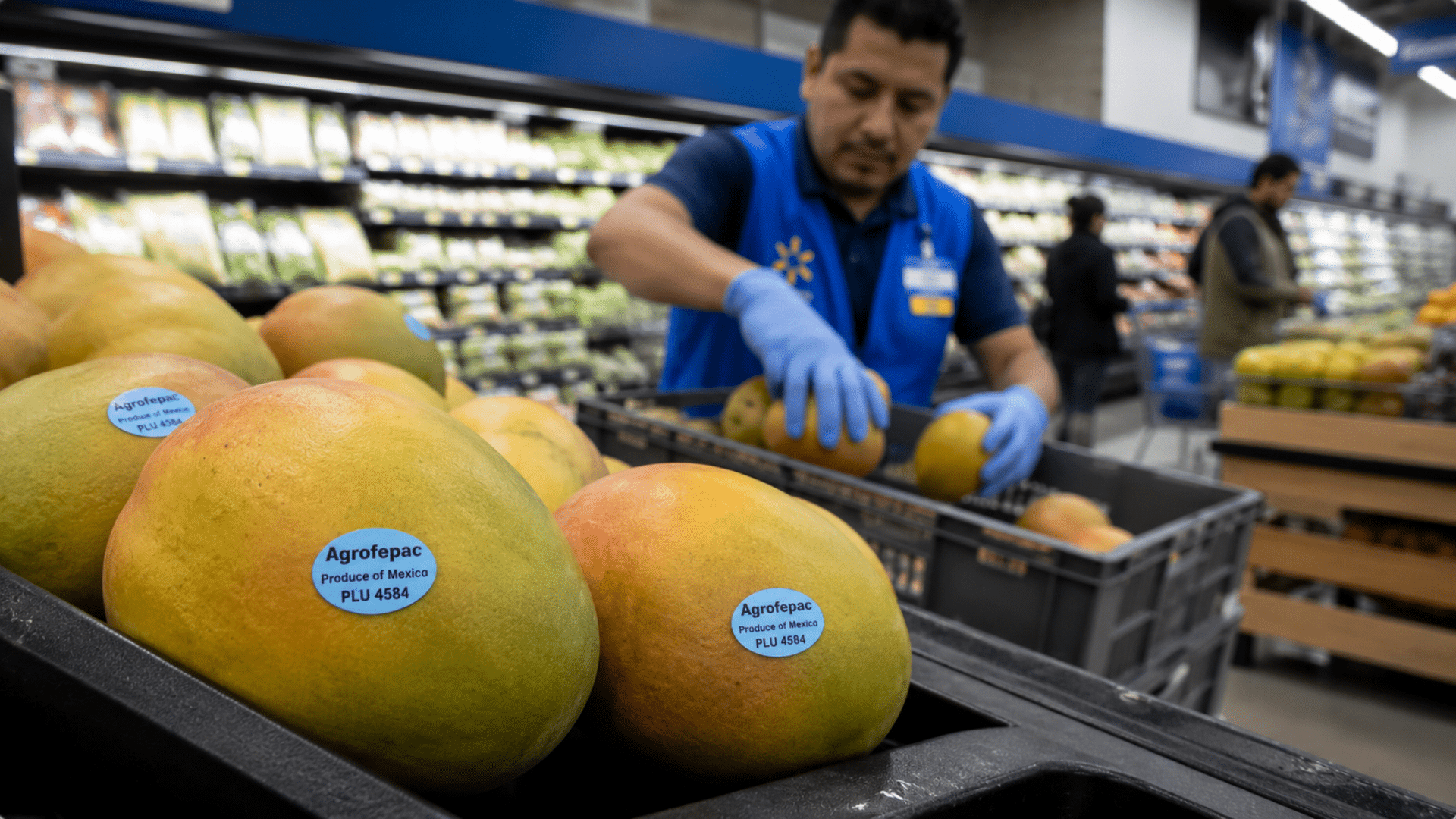

Most food recalls happen after people start getting sick, a company or agency working backward from real illness reports to find the source. This one worked the opposite way entirely. Panorama Produce pulled hundreds of boxes of mangoes from Walmart shelves in the Northeast before a single reported illness, based entirely on testing done somewhere else in the supply chain.
The recall covers 302 boxes of size 9 mangoes, packaged under the Martina brand, according to a notice Panorama Produce filed with the FDA on Aug. 28. The affected fruit was distributed to select Walmart stores in Connecticut, New York, New Jersey, and Pennsylvania, and sold there between Aug. 10 and Aug. 21. No illnesses had been reported as of the FDA’s announcement.
That timeline raises an obvious question. If nobody got sick, what actually triggered the recall? The answer traces back to a routine test result on fruit that never even reached a store shelf. Understanding that chain of connection explains exactly why an importer would voluntarily pull perfectly healthy-looking mangoes off shelves in four different states at once.
This article was created with the assistance of AI and reviewed by our editorial team for accuracy and clarity.
The Recalled Mangoes Passed Inspection. Ones From the Same Farm Didn’t.
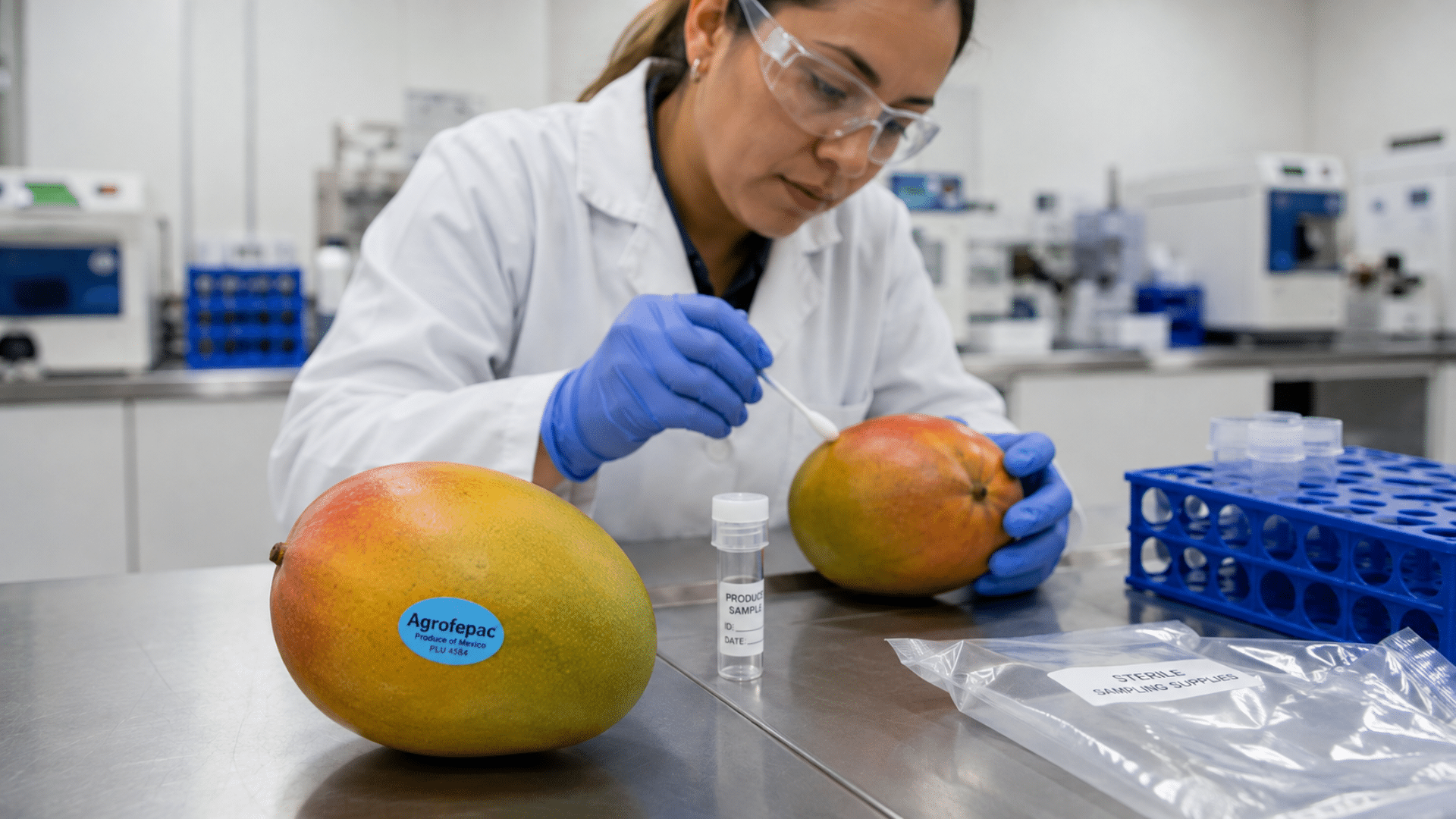
According to the FDA notice, the recall began after federal sampling detected salmonella in mangoes grown on the same farm as the recalled batch. Those specific contaminated mangoes never entered U.S. commerce. They were caught before distribution. But because the recalled boxes came from that same source farm, Panorama Produce chose to recall them anyway, treating shared origin as reason enough for caution rather than waiting for direct evidence of contamination in the boxes themselves.
Salmonella infection typically causes diarrhea, fever, stomach cramps, nausea, and vomiting. Symptoms usually appear somewhere between six hours and six days after exposure, which makes it genuinely hard for most people to trace a stomach bug back to a specific piece of fruit eaten days earlier. Most healthy adults recover without treatment. The infection can turn serious, even life-threatening, for young children, older adults, and anyone with a weakened immune system.
Right now, this recall remains a precaution rather than a response to a confirmed outbreak. No illnesses have been reported in connection with these specific mangoes, and the fruit that tested positive never reached a Walmart shelf in the first place. That distinction matters, especially since shoppers already have a real, active mango-related salmonella outbreak to worry about this same week, one that has nothing to do with this recall.
Don’t Eat Them Even Cooked. Freezing Doesn’t Kill Salmonella Either.
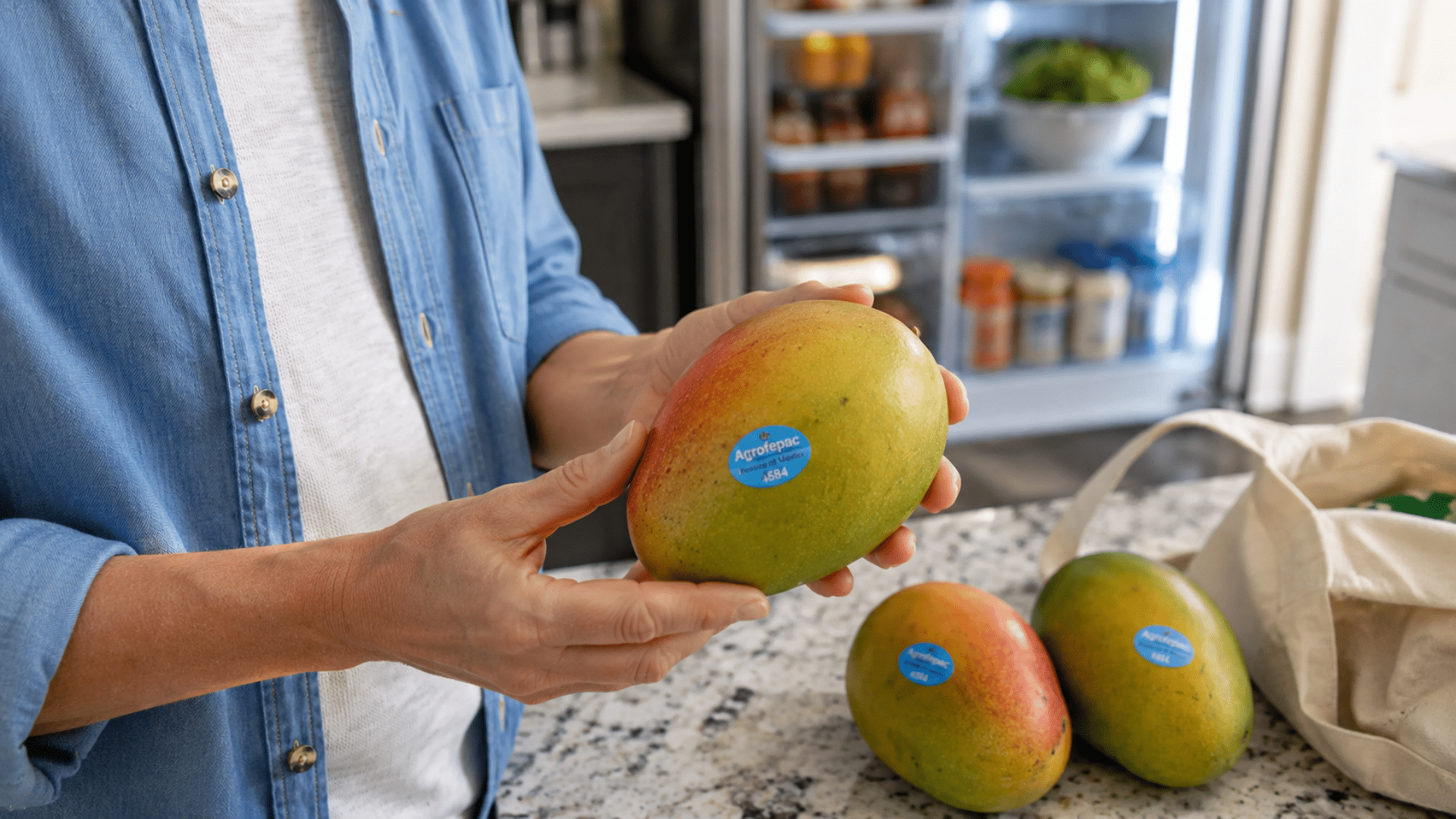
Identifying the recalled fruit takes a close look at the packaging. The mangoes shipped in Martina-branded cases, and each individual piece of fruit carries a light blue sticker reading Agrofepac, Produce of Mexico. The sticker also includes PLU number 4584 and UPC 07503061948050, the two identifiers shoppers can check directly against their receipt or the fruit itself before deciding what to do next.
The FDA’s guidance is unambiguous: dispose of the mangoes or return them to the store where they were purchased. Food safety experts add an important detail that’s easy to overlook. Cooking does not eliminate the risk, since cross-contamination can spread the bacteria to other surfaces and foods during preparation. Freezing offers no protection either. If the recalled mangoes were frozen for later use, or blended into something else and then frozen, that dish still is not safe to eat.
Anyone who has already eaten the recalled mangoes and develops symptoms should contact a doctor and mention the possible exposure specifically, since salmonella infection can mimic other common illnesses and is easy to misdiagnose without that context. Consumers with questions can also reach Panorama Produce directly by email. All of that guidance applies to one very specific recall, though, and this week happens to have more than one mango story circulating at once.
There’s Actually a Second, Unrelated Mango Recall Happening Right Now
The Panorama Produce recall did not happen in isolation. The same week brought a wave of separate grocery recalls, including a Whole Foods guacamole recall classified at the FDA’s highest risk level, a tofu recall spanning 29 states, nearly 25,000 pounds of frozen buffalo chicken pulled over a missed inspection, and roughly 2,000 pounds of recalled pet food. None of these are connected to the mango recall or to each other.
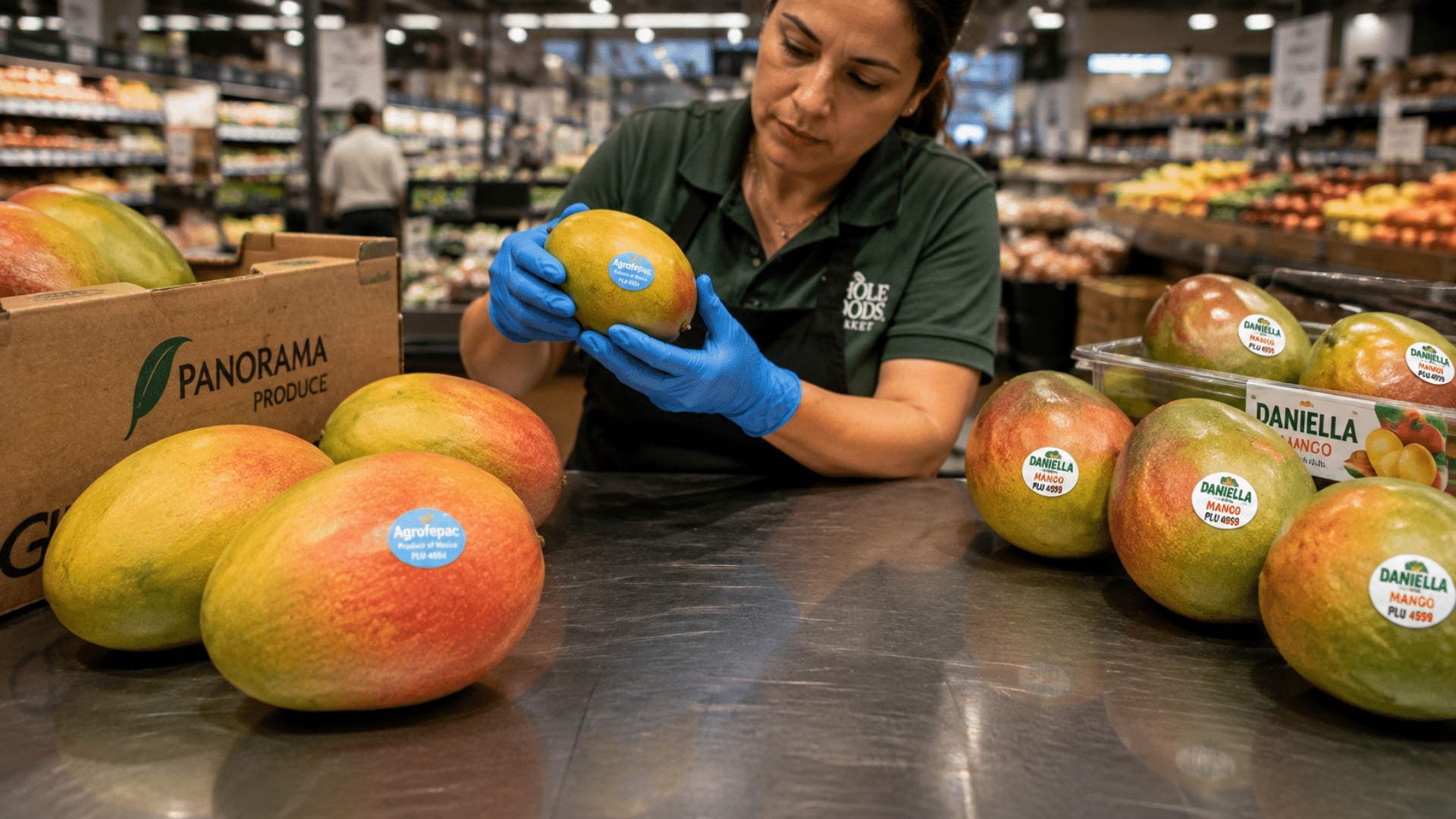
One recall from that same stretch deserves special attention. It genuinely could get confused with this one. Splendid Products separately recalled Daniella-brand mangoes tied to an actual, confirmed salmonella outbreak that has sickened more than 100 people across 16 states. That recall involves a different importer, different brand, and different farm, unlike the Panorama Produce recall, where no sickness has been reported and the affected fruit was caught before it ever reached a store.
Two mango recalls making headlines in the same week is a coincidence, not a sign of one bigger problem spreading through the supply chain. But that coincidence puts real weight on reading past the headline. A shopper who saw “mangoes recalled” once and skimmed past the details could easily throw away safe fruit, or worse, assume their own mangoes are fine without ever checking the sticker that actually tells them which recall, if any, applies to what’s in their kitchen.