Vulnerable Man Earned $16,000 at McDonald’s but Was Paid Just $120, Court Says


Imagine working grueling twelve hour shifts six days a week at a local fast food restaurant, only to discover your entire paycheck belongs to someone else. This nightmare became reality for an exploited man who earned over $16,000 flipping burgers but received just $120 in return. The sweeping labor scheme systematically stripped a vulnerable worker of his earnings, forcing him to survive on pocket change while his captors pocketed a sum large enough to buy a brand new compact car.
Luton Crown Court Uncovers Extensive International Slavery Ring

This massive corporate labor exploitation came to light during an intensive criminal trial overseen by the Luton Crown Court. High-level judicial proceedings exposed a sophisticated, family-run human trafficking network operating across European borders. By analyzing deep financial records and direct worker testimonies, British prosecutors successfully dismantled the hidden criminal operation. The formal court rulings verified that severe human rights abuses are actively infiltrating major global fast food chains, validating the shocking financial theft through verified legal evidence.
Six Vulnerable Victims Exploited Across Multiple Years

The core data presented by prosecutors details a disturbing pattern of systemic financial abuse. Over a multi-year period, a single criminal family trafficked six vulnerable men directly into a single McDonald’s branch. The ringleaders consolidated multiple victim paychecks to fund luxury cars, expensive jewelry, and lavish vacations. One victim alone generated £12,000, translated to roughly $16,000, in legitimate fast food wages over ten months, yet his bank account was completely controlled by his traffickers.
Fast Food Slavery Evades Standard Corporate Oversight
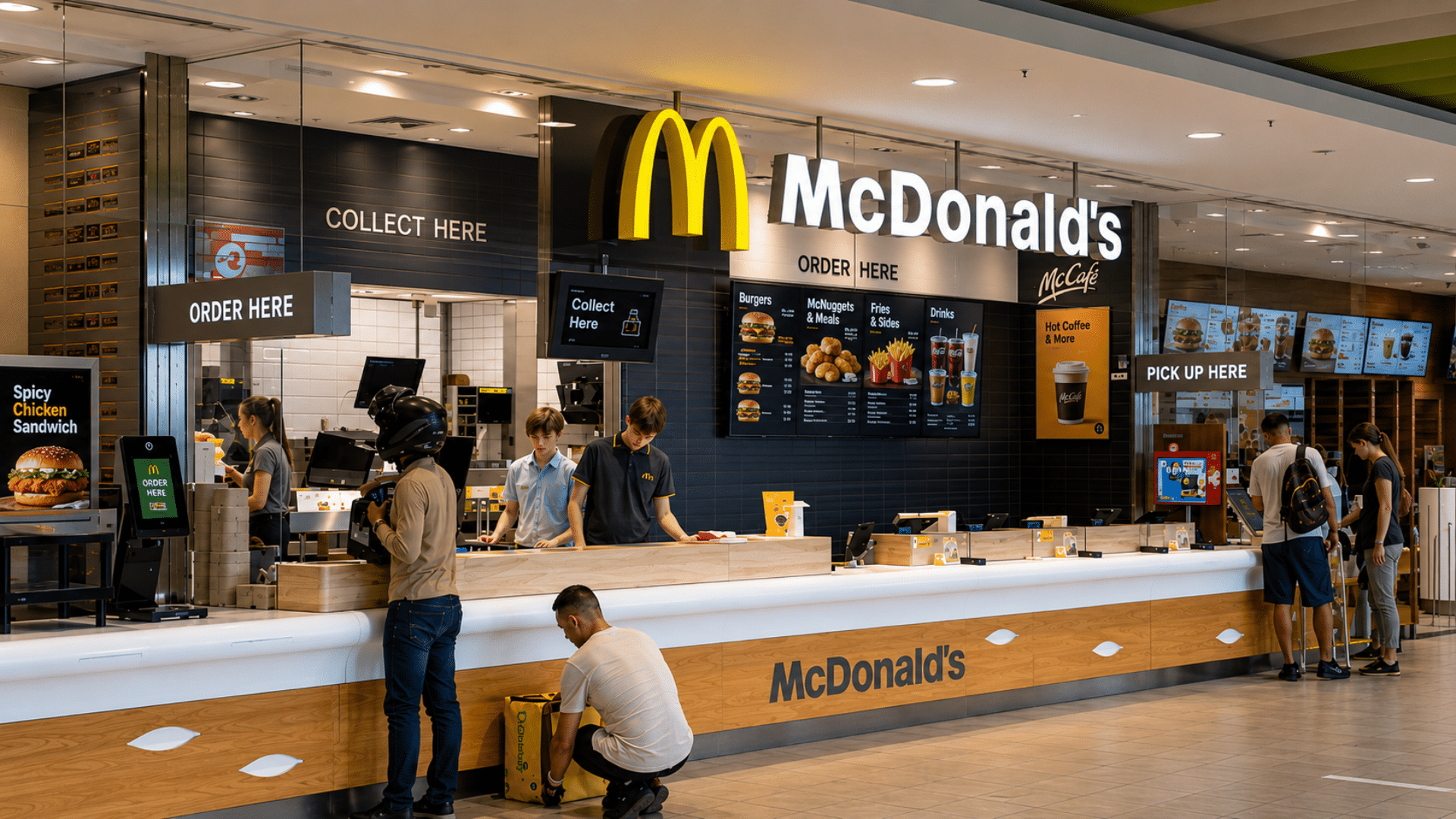
This shocking criminal operation completely blindsided corporate managers, defying standard multinational labor compliance baselines. The traffickers bypassed traditional employment checks by having a gang member complete the online entry tests and translate during the live interviews. This clever manipulation allowed human slavery to hide in plain sight at a busy commercial storefront. The case completely upended traditional retail security assumptions, proving that modern corporate auditing systems can easily fail to protect vulnerable frontline staff.
Cambridgeshire Police Spearhead Sweeping Anti Trafficking Investigation

The Cambridgeshire Police Department assumed the primary role in identifying and rescuing the captive fast food workers. Led by specialized detectives, the law enforcement agency tracked the network from initial recruitment in the Czech Republic to their forced labor placements. Investigators worked directly with corporate safety teams to secure the victims and transfer them to protective custody. The police response highlights a growing operational focus on forcing major commercial businesses to heavily monitor their localized hiring practices.
Judicial Ruling Condemns Disgraceful Exploitation Of Workers

“Human beings have an inherent dignity and worth. Both of you over 10 months robbed him of that, and by your behaviour brought him very low indeed. You treated him as your property.” Judge Geoffrey Payne delivered this scathing statement during the formal sentencing hearing, holding the criminal traffickers fully accountable for their total lack of human remorse.
Secondary Gang Members Fuel Modern Slavery Networks

The wider criminal network relied on secondary actors to maintain total physical control over the vulnerable workers. Ringleader Ernest Drevenak coordinated with specialized accomplices who managed daily transportation and strictly rationed the food supply. When the primary victim shifted households, one brother paid the other an exchange fee of £1000, roughly $1300, as compensation for the human commodity. This internal transaction underscores the highly organized, businesslike nature of local human trafficking rings.
Global Supply Chains Face Rising Labor Exploitation

This fast food trafficking case mirrors a dangerous, expanding pattern of modern slavery across western corporate supply chains. National enforcement sweeps show that human trafficking syndicates increasingly target entry level positions within major agricultural, hospitality, and retail sectors. Criminal networks exploit open job portals to embed captive labor into legitimate business ecosystems. This rising systemic trend forces international brands to completely reevaluate how they audit localized franchises, as criminal rings generate millions by exploiting vulnerable populations.
Hidden Slavery Directly Impacting Everyday Retail Customers

For ordinary citizens, this criminal case transforms an abstract human rights issue into an immediate local concern. A typical fast food branch serves thousands of neighborhood families every single week, meaning everyday consumers were routinely interacting with enslaved workers. When major corporations fail to spot labor trafficking, everyday consumer spending inadvertently funds criminal syndicates instead of supporting legitimate local workers. This breakdown forces communities to demand much higher transparency standards regarding the actual labor producing their daily meals.
Severe Labor Scandals Project Permanent Corporate Shifts

The empty courtroom benches mark the conclusion of this trial, but the systemic adjustments are just beginning. Long after these specific traffickers serve their multi-year prison terms, major fast food corporations will face intensive regulatory pressure to completely overhaul their hiring security. This landmark legal precedent ensures that future corporate liability definitions will expand significantly, framing this specific franchise scandal as the opening chapter in a permanent, global effort to eradicate forced labor from modern commercial life.

